

Proactive Disease Prevention: A Multifaceted Approach to Optimizing Health and Well-being
Maintaining optimal health demands a proactive and holistic approach to disease prevention. While complete elimination of health risks is unrealistic, significantly reducing vulnerability is achievable through evidence-based strategies and informed decision-making. This comprehensive guide outlines key approaches to strengthening the immune system and fostering resilience against illness, drawing upon established principles of immunology, epidemiology, and behavioral science. The framework presented incorporates the biopsychosocial model, recognizing the interconnectedness of biological, psychological, and social factors in influencing health outcomes.
1. Strengthening Immune Function through Optimized Lifestyle: A Biopsychosocial Perspective
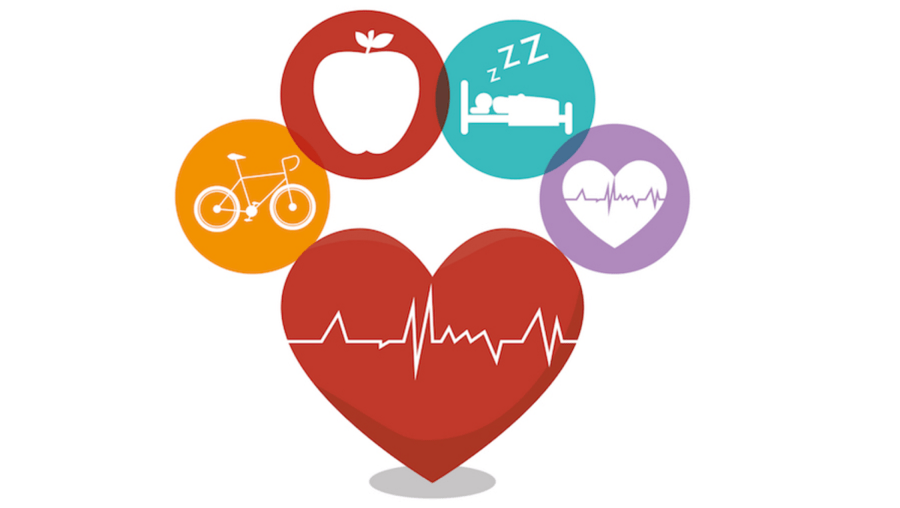
Lifestyle significantly impacts immune function. Regular physical activity, adhering to recommendations of at least 150 minutes of moderate-intensity or 75 minutes of vigorous-intensity aerobic activity per week (as per guidelines from major health organizations), enhances cardiovascular health and immune response, aligning with principles of exercise physiology. This contributes to weight management, further reducing the risk of various chronic diseases. Prioritizing sufficient sleep, in accordance with sleep hygiene principles, facilitates restorative processes crucial for immune function. A balanced diet rich in fruits, vegetables, and whole grains, informed by nutritional science principles, provides essential micronutrients that support immune cell activity. Adequate hydration is crucial for maintaining bodily functions. Limiting processed foods, sugary drinks, and unhealthy fats minimizes potential immune compromise. These lifestyle changes collectively bolster the immune system, reducing susceptibility to illness, reflecting the biopsychosocial model's emphasis on the interplay of lifestyle, mental well-being, and physical health.
2. Implementing Effective Hygiene Protocols: Minimizing Pathogen Transmission
Rigorous hygiene practices are fundamental to infectious disease prevention. The germ theory of disease highlights the importance of hand hygiene. Regular handwashing with soap and water for at least 20 seconds effectively disrupts pathogen transmission, minimizing contact and droplet transmission. Reducing close contact with symptomatic individuals, aligning with social distancing and quarantine strategies, lowers contagion risk. Respiratory etiquette, encompassing covering coughs and sneezes, prevents airborne pathogen dissemination. Routine disinfection of frequently touched surfaces minimizes environmental contamination, a critical aspect of environmental hygiene and public health. These measures are based on established infection control principles and public health strategies.
3. Promoting Collective Health: Social Responsibility and Environmental Considerations
Public health initiatives emphasize collective responsibility in disease prevention. Social distancing, particularly in high-density areas, reduces respiratory illness transmission, reflecting principles of herd immunity. Accessing reliable health information from reputable sources enables informed decision-making regarding health risks. Immunization, a cornerstone of public health, provides community-wide protection against vaccine-preventable diseases. Avoiding non-essential travel to regions experiencing outbreaks demonstrates global citizenship and limits the spread of infectious diseases. These collective actions protect individual and community health.
4. Integrating Mental Well-being into a Holistic Health Strategy
The strong correlation between mental and physical health is critical for disease prevention. Chronic stress compromises immune function, increasing illness susceptibility. Stress-reduction techniques like mindfulness-based meditation, yoga, or nature immersion mitigate stress's negative effects on immune function, aligning with principles of stress management and the relaxation response. Strong social connections provide essential support networks, improving emotional well-being and resilience to stress. The biopsychosocial model underscores the interconnectedness of psychological, social, and biological factors in overall health, emphasizing mental well-being's crucial role in disease prevention.
Conclusions and Recommendations
A proactive, multi-faceted approach to disease prevention—integrating hygienic practices, optimized lifestyles, social responsibility, and mental well-being—significantly reduces illness risk and enhances overall health. This approach acknowledges the complex interplay of factors influencing health outcomes. Further research should investigate the long-term effectiveness of integrated disease prevention strategies across diverse populations, exploring possibilities for personalized preventative approaches. The findings highlight the need for public health initiatives promoting holistic wellness and individual responsibility for health maintenance. Implementing these recommendations could significantly improve population health, reduce the global burden of preventable diseases, and positively impact healthcare costs and societal productivity. A cost-benefit analysis of implementing these strategies on a larger scale would provide valuable insights for future public health planning.
Reader Pool: Considering the described strategies and their theoretical underpinnings, what innovative interventions or technological advancements could be integrated into future disease prevention programs to further enhance their effectiveness and reach?

No comments yet. Be the first to share your thoughts!