

Mary, Mother of the Church: A Foundational Pillar of Ecclesial Unity
Introduction: Defining Key Concepts
This discourse examines the multifaceted role of Mary, the Mother of God, within the Catholic Church, focusing on her significance as a unifying figure. We will explore her theological status, scriptural basis, and the impact of Marian devotion on ecclesial cohesion. Key concepts informing this analysis include ecclesiology (the study of the nature and structure of the Church), Christology (the study of the person and nature of Christ), and Mariology (the theological study of Mary). We will also engage with concepts from social psychology, examining how shared beliefs and practices, such as Marian devotion, contribute to group identity and social cohesion.
Mary's Theological Role and Scriptural Foundation
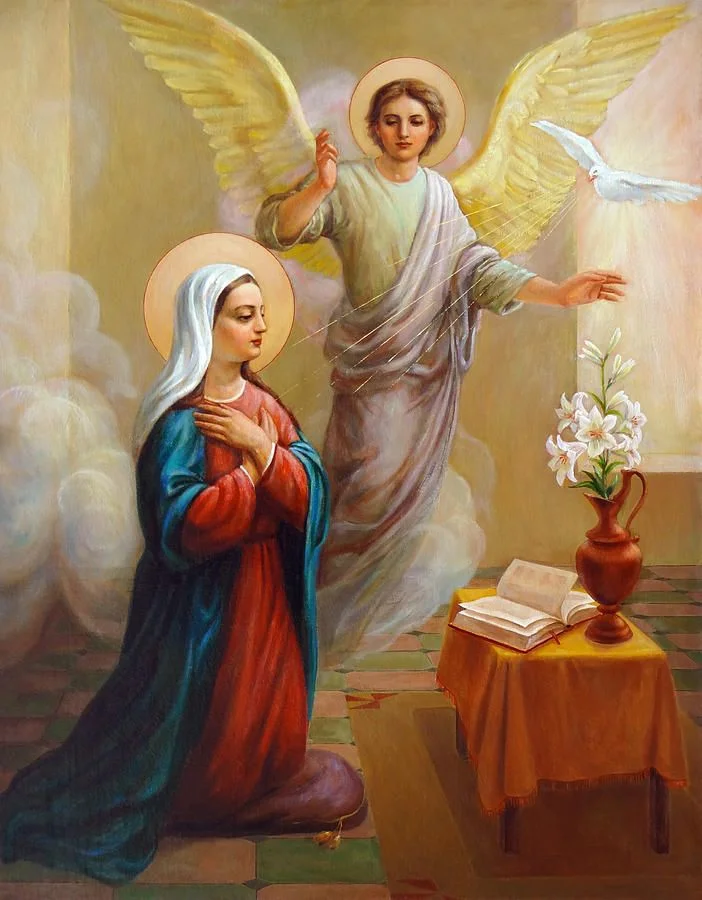
Catholic doctrine posits Mary's unique role in salvation history, beginning with the Annunciation (Luke 1:26-38). The angel Gabriel's greeting, "Hail, full of grace, the Lord is with you," highlights her privileged status as the Theotokos (God-bearer). This divine election is not merely a historical event but a foundational element of Christology, as Mary's consent to God's plan is inextricably linked to the Incarnation. Her Magnificat (Luke 1:46-55), a hymn of praise reflecting both humility and unwavering faith, further illustrates her integral part in God's redemptive work. Applying the concept of divine agency, we see Mary as a willing participant in the divine plan, instrumental in bringing about the salvation offered through Jesus Christ.
Mary as "Mother of the Church": A Title with Profound Implications
Pope Paul VI's declaration of Mary as "Mother of the Church" in 1964 formalized a long-held belief, highlighting her spiritual motherhood over all believers. This title transcends a merely symbolic designation; it reflects a deep theological understanding of Mary's continued intercession and spiritual guidance for the Church. This concept connects to the sociological principle of social identity theory, where shared beliefs and practices, in this case devotion to Mary, reinforce a sense of belonging and collective identity among Catholics. This role is further explored in the Catechism of the Catholic Church, which emphasizes her unwavering faith and cooperation in God's plan from the Annunciation to the Cross as continuous and vital to the Church's life.
The Unifying Power of Marian Devotion and its Practical Manifestations
Marian devotion, encompassing practices such as the Rosary, the Hail Mary, and May devotions, is a significant aspect of Catholic spirituality. These practices serve not only as expressions of personal faith but also as unifying rituals, strengthening social bonds within the Catholic community. This relates to Durkheim's theory of collective effervescence, where shared religious practices foster a sense of heightened social unity and collective identity. The lives and writings of numerous saints, such as St. Louis de Montfort, further exemplify the profound impact of Marian devotion on spiritual growth and the cultivation of a deeper relationship with Jesus Christ. The emphasis on Mary's role as a model of faith, obedience, and trust provides a powerful ethical and spiritual example for all believers.
Marian Apparitions, the Eucharist, and the Universal Reach of Mary's Influence
Reported Marian apparitions, such as Our Lady of Guadalupe and Fatima, offer another dimension to Mary's role, serving as potent symbols of her continued presence and intercession. These apparitions, while requiring careful discernment, have undeniably shaped the faith and devotion of countless individuals. Furthermore, Mary's profound connection to the Eucharist, the central sacrament of the Catholic faith, underlines her essential role in the ongoing mystery of Christ’s presence in the Church. This connection underscores her ongoing participation in the salvific work of Christ and reinforces the unity of faith. Her universal maternal love transcends cultural and geographical boundaries, creating a sense of global unity among Catholics through a shared spiritual connection.
Conclusions and Recommendations
Mary, Mother of the Church, plays a pivotal role in fostering ecclesial unity within Catholicism. Her theological status, grounded in scripture and tradition, combined with the unifying power of Marian devotion, contributes significantly to the sense of collective identity and shared faith among Catholics. Further research should explore the sociological and psychological dimensions of Marian devotion, investigating its impact on social cohesion, religious practice, and individual spiritual development across diverse cultural contexts. The findings could provide valuable insights into the dynamics of religious identity and community formation. In pastoral contexts, promoting Marian devotion as a means of strengthening ecclesial unity and fostering a deeper appreciation of Mary's role in salvation history should remain a priority. The continued theological exploration of Mariology and its implications for contemporary ecclesial life is essential for a richer understanding of the Church's identity and mission.
Reader Pool: Considering the multifaceted theological and sociological dimensions presented, how might a deeper understanding of Mary's role contribute to fostering greater unity and dialogue within and beyond the Catholic Church?

No comments yet. Be the first to share your thoughts!