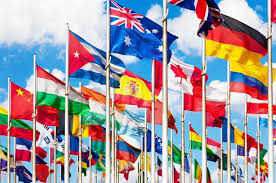
United for Peace: Strengthening Global Cooperation and Unity
Updated at: 2023-08-13 18:03:48 (2 years ago by Melkisedeck Leon Shine)
United for Peace: Strengthening Global Cooperation and Unity
In a world that seems increasingly divided, the need for global cooperation and unity has never been more pressing. The challenges we face, whether they be conflict, poverty, or environmental degradation, require collective action and collaboration across borders. United for Peace, a global initiative aimed at promoting unity and cooperation, seeks to bridge the gaps that divide us and build a more peaceful and sustainable future for all.
Here are 15 detailed points on how we can promote global cooperation for peace and unity:
Embrace diversity: Recognize the value of different cultures, perspectives, and experiences. By celebrating diversity, we can foster understanding and create a more inclusive global community.
Encourage dialogue: Engage in open and respectful conversations with people from different backgrounds. By listening to one another's stories and perspectives, we can find common ground and build bridges of understanding.
Foster empathy: Put yourself in the shoes of others and strive to understand their struggles and aspirations. Empathy is a powerful tool for fostering compassion and unity.
Collaborate on shared challenges: Whether it's poverty, climate change, or conflict resolution, working together is essential. By pooling resources and expertise, we can find innovative solutions to complex global issues.
Support international organizations: Organizations such as the United Nations and World Health Organization play crucial roles in promoting peace, health, and sustainable development. Advocate for their work and support their initiatives.
Promote education: Education is the foundation for a peaceful and just society. Support initiatives that provide quality education for all, regardless of socioeconomic background or geographical location.
Address inequalities: Inequality breeds division and conflict. By addressing economic and social disparities, we can foster a more equitable world where everyone has an equal opportunity to thrive.
Protect the environment: Climate change knows no borders. Promote sustainable practices and support initiatives that protect the planet for future generations.
Foster youth involvement: Young people are the leaders of tomorrow. Empower them to be active participants in shaping a more peaceful and united world.
Encourage interfaith dialogue: Religion can be a source of unity or division. Promote dialogue and understanding between different faith communities to foster peace and cooperation.
Engage in diplomacy: Diplomacy is a powerful tool for resolving conflicts and building bridges between nations. Support diplomatic efforts and advocate for peaceful resolutions.
Volunteer and give back: Engage in community service and support initiatives that promote social, economic, and environmental development. Every small act makes a difference.
Emphasize shared humanity: We are all part of the human family, connected by our shared humanity. Recognize this interconnectedness and treat others with respect and dignity.
Advocate for human rights: Human rights are the foundation of a just and peaceful society. Advocate for the protection and promotion of human rights globally.
Lead by example: Be the change you wish to see in the world. Embody the values of peace, unity, and cooperation in your own actions and inspire others to do the same.
By promoting global cooperation and unity, we can create a world where peace and sustainable development thrive. It is up to each and every one of us to take action and make a difference. Together, we can build a brighter future for all.
Are you ready to join the movement? What steps will you take to promote global cooperation for peace and unity? Share this article with others and let's inspire change together. #UnitedForPeace #GlobalCooperation #UnityForAll
Updated at: 2025-02-26 11:01:29 (1 year ago by Melkisedeck Leon Shine)
```htmlThe world faces a complex web of political tensions and social unrest. Building a more peaceful and unified global community demands concerted international cooperation. International partnerships act as vital bridges, connecting nations, cultures, and ideologies, fostering understanding where conflict once thrived. This collaborative approach isn't just aspirational; it's fundamental to a sustainable global peace framework. This article explores the profound importance of these partnerships and their transformative power in uniting the world.
International partnerships cultivate empathy and mutual understanding between nations. Collaborative efforts addressing shared challenges and pursuing common goals foster deeper appreciation for diverse perspectives and experiences. This understanding is the bedrock of lasting peace.
These partnerships actively promote diplomacy and peaceful conflict resolution. Open dialogue and a commitment to finding common ground allow nations to navigate disagreements without resorting to violence. This proactive conflict management is crucial for preventing escalation and building trust and cooperation.
Pooling resources and expertise is another key advantage. By combining capabilities, nations effectively tackle complex challenges like poverty, climate change, and economic inequality, achieving more than any single nation could alone. This synergistic approach maximizes efficiency and impact.
Beyond practical collaboration, global partnerships enrich the world through vibrant cultural exchange. Sharing customs, traditions, and innovations fosters mutual appreciation and understanding of the richness of human experience. This cross-cultural understanding breaks down stereotypes and prejudices, contributing to a more inclusive and harmonious world.
The exchange of best practices and lessons learned is invaluable. This knowledge-sharing empowers informed decision-making, effective policies, and improved governance and development approaches. Learning from each other accelerates progress and avoids repeating past mistakes.
The economic benefits are significant. Open markets and increased trade foster economic growth and prosperity, creating a win-win situation for all. This interconnected economic landscape strengthens global stability and reduces conflict potential stemming from economic disparities.
Environmental sustainability is another area where international partnerships are indispensable. Sharing expertise in renewable energy, conservation, and sustainable development allows nations to collectively address pressing environmental challenges. This collaborative approach is crucial for mitigating climate change and preserving the environment for future generations.
In conflict-ridden regions, international partnerships mediate disputes and foster lasting peace. Skilled negotiation and mediation bring warring factions together, facilitating mutually agreeable solutions and paving the way for sustainable peace agreements.
Global security is significantly enhanced through the trust and cooperation fostered by these partnerships. By collaboratively addressing transnational threats like terrorism and cybercrime, nations safeguard their citizens and protect collective security. This unified front against global threats is vital for maintaining a stable and secure international order.
Strengthening international institutions and upholding the rule of law are further hallmarks of successful partnerships. Adherence to global treaties and agreements demonstrates a commitment to a just and equitable world order, reinforcing international cooperation and peaceful conflict resolution.
International partnerships also empower individuals and communities by providing resources and tools to address their unique challenges. Supporting grassroots movements and local organizations fosters sustainable development from the ground up, ensuring that the benefits of global cooperation reach even the most marginalized communities.
The collective power and influence of nations working together is amplified on the world stage. Through collaborative action, they can champion human rights, social justice, and equality, ensuring all voices are heard and rights are protected. This unified advocacy for global justice creates a powerful force for positive change.
Ultimately, international partnerships foster a sense of global citizenship and interconnectedness. Recognizing our shared responsibility for the planet and its inhabitants promotes a common vision of a peaceful and prosperous future for all. This shared vision motivates collaborative action.
The success stories of international partnerships inspire individuals to contribute to a more peaceful world. Witnessing the transformative power of collaboration encourages further engagement, fostering a global movement towards unity and peace.
Each of us plays a crucial role in advancing international cooperation. Developing skills in cross-cultural communication, conflict resolution, and advocacy empowers individuals to actively participate in building a more peaceful and just world. By cultivating these skills, we contribute to the collective effort to promote global unity and peace.
In conclusion, international partnerships are essential for promoting global cooperation, peace, and unity. Through collaborative action, empathy, and a shared commitment to a better future, we can overcome conflict and build a more sustainable framework for peace. The question is not whether we *can* build a better world, but whether we *will*. Join us in this vital endeavor.
```
Updated at: 2025-08-21 10:56:43 (8 months ago by Melkisedeck Leon Shine)
```htmlIn an era defined by interconnectedness, the concept of citizenship is undergoing a profound transformation. Moving beyond traditional notions of national identity, global citizenship emerges as a pivotal framework for fostering peace and sustainability on a global scale. Global citizenship, defined as the recognition of our shared humanity and the interconnectedness of all nations, is not merely an abstract ideal but a practical approach to addressing the complex challenges facing our world. This exploration delves into the core principles of global citizenship and its potential to empower individuals and communities to actively contribute to a more peaceful, equitable, and sustainable future.
At its essence, global citizenship is rooted in the understanding that we are all members of a single, interconnected global community. It emphasizes the importance of cross-cultural collaboration, respect for diversity, and a deep awareness of the far-reaching consequences of our actions. Embracing global citizenship requires a shift in perspective, one that recognizes our shared responsibility for the well-being of the planet and its inhabitants. This aligns with systems thinking, a management approach that emphasizes understanding how different parts of a system influence each other, promoting a holistic view necessary for addressing global issues. For instance, understanding the impact of consumer choices in one country on environmental degradation in another is a practical application of systems thinking in global citizenship.
Addressing Global Challenges Through Unified Action: The pressing global challenges of our time, including climate change, economic inequality, and armed conflict, demand unified action and international cooperation. Global citizenship provides a framework for addressing these challenges by fostering a sense of shared responsibility and encouraging collaboration across borders. By acknowledging our interdependence, we can collectively work towards sustainable solutions that benefit all members of the global community. The principle of collective action, where coordinated efforts yield greater results than individual actions, is central here. An example is the Paris Agreement on climate change, where nations committed to reducing emissions, demonstrating unified action for a common global challenge.
Cultivating Empathy and Understanding Across Cultures: Empathy, the ability to understand and share the feelings of others, lies at the heart of global citizenship. It enables us to connect with individuals from diverse backgrounds, bridge cultural divides, and foster a sense of shared humanity. Empathy is crucial for promoting tolerance, compassion, and peaceful coexistence in an increasingly interconnected world. This aligns with the principles of emotional intelligence, which emphasize the importance of self-awareness, self-regulation, empathy, and social skills in building strong relationships and resolving conflicts. Applying this concept involves actively listening to understand different perspectives, recognizing non-verbal cues, and responding with sensitivity, crucial skills in cross-cultural interactions.
Promoting Tolerance, Respect, and Peaceful Coexistence: A cornerstone of global citizenship is the valuation and appreciation of the world's rich tapestry of cultures. This necessitates the promotion of tolerance and respect for diverse cultures, religions, beliefs, and perspectives. Such an approach is crucial for establishing a harmonious global community, free from discrimination and conflict. The concept of cultural relativism, which suggests that cultures should be understood on their own terms, is relevant here. Understanding and respecting cultural differences is key to avoiding ethnocentrism, the belief that one's own culture is superior, and promoting peaceful coexistence.
Actively Participating in Peacebuilding Initiatives: Global citizenship empowers individuals to become active participants in peacebuilding initiatives through dialogue, advocacy, and community outreach. Every individual has the potential to contribute to a more peaceful and inclusive global community. The theory of social change, which examines the factors that drive societal transformation, is applicable here. Individuals can act as change agents by advocating for policy changes, raising awareness about social issues, and participating in community-based initiatives that promote peace and understanding.
Embracing Environmental Stewardship as a Shared Global Responsibility: Recognizing the interconnectedness of our planet and the impact of human actions on the environment is crucial. Global citizenship mandates a commitment to environmental sustainability, protecting our planet's resources for present and future generations. This involves adopting sustainable practices, supporting environmentally conscious initiatives, and advocating for policies that prioritize environmental protection. The concept of the tragedy of the commons, where individuals acting independently deplete a shared resource, highlights the need for collective action in environmental stewardship. Implementing sustainable practices at the local level, such as reducing waste, conserving water, and using renewable energy, contributes to the larger goal of protecting the planet.
Bridging Divides and Fostering Global Unity: Global citizenship actively works to dismantle barriers β physical, psychological, and social β that divide humanity. It fosters connections, builds bridges between communities, and promotes understanding, paving the way for a more unified and harmonious world. This aligns with the principles of social cohesion, which emphasize the importance of strong social bonds, trust, and shared values in creating stable and prosperous societies. Building bridges involves creating opportunities for cross-cultural exchange, promoting dialogue between different groups, and addressing systemic inequalities that contribute to division.
Education as the Foundation for Global Citizenship: Education plays a pivotal role in nurturing global citizens. Integrating global issues, intercultural understanding, and active participation skills into curricula equips individuals with the knowledge and tools to effectively contribute to peacebuilding and global cooperation. This approach aligns with the principles of transformative learning, which emphasizes critical reflection, perspective transformation, and action-oriented learning. Incorporating global issues into the curriculum, encouraging critical thinking about social justice, and providing opportunities for students to engage in community-based projects can foster global citizenship.
Grassroots Initiatives: Catalyzing Change from the Ground Up: Global citizenship extends beyond policymakers and international organizations; it begins with individuals and their communities. Grassroots initiativesβcommunity projects, social entrepreneurship, and volunteerismβgenerate positive change and inspire others to take action, showcasing the power of collective engagement. The concept of community development, which focuses on empowering local communities to address their own needs and improve their quality of life, is relevant here. Supporting local organizations, participating in community projects, and promoting social entrepreneurship can contribute to building more resilient and sustainable communities.
Empowering Women: A Catalyst for Peace and Development: Women are indispensable in promoting global cooperation and peace. Empowering women and ensuring their equal participation in decision-making processes is essential for achieving sustainable peace and development, as their perspectives and experiences enrich collaborative efforts. Empowering women aligns with gender equality, which posits that all genders should enjoy the same rights, opportunities, and access to resources. Implementing policies that promote gender equality, such as equal pay, access to education, and political representation, is crucial for achieving sustainable development.
Harnessing Technology for Global Connectivity and Collaboration: The digital age presents unprecedented opportunities for global citizens to connect and collaborate. Social media, online forums, and virtual networks facilitate the exchange of ideas, the sharing of experiences, and the mobilization of individuals toward positive global change. This resonates with network theory, which examines how individuals, groups, and organizations are connected and how these connections influence behavior and outcomes. Utilizing social media for advocacy, participating in online forums to discuss global issues, and collaborating on virtual projects can contribute to building a more connected and collaborative global community.
Youth: The Future of Global Citizenship and Sustainable Development: Young people represent the future of global citizenship, bringing fresh perspectives, energy, and innovative approaches to peacebuilding. Empowering youth through education, mentorship, and youth-led initiatives unlocks their potential as change-makers and strengthens global cooperation. This underscores the importance of youth empowerment, which focuses on providing young people with the skills, knowledge, and opportunities they need to become active and engaged citizens. Investing in youth education, providing mentorship opportunities, and supporting youth-led initiatives can help to build a more peaceful and sustainable future.
Promoting Peaceful Dialogue and Mediation for Constructive Conflict Resolution: Global citizenship emphasizes peaceful dialogue and mediation as vital tools for conflict resolution. Promoting open, inclusive, and respectful conversations helps bridge divides, fosters understanding, and facilitates the discovery of common ground. This aligns with the principles of conflict resolution, which emphasize the importance of communication, negotiation, and mediation in resolving disputes peacefully. Engaging in active listening, seeking common ground, and utilizing mediation techniques can help to resolve conflicts constructively and build stronger relationships.
Corporate Social Responsibility: A Shared Commitment to a Better World: Businesses play a significant role in promoting global cooperation and peace. Adopting sustainable practices, promoting ethical values, and engaging in corporate social responsibility initiatives contribute to a more equitable and peaceful world. This aligns with stakeholder theory, which posits that businesses should consider the interests of all stakeholders, including employees, customers, suppliers, communities, and the environment. Implementing sustainable business practices, promoting ethical labor standards, and investing in community development can contribute to building a more sustainable and equitable world.
Taking Action: From Individual Efforts to Global Impact: Global citizenship is not passive; it demands action. Whether through small acts of kindness, community involvement, or advocating for policy changes, every individual can contribute to promoting global cooperation and peace. Collective action amplifies individual efforts, creating a powerful wave of positive change. The concept of the ripple effect, where small actions can have a large impact, is relevant here. Engaging in small acts of kindness, volunteering in the community, and advocating for policy changes can contribute to building a more peaceful and sustainable world.
In conclusion, cultivating global citizenship is essential for creating a more peaceful, equitable, and sustainable world. Global citizenship empowers individuals to actively participate in peacebuilding by fostering cooperation, empathy, and respect, while simultaneously breaking down barriers that divide humanity. It is a mindset that recognizes our shared responsibility for creating a better future for all. Several recommendations emerge to further advance the principles and practices of global citizenship:
The general conclusion is that by embracing our shared responsibility as global citizens, we can create a more unified and harmonious global community. The impacts of fostering global citizenship include increased social cohesion, reduced conflict, improved environmental sustainability, and greater economic equity. The applicability of these principles extends to all sectors of society, from individuals and communities to governments and businesses. Further research is needed to explore the most effective strategies for promoting global citizenship education, measuring its impact, and addressing the challenges that hinder its widespread adoption.
These recommendations have broad applicability, ranging from individual actions to systemic changes. For instance, individuals can actively seek opportunities to learn about different cultures, support local organizations working on global issues, and advocate for policies that promote peace and sustainability. Governments can invest in global citizenship education, promote cross-cultural exchange programs, and implement policies that address global challenges. Businesses can adopt sustainable practices, invest in community development, and promote ethical labor standards. By working together, we can create a world where all individuals have the opportunity to thrive in a peaceful, equitable, and sustainable global community.
Related Articles:
Reader Pool: What are the most significant obstacles preventing the widespread adoption of global citizenship, and how can these be effectively addressed to foster a more interconnected and cooperative global community?
```
Updated at: 2023-08-13 17:23:24 (2 years ago by Melkisedeck Leon Shine)
Shared Values, Shared Goals: Global Cooperation for a Peaceful World
Introduction: In today's interconnected world, promoting global cooperation for peace and unity has become more important than ever. As individuals, we have the power to make a difference by embracing shared values and working towards common goals.
Understanding shared values: Shared values are the universal principles that bind us together as human beings, transcending borders and cultural differences. These values include respect for human rights, equality, justice, and compassion.
The importance of global cooperation: Global cooperation is essential for addressing pressing issues such as poverty, climate change, and conflict. By coming together and pooling our resources, we can create a more peaceful and sustainable world for future generations.
Building bridges instead of walls: Instead of creating divisions based on nationality or religion, let us focus on building bridges that bring people together. By embracing diversity and fostering understanding, we can promote unity and cooperation across borders.
Learning from each other: By engaging with different cultures, we can expand our horizons and gain new perspectives. This exchange of ideas and knowledge can lead to innovative solutions and a deeper appreciation for our shared humanity.
Resolving conflicts peacefully: Conflict is inevitable, but how we address it determines our path towards peace. By promoting dialogue, mediation, and diplomacy, we can find peaceful resolutions that preserve human dignity and avoid unnecessary suffering.
The role of education: Education plays a crucial role in promoting global cooperation for peace and unity. By equipping individuals with the knowledge and skills to navigate a complex world, we empower them to become agents of positive change.
Empowering women: Gender equality is not only a matter of human rights, but also a key driver of peace and development. By empowering women and ensuring their full participation in decision-making processes, we can create more inclusive and peaceful societies.
Environmental sustainability: A peaceful world is intrinsically linked to a sustainable environment. By prioritizing environmental protection and adopting sustainable practices, we can ensure a better future for all.
The power of grassroots movements: Change often starts at the grassroots level, with individuals coming together to advocate for a common cause. By joining or supporting grassroots movements that promote peace and unity, we can make a significant impact.
Promoting economic cooperation: Economic prosperity is closely linked to peace and stability. By promoting fair trade, investment in sustainable development, and reducing inequalities, we can create a more equitable and peaceful global economy.
Bridging the digital divide: In today's digital age, access to information and communication technologies is essential for global cooperation. By bridging the digital divide and ensuring equal access to technology, we can empower individuals and communities to actively participate in shaping a peaceful world.
Engaging youth: Young people are the leaders of tomorrow, and their engagement is crucial for promoting global cooperation. By providing platforms for youth to express their ideas, participate in decision-making processes, and take action, we can harness their energy and creativity for positive change.
The power of partnerships: No single country or organization can solve global challenges alone. By forming partnerships and alliances, we can leverage collective strengths and resources to achieve shared goals for peace and unity.
Conclusion: Promoting global cooperation for peace and unity requires collective action, but it starts with each one of us. By embracing shared values, actively engaging with others, and promoting understanding and empathy, we can contribute to a more peaceful and united world. Let us strive together towards this noble cause and inspire others to join us on this journey. #GlobalCooperation #PeaceAndUnity #TogetherWeCan
Updated at: 2023-08-13 17:24:07 (2 years ago by Melkisedeck Leon Shine)
Global Solidarity for Peace: Voices from Around the World
In a world filled with division and conflict, it is imperative that we come together as a global community to promote peace and unity. The promotion of global cooperation is not just a lofty ideal; it is a necessary step towards ensuring a brighter and more harmonious future for all. Voices from around the world are joining together in solidarity to advocate for peace, and their messages deserve to be heard.
Unity in Diversity: The world is a tapestry of diverse cultures, languages, and traditions. By embracing this diversity, we can foster a sense of unity that transcends borders and promotes understanding.
Breaking Down Barriers: Global solidarity requires us to break down the barriers that separate us, whether they be physical, cultural, or ideological. By fostering open dialogue and understanding, we can bridge these gaps and build a more interconnected world.
Peaceful Conflict Resolution: Conflict is inevitable in a world as diverse as ours, but it is how we resolve these conflicts that truly matters. By promoting peaceful means of conflict resolution, such as diplomacy and dialogue, we can prevent violence and build lasting peace.
Education for Peace: Education plays a crucial role in promoting global unity and peace. By teaching young minds about the importance of cooperation, empathy, and understanding, we can create a future generation that is committed to building a more peaceful world.
Economic Cooperation: Economic disparities often breed conflict and unrest. By promoting economic cooperation and addressing issues such as poverty and inequality, we can create a more just and peaceful global society.
Environmental Sustainability: The health of our planet is intrinsically linked to peace and unity. By promoting sustainable practices and addressing climate change, we can ensure a stable and secure future for all.
Empowering Women: Gender equality is not only a matter of human rights, but also a catalyst for peace. By empowering women and giving them equal opportunities, we can tap into the immense potential they possess to foster peace and unity.
Youth Engagement: The voices of young people are essential in promoting global solidarity. By engaging and empowering youth, we can harness their energy, creativity, and passion to drive positive change in the world.
Building Alliances: Solidarity knows no boundaries. By building alliances with like-minded individuals and organizations from different parts of the world, we can amplify our efforts and create a global movement for peace.
Celebrating Cultural Exchange: Cultural exchange fosters mutual understanding and respect. By actively engaging in cultural exchange programs, we can break down stereotypes and promote a more inclusive and peaceful world.
Supporting Human Rights: Human rights are the foundation of a just and peaceful society. By advocating for the protection and promotion of human rights, we can create an environment that fosters peace and unity.
Crisis Response and Relief: In times of crisis, global solidarity is crucial. By providing humanitarian aid and support to those in need, we can alleviate suffering and promote unity in the face of adversity.
Social Media as a Tool for Peace: Social media has the power to connect individuals from all corners of the globe. By using social media platforms to spread messages of peace and unity, we can reach a wider audience and inspire positive change.
Peaceful Activism: Activism can be a powerful tool for promoting peace and unity. By engaging in peaceful protests, marches, and campaigns, we can raise awareness and mobilize others to join the movement for global solidarity.
Taking Action: Promoting global cooperation for peace and unity is not a passive endeavor. It requires each and every one of us to take action, no matter how small. Whether it be volunteering, donating, or simply having conversations with others, we can all contribute to building a more peaceful world.
In conclusion, the promotion of global cooperation for peace and unity is not an insurmountable task. It is a collective effort that requires individuals from all walks of life to come together and make a difference. By embracing diversity, fostering dialogue, and taking action, we can create a world where peace and unity prevail. The power lies in our hands β let us join forces and pave the way towards a brighter future for all.
Will you stand for peace and unity? Share this article and let your voice be heard. Together, we can make a difference. #GlobalSolidarityForPeace #PromoteUnity #PeacefulCoexistence.
Updated at: 2025-03-02 11:49:25 (1 year ago by Melkisedeck Leon Shine)
In today's increasingly interconnected world, the concept of global citizenship has emerged as a powerful catalyst for peace and unity. It transcends national borders, empowering individuals to become active participants in building a harmonious global community. This article explores the multifaceted nature of global citizenship and its vital role in fostering peacebuilding initiatives worldwide.
Understanding the Essence of Global Citizenship: Global citizenship extends beyond simple national identity. It fosters a profound understanding of our shared humanity, encouraging individuals to recognize their membership in a global community. This perspective embraces diversity, celebrating the richness of different cultures while promoting collaboration and mutual respect.
Global Cooperation: A Shared Responsibility: Global citizenship champions the critical importance of international cooperation in tackling global challenges. By acknowledging our interconnectedness and shared humanity, we can collectively address pressing issues such as poverty, climate change, and conflict, forging sustainable solutions that benefit all.
Cultivating Empathy and Understanding: A cornerstone of global citizenship is the cultivation of empathy. This involves actively seeking to understand the experiences and perspectives of others, regardless of their nationality or cultural background. Empathy fosters compassion, bridges divides, and paves the way for meaningful dialogue and collaboration.
Fostering Tolerance and Respect for Diversity: Global citizenship promotes a deep appreciation for the world's rich tapestry of cultures, religions, and beliefs. This fosters tolerance and respect, creating a foundation for peaceful coexistence and understanding among diverse communities.
Active Participation in Peacebuilding: Global citizenship empowers individuals to become agents of change, actively contributing to peacebuilding efforts within their communities and beyond. This active engagement may involve promoting dialogue, advocating for justice, and working towards a more inclusive and equitable world. Every action, no matter how small, contributes to a larger movement for peace.
Environmental Stewardship: A Global Imperative: Recognizing the planet's interconnected ecosystems and the impact of our actions on the environment is integral to global citizenship. It compels individuals to adopt sustainable practices and take proactive steps to protect the Earth for present and future generations. Environmental responsibility is not merely an option, but a shared obligation.
Breaking Down Barriers: Fostering Connection and Understanding: Global citizenship actively works to dismantle barriers β physical, psychological, and social β that divide us. By fostering connections and building bridges across these divides, we create a more united and harmonious global community.
The Role of Education in Shaping Global Citizens: Education plays a crucial role in cultivating global citizenship. By integrating global issues, intercultural understanding, and practical skills for active participation into curricula, we equip individuals with the knowledge and tools necessary to effectively contribute to peacebuilding initiatives.
Grassroots Initiatives: Driving Change from the Ground Up: Global citizenship is not solely the domain of policymakers and leaders; it begins with individuals and their communities. Grassroots initiatives, including community projects, social entrepreneurship, and volunteer efforts, can create significant positive change and inspire widespread action.
The Indispensable Role of Women: Women are vital in promoting global cooperation and peace. Empowering women and ensuring their equal participation in decision-making processes is essential for achieving sustainable peace and development. Their contributions are fundamental to creating a more just and equitable world.
Leveraging Technology for Global Connection: The digital age provides unprecedented opportunities for global citizens to connect and collaborate. Social media platforms, online forums, and virtual networks facilitate the exchange of ideas, shared experiences, and mobilization for positive change across geographical boundaries.
Youth: The Future of Global Citizenship: Young people are at the forefront of the global citizenship movement, bringing fresh perspectives, energy, and innovative approaches to peacebuilding efforts. Empowering youth through education, mentorship programs, and platforms for youth-led initiatives unleashes their considerable potential as change-makers.
Peaceful Dialogue and Mediation: Resolving Conflict Through Understanding: Global citizenship emphasizes the importance of peaceful dialogue and mediation in resolving conflicts. By fostering open, inclusive, and respectful conversations, individuals can bridge differences, find common ground, and build lasting solutions.
Corporate Social Responsibility: A Shared Commitment to a Better World: Businesses have a significant role in promoting global cooperation and peace. By adopting sustainable practices, upholding ethical values, and actively engaging in corporate social responsibility initiatives, companies can contribute to a more just and peaceful world.
Taking Action: From Individual Acts to Systemic Change: Global citizenship is not a passive concept; it demands action. Every individual, through acts of kindness, community engagement, or advocacy for policy change, can make a tangible difference in promoting global cooperation and peace. Collective action amplifies the impact of individual efforts.
Conclusion: Embracing Our Shared Responsibility: Global citizenship empowers individuals to actively participate in peacebuilding by fostering global cooperation, cultivating empathy and respect, and breaking down barriers that divide us. It's a mindset that recognizes our shared responsibility for creating a sustainable and peaceful world. By developing the necessary skills and knowledge, we can collectively contribute to a more united and harmonious global community. Join the movement for global cooperation and peace. Share your thoughts and actions β let's work together to create a better world.
Updated at: 2023-08-13 17:02:31 (2 years ago by Melkisedeck Leon Shine)
A Call for Unity: Mobilizing Worldwide Support for a Peaceful Tomorrow
In a world seemingly divided by conflicts and differences, there arises a pressing need for global cooperation towards peace and unity. The challenges we face today, ranging from political tensions to environmental crises, require collective action and a shared commitment to building a better future for all. This article aims to shed light on the importance of promoting global cooperation for peace and unity, and inspire readers to actively participate in this noble cause. Let us embark on this journey together, with the belief that a peaceful tomorrow is not only possible, but also within our reach.
Recognize our interconnectedness: We are all citizens of this planet, sharing the same space and resources. Our actions, big or small, have an impact on others. Understanding our interconnectedness is the first step towards promoting global cooperation for peace and unity.
Embrace diversity: Our differences should not be seen as obstacles, but rather as opportunities to learn and grow. By embracing diversity and respecting each other's cultures, beliefs, and perspectives, we can foster a peaceful and inclusive world.
Foster dialogue and understanding: Communication is key in resolving conflicts and bridging divides. Encourage open and respectful dialogue, where all voices are heard and understood. Seek to find common ground and build bridges of understanding.
Promote empathy and compassion: Empathy allows us to put ourselves in someone else's shoes and understand their struggles and aspirations. By cultivating empathy and compassion, we can foster a sense of unity and work towards common goals.
Support international organizations: There are numerous international organizations dedicated to promoting peace, unity, and sustainable development. Support their initiatives and contribute to their causes through donations, volunteering, or advocacy.
Educate ourselves and others: Knowledge is power. Educate yourself about global issues, conflicts, and the importance of cooperation. Share this knowledge with others through discussions, social media, or educational initiatives.
Engage in peaceful activism: Peaceful activism is a powerful tool for change. Join peaceful protests, sign petitions, or engage in online campaigns that promote unity and peace. Use your voice to make a difference.
Promote equality and justice: Inequality and injustice are major obstacles to peace and unity. Advocate for equal rights and opportunities for all, regardless of gender, race, or social background. Support initiatives that promote social justice and equality.
Foster sustainable development: Environmental issues, such as climate change and resource depletion, require global cooperation. Support sustainable development initiatives that aim to protect our planet and ensure a better future for generations to come.
Seek common ground: Look beyond our differences and focus on shared values and goals. Find common ground with individuals from different backgrounds and work together towards shared objectives, such as poverty eradication or education for all.
Celebrate success stories: Highlight success stories of cooperation and unity from around the world. By celebrating these achievements, we inspire others to follow suit and realize that global cooperation is not only possible but already happening.
Encourage intercultural exchanges: Expose yourself to different cultures and traditions through travel, cultural events, or online platforms. By experiencing different perspectives firsthand, we can break down stereotypes and promote understanding.
Build bridges between communities: Actively seek opportunities to connect with individuals from different communities and backgrounds. By building bridges and fostering relationships, we can overcome prejudices and work towards shared goals.
Support peace-building initiatives: Support initiatives that aim to build peace in conflict-affected regions. Contribute to organizations that provide mediation, reconciliation, and support to communities affected by violence.
Spread the message: Share this article and other resources that promote global cooperation for peace and unity. Encourage others to join the movement and develop their skills in promoting peace and unity. Together, we can make a difference.
In conclusion, promoting global cooperation for peace and unity is not a daunting task, but rather a collective effort that starts with each and every one of us. By recognizing our interconnectedness, embracing diversity, fostering dialogue, and supporting international organizations, we can create a ripple effect that brings us closer to a peaceful tomorrow. Let us take action today, and inspire others to join us on this journey towards a more harmonious and united world.
Will you be part of this global movement? Share your thoughts and ideas on promoting global cooperation for peace and unity in the comments below. Don't forget to share this article with your friends and family, and invite them to join the conversation. Together, let's build a peaceful and united world. #GlobalCooperationForPeace #UnityForTomorrow #TogetherForChange
Updated at: 2025-06-23 01:25:01 (10 months ago by Melkisedeck Leon Shine)
The contemporary global landscape is characterized by a complex interplay of geopolitical tensions and socio-economic disparities, necessitating a concerted international effort to cultivate a more peaceful and unified world order. This necessitates a paradigm shift towards robust international partnerships, acting as crucial conduits bridging diverse nations, cultures, and ideologies, fostering mutual understanding and cooperation where conflict previously prevailed. This collaborative approach is not merely aspirational; it represents a fundamental cornerstone of a sustainable global peace framework. This article analyzes the critical significance of these partnerships and their transformative potential in unifying the global community, leveraging relevant theoretical frameworks such as the constructivist theory of international relations, which emphasizes the role of shared norms and ideas in shaping state behavior, and the interdependence theory, which highlights the interconnectedness of nations and the benefits of cooperation.
Promoting Diplomacy and Peaceful Conflict Resolution: International partnerships serve as vital platforms for promoting diplomacy and peaceful conflict resolution. Through open dialogue and a steadfast commitment to finding common ground, nations can navigate disagreements without resorting to armed conflict. This proactive approach to conflict management, underpinned by principles of communicative rationality, is crucial for preventing escalation and fostering trust and cooperation. The success of the Oslo Accords between Israel and the Palestine Liberation Organization exemplifies the potential of collaborative diplomacy in achieving breakthroughs in seemingly intractable conflicts.
Resource Pooling and Synergistic Problem-Solving: A significant advantage of international partnerships lies in their capacity to pool resources and expertise. By combining capabilities, nations can more effectively tackle complex transnational challenges such as poverty, climate change, and economic inequality. This synergistic approach, in line with the principles of collective action, maximizes efficiency and impact, exceeding the potential of individual national efforts. The success of the Paris Agreement on climate change demonstrates the effectiveness of multilateral cooperation in addressing global environmental issues.
Enhancing Global Security through Collective Action: Global security is significantly augmented through the collaborative framework established by international partnerships. By collectively addressing transnational threats such as terrorism and cybercrime, nations safeguard their citizens and reinforce collective security. This unified front against global threats, reflecting a realist perspective on the importance of state power, is vital for maintaining a stable and secure international order. The effectiveness of NATO in countering threats to member states illustrates the benefits of collective security arrangements.
Cultivating Empathy and Mutual Understanding: International partnerships play a crucial role in fostering empathy and mutual understanding amongst nations. Collaborative efforts directed towards addressing shared challenges and pursuing common goals promote a deeper appreciation for diverse perspectives and lived experiences, establishing the bedrock of enduring peace. This process aligns with the liberal institutionalist approach which highlights the positive role of international institutions and norms in fostering cooperation and mitigating conflict.
Facilitating Cross-Cultural Exchange and Knowledge Sharing: Beyond practical collaboration, global partnerships enrich the world through vibrant cultural exchange and knowledge sharing. Sharing customs, traditions, and innovations fosters mutual appreciation and understanding of the richness of human experience. This cross-cultural understanding, consistent with the principles of cosmopolitanism, breaks down stereotypes and prejudices, contributing to a more inclusive and harmonious global environment. Furthermore, the exchange of best practices and lessons learned empowers informed decision-making, leading to more effective policies and improved governance structures. The sharing of best practices in public health responses, such as those witnessed during the COVID-19 pandemic, highlights the value of global cooperation in tackling shared challenges.
Promoting Economic Growth and Stability: International partnerships contribute significantly to global economic stability and growth. Open markets and increased trade foster economic prosperity, generating a win-win situation for participating nations. This interconnected economic landscape, consistent with the principles of free trade theory, strengthens global stability and reduces the potential for conflict stemming from economic disparities. The growth of international trade and investment since the end of the Cold War illustrates this positive interdependence.
Addressing Environmental Sustainability: Environmental sustainability presents another arena where international partnerships are indispensable. Collaborative efforts in renewable energy, conservation, and sustainable development enable nations to collectively tackle pressing environmental challenges. This collaborative approach is vital for mitigating climate change and preserving the environment for future generations. The success of international collaborations in addressing ozone depletion provides a compelling example of effective global environmental governance.
Empowering Marginalized Communities and Upholding the Rule of Law: International partnerships empower individuals and communities by providing resources and tools to address their unique challenges. Supporting grassroots movements and local organizations fosters sustainable development, ensuring that the benefits of global cooperation reach even the most marginalized populations. This commitment to equitable distribution aligns with development ethics principles emphasizing social justice and inclusivity. Simultaneously, the strengthening of international institutions and adherence to the rule of law, aligning with the liberal internationalist perspective, further strengthens the framework for peaceful conflict resolution.
Conclusion and Recommendations: International partnerships represent an indispensable mechanism for promoting global cooperation, peace, and unity. Through collaborative action, empathy, and a shared vision of a better future, we can overcome conflict and establish a more sustainable peace framework. This requires a multifaceted approach emphasizing diplomacy, resource pooling, knowledge sharing, and inclusive governance. Future research should focus on evaluating the effectiveness of different partnership models, analyzing the influence of power dynamics on cooperative outcomes, and exploring innovative approaches to bridging existing institutional gaps and fostering a sense of global citizenship. The ultimate success depends not just on structural reforms but also on fostering a shared commitment to global cooperation and shared responsibility.
Reader Pool: Considering the multifaceted challenges facing the global community, how can we effectively measure the impact of international partnerships in achieving sustainable global peace, moving beyond merely qualitative assessments to quantitative measures of success?
Updated at: 2023-08-13 17:24:36 (2 years ago by Melkisedeck Leon Shine)
Diplomacy in Action: Promoting International Cooperation for Lasting Peace
In a world marked by conflicts and divisions, the importance of diplomacy in promoting international cooperation for lasting peace cannot be overstated. Diplomacy serves as a vital tool for resolving disputes, fostering dialogue, and building trust among nations. It is through diplomatic efforts that we can bridge gaps, promote global unity, and work towards a future where peace and harmony prevail. In this article, we will explore the significance of diplomacy in action and how it can pave the way for a better and more equitable world.
Diplomacy as a Catalyst for Peace: Diplomacy plays a crucial role in preventing conflicts and resolving disputes peacefully. Through diplomatic negotiations, countries can find common ground and reach mutually beneficial agreements, avoiding the devastating consequences of war.
Building Bridges: Diplomacy enables nations to build bridges and foster understanding between different cultures, religions, and ideologies. By promoting dialogue and mutual respect, diplomats can bridge divides and promote unity on a global scale.
A Platform for Global Cooperation: Diplomatic engagements provide a platform for countries to come together and address global challenges collectively. Whether it be climate change, poverty, or terrorism, cooperation through diplomacy ensures that nations can work hand in hand to find effective solutions.
Promoting Economic Development: Diplomatic efforts facilitate economic cooperation and trade agreements between nations. By promoting fair and sustainable economic development, diplomacy contributes to poverty reduction, job creation, and overall prosperity.
Environmental Sustainability: Diplomacy is vital in addressing environmental challenges such as climate change. Through international agreements and negotiations, diplomats can advocate for sustainable practices and policies that protect our planet and ensure the well-being of future generations.
Resolving Conflicts: Diplomatic negotiations provide a peaceful means of resolving conflicts and preventing further escalation. By engaging in constructive dialogue, nations can find common ground and reach compromises that lead to lasting peace.
Preventing War: Diplomacy acts as a powerful deterrent to war. By engaging in diplomatic efforts, nations can find alternatives to armed conflicts, preventing the loss of lives and destruction of communities.
Diplomacy in Crisis Situations: During times of crisis, such as natural disasters or humanitarian emergencies, diplomacy plays a crucial role in coordinating international aid efforts and ensuring effective response and recovery.
Cultural Exchange: Diplomatic engagements promote cultural exchange and appreciation, fostering understanding and tolerance among nations. By celebrating diversity, diplomacy contributes to a more inclusive and harmonious world.
Education and Capacity Building: Diplomacy requires skilled diplomats who possess cross-cultural communication skills, negotiation expertise, and in-depth knowledge of global affairs. Investing in education and capacity building in diplomacy ensures a capable and effective diplomatic corps.
Youth Empowerment: Engaging young people in diplomacy is crucial for promoting global cooperation. By providing opportunities for youth to participate in diplomatic processes, we empower them to become agents of change and advocates for peace.
Gender Equality: Diplomacy can play a transformative role in promoting gender equality and women's empowerment. By ensuring the meaningful participation of women in diplomatic processes, we create a more inclusive and balanced approach to global problem-solving.
Promoting Human Rights: Diplomatic efforts are instrumental in promoting and protecting human rights across the globe. Through diplomatic channels, nations can address human rights violations, advocate for justice, and hold perpetrators accountable.
Engaging Civil Society: Diplomacy extends beyond government-to-government interactions. Engaging civil society organizations and grassroots movements in diplomatic processes amplifies voices, promotes transparency, and fosters participatory decision-making.
Your Role in Promoting Global Cooperation: As individuals, we have the power to contribute to global peace and unity. By educating ourselves on global issues, engaging in constructive dialogue, and supporting diplomatic efforts, we can be catalysts for change. Let us embrace our role as global citizens, promoting understanding, compassion, and cooperation for a better world.
In conclusion, diplomacy in action is a powerful force for promoting international cooperation, peace, and unity. By engaging in diplomatic efforts, nations can resolve conflicts, address global challenges, and foster understanding. As individuals, we have the power to support diplomacy and contribute to a brighter future for all. Join the movement for global cooperation and peace. #DiplomacyForPeace #GlobalUnity #CooperationForChange
Updated at: 2023-08-13 18:03:42 (2 years ago by Melkisedeck Leon Shine)
Title: Women as Agents of Peace: Empowering Voices in Global Cooperation
Introduction: In today's interconnected world, where conflicts and divisions seem to dominate our daily news, it is crucial to recognize the untapped potential of women in promoting peace and unity. Women have historically played a significant role in shaping communities and societies, and their empowerment as agents of peace can lead to a brighter and more harmonious future. This article aims to highlight the importance of promoting global cooperation for peace and unity and the invaluable contributions women can make in achieving this goal.
Women's unique perspective: Women bring a unique perspective to peacebuilding and conflict resolution, often focusing on dialogue, empathy, and cooperation. Their ability to nurture relationships, foster understanding, and resolve disputes through peaceful means gives them a powerful advantage in promoting global cooperation.
Peace at the grassroots level: Women are often the backbone of families and communities, making them well-positioned to address conflicts and promote peace at the grassroots level. Through community engagement and dialogue, women can bridge divides and advocate for peaceful coexistence within their own spheres of influence.
Women in leadership roles: Promoting women's participation in leadership roles is crucial for achieving global cooperation. Women leaders bring a fresh, inclusive approach to decision-making processes, prioritizing diplomacy, collaboration, and consensus-building. Their voices, when amplified, can inspire others and promote unity.
Examples from around the world: Across the globe, women have made significant contributions to peace and unity. For instance, Leymah Gbowee played a pivotal role in ending the Liberian civil war through her grassroots movement of Christian and Muslim women. Malala Yousafzai, a young education activist, has become a symbol of resilience and peace, advocating for education as a means to counter extremism.
Women's empowerment: Promoting women's empowerment is crucial for fostering peace and unity. It involves ensuring equal access to education, healthcare, economic opportunities, and political participation. When women are empowered, societies thrive as their diverse perspectives contribute to more holistic and inclusive decision-making processes.
Networks and coalitions: Developing networks and coalitions of women's organizations globally can amplify their voices and promote dialogue on peace and unity. By sharing experiences, knowledge, and best practices, these networks contribute to the development of sustainable peacebuilding strategies.
The role of education: Education plays a pivotal role in empowering women to become agents of peace. By equipping women with knowledge, critical thinking skills, and the tools for conflict resolution, education empowers them to engage in meaningful dialogue and advocate for peaceful solutions at all levels.
Economic empowerment: Ensuring economic empowerment for women is key to promoting peace and unity. By providing equal economic opportunities, societies can address the root causes of conflict and instability, fostering an environment where cooperation and harmony can flourish.
Environmental sustainability: Promoting global cooperation for peace and unity also involves addressing environmental concerns. Women's involvement in environmental activism and sustainability efforts is crucial for creating a peaceful future for all. Their voices can advocate for responsible resource management, climate change mitigation, and the preservation of biodiversity.
The power of storytelling: Women's stories have the power to inspire, unite, and promote peace. By sharing narratives of resilience, forgiveness, and reconciliation, women can challenge stereotypes, break down barriers, and motivate others to join the cause of global cooperation.
Engaging men as allies: Promoting global cooperation for peace and unity requires engaging men as allies and champions of gender equality and women's empowerment. By involving men in dialogue and collaborative efforts, we can foster a shared understanding of the importance of women's participation in peacebuilding.
Youth empowerment: Empowering young women and girls is crucial for sustainable peace and unity. Youth-led initiatives that promote education, dialogue, and social engagement can lay the foundation for a more inclusive and harmonious future.
Building intergenerational bridges: Promoting global cooperation for peace and unity involves bridging the gap between different generations. Women from older generations can share their wisdom and experiences with younger women, empowering them to continue the work of peacebuilding.
Celebrating success and progress: Highlighting success stories and celebrating progress made in promoting global cooperation for peace and unity is essential. By showcasing the achievements of women as agents of peace, we inspire others and remind ourselves of the positive change that is possible.
Conclusion and call to action: In conclusion, women have a crucial role to play as agents of peace and unity in our world. By promoting global cooperation, empowering women, and amplifying their voices, we can build a future where peace, harmony, and sustainable development thrive. It is up to each of us to develop the necessary skills, engage in dialogue, and take action towards a brighter and more united world. Share this article and join the movement for #GlobalUnity and #PeacefulCoexistence.
Questions for reflection: