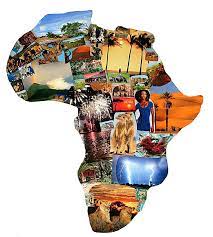
Promoting African Space Exploration: Embracing Technological Independence
Updated at: 2023-08-06 16:07:09 (2 years ago by Melkisedeck Leon Shine)
๐ Promoting African Space Exploration: Embracing Technological Independence ๐
Greetings fellow Africans! Today, I want us to embark on an extraordinary journey, a journey that will empower our beloved continent and propel us towards technological independence. It is time for us to shift our focus to the vast expanse of space and embrace the opportunities it holds for the African community. ๐
1๏ธโฃ Picture this: a future where Africa leads the world in space exploration, where our satellites orbit the Earth and provide vital data for weather forecasting, agriculture, and communication. This is not just a dream, but a tangible reality that we can achieve. Let us come together and make this vision a shared reality. ๐โจ
2๏ธโฃ To build our technological independence, we must first invest in our own capabilities. Let us tap into our rich pool of talent, harness the skills of our brilliant minds, and create an environment that fosters innovation and growth. By prioritizing education in science, technology, engineering, and mathematics (STEM), we can empower the next generation of African scientists and engineers to lead the way. ๐ง ๐ก
3๏ธโฃ Remember the wise words of Nelson Mandela: "Education is the most powerful weapon which you can use to change the world." Let us equip ourselves with knowledge and develop the skills necessary to excel in the field of space exploration. Together, we can build a future where Africa stands tall among the stars. ๐โจ
4๏ธโฃ However, we must also recognize the importance of collaboration and learning from the experiences of other parts of the world. Let us establish partnerships with countries that have already made significant advancements in space exploration. By sharing knowledge and resources, we can accelerate our own progress and avoid reinventing the wheel. ๐ค๐
5๏ธโฃ Take a moment to reflect on the achievements of great African leaders who fought for our independence. They had a vision, a dream of a united and prosperous Africa. Now it is our turn to carry their torch and build on their legacy. Let us honor their memory by striving for excellence and unity in our pursuit of space exploration. ๐๐ฅ
6๏ธโฃ In our quest for independence, let us not forget the importance of sustainability and self-reliance. By developing our own space technologies and manufacturing capabilities, we can reduce our dependence on foreign aid and establish Africa as a powerhouse in the global space industry. ๐๐ช
7๏ธโฃ Just as the lion is the king of the African savannah, let us become the guardians of our own destiny. Let us cultivate a strong intention to build an independent and self-reliant Africa community. Together, we can overcome any obstacles and reach for the stars. ๐ฆโจ
8๏ธโฃ My fellow Africans, I urge you to take this call to action seriously. Share this article with your friends and family, and let us ignite a spark in every African heart. Together, let us build a future where Africa soars among the galaxies, a future where our space exploration endeavors inspire the world. ๐๐๐ซ
So, are you ready to join hands and embark on this extraordinary journey? What steps will you take to promote African unity and embrace our technological independence? Share your thoughts, ideas, and aspirations below. Together, let us shape the future of African space exploration! ๐โจ
Don't forget to share this article with others who are passionate about Africa's progress. Together, we can make a difference! ๐๐
Updated at: 2023-08-06 16:07:10 (2 years ago by Melkisedeck Leon Shine)
Promoting African Cultural Exchanges: Celebrating Independent Identity โจ๐
Greetings my fellow Africans! Today, I want to share with you the importance of promoting our unique African cultural exchanges and celebrating our independent identity. As we embark on this journey, let us remember the words of our great leaders who have guided us towards self-reliance and unity. Together, we can build a stronger and more prosperous Africa.
1๏ธโฃAfrica is a continent rich in diversity, with countless cultural traditions and practices that have shaped our history and continue to define our identity. By promoting African cultural exchanges, we can celebrate our heritage and showcase the beauty and richness of our traditions to the world. Let us embrace our differences and find strength in our unity.
2๏ธโฃTo build an independent and self-reliant Africa, it is crucial for us to invest in our own resources and talents. Let us support local artisans, entrepreneurs, and businesses, as they are the backbone of our economy. By buying African-made products and services, we can contribute to the growth and development of our communities.
3๏ธโฃEducation is key in empowering our people and strengthening our continent. Let us prioritize the education of our children, ensuring they have access to quality education that fosters critical thinking, innovation, and creativity. Through education, we can equip future generations with the tools they need to lead Africa towards a brighter future.
4๏ธโฃIn order to promote African unity and self-reliance, we must also look beyond our borders and foster collaborations with our brothers and sisters from other parts of the world. By learning from their experiences and sharing our own, we can build a global network that supports our common goals of progress and development.
5๏ธโฃLet us remember the wise words of Nelson Mandela, who once said, "It is in your hands to make a difference." Each one of us has the power to contribute to the growth and prosperity of Africa. Let us embrace this responsibility and take action towards building a more independent and self-reliant Africa.
In conclusion, my dear fellow Africans, let us come together and celebrate our independent identity. By promoting African cultural exchanges, investing in our own resources, prioritizing education, collaborating with others, and taking action, we can build a stronger and more prosperous Africa. Are you ready to join me on this journey towards self-reliance and unity? Share this article with your friends and family, and let us inspire one another to make a difference for our beloved continent. Together, we can achieve greatness! ๐๐ช๐พ๐ซ
Updated at: 2025-05-05 12:49:03 (11 months ago by Melkisedeck Leon Shine)
Africa, a continent rich in diverse cultures and abundant natural resources, possesses immense untapped potential for economic growth and societal advancement. This potential, however, remains largely unrealized due to systemic underinvestment in research and development (R&D). R&D, defined as the systematic investigation and application of knowledge to create new products, processes, and services, is the cornerstone of innovation-driven economies. This article explores the critical role of R&D investment in propelling Africa's economic transformation and achieving sustainable development goals. It will analyze the role of education, technological advancement, and collaborative efforts in unlocking this potential, framing these within established development theories and models.
The prevailing development paradigm of reliance on external solutions has historically constrained Africa's progress. This dependence inhibits the development of indigenous technological capabilities and the creation of self-reliant societies. Embracing endogenous development, a theory emphasizing internal capacity building, is crucial to fostering sustainable growth. Prioritizing R&D, therefore, represents a paradigm shiftโmoving away from dependence on external expertise towards a model focused on building internal capacity for innovation and problem-solving. This self-reliance is vital for achieving long-term economic independence and global competitiveness.
A significant investment in education, especially in Science, Technology, Engineering, and Mathematics (STEM) fields, is paramount. Human capital theory underscores the importance of a skilled workforce as a driver of economic growth. Investing in robust STEM education cultivates a generation of skilled researchers, engineers, and innovators. This investment should not be limited to formal education; it should also encompass non-formal educational initiatives that promote creativity, critical thinking, and lifelong learning, aligning with principles of constructivist learning theories that emphasize experiential learning and knowledge construction.
The developmental trajectories of nations like South Korea and China provide compelling evidence supporting the causal link between R&D investment and economic growth. These countries leveraged significant investments in R&D to transition from low-income to high-income economies. Their experiences illustrate the effectiveness of targeted R&D strategies in fostering technological progress and boosting national competitiveness. The adoption of development strategies, informed by these examples and adapted to Africa's unique context, can accelerate sustainable development, informed by the principles of diffusion of innovation, which suggests that successful strategies can be adapted and implemented in new contexts.
Targeted R&D initiatives can directly address Africa's most pressing challenges across multiple sectors. In healthcare, R&D focused on neglected tropical diseases can lead to the development of effective treatments and vaccines tailored to Africa's unique epidemiological context. In agriculture, R&D can improve crop yields, increase resilience to climate change, and enhance food security, potentially leading to improvements in farmer incomes and reduced poverty, consistent with the principles of agricultural development economics. Further, investments in renewable energy technologies, such as solar, wind, and geothermal power, can ensure sustainable energy access for all, aligning with sustainable development goals and principles.
Pan-African collaboration is critical to maximizing the impact of R&D investments. The creation of a strong network for knowledge and resource sharing among African nations can unlock synergies and overcome geographical barriers to innovation. This collaborative approach is grounded in the principles of regional integration and collective action, maximizing economies of scale and reducing duplication of efforts. Overcoming obstacles to regional cooperation and fostering a shared vision for technological advancement is essential for achieving a unified and impactful R&D ecosystem.
Beyond governmental and institutional efforts, individual engagement is paramount. Supporting local R&D initiatives, mentoring young researchers, and advocating for policies that prioritize R&D investment are crucial steps in driving sustainable development. These actions foster a culture of innovation and contribute to building a self-reliant and prosperous Africa. This grassroots mobilization aligns with participatory development approaches that emphasize community involvement and ownership of development initiatives.
Investing in research and development is not merely a strategic imperative; it is a moral obligation. It represents an investment in the future well-being and prosperity of Africa's people. A concerted and sustained commitment to R&D is essential for unlocking Africa's immense potential, enabling it to take its rightful place as a global leader in innovation and sustainable development. This commitment requires a holistic approach encompassing education, technological advancement, strategic partnerships, and individual participation. By embracing these principles, Africa can chart a course towards a brighter and more prosperous future.
Conclusions and Recommendations: This analysis demonstrates the critical role of R&D investment in fostering Africa's sustainable development. Investing heavily in education, particularly STEM, is crucial for building a skilled workforce. Targeted R&D initiatives can address critical challenges in healthcare, agriculture, and energy. Pan-African collaboration is essential for maximizing the impact of R&D investments. Further research should focus on developing specific, context-appropriate R&D strategies for various African nations, taking into account diverse regional contexts and socio-economic factors. Additionally, studies assessing the impact of specific R&D initiatives on various development indicators would provide valuable data for policy formulation and program evaluation.
Updated at: 2025-05-13 10:53:47 (10 months ago by Melkisedeck Leon Shine)
This article explores the pivotal role of e-governance in fostering transparency and self-determination across the African continent. We will analyze key concepts such as e-governance (the application of information and communication technologies to government functions), transparency (openness and accountability in government operations), and self-determination (the ability of a nation or people to govern themselves without external interference), examining their interrelationship and practical application within the context of African governance. We will also draw upon relevant theories, such as the diffusion of innovations theory, the network governance model, and principles of good governance, to illustrate how these concepts can be implemented effectively.
Strengthening Accountability and Citizen Participation
E-governance offers a powerful mechanism to enhance government accountability and facilitate citizen participation in governance. By leveraging digital platforms, governments can establish transparent channels for communication, information dissemination, and feedback mechanisms. This aligns with the principles of participatory governance, where citizens are actively involved in policy formulation and implementation. The application of such systems fosters a sense of ownership and strengthens the legitimacy of government actions. For instance, online portals for budget transparency and citizen feedback mechanisms can be implemented, allowing citizens to monitor government spending and provide direct input on policy decisions. This approach directly addresses concerns of accountability and fosters a more inclusive and representative governance system.
Investing in Digital Infrastructure and Literacy
The successful implementation of e-governance hinges on robust digital infrastructure and a digitally literate populace. Investment in broadband internet access, reliable network connectivity, and digital infrastructure development across all regions of Africa is paramount. This echoes the principles of equitable access and the need to bridge the digital divide. Complementing this infrastructural development is a focus on digital literacy programs. These initiatives should be integrated into educational curricula at all levels, empowering citizens with the necessary skills to engage effectively with e-governance platforms and services. This approach reflects the importance of human capital development in achieving sustainable development goals and creating a digitally empowered citizenry.
Prioritizing Cybersecurity and Data Protection
The adoption of e-governance necessitates a robust cybersecurity framework to protect sensitive government data and citizen information. Implementing comprehensive cybersecurity measures, including data encryption, access control systems, and regular security audits, is crucial to maintain public trust and prevent data breaches. This aligns with the principles of data protection and privacy, which are essential for safeguarding individual rights in the digital age. Furthermore, adhering to international best practices in data protection and cybersecurity ensures alignment with global standards and enhances interoperability with international partners.
Fostering International Collaboration and Knowledge Sharing
Successful e-governance implementation often benefits from collaboration and knowledge exchange with international partners. By engaging in collaborative initiatives, African nations can learn from the experiences of other countries, adopting best practices and avoiding potential pitfalls. This approach leverages the principles of international cooperation and mutual learning, fostering a synergistic approach to addressing common challenges. Sharing best practices in areas such as digital infrastructure development, cybersecurity, and capacity building can significantly accelerate the process of e-governance implementation and enhance its effectiveness.
Conclusions and Recommendations
E-governance presents a significant opportunity to transform governance in Africa, promoting transparency, accountability, and citizen participation. Successful implementation requires a multifaceted approach encompassing investments in digital infrastructure, digital literacy programs, robust cybersecurity measures, and international collaboration. Further research should focus on evaluating the impact of e-governance initiatives on various socio-economic indicators, developing culturally appropriate digital literacy programs, and addressing the unique cybersecurity challenges faced by African nations. This research will provide evidence-based recommendations for policy makers to improve the effectiveness of e-governance in promoting self-determination and good governance across the continent. The impact of effective e-governance extends beyond improved transparency and efficiency. It fosters trust between citizens and their government, strengthens democratic institutions, and ultimately contributes to sustainable socio-economic development. Further research into the long-term effects of e-governance on various aspects of society, including social inclusion, economic development, and political stability, is crucial for informing future policy and investment strategies.
Reader Pool: What are the most significant barriers to widespread e-governance adoption in Africa, and how can these be effectively addressed through strategic partnerships and policy interventions?
Updated at: 2025-02-25 15:29:38 (1 year ago by Melkisedeck Leon Shine)
Access to clean water is a fundamental human right, yet millions across Africa lack this essential resource. This article explores a multi-faceted strategy for achieving universal clean water access, focusing on community empowerment and self-reliance โ a critical step towards a healthier, more prosperous future for the continent.
The challenge is significant. Millions of Africans endure the daily struggle of sourcing and using unsafe water, impacting health, education, and economic development. Overcoming this requires a concerted effort, a commitment to sustainable solutions, and a belief in the power of collective action. We must move beyond dependence and embrace self-sufficiency.
Sustainable Water Management: A Foundation for Self-Reliance
Sustainable water management practices are paramount. This includes implementing efficient irrigation techniques to minimize water waste in agriculture, a crucial sector across Africa. Rainwater harvesting systems, designed to capture and store rainwater for later use, are another vital component of this strategy. These systems provide a reliable source of water, reducing reliance on often unreliable centralized water sources. Furthermore, promoting water conservation practices at both community and individual levels is essential for long-term sustainability.
Investing in Local Water Purification: Technological Innovation for Accessibility
Technological advancements offer affordable and efficient water purification solutions tailored to community needs. Investing in locally-based purification systems empowers communities to manage their water resources independently. This approach reduces reliance on external aid and promotes self-sufficiency, a cornerstone of lasting change. The focus should be on solutions that are both cost-effective and easily maintainable by the community itself.
The Power of Education: Empowering Individuals and Communities
Education is a catalyst for change. Comprehensive awareness campaigns highlighting the importance of clean water and hygiene are critical. Training programs focusing on water management, sanitation practices, and the maintenance of purification systems equip communities with the knowledge and skills to manage their water resources effectively and sustainably. Empowering individuals with knowledge enables them to take ownership of the process and ensures the long-term success of any initiative.
Collaborative Action: Unity Across Borders
Addressing the clean water crisis demands a united front. Collaboration across borders and communities, transcending geographical and cultural differences, is crucial. Sharing best practices, resources, and technological innovations fosters a collective approach, amplifying the impact of individual efforts. This unified approach creates a powerful synergy, accelerating progress towards universal access to clean water.
Learning from Global Success Stories: Adapting Best Practices
Examining successful water management strategies from other regions, like Singapore and Israel, provides valuable insights. Adapting these innovative approaches to the unique contexts of African communities ensures the solutions are both effective and culturally relevant. This process of learning and adaptation accelerates progress and avoids replicating past mistakes.
Setting Clear Goals and Measuring Progress: A Data-Driven Approach
Establishing measurable goals for clean water access in each community provides a clear roadmap for progress. Tracking progress using data-driven methods allows for the evaluation of initiatives, the identification of challenges, and the timely adaptation of strategies. This approach ensures that resources are allocated effectively and that progress is demonstrable.
Celebrating Successes and Inspiring Action: Showcasing Positive Impacts
Highlighting successful initiatives like the Water for Life program in Morocco serves as inspiration. Showcasing the positive impact of community-led water projects motivates others and demonstrates the feasibility of achieving self-reliance. Sharing these success stories fosters a sense of optimism and encourages wider adoption of proven strategies.
Individual Action: The Catalyst for Change
Individual commitment is the driving force behind collective progress. Each person can make a difference by promoting awareness, supporting local initiatives, and advocating for policy changes that prioritize clean water access. Sharing this article, engaging in conversations, and supporting organizations dedicated to this cause are all powerful actions that contribute to creating a lasting impact.
Conclusion: A Collective Journey Towards a Brighter Future
Achieving universal access to clean water in Africa requires a holistic and collaborative approach. By embracing sustainable practices, fostering community empowerment, and leveraging technological advancements, we can create a healthier and more prosperous future for generations to come. Let's work together to ensure that every African has access to the clean water they deserve.
Share this article and join the movement for clean water access across Africa. Let us build a future where clean water is a reality for all.
Updated at: 2025-02-25 19:40:58 (1 year ago by Melkisedeck Leon Shine)
```htmlAfrica's economic future hinges on building robust and independent manufacturing sectors. For too long, we have relied heavily on imports, hindering our potential for sustainable growth and development. This reliance not only impacts our economic sovereignty but also limits job creation and wealth distribution across our continent. It's time to shift this paradigm and forge a path towards self-sufficiency, creating a thriving manufacturing landscape that benefits all Africans.
The benefits of bolstering local manufacturing are undeniable. Domestic production creates a ripple effect of positive economic activity. It generates jobs, stimulates innovation, and keeps valuable capital within our communities, fostering economic growth and reducing reliance on external funding. This internal investment fuels a virtuous cycle of development, enhancing the overall prosperity of African nations.
Achieving this ambitious goal requires a multifaceted approach. Investing in education and skills development is paramount. This means prioritizing technical and vocational training to equip the next generation with the expertise needed to thrive in a modern manufacturing environment. Equipping our youth with the necessary skills not only strengthens the workforce but also fosters a culture of innovation and entrepreneurship.
Strategic partnerships are equally crucial. Collaborating with international organizations and fellow African nations allows for the sharing of best practices, resources, and technological advancements. This collaborative spirit, embodying the Pan-African vision, accelerates progress and overcomes obstacles more effectively than any single nation could accomplish alone. By working together, we can leverage collective strengths and build a stronger, more resilient manufacturing sector across the continent.
Learning from successful global examples, such as China's remarkable industrial transformation, provides invaluable insights. Studying China's strategic planning, targeted investments, and supportive policies offers valuable lessons on how to effectively build manufacturing capabilities. Adapting these strategies to the unique context of individual African nations will be key to achieving similar successes.
Prioritizing key sectors for development is essential for efficient resource allocation. Identifying industries where Africa possesses a competitive advantageโbe it abundant natural resources or a skilled workforceโallows for focused investment and maximizes the potential for rapid growth. This targeted approach ensures that resources are utilized effectively and helps to establish thriving manufacturing hubs across the continent.
The transformation begins with a change in mindset. We must shift from a predominantly consumer-driven economy to one that actively promotes and supports local production. Buying African-made goods, supporting local entrepreneurs, and advocating for policies that foster domestic manufacturing are vital steps in creating the demand necessary to sustain this growth.
While the path to manufacturing independence is not without its challenges, the rewards are immeasurable. Each individual, community, and nation has a role to play. By actively supporting local businesses, investing in education, and advocating for sound industrial policies, we collectively contribute to building a self-reliant and prosperous Africa. This is a journey that requires sustained effort and collective action.
Let us initiate a conversation, share this vision, and inspire one another to take concrete action. By working together, promoting local industries, and fostering a culture of innovation, we can build a brighter future for generations to come. Let the story of African manufacturing be a testament to our collective strength, resilience, and unwavering commitment to economic empowerment.
The time for decisive action is now. Let us embrace this challenge, harness our collective potential, and build a self-reliant Africa where prosperity and opportunity flourish for all.
```
Updated at: 2025-02-23 09:58:23 (1 year ago by Melkisedeck Leon Shine)
Africa possesses unparalleled natural beauty and cultural richness, offering immense potential for eco-tourism. However, realizing this potential requires a strategic approach that prioritizes community empowerment and environmental sustainability. This article explores key strategies to build a self-reliant African community through eco-tourism, fostering both economic growth and environmental preservation. The path forward involves embracing independent conservation, leveraging technology, and learning from global best practices.
Local Ownership: The Cornerstone of Success
Sustainable eco-tourism hinges on local ownership and participation. By empowering local communities, we ensure that the economic benefits of tourism directly support their livelihoods, creating jobs, and driving local economic growth. This approach fosters a sense of pride and responsibility, transforming local communities into stewards of their natural heritage. This participatory model ensures that tourism development aligns with community needs and values, fostering genuine sustainability.
Investing in Education and Skills Development
Long-term success in eco-tourism necessitates a skilled and knowledgeable workforce. Investing in education and training programs equips communities with the essential skills for various tourism-related roles, from guiding and hospitality to sustainable resource management. By developing local expertise, we enhance the quality of tourism experiences while ensuring community members benefit from the industry's growth. This investment translates into improved service delivery, enhanced visitor satisfaction, and ultimately, a more sustainable tourism sector.
Harnessing Technology for a Greener Future
Technology plays a crucial role in promoting sustainable eco-tourism. Digital marketing strategies can effectively showcase Africaโs unique offerings to a global audience, while sustainable technologies in accommodation and operations minimize environmental impact. From implementing efficient energy systems to utilizing digital platforms for booking and communication, technology enables eco-friendly practices and enhances operational efficiency. This integration creates a more connected and environmentally conscious tourism sector, showcasing Africa's commitment to sustainability on a global stage.
Community-Based Tourism: Empowering Local Voices
Community-based tourism ensures that local communities are active participants in decision-making processes, ensuring their needs and aspirations are central to tourism development. This model fosters authentic experiences that celebrate the rich diversity of African cultures and traditions, offering visitors a deeper understanding and appreciation of local life. By empowering communities to shape their own tourism futures, we create a more equitable and sustainable tourism sector that benefits both visitors and locals alike. This collaborative approach guarantees the long-term preservation of cultural heritage and natural resources.
Learning from Global Best Practices
Successful eco-tourism models in countries like Costa Rica and Kenya provide valuable lessons. Their experiences demonstrate that responsible tourism can both protect natural wonders and boost economies. By adapting and integrating these successful strategies within the unique African context, we can accelerate the development of a vibrant and sustainable eco-tourism sector. Learning from others enables us to avoid potential pitfalls and accelerate the adoption of best practices.
Building a Sustainable Future for Africa
Eco-tourism offers a pathway towards a self-reliant Africa, where natural beauty and cultural heritage are preserved for future generations. By prioritizing community empowerment, investing in education, and embracing sustainable practices, we can create a tourism sector that benefits both people and the planet. This approach will ensure that Africaโs natural resources remain a source of pride and prosperity for years to come. The future of African eco-tourism lies in collaboration, innovation, and a shared commitment to building a sustainable and prosperous future.
Join the conversation! Share your ideas and insights on how we can collectively build a more sustainable and prosperous future for Africa through eco-tourism. Let us work together to unlock the full potential of this remarkable continent.
Updated at: 2025-02-24 17:34:08 (1 year ago by Melkisedeck Leon Shine)
```htmlAfrica, a continent of immense potential, boasts vibrant cultures, rich resources, and an indomitable spirit. To fully realize this potential, we must prioritize empowering our youth, fostering a generation defined by self-reliance and sustainable progress. This journey requires collective action and a shared vision for a thriving Africa.
Investing in Quality Education: The Foundation of Progress
Education forms the bedrock of individual and societal advancement. Providing access to quality educationโfrom primary school to higher learningโis paramount. Equipping our youth with essential knowledge and skills empowers them to navigate the complexities of a globalized world and contribute meaningfully to their communities. This investment isn't merely about individual success; it's about building a nation capable of solving its own challenges and driving innovation. A well-educated populace is a self-reliant populace.
Cultivating Entrepreneurship and Innovation: Unleashing African Ingenuity
Africa is a continent of resourceful problem-solvers. Fostering an entrepreneurial ecosystem that nurtures innovation and creativity is crucial. This requires supportive policies, access to funding, and mentorship programs that empower young entrepreneurs to transform ideas into viable businesses. By encouraging risk-taking and celebrating success, we can unlock the immense potential of African ingenuity and drive economic growth from within.
Sustainable Resource Management: Building a Green and Prosperous Future
Africa's natural resources are its invaluable assets. Responsible and sustainable management of these resources is not merely an environmental imperative; it's an economic necessity. Investing in renewable energy sources, sustainable agricultural practices, and responsible resource extraction will ensure long-term economic stability and environmental protection. A future built on sustainable practices is a self-reliant future.
Unity and Collaboration: Harnessing the Power of Collective Action
Africa's diversity is its strength. Building a self-reliant generation necessitates fostering a sense of unity and collaboration across borders and communities. By working together, sharing knowledge and resources, and celebrating our shared heritage, we can overcome challenges and achieve greater progress. A united Africa is a powerful Africa.
Global Engagement: Learning and Growing Together
While celebrating our unique African identity, we must also actively engage with the global community. Learning from best practices worldwide, adapting successful strategies, and sharing our own experiences will accelerate our progress. A global perspective enhances our ability to address challenges and build a more sustainable and self-reliant future.
A Call to Action: Shaping Africa's Future
The time for transformative change is now. Let us collectively empower Africa's youth, equipping them with the tools and opportunities needed to become the self-reliant leaders of tomorrow. By prioritizing education, fostering entrepreneurship, managing resources sustainably, cultivating unity, and engaging globally, we can build a continent that thrives on its own strength and independence. Join us in this endeavor; let's build a brighter future for generations to come.
Share this vision, ignite the spark of empowerment, and let's work together to build a self-reliant and prosperous Africa. Together, we can make a difference.
```
Updated at: 2025-05-13 13:01:50 (10 months ago by Melkisedeck Leon Shine)
This article examines key strategies for fostering sustainable economic development and financial independence within African nations. We will explore the application of relevant economic theories and models to real-world scenarios, offering a framework for policymakers and stakeholders to consider. Key concepts discussed include human capital development, entrepreneurship, infrastructure investment, regional integration, economic diversification, technology adoption, and knowledge transfer.
1. Human Capital Development: A Foundation for Growth
Investing in education and skills development is paramount. This aligns with the human capital theory, which posits that investments in education and training lead to increased productivity and economic growth. A skilled workforce is essential for attracting foreign direct investment (FDI) and driving technological innovation. Practical application includes prioritizing quality education at all levels, focusing on STEM fields and vocational training programs relevant to market demands. Furthermore, initiatives promoting lifelong learning and upskilling are crucial to adapt to evolving economic landscapes.
2. Fostering Entrepreneurship and Small and Medium-sized Enterprises (SMEs)
Entrepreneurship is a powerful engine for job creation and economic diversification. The Schumpeterian theory of innovation emphasizes the role of entrepreneurs in driving economic dynamism through creative destruction. Supporting SMEs through access to finance, business incubation programs, and streamlined regulatory frameworks is vital. Practical implementation includes establishing microfinance institutions, providing business development services, and fostering a culture that encourages risk-taking and innovation. This approach can significantly reduce unemployment and enhance economic resilience.
3. Strategic Infrastructure Investment: A Catalyst for Development
Adequate infrastructure is a fundamental prerequisite for economic growth. The Solow-Swan model highlights the role of physical capital accumulation, including infrastructure, in promoting economic output. Investing in transportation networks, energy infrastructure, and communication technologies creates a conducive environment for business operations and attracts FDI. This requires strategic planning, prioritizing projects with high economic returns, and leveraging public-private partnerships to mobilize resources effectively. Targeted investments in renewable energy infrastructure can also foster sustainable and environmentally friendly growth.
4. Regional Integration and Intra-African Trade: Synergistic Growth
Regional integration promotes economic efficiency and reduces transaction costs. The theory of comparative advantage suggests that specializing in and trading goods and services based on relative efficiency leads to mutual gains. Promoting intra-African trade through the elimination of tariff and non-tariff barriers, harmonization of standards, and improved regional payment systems is essential. This can be achieved through strengthened regional economic communities and collaborative efforts to build critical infrastructure that connects different markets across the continent.
5. Economic Diversification: Reducing Vulnerability
Over-reliance on a single industry or commodity exposes nations to significant economic risks. Diversification reduces vulnerability to external shocks and price volatility. Exploring new sectors like technology, renewable energy, tourism, and value-added agriculture can enhance resilience. This strategy requires identifying comparative advantages, investing in research and development, and fostering a business environment that encourages innovation and investment in diverse sectors.
6. Knowledge Transfer and Learning from Best Practices
Learning from other countries' experiences is crucial. The diffusion of innovation theory suggests that knowledge and technology transfer can accelerate development. This involves identifying successful development models, adapting best practices to local contexts, and leveraging international collaborations to access expertise and technology. This approach necessitates a strategic selection of models appropriate to the specific challenges and opportunities faced by each nation.
7. Leveraging Technology for Transformation
Technology plays a transformative role in modern economies. The theory of endogenous growth emphasizes the role of technological progress in driving long-run economic growth. Adopting digital technologies can improve efficiency, enhance access to financial services, and boost productivity across sectors. This includes investing in digital infrastructure, promoting digital literacy, and fostering an innovation ecosystem that supports technology entrepreneurship and the adoption of new technologies.
Conclusions and Recommendations
Achieving sustainable economic development in African nations requires a multifaceted approach that integrates the strategies outlined above. Policymakers need to prioritize investments in human capital, foster a conducive environment for entrepreneurship, strategically invest in infrastructure, promote regional integration, diversify economies, actively seek knowledge transfer, and leverage technology for transformative growth. Success depends on strong governance, effective policy implementation, and a collaborative effort involving governments, the private sector, and civil society. Further research is needed to tailor these strategies to specific country contexts, considering unique challenges and opportunities, and measuring the effectiveness of different policy interventions to refine future strategies. The impact of these strategies will be a significant reduction in poverty, increased economic growth, and enhanced social well-being across the continent.
Reader Pool: What specific policy reforms and institutional changes are necessary to effectively implement these strategies and overcome the challenges to achieving sustainable economic development in African nations?
Updated at: 2025-06-19 15:12:18 (9 months ago by Melkisedeck Leon Shine)
Africa's rich history showcases inherent community-based governance systems, characterized by collaborative decision-making and resource management. This foundation offers a potent springboard for modern strategies aimed at strengthening local governance and fostering self-reliant communities. By strategically integrating this historical legacy with contemporary methodologies, Africa can attain sustainable development and local economic empowerment. This requires a holistic strategy encompassing institutional capacity building, inclusive community participation, and equitable resource allocation. The following strategies, informed by established development theories and practical applications across diverse contexts, offer a robust framework for building self-sufficient local governance structures across Africa. These strategies are interwoven and mutually reinforcing, contributing to a holistic community development approach.
Conclusions and Recommendations: Empowering local governance in Africa demands a comprehensive, multi-pronged approach integrating institutional strengthening, community participation, and sustainable development principles. The strategies presented provide a robust framework for achieving local self-reliance. Future research should focus on understanding contextual factors influencing strategy effectiveness and developing culturally sensitive implementation strategies. Continuous monitoring and evaluation are vital for ensuring impact and achieving desired outcomes. Success hinges upon strong political will, collaborative partnerships, and a shared commitment to building resilient and prosperous communities. A critical next step is the development of tailored implementation roadmaps for different African contexts, considering unique cultural, economic, and political factors.
Reader Pool: How can the inherent complexities and diverse contexts within African communities be effectively navigated to ensure the equitable and sustainable implementation of these local governance strategies?