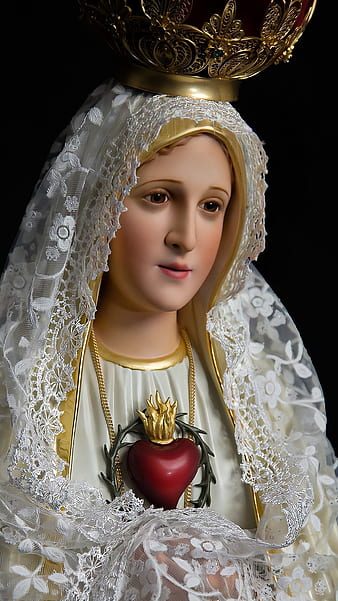
Mary, Our Mother of Hope in Times of Despair
Updated at: 2023-08-05 13:20:27 (2 years ago by Melkisedeck Leon Shine)
π Mary, Our Mother of Hope in Times of Despair π
In times of despair, when darkness seems to engulf our hearts, there is one source of comfort and hope that Christians turn to β Mary, the Mother of God. π
Mary holds a special place in the hearts of Roman Catholics and is revered as the Mother of all Christians. She is a beacon of hope, guiding us through the trials and tribulations of life. βͺ
Just as Mary gave birth to Jesus, the Son of God, she also brings forth hope into our lives. She is the one to whom we can turn to for solace and encouragement when all seems lost. πΉ
One biblical example of Mary's hope-giving presence is the wedding at Cana. When the wine ran out, Mary interceded on behalf of the couple and told the servants, "Do whatever he tells you" (John 2:5). Through her intercession, Jesus performed his first miracle, turning water into wine. π·
In times of despair, we can imitate Mary's trust and surrender to God's will. We can offer our struggles and hardships to her, knowing that she will present them to her Son on our behalf. Mary is our advocate and intercessor, continuously pleading for our needs before God. πΊ
The Catechism of the Catholic Church states that Mary's role as Mother of Hope is deeply rooted in her faith. She believed in God's promises, even in the most challenging circumstances. Her faith in God's plan for salvation gives us hope that He is always with us, even in our darkest moments. βοΈ
Throughout history, countless saints have testified to the power of Mary's intercession. Saint Maximilian Kolbe, a Roman Catholic priest and martyr, once said, "Never be afraid of loving the Blessed Virgin too much. You can never love her more than Jesus did." π
Mary's hope is not limited to a particular time or place. It extends to every corner of the world and to each of us individually. She is a mother to all, embracing us with her love and guiding us towards the light. π
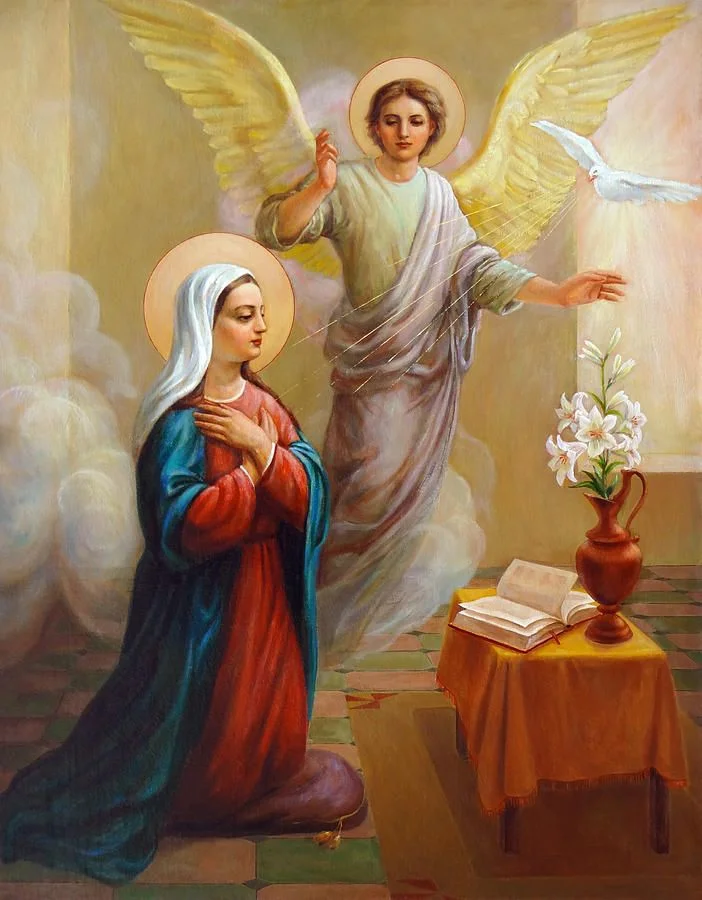
The Annunciation is another biblical event that reveals Mary's hope in God's plan. When the Angel Gabriel appeared to her, Mary responded, "Let it be done to me according to your word" (Luke 1:38). This surrender to God's will shows her unwavering trust and hope in His promises. ποΈ
As Christians, we can turn to Mary in times of despair, seeking her intercession and guidance. We can pray the Rosary, meditating on the mysteries of Christ's life and finding hope in the love and faithfulness of Mary. πΏ
The Bible encourages us to have hope in God, and Mary exemplifies this hope in its purest form. Romans 15:13 states, "May the God of hope fill you with all joy and peace as you trust in him so that you may overflow with hope by the power of the Holy Spirit." π
The saints have also emphasized the importance of turning to Mary in times of despair. Saint Padre Pio once said, "Love the Madonna and pray the Rosary, for her Rosary is the weapon against the evils of the world today." πΉ
Mary, Our Mother of Hope, invites us to trust in her loving intercession and to believe in the power of prayer. She is always ready to console and guide us, offering her motherly presence in times of despair. π
Let us not forget that Mary, as the Mother of God, holds a unique position in salvation history. She is not just a symbol of hope but a living testimony of God's love and mercy. We can find solace in her compassionate embrace and draw strength from her unwavering faith. πΊ
In conclusion, the presence of Mary, Our Mother of Hope in times of despair, offers us comfort, encouragement, and the assurance that we are never alone in our struggles. Let us turn to her with open hearts, seeking her intercession and trusting in her love. How has Mary, Our Mother of Hope, touched your life? Share your thoughts and experiences with us! πΉ
Updated at: 2023-08-05 13:20:08 (2 years ago by Melkisedeck Leon Shine)
Mary, Our Refuge in Times of Turmoil π
Mary, the beloved Mother of God, holds a special place in the hearts of Christians around the world. π She is not only a symbol of purity and grace but also a source of comfort and refuge in times of turmoil. πΉ
Just as a loving mother provides solace and protection for her child, Mary offers us a safe haven amidst the storms of life. π Her tender intercession can bring us peace and strength, helping us navigate through the challenging times we may face. πΊ
Throughout the Bible, we can find numerous examples of Mary's role as a refuge. In the Gospel of Luke, when the angel Gabriel appeared to her, she embraced her calling with unwavering faith, becoming the vessel through which God brought salvation to the world. πΏ
As a young girl, Mary must have faced immense uncertainty and fear when she was chosen to bear the Son of God. However, she trusted in God's plan and declared, "Behold, I am the handmaid of the Lord; let it be to me according to your word" (Luke 1:38). Her surrender to God's will teaches us the importance of trusting in His guidance even in the midst of turmoil. π
In the Gospel of John, we witness Mary's unwavering presence at the foot of the cross, where Jesus was crucified. Despite her own heartache, she stood as a beacon of strength and devotion, offering solace to her Son in His final moments. This exemplifies Mary's role as a refuge in times of deep sorrow and pain. πΉ
The Catechism of the Catholic Church beautifully describes Mary's role in our lives, stating, "By her complete adherence to the Father's will, to his Son's redemptive work, and to every prompting of the Holy Spirit, the Virgin Mary is the Church's model of faith and charity" (CCC, 967). Her unwavering faith serves as an inspiration for us to seek refuge in her loving embrace. πΊ
Saints throughout history have also recognized Mary's role as our refuge. Saint Bernard of Clairvaux once said, "In danger, in distress, in uncertainty, think of Mary, call upon Mary. She never leaves your lips; she never departs from your heart" π. This powerful statement reminds us of the constant presence of Mary in our lives, ready to offer us comfort and support.
Just as a loving mother guides her child through life's hardships, Mary guides us towards her Son, Jesus Christ. She intercedes for us before the throne of God, pleading for His mercy and protection. π
In the Gospel of John, Jesus, even in the midst of His suffering, ensures that Mary is cared for, saying to the disciple John, "Behold, your mother" (John 19:27). This moment emphasizes the profound importance of Mary as our spiritual mother and refuge. πΉ
The rosary, a beloved prayer in the Catholic tradition, allows us to seek solace and refuge in Mary's loving presence. As we meditate on the mysteries of Christ's life, we are reminded of Mary's unwavering faith and her ability to provide us with peace in times of turmoil. πΊ
The Virgin Mary, as Mother of God, remains a constant source of inspiration and refuge for Christians. She exemplifies the qualities of love, compassion, and faith that we strive to emulate in our own lives. π
Let us remember the words of Saint Maximilian Kolbe, who said, "Never be afraid of loving the Blessed Virgin too much. You can never love her more than Jesus did." π Our love and devotion to Mary can never overshadow our love for Jesus but rather deepens our relationship with Him. πΉ
In times of turmoil, turn to Mary with a humble and open heart. Seek her intercession and find peace in the shelter of her loving embrace. πΊ
Reflect on the words of Psalm 46:1, "God is our refuge and strength, a very present help in trouble." Mary, as a faithful disciple of God, leads us to this refuge and strengthens our faith in times of need. π
What are your thoughts and experiences with Mary as a refuge in times of turmoil? How has her presence in your life brought you comfort and strength? Share your thoughts below. ππΉπΊπ
Updated at: 2023-08-05 13:20:25 (2 years ago by Melkisedeck Leon Shine)
Title: Mary, Ark of the New Covenant: Bearing the Savior of the World
Introduction:
πβ¨πβ¨
As Christians, we hold a deep reverence for the Blessed Virgin Mary, the Mother of God. Her role in salvation history is one of great significance and her unwavering faith is an inspiration to us all. In this article, we will explore the beautiful title bestowed upon her - Mary, Ark of the New Covenant. Let's delve into why she is called such and how her unique role as the bearer of the Savior of the world fulfills the divine plan.
ππΉ
From the Annunciation to her acceptance of God's will, Mary played a pivotal role in God's plan for the salvation of humanity. Just as the Ark of the Old Covenant held the tablets of the Ten Commandments, Mary carried within her womb the Word made flesh, Jesus Christ.
πβοΈ
In the Old Testament, the Ark of the Covenant was considered holy and revered by the Israelites. It symbolized the presence of God among His people. Similarly, Mary, as the Ark of the New Covenant, carried within her the presence of God made flesh.
ππ
In the Book of Luke, we find the account of Mary's visit to her cousin Elizabeth. When Elizabeth heard Mary's greeting, she exclaimed, "Blessed are you among women, and blessed is the fruit of your womb!" (Luke 1:42) This echoes the words of King David in 2 Samuel 6:9, when he exclaimed, "How can the ark of the Lord come to me?" These parallels serve to highlight Mary's unique role as the Ark of the New Covenant.
π·πΌ
Mary, in her immaculate conception, preserved from all sin, provided the perfect dwelling place for Jesus. Just as the Ark of the Old Covenant was crafted with pure gold, Mary's purity made her a fitting vessel to carry the Son of God.
πβͺοΈ
From the earliest days of Christianity, the Catholic Church has held Mary in the highest regard. The Catechism of the Catholic Church states, "The Church's devotion to the Blessed Virgin is intrinsic to Christian worship." (CCC 971) Mary's role as the Ark of the New Covenant is central to this devotion.
ππ
Throughout history, numerous saints have expressed their devotion to Mary as the Ark of the New Covenant. Saint Ambrose wrote, "You are the vessel and tabernacle containing all mysteries." Saint Thomas Aquinas proclaimed, "Mary is the true Ark, because the flesh of Christ, the Bread of Life, has been contained in her."
β¨πβ¨
By embracing her role as the Ark of the New Covenant, Mary willingly carried the Savior of the world within her. She became the bridge between heaven and earth, bringing hope and salvation to all humanity.
π€±π
As the Mother of God, Mary's love and tender care for Jesus were unparalleled. Just as the Ark of the Old Covenant provided protection and shelter for the tablets of the Law, Mary protected and nurtured Jesus throughout His earthly life.
πΉπΉ
The Catholic Church teaches that Mary remained a perpetual virgin, even after giving birth to Jesus. This belief is based on biblical evidence, such as the angel's greeting to Mary, "Hail, full of grace!" (Luke 1:28) and Joseph's decision to take Mary as his wife without knowing her intimately (Matthew 1:18-25).
πβ¨
Mary's unwavering faith and obedience to God's will serve as an example for all believers. Her "Fiat" (Luke 1:38), her "Yes" to God's plan, teaches us the importance of surrendering ourselves to God's divine will.
πΉπ
The Catholic Church recognizes Mary as our powerful intercessor before God. Just as the Ark of the Old Covenant was a means of communicating with God, Mary's prayers and intercession bring us closer to her Son, Jesus Christ.
πΊπΊ
Just as the Ark of the Old Covenant was carried into the Promised Land, Mary, as the Ark of the New Covenant, continues to accompany us on our spiritual journey. She is the Mother of the Church, guiding and protecting us along the way.
π«π
Devotion to Mary brings immense joy, comfort, and spiritual graces. Our blessed Mother's love is a constant source of solace and inspiration. Through her intercession, we are drawn closer to the heart of her Son, Jesus.
πΉβοΈ
Mary's obedient "Yes" to God's plan played a vital role in our salvation. Through her cooperation, Jesus, the Savior of the world, was born into our midst, offering eternal life and redemption to all who believe.
β¨π·β¨
Mary, Ark of the New Covenant, holds a special place in our hearts and in the teachings of the Catholic Church. Her unique role as the bearer of the Savior of the world is a testament to her unwavering faith and love for God. Let us turn to her in prayer, seeking her intercession and guidance, as we strive to follow her example of trust and surrender to God's will.
What are your thoughts on the significance of Mary as the Ark of the New Covenant? How has devotion to her impacted your spiritual journey?
Updated at: 2025-06-19 15:28:34 (11 months ago by Melkisedeck Leon Shine)
```htmlMary's Intercession: A Pathway to Divine Grace
Introduction
Within the framework of Catholic theology, the Virgin Mary, Mother of God, occupies a position of profound reverence and devotion. This stems from her unique relationship with Jesus Christ and the belief in her capacity to intercede on behalf of humanity. This exploration delves into the theological underpinnings of Marian intercession, examining its significance as a conduit to experiencing divine grace. Key concepts analyzed include the theological understanding of intercession, the role of Mary within the ecclesiology of the Catholic Church, and the application of Marian devotion in personal spiritual growth. The concept of *grace*, as understood within Catholic tradition, refers to the free and undeserved gift of God's love and divine assistance, enabling spiritual growth and salvation. Intercession, in this context, is the act of praying on behalf of another, invoking divine assistance for their needs. This article will demonstrate how the concept of Mary's intercession functions within a robust theological framework and how this impacts the lived experience of Catholic believers.
1. Mary's Unique Filial Relationship with Christ
The cornerstone of Mary's role as intercessor rests upon her singular status as the Mother of God (Theotokos), a title formally affirmed by the Church. This unique maternal bond with Jesus Christ provides the basis for her intercession. Applying the sociological concept of kinship and patronage, Mary's relationship with Jesus forms a powerful network of influence. Just as a mother advocates for her child, Mary's maternal intercession for humanity draws upon this intimate connection, enabling a pathway for divine grace.
2. Mary as a Model of Humility and Obedience
Mary's unwavering humility, exemplified in her acceptance of God's will ("Behold, I am the handmaid of the Lord; let it be to me according to your word" - Luke 1:38), serves as a potent model for believers. Her humble obedience to the divine plan underscores the importance of surrender and receptivity to God's grace. This aligns with the theological virtue of humility, a key component of spiritual maturity and a prerequisite for receiving divine grace. The virtue of humility, understood through the lens of virtue ethics, promotes self-awareness and a recognition of one's dependence on God's grace.
3. The Wedding at Cana: A Manifestation of Intercessory Power
The miracle at the Wedding at Cana (John 2:1-11) provides a powerful illustration of Mary's intercessory capacity. By bringing the needs of the wedding party to Jesus, Mary facilitates the first miracle in the Gospel of John. This narrative exemplifies the effectiveness of Mary's intercession as a means of obtaining divine intervention and grace. Analyzing this event through the lens of narrative theology, we can identify it as a pivotal moment demonstrating the efficacy of prayer and faith and Mary's role in fostering divine intervention.
4. The Rosary: A Structured Practice of Marian Devotion
The Rosary, a traditional Catholic devotion, provides a structured framework for contemplating the life of Christ through the lens of Mary. Each Hail Mary serves as a petition for her intercession, effectively connecting the believer with Jesus. Applying the principles of contemplative prayer, the Rosary functions as a meditative practice that fosters a deeper relationship with both Jesus and Mary, promoting spiritual growth and a greater receptivity to divine grace. The repetitive nature of the Rosary may be understood through the psychological lens of mindfulness practice, promoting inner peace and spiritual awareness.
5. Mary as the New Ark of the Covenant: A Symbol of God's Presence
The Catholic Church views Mary as the "New Ark of the Covenant," signifying her role as a vessel of God's presence and grace. The Catechism of the Catholic Church highlights Mary's complete adherence to the Father's will, echoing the theological concept of divine election and the importance of faithful obedience. In comparing her to the Ark of the Covenant from the Old Testament, we understand Mary as a living symbol of the presence of God within the Church, connecting humanity to the divine through her intercession.
6. The Witness of Saints: Historical Evidence of Marian Intercession
The profound devotion to Maryβs intercession throughout history, as evidenced by the testimonies of numerous saints, strengthens the belief in her powerful influence. The accounts of saints such as Saint Maximilian Kolbe demonstrate the widespread acceptance and effectiveness of this aspect of Marian piety. Examining these accounts offers valuable insights into the historical development and the enduring significance of Marian devotion in the Catholic Church. This resonates with the historical-critical method, providing insight into how Maryβs role has been interpreted and experienced across centuries.
7. Marian Apparitions and Messages: Contemporary Manifestations of Grace
Approved Marian apparitions, such as those at Lourdes and Fatima, reinforce Mary's ongoing role as an intercessor. These apparitions often convey messages of faith, repentance, and hope, inviting believers to experience the transformative power of God's grace. Applying the principles of religious studies and phenomenology, these apparitions can be interpreted as powerful expressions of religious experience and provide compelling evidence for the ongoing relevance of Marian devotion.
8. The Assumption: A Celebration of Mary's Glorified Intercession
The dogma of the Assumption, proclaiming Mary's bodily and spiritual ascension into heaven, underscores her unique place within God's plan of salvation. This event highlights Mary's continued intercession from a state of eternal glory, providing assurance of her ongoing capacity to mediate on behalf of humanity. This dogma, understood within the framework of systematic theology, provides a powerful affirmation of Mary's elevated status within the Church and her unwavering role in mediating God's grace.
9. Mary's Role within the Mystical Body of Christ
Mary's participation in Christ's redemptive work establishes her as a spiritual mother to all believers. This concept underscores the integral role of Mary within the Mystical Body of Christ. Catholic theology positions her as a model of faith, charity, and obedience, serving as a guiding figure for all who seek a deeper relationship with God. Applying ecclesiological frameworks, we observe her role as a mediating figure between humanity and Christ, facilitating access to divine grace within the community of faith.
10. The Efficacy of Mary's Intercession: Trust and Confidence in Divine Action
Maryβs intercession's efficacy stems from her uniquely close relationship with Jesus. Turning to her with trust and confidence reflects faith in her capacity to guide us toward Godβs grace, invoking the concept of *fides implicita*, or implicit faith. This illustrates the powerful dynamic of intercessory prayer and the unwavering belief in the effectiveness of turning to Mary for divine help. Understanding this through the lens of pastoral theology reinforces the importance of faith and trust in spiritual practice.
Conclusion and Recommendations
The theological exploration of Mary's intercession reveals a profound and multifaceted role within Catholic spirituality. Her unique relationship with Jesus, coupled with her exemplary humility and obedience, provides a compelling framework for understanding her capacity to intercede on behalf of humanity. Through devotions such as the Rosary, and the contemplation of her life, believers can actively cultivate a deeper relationship with God, experiencing His grace and mercy. Further research could explore the psychological and sociological impacts of Marian devotion, examining its influence on individual spiritual development and community cohesion. The efficacy of Mary's intercession, as understood through the lens of theological reflection and the rich tapestry of Catholic tradition, offers a powerful pathway for believers to encounter the transformative power of divine grace and to deepen their relationship with God through the mediating influence of Mary.
Reader Pool: What are the potential limitations or criticisms of the concept of Mary's intercession, and how might these be addressed within a contemporary theological context?
```
Updated at: 2025-06-05 11:00:28 (11 months ago by Melkisedeck Leon Shine)
```htmlIntroduction: This discourse examines the multifaceted role of Mary, the Theotokos (God-bearer), within the Holy Family, focusing on her significance as both mother and exemplary figure for Christian discipleship. We will analyze her role through established theological frameworks, including the concept of divine motherhood, Marian piety, and the application of virtue ethics. Key concepts such as *divine motherhood*, *perpetual virginity*, *intercession*, and *Marian devotion* will be defined and applied to illuminate Mary's influence on Christian faith and practice.
Mary's Divine Motherhood and the Incarnation: The Annunciation narrative (Luke 1:26-38) marks a pivotal moment in salvation history. Gabriel's announcement of Mary's conception of Jesus, the Son of God, establishes her unique role as Theotokos. This title underscores not merely biological motherhood but a profound participation in the divine economy of salvation. The incarnation, the pivotal event of Christian theology, is intrinsically linked to Mary's acceptance of God's will, illustrating her complete surrender and profound faith. This event highlights the synergistic relationship between divine grace and human free will, a central theme in theological anthropology.
Perpetual Virginity and the Uniqueness of Mary's Motherhood: The doctrine of Mary's perpetual virginity, while debated throughout history, holds theological significance. Matthew 1:25 emphasizes Joseph's abstention from intimacy with Mary until after the birth of Jesus. This reinforces the unique nature of Jesus' conception and birth, highlighting his divine origin and Mary's role as a vessel of God's grace, devoid of any earthly conception. This unique role positions her as an exceptional figure in Christian theology, challenging common understandings of human procreation and divine intervention.
Mary's Exemplary Faith and Obedience: Mary's *fiat* ("let it be," Luke 1:38) encapsulates her unwavering faith and complete submission to God's will. This embodies the virtue of obedience, a cornerstone of Christian ethics. Her response demonstrates the ideal of Christian discipleship: a life characterized by trust, humility, and unyielding devotion to God's plan, even in the face of the unknown. This can be analyzed using virtue ethics frameworks, highlighting Mary's embodiment of theological virtues such as faith, hope, and charity.
Mary's Intercessory Role and the Communion of Saints: Mary's intercession, as evidenced in the Wedding at Cana (John 2:1-11), establishes her role as a powerful advocate for humanity before God. This concept aligns with the doctrine of the Communion of Saints, which posits an ongoing communion between believers on earth, in purgatory, and in heaven. Mary's intercession is not understood as bypassing Christ's mediation but rather as a powerful demonstration of the interconnectedness of the faithful and their access to divine grace through Christ, facilitated by Mary's unique position.
Mary's Compassion and Motherly Love: Mary's compassion, evident in her unwavering support of Jesus throughout his life and ministry, especially during his suffering, serves as a powerful example of unconditional love. Her enduring presence at the foot of the cross (John 19:25-27) illustrates not just maternal sorrow but a profound identification with her Son's redemptive suffering and an acceptance of the implications of His sacrifice for humanity. This can be interpreted using attachment theory, highlighting the enduring bond between mother and son and the profound impact of loss and sacrifice.
Mary's Humility and the Theological Virtue of Humilitas: Mary's Magnificat (Luke 1:46-55) reveals a profound sense of humility despite her elevated status. This emphasizes the virtue of *humilitas*βa recognition of one's dependence on God and a lack of self-aggrandizementβas a fundamental Christian virtue. By understanding this humility within a broader framework of virtue ethics, we can see Mary's life as a model for cultivating spiritual maturity and an appropriate relationship with God and others.
Marian Piety and its Theological Significance: Marian devotion has a long and rich history within Christianity. From early church fathers to contemporary theologians, Mary's role has been a subject of intense reflection and devotion. Understanding this devotion requires analyzing its theological underpinnings and differentiating it from problematic forms of Mariolatry. A proper understanding of Marian devotion emphasizes her role as a model of faith, not as an object of worship but a powerful intercessor leading us towards Christ. This devotional aspect can be studied through historical and sociological approaches to religion, exploring the cultural and social influences that shape Marian piety.
Conclusion and Recommendations: Mary's role within the Holy Family is profoundly multifaceted and richly significant for Christian faith and practice. Her exemplary life, characterized by unwavering faith, unconditional love, and profound humility, provides a potent model of Christian discipleship. Further research could explore the cross-cultural variations in Marian piety, examine the evolving theological interpretations of Mary's role, and analyze the psychological and spiritual benefits of Marian devotion. Understanding Mary's role through these various lenses illuminates the depth of her significance within the Christian narrative and provides valuable insights for spiritual growth and discipleship. Careful consideration should always be given to the correct theological context to avoid misunderstandings or misrepresentations of her role. By focusing on her role as a model of faith and obedience, we can derive profound spiritual lessons, strengthening our commitment to God and to others.
Reader Pool: How might a deeper understanding of Mary's role within the Holy Family contribute to a more robust understanding of Christian discipleship and spiritual formation?
```
Updated at: 2025-06-23 08:34:23 (10 months ago by Melkisedeck Leon Shine)
Mary's Sorrows: A Framework for Understanding and Coping with Grief
Introduction: Defining Grief and the Significance of Marian Piety
Grief, a complex emotional and psychological response to loss, is a universal human experience. While the specifics vary based on individual circumstances and cultural context, the core elements β sadness, anger, guilt, and yearning β remain consistent. Attachment theory illuminates the profound impact of loss on our relational bonds, highlighting the enduring connection we maintain even after death. Furthermore, coping with grief involves navigating various stages, a process often modeled by KΓΌbler-Ross's five stages of grief (denial, anger, bargaining, depression, acceptance), although it's important to remember that this is not a linear or universally applicable model. Within the Catholic faith, the Virgin Mary's life, marked by profound sorrow, offers a powerful framework for understanding and coping with grief. This exploration will delve into the Seven Sorrows of Mary, analyzing their theological significance and their practical application in providing solace and guidance during personal times of bereavement.
The Seven Sorrows of Mary: Theological and Psychological Dimensions
The Catholic tradition venerates the Seven Sorrows of Mary, each representing a significant moment of suffering in her life. These sorrows are not merely historical events; they offer profound theological insights into the nature of suffering, faith, and redemption. Analyzing them through the lens of vicarious trauma, we recognize that Maryβs experience of witnessing and enduring intense emotional pain offers a powerful empathy-building experience for those grappling with their own loss. The seven sorrows, explored below, provide a systematic pathway for understanding the multifaceted nature of grief and for finding meaning amidst personal suffering. The sequential nature of these sorrows facilitates a chronological understanding of the grief process, emphasizing the intertwining of pain and hope, despair and faith.
1. The Prophecy of Simeon: Anticipating Loss and Finding Faith in Uncertainty
Simeon's prophecy, foretelling a sword piercing Mary's soul, prefigures the immense suffering to come. This introduces the concept of anticipatory grief, the emotional distress experienced in anticipation of an impending loss. Through Mary's unwavering faith despite this foreboding, we learn the importance of maintaining hope and spiritual strength even in the face of foreseen adversity. This resonates with resilience theory, which posits that individuals can find strength and coping mechanisms to navigate challenging situations. Maryβs acceptance of Simeon's prophecy models proactive grief management, allowing for emotional preparation for future pain.
2. The Flight into Egypt: Navigating Trauma and Finding Security in Divine Providence
The flight into Egypt highlights the impact of trauma and the importance of seeking refuge and safety. This episode exemplifies the effects of displacement and the disruption of security. However, Mary's reliance on God's providence demonstrates the power of faith in overcoming adversity. This aligns with the concepts of post-traumatic growth, where individuals find strength and positive transformation after experiencing significant trauma, and the protective effects of secure attachment, demonstrating that even in the most challenging situations, faith and trust in God's plan can foster a sense of security and hope.
3. The Loss of the Child Jesus in the Temple: Confronting Separation Anxiety and Trusting God's Guidance
Maryβs anguish at losing Jesus in the Temple illustrates the intense emotional experience of separation anxiety and the overwhelming fear associated with potential loss. This emphasizes the importance of accepting vulnerability and trusting in divine providence. This resonates with the concepts of the stages of grief where the intensity of feelings can cause intense worry and fear. The eventual reunion demonstrates the importance of trust and faith, illustrating that even in moments of despair, divine guidance can lead to reconciliation and renewed hope.
4. Mary's Encounter with Jesus on the Way to Calvary: Experiencing Empathetic Sorrow and the Power of Shared Suffering
Witnessing Jesus' suffering on the road to Calvary represents an experience of empathetic sorrow and profound emotional pain. This sorrow exemplifies vicarious traumatization, where witnessing the trauma of another person deeply affects the observer. However, Mary's presence alongside Jesus underscores the power of shared suffering and the strength found in mutual support during moments of extreme hardship. This demonstrates that shared experiences can foster resilience and strengthen interpersonal bonds.
5. The Crucifixion: Confronting the Ultimate Loss and Finding Meaning in Sacrifice
The crucifixion represents the ultimate loss and the profound grief associated with witnessing the death of a loved one. This experience demonstrates the capacity for human resilience in the face of immeasurable pain. Through Mary's unwavering faith and acceptance, we see the process of finding meaning in sacrifice. This aligns with the concept of meaning-making, whereby individuals find ways to reconcile with and interpret traumatic events to foster growth and healing.
6. The Deposition from the Cross: Processing Loss and Embracing the Act of Tenderness
The deposition from the cross emphasizes the visceral nature of grief and the importance of acknowledging the physicality of loss. Mary's act of holding Jesus' lifeless body underscores the need for physical and emotional release. This allows for the cathartic expression of grief and the acceptance of the reality of death. This resonates with therapeutic approaches that emphasize the importance of rituals and physical actions in the grieving process.
7. The Burial of Jesus: Accepting the Finality of Death and Embracing Hope for Resurrection
The burial of Jesus represents the final stage of acceptance and the transition from grief to hope. Mary's faith in the resurrection demonstrates the spiritual resilience that allows individuals to move forward and find peace despite the loss. This connects with the concept of spiritual resilience, which highlights the role of spiritual beliefs and practices in fostering hope and coping with adversity. The burial marks the end of one chapter and the anticipation of a new beginning, fostering hope for the future.
Finding Solace and Strength Through Mary's Example
Mary's journey of sorrow offers a profound model for navigating grief. Her unwavering faith, resilience, and compassionate empathy provide comfort and guidance to those experiencing loss. By exploring her sorrows, we gain valuable insights into the multifaceted nature of grief and discover strategies for finding meaning, hope, and strength during challenging times. Her example emphasizes the importance of faith, community support, and acceptance in fostering healing and personal growth.
Conclusion: Recommendations and Future Research
Maryβs example provides a powerful lens for understanding and navigating grief within a spiritual framework. Further research could explore the effectiveness of incorporating Marian devotion into grief counseling, analyzing its impact on emotional well-being and spiritual resilience among bereaved individuals. The study could utilize qualitative methods, such as interviews and thematic analysis, to capture the lived experiences of individuals who find solace in Mary's example. This research could contribute to the development of culturally sensitive and spiritually informed grief support interventions, particularly within Catholic communities. The findings could inform pastoral care practices and provide valuable insights into the intersection of faith, spirituality, and psychological well-being in the grieving process.
Reader Pool: How might a deeper understanding of Mary's sorrows, framed within established psychological and theological frameworks, enhance our approaches to grief counseling and pastoral care?
Updated at: 2023-08-05 13:20:32 (2 years ago by Melkisedeck Leon Shine)
The Assumed Role of Mary as Our Heavenly Advocate π
Introduction πΉ As devoted Christians, we hold a special place in our hearts for the Blessed Virgin Mary, the Mother of God. Throughout history, Mary has been revered as a powerful intercessor and advocate for believers, and her assumed role as our Heavenly Advocate is a source of great comfort and inspiration for many.
Mary as the Mother of Jesus π Mary's unique role as the Mother of Jesus sets her apart from any other human being. The Bible clearly states that Mary was a virgin when she conceived Jesus through the power of the Holy Spirit (Luke 1:26-38). As Catholics, we believe that Mary's perpetual virginity is a testament to her holiness and her sacred role in God's plan of salvation.
The Assumption of Mary into Heaven π One of the most beautiful aspects of our faith is the belief in the Assumption of Mary into Heaven. This doctrine, which was declared by Pope Pius XII in 1950, teaches that Mary was taken body and soul into Heaven after her earthly life. It is a sign of her special favor with God and her role as the Queen of Heaven.
Mary's Intercession in the Wedding at Cana π§ One biblical example of Mary's intercessory role is found in the Wedding at Cana (John 2:1-11). When Mary realized that the hosts had run out of wine, she turned to Jesus and said, "They have no wine." Mary's simple plea led Jesus to perform his first miracle, turning water into wine. This event demonstrates Mary's powerful intercession on behalf of humanity.
The Rosary and the Hail Mary πΏ The practice of praying the Rosary is an integral part of our Catholic devotion to Mary. Each time we recite the Hail Mary, we are calling upon Mary to intercede for us. The words of this prayer are taken directly from the Bible, with the angel's greeting to Mary (Luke 1:28) and Elizabeth's words of praise (Luke 1:42) forming the core of the prayer. Through the Rosary, we entrust our intentions to Mary, our Heavenly Advocate.
The Catechism of the Catholic Church on Mary's Role π According to the Catechism of the Catholic Church (CCC 969), "This motherhood of Mary in the order of grace continues uninterruptedly from the consent which she loyally gave at the Annunciation and which she sustained without wavering beneath the cross." Mary's role as our Heavenly Advocate is closely linked to her motherhood in the spiritual order, as she continues to care for and intercede on behalf of all believers.
The Mediation of Mary and the Saints βͺοΈ While Mary holds a special place as our Heavenly Advocate, it is important to note that our devotion to her does not diminish our devotion to Jesus Christ. Mary's role as an intercessor does not mean that we bypass Jesus or worship her as a deity. Instead, we recognize her as a powerful mediator who points us always to her Son, leading us closer to Jesus through her prayers and example.
The Example of St. Maximilian Kolbe π The life of St. Maximilian Kolbe, a Polish Franciscan friar, serves as a beautiful example of Mary's role as our Heavenly Advocate. In the midst of the horrors of Auschwitz concentration camp during World War II, Kolbe selflessly volunteered to take the place of a fellow prisoner who was chosen to die. Throughout his imprisonment, Kolbe found solace and strength in his devotion to Mary, entrusting himself entirely to her care and intercession.
Mary's Fiat and Our Response π©βπ§βπ¦ Mary's humble response to the angel Gabriel's announcement at the Annunciation is a model for us all. She said, "Behold, I am the handmaid of the Lord; let it be to me according to your word" (Luke 1:38). Just as Mary willingly embraced God's plan for her life, we too are called to respond wholeheartedly to God's will. Through Mary's intercession, we can find the courage and grace to say "yes" to God's plan for us.
The Importance of Seeking Mary's Intercession π Mary's role as our Heavenly Advocate is a gift from God to His Church. When we seek her intercession, we are acknowledging our need for help and guidance in our spiritual journey. Just as a child turns to their mother for comfort and support, we can turn to Mary with confidence, knowing that she will always lead us closer to her Son, Jesus Christ.
The Glorious Assumption of Mary πΉ The Assumption of Mary into Heaven reminds us of the hope we have as believers. Mary's assumption signifies the fulfillment of God's promises and the victory of life over death. By her example, Mary shows us that through faith and obedience to God, we too can hope for the resurrection of our bodies and eternal life in Heaven.
Mary, Our Heavenly Advocate, and the Saints βοΈ In the Communion of Saints, we find a beautiful network of intercession. Just as we ask our fellow brothers and sisters in Christ to pray for us, we can also ask Mary and the saints to intercede on our behalf. Mary, as our Heavenly Advocate, stands at the forefront of this communion, leading us towards deeper union with God and drawing us closer to the saints who have gone before us.
The Words of St. Louis de Montfort π St. Louis de Montfort, a French priest and theologian, wrote extensively about Mary's role as our Heavenly Advocate. He said, "When the Holy Spirit, her spouse, finds Mary in a soul, He hastens there and enters fully into it. He gives Himself generously to that soul according to the place it has given to His spouse." Through our devotion to Mary, we invite the Holy Spirit to work powerfully within us.
Your Thoughts and Opinions? π As we reflect upon the assumed role of Mary as our Heavenly Advocate, it is important to consider our own beliefs and experiences. How has your devotion to Mary impacted your spiritual journey? Do you find comfort in seeking her intercession? Share your thoughts and opinions, and let us continue to grow in our love and understanding of the Blessed Virgin Mary.
Conclusion π In the Catholic faith, we cherish Mary as our Heavenly Advocate, recognizing her unique role in God's plan of salvation. Through her intercession, we find comfort, guidance, and inspiration on our spiritual journey. As we continue to deepen our devotion to Mary, let us draw closer to her Son, Jesus Christ, and strive to emulate her faith and obedience. May Mary, our Heavenly Advocate, continue to lead us always to the heart of God. Amen. ππΉ
Updated at: 2025-06-19 15:29:00 (11 months ago by Melkisedeck Leon Shine)
Article Title: Mary as a Paradigm of Faith and Intercession: Navigating Life's Adversities
Introduction:
This article explores the multifaceted role of Mary, the mother of Jesus, within the Catholic faith, focusing on her significance as a source of spiritual guidance and strength in confronting life's challenges. We will analyze her influence through various theological lenses, examining key doctrines and their practical applications in navigating personal adversity. Key concepts to be discussed include Marian doctrines (Immaculate Conception, Assumption), the concept of intercession, and the application of relevant theological principles such as divine grace and spiritual growth. We will further examine the practical application of these concepts through the lens of various devotional practices and historical examples.
Mary's Theological Significance and the Doctrine of Intercession:
Mary's unique position as the Theotokos (God-bearer) in Christian theology establishes her pivotal role. The doctrine of the Immaculate Conception, proclaiming her conception without original sin, highlights her purity and emphasizes her suitability as the vessel for the Incarnation. This concept, rooted in the theological principle of prevenient grace, suggests a divine preparation for her role in salvation history. Her unwavering faith and obedience, exemplified in her Magnificat (Luke 1:46-55), serve as a model of humble submission to God's will. Furthermore, the Catholic understanding of Mary's intercession builds upon her maternal relationship with Jesus. This intercession is not a bypassing of Christ, but rather a manifestation of the communion of saints, a powerful theological concept illustrating the interconnectedness of believers in their journey towards God. Similar to the concept of "advocacy" in secular settings, Mary's intercession provides solace and hope, echoing the comforting presence of a compassionate mother.
Mary as a Guide Through Adversity: Practical Application of Marian Devotion:
Mary's life, depicted in scripture and tradition, is replete with trials and tribulations. Her perseverance despite the uncertainties surrounding Jesus' birth and her unwavering support during his ministry and crucifixion serve as inspirational examples. Applying a cognitive-behavioral therapy framework, we see Mary modeling adaptive coping mechanisms in the face of significant stressors. Her unwavering faith serves as a paradigm of resilience. Devotional practices like the Rosary, a form of contemplative prayer focusing on the mysteries of Christβs life, offer a structured approach to cultivating this resilience. The act of reciting the prayers and contemplating the events enhances mindfulness, promotes emotional regulation, and strengthens faith, drawing upon the principles of spiritual formation and the cultivation of virtuous habits.
Mary's Role in Apparitions and Messages: Examining Claims of Divine Revelation:
Numerous reported Marian apparitions throughout history, such as at Guadalupe and Fatima, have profoundly impacted faith and offered messages of repentance, hope, and conversion. While the Church evaluates such events rigorously, their enduring influence underscores the significance of Mary's perceived maternal presence. From a sociological perspective, these apparitions may be understood as expressions of collective hope and a desire for divine guidance during periods of societal upheaval, providing comfort and a sense of unity in times of crisis. The messages frequently emphasize prayer, penance, and devotion, reflecting a call for personal spiritual transformation.
Mary as Spiritual Mother and Her Representation in Art and Culture:
The concept of Mary as spiritual mother extends beyond her biological role. Jesus' entrusting her to John (John 19:27) signifies her role as a spiritual guide for all believers. This maternal role is underscored by social learning theory, where Mary acts as a role model and facilitates spiritual growth in her followers. The widespread representation of Mary in art and various devotional practices across different cultures, further highlights her importance. These artistic and cultural expressions serve as visual and emotional anchors for faith, enriching the spiritual experiences of believers and deepening their connection with Mary and the divine.
Conclusion and Recommendations:
Mary's role in Catholic theology is multifaceted and deeply significant. Her life, teachings, and reported apparitions provide a rich source of spiritual guidance, particularly in navigating life's difficulties. The principles of faith, resilience, and devotion, as exemplified by her life, can be effectively applied using various methods, including contemplative prayer, community engagement, and charitable works. Further research could explore the comparative effectiveness of Marian devotional practices on psychological well-being and their impact on social cohesion. Analyzing the psychological mechanisms underlying the perceived efficacy of Marian intercession could also provide valuable insights into the role of faith in coping with adversity. The enduring appeal of Marian devotion highlights the enduring human need for spiritual solace and maternal guidance. Understanding the theological framework and psychological implications of this devotion offers a pathway to further explore the intersection of faith and human experience.
Reader Pool:
Considering the multifaceted aspects of Maryβs role discussed in this article, how might a deeper understanding of Marian theology inform the development of effective pastoral care strategies?
Updated at: 2023-08-05 13:19:42 (2 years ago by Melkisedeck Leon Shine)
Mary, Star of the Sea: Guiding Us to Christ π
πΉ Mary, the Blessed Virgin, holds a special place in the heart of every Catholic. As the Mother of God and the epitome of virtue, she is a guiding light for all Christians on their journey to Christ.
π Just as sailors look to the stars to navigate their way across the vast ocean, we too can look to Mary, Star of the Sea, to guide us through the stormy seas of life towards our ultimate destination: eternal union with Christ.
π Throughout the Bible, we see Mary's unwavering faith and her deep love for God. From the Annunciation, where she humbly accepted her role as the mother of Jesus (Luke 1:38), to her presence at the foot of the Cross (John 19:25-27), Mary's life is a testament to her complete surrender to God's will.
π In Luke 1:48, Mary herself proclaims, "For he has regarded the low estate of his handmaiden. For behold, henceforth all generations shall call me blessed." It is through her humility and obedience that Mary became the vessel through which God chose to bring His Son into the world.
π The Catechism of the Catholic Church teaches us that Mary's role as the Mother of God goes beyond her physical motherhood. She is also the spiritual mother of all believers: "In fact, by her maternal charity, Mary cares for the brethren of her Son, who still journey on earth, surrounded by dangers and difficulties, until they are led into their blessed home" (CCC 975).
π Through her intercession, Mary constantly intercedes for us before her Son. Just as at the wedding at Cana, when she asked Jesus to perform His first miracle (John 2:1-11), Mary continues to bring our needs and petitions before Him.
ποΈ In times of darkness and doubt, Mary provides us with a beacon of hope. She reminds us of God's unfailing love and mercy, encouraging us to trust in His divine plan for our lives. Like a guiding star in the night sky, Mary leads us closer to Christ, who is the light of the world.
π The saints throughout history have turned to Mary as their spiritual mother and guide. Saint Maximilian Kolbe, a martyr of the Holocaust, once said, "Never be afraid of loving the Blessed Virgin too much. You can never love her more than Jesus did."
π The rosary, a powerful prayer that leads us to contemplate the mysteries of Christ's life, is a beautiful way to honor Mary. In this meditative prayer, we unite ourselves with Mary as we reflect on the joys, sorrows, and glory of her Son.
πΉ The Hail Mary, a prayer deeply rooted in Scripture, reminds us of Mary's role in our spiritual journey: "Hail Mary, full of grace, the Lord is with thee; blessed art thou among women, and blessed is the fruit of thy womb, Jesus" (Luke 1:28, 42).
π« As we call upon Mary's intercession, she leads us to Christ, just as she led the shepherds and wise men to the manger where Jesus was born. She is the shining star that points us towards the One who is the Way, the Truth, and the Life (John 14:6).
π Mary's guidance is not limited to moments of joy and celebration; she also walks with us in times of suffering and sorrow. Just as she stood at the foot of the Cross, Mary stands by our side, offering us comfort and strength in our trials.
π The saints, too, found solace in Mary's loving presence. Saint Louis de Montfort wrote, "The more the Holy Spirit finds Mary, His dear and inseparable spouse, in any soul, the more active and mighty He becomes in producing Jesus Christ in that soul."
πΊ In our devotion to Mary, we are not worshipping her, but rather honoring her as the Mother of God and acknowledging her unique role in our salvation. She is the Star of the Sea, guiding us to Christ and drawing us closer to His love and mercy.
π What are your thoughts on Mary, Star of the Sea? How has she guided you to Christ in your own spiritual journey? Share your experiences and reflections in the comments below. May Mary, our loving Mother, continue to intercede for us and lead us to her Son, now and forever. Amen. π
Updated at: 2023-08-05 13:19:37 (2 years ago by Melkisedeck Leon Shine)
π Mary's Role in the Life of Jesus and the Church π
Mary, the blessed Virgin Mother, holds a unique and significant role in the life of Jesus and the Church. She was chosen by God to be the vessel through which His Son would enter the world, and her obedience and faithfulness continue to inspire believers today.
As a devout Christian Catholic, I am deeply grateful for the example set by Mary. Her unwavering love and devotion to God's will are truly commendable. π
One of the most important aspects of Mary's role is her divine motherhood. She gave birth to Jesus, the Son of God, without losing her virginity. This miraculous event is a testament to her purity and sanctity. πΉ
The Bible clearly attests to Mary's unique role as the Mother of Jesus. In the Gospel of Luke, the angel Gabriel declares, "Hail, full of grace, the Lord is with you" (Luke 1:28). This angelic salutation acknowledges Mary's special favor with God.
Furthermore, Mary's humility is evident when she responds to the angel by saying, "Behold, I am the handmaid of the Lord; let it be to me according to your word" (Luke 1:38). Her willingness to submit to God's plan is an inspiration for all believers. β¨
Mary's role as the Mother of Jesus extends beyond His birth. She was present with Him throughout His life, from His infancy to His crucifixion. Mary's love and support were unwavering, even in the face of immense suffering. π
At the wedding in Cana, Mary intercedes on behalf of the wedding party when they run out of wine. Her simple yet powerful words to the servants, "Do whatever He tells you" (John 2:5), demonstrate her unwavering faith in her Son's divine power. π·
The Catholic Church recognizes Mary as the New Eve, who cooperated fully with God's plan of salvation. Just as Eve's disobedience brought sin into the world, Mary's obedience through her "fiat" brought the Savior into the world (CCC 494).
Mary's role in the Church extends to her intercession for the faithful. Catholics believe that Mary, being in heaven, can pray for us and bring our needs before her Son. She is a loving mother, always ready to intercede on behalf of her children. π
St. Louis de Montfort, a revered Catholic saint, beautifully captures Mary's role in the spiritual life when he says, "Our entire perfection consists in being conformed, united, and consecrated to Jesus Christ" through Mary (True Devotion to Mary).
The Catechism of the Catholic Church affirms Mary's intercessory role, stating that "her maternal intercession is shown in the Church" (CCC 969). This reminds us that Mary's love and concern extend beyond her earthly life and into the life of the Church.
In the Gospel of John, as Jesus hangs on the cross, He entrusts Mary to the care of the beloved disciple, saying, "Behold, your mother!" (John 19:27). This moment highlights Mary's role as the spiritual mother of all believers, including each one of us. π
Mary's life and example of faithfulness challenge us to live a life of surrender to God's will. Her "yes" to God's plan serves as a reminder for us to trust in His providence and embrace His calling in our own lives. πΊ
Catholics honor Mary with devotion, recognizing her unique and indispensable role in salvation history. By honoring Mary, we honor Jesus, who chose her to be His mother, and we recognize the significance of her intercession in our spiritual journey. π
What are your thoughts on Mary's role in the life of Jesus and the Church? How has her example influenced your own faith journey? Share your insights and experiences below! π