Mary's Assumed Role as Queen of Heaven
Updated at: 2023-08-05 13:19:32 (2 years ago by Melkisedeck Leon Shine)
π Mary's Assumed Role as Queen of Heaven π
When it comes to the role of the Virgin Mary, there is no denying the immense love and devotion that Catholics hold for her. At the center of this devotion is Mary's assumed role as the Queen of Heaven. But what does this title mean and why is it so significant in Christian Catholic spirituality?
1οΈβ£ According to Catholic belief, Mary's assumption into Heaven is a testament to her special place in God's plan for salvation. Just as Jesus ascended into Heaven after his resurrection, Mary, the Mother of God, was also assumed into Heaven, body and soul.
2οΈβ£ The assumption of Mary is not explicitly mentioned in the Bible, but it is deeply rooted in tradition and supported by biblical evidence. For instance, in the book of Revelation, we read about a woman crowned with twelve stars who gives birth to a male child. This woman is often interpreted as Mary, symbolizing her exalted status in Heaven.
3οΈβ£ The Catechism of the Catholic Church teaches that Mary's assumption is a "singular participation" in her Son's resurrection and an anticipation of the future resurrection of all believers. This elevates her to a unique position among the saints and confirms her role as Queen of Heaven.
4οΈβ£ Throughout the centuries, numerous Catholic saints and theologians have written about Mary's queenship. Saint John Damascene, for example, referred to her as the "Queen of all creation." Saint Louis de Montfort described her as the "Queen of saints" and the "Queen of angels."
5οΈβ£ In Catholic spirituality, Mary's queenship is seen as a reflection of her close relationship with Jesus and her role as the Mother of God. Just as a queen holds a special place of honor and authority in a kingdom, Mary holds a unique position of intercession and mediation before her Son.
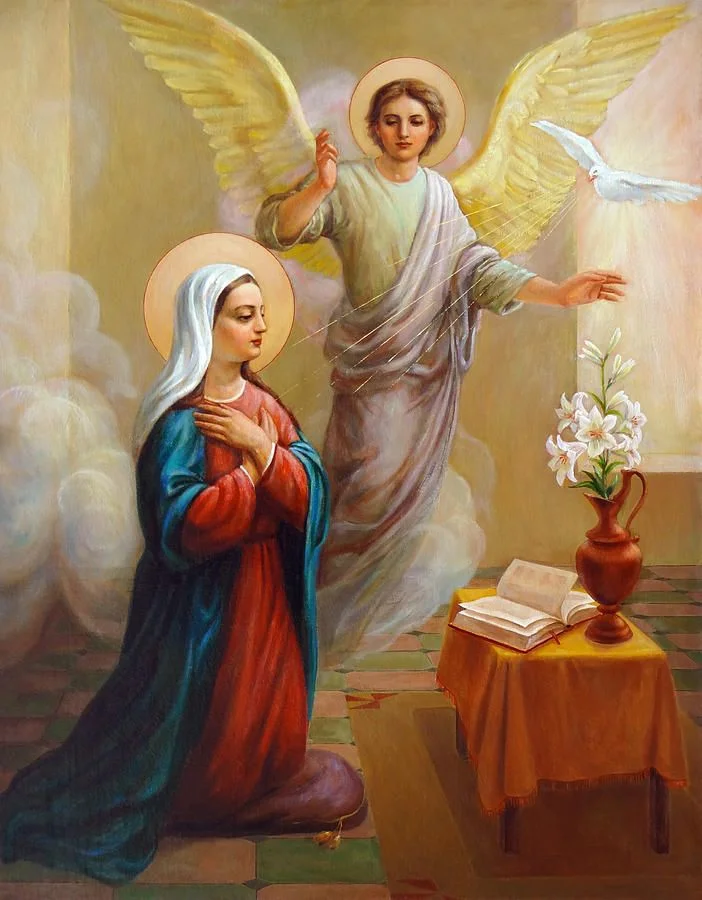
6οΈβ£ In the Gospel of Luke, the angel Gabriel greeted Mary with the words, "Hail, full of grace, the Lord is with you" (Luke 1:28). This greeting emphasizes Mary's unique role in God's plan and her holiness, which further supports her title as Queen of Heaven.
7οΈβ£ Mary's assumption and queenship are also connected to her perpetual virginity. Catholics believe that Mary, being the Mother of God, remained a virgin throughout her life and did not have any other children besides Jesus. This further emphasizes her purity and exalted status.
8οΈβ£ Jesus, in his infinite wisdom, entrusted Mary as our spiritual mother while he was dying on the cross. He said to John, "Behold, your mother" (John 19:27). This demonstrates Jesus' desire for us to turn to Mary as a motherly intercessor and advocate in our spiritual journey.
9οΈβ£ The early Church Fathers, such as Saint Augustine and Saint Jerome, also recognized Mary's queenship and her role as the New Eve. Just as Eve's disobedience brought sin into the world, Mary's obedience to God's will through her "yes" at the Annunciation reversed the effects of sin and brought forth salvation.
π The devotion to the Queen of Heaven is not meant to detract from the worship and adoration due to God alone. Instead, it serves as a way for Catholics to honor Mary as the most beloved and exalted creature, while acknowledging her unique relationship with her Son.
π Ultimately, the role of Mary as the Queen of Heaven invites us to deepen our relationship with her, seeking her intercession and following her example of faith and obedience to God. She stands as a powerful advocate for all believers, guiding us on our spiritual journey towards eternal life.
What are your thoughts on Mary's assumed role as Queen of Heaven? Do you find comfort and inspiration in her intercession and motherly love? Let us know your opinion!
Updated at: 2025-06-05 11:46:05 (11 months ago by Melkisedeck Leon Shine)
```htmlArticle Title: Mary, Mother of God and Intercessor: A Framework for Navigating Life's Adversities
Introduction: This article explores the multifaceted role of Mary, the Mother of God, within Catholic theology and its practical application in overcoming life's challenges. We will analyze Mary's significance through key theological concepts, examining her influence on faith, spiritual guidance, and the development of personal resilience. The concepts of intercession, maternal guidance, and the embodiment of virtues will be central to this analysis, demonstrating their relevance to contemporary life experiences.
1. Mary: The Theological Foundation of Intercession: Mary's unique position as the Mother of Jesus Christ is the cornerstone of Catholic Marian devotion. This status, established through biblical narratives and theological interpretation, establishes her as a potent intercessor. The concept of intercession, within the framework of Catholic theology, posits Mary's ability to present the prayers and petitions of believers to God. This is not a negation of Christ's unique mediatory role, but rather an understanding of Maryβs role in the divine economy of salvation, a role rooted in her profound relationship with Christ, exemplified in the events of the Gospels. This resonates with the sociological concept of social capital, whereby individuals leverage their relationships (in this case, Mary's relationship with God) to access resources and support for others.
2. Mary as a Model of Virtue and Resilience: Mary's life, as depicted in the Gospels and subsequent theological reflection, serves as a paradigm of virtues central to Christian living: humility, faith, obedience, and perseverance. Drawing upon virtue ethics, we can see Mary's unwavering faith amidst life's trials, from the annunciation to the crucifixion, as a model for cultivating resilience. This model is particularly relevant in contemporary society, where individuals face numerous stressors and challenges requiring the development of coping mechanisms grounded in spiritual and ethical principles. Mary's actions provide a concrete example of how to navigate difficult situations with faith, hope, and charity.
3. Marian Devotion and Spiritual Practices: The Rosary, a quintessential Marian devotion, provides a framework for contemplative prayer, focusing on the mysteries of Christ's life and Mary's role within them. This practice aligns with contemplative traditions that emphasize mindfulness and self-reflection, fostering spiritual growth and emotional regulation. Furthermore, the act of praying the Rosary facilitates the development of a sustained relationship with God through Mary, bolstering faith and strengthening coping mechanisms during times of adversity. The effectiveness of this practice can be linked to cognitive-behavioral therapy (CBT) principles that emphasize the power of positive affirmations and repetitive practices to shape one's emotional and psychological state.
4. Marian Apparitions and Their Contemporary Significance: Documented Marian apparitions, such as those at Lourdes and Fatima, offer significant insight into Mary's continued role as a spiritual guide. These events, often associated with messages of repentance, hope, and prayer, function as powerful reminders of the divine presence and Mary's maternal concern for humanity. Their continuing relevance lies in their capacity to foster spiritual renewal and community building within the Catholic faith, thereby increasing the psychological and emotional support available to believers. From a sociological perspective, these apparitions strengthen social cohesion and collective identity within Catholic communities.
5. Theological Doctrines and Their Implications: The dogmas of the Immaculate Conception and the Assumption of Mary provide a deeper understanding of her unique role in salvation history. These doctrines, rooted in centuries of theological reflection, highlight Mary's complete freedom from original sin and her ultimate glorification in heaven. The implications are not just theological but also offer profound spiritual insight for believers, emphasizing the possibility of holiness and the ultimate triumph of good over evil. These beliefs serve as a powerful source of hope and inspiration, supporting the belief that enduring suffering can lead to spiritual growth and eternal life.
6. Mary as Spiritual Mother and Guide: The concept of Mary as spiritual mother transcends a purely literal interpretation, representing a deeply significant relationship between the believer and God. This relationship is fostered through prayer, imitation of Mary's virtues, and a commitment to following Christβs teachings. The maternal image of Mary offers solace and comfort, promoting a sense of belonging and unconditional love that can strengthen spiritual resilience. This concept aligns with attachment theory, which emphasizes the importance of secure attachments for emotional well-being and personal growth.
Conclusions and Recommendations: This analysis demonstrates the profound impact of Mary's role within Catholic theology on fostering spiritual growth and resilience. Mary's intercession, her example of virtue, and her representation as a loving mother provide a powerful framework for navigating life's challenges. Further research could explore the psychological and sociological implications of Marian devotion, examining its effects on mental health, community cohesion, and the development of coping mechanisms in diverse populations. The application of interdisciplinary approaches, combining theological analysis with psychological and sociological perspectives, would enhance our understanding of Mary's enduring influence on believers.
Reader Pool: How might a deeper understanding of Maryβs role in Catholic theology inform the development of more effective pastoral care strategies for individuals facing personal crises?
```
Updated at: 2025-06-05 10:02:40 (11 months ago by Melkisedeck Leon Shine)
The Rosary: A Marian Contemplative Practice and its Theological Significance
Introduction: Defining Key Concepts
This essay explores the Rosary, a Catholic devotional practice, examining its theological underpinnings and spiritual efficacy. We will analyze its structure, focusing on the various sets of mysteries and their symbolic significance within the broader context of Marian theology and Christology. Key concepts include Marian devotion, the understanding of Mary's role in salvation history; Christocentricity, emphasizing Christ as the central figure; and contemplative prayer, a method of prayer focused on reflective meditation and union with God. We will draw upon relevant theological principles and models, including the concept of intercessory prayer and the role of the sacraments in the Catholic faith. The application of these concepts will be demonstrated through an analysis of the Rosary's structure and its impact on spiritual development.
The Structure and Significance of the Rosary Mysteries
The Rosary's structure is based on a cyclical pattern of prayers, primarily the Hail Mary, interwoven with meditations on specific events in the life of Jesus Christ, known as the Mysteries. This repetitive structure facilitates contemplative prayer, allowing for a deeper engagement with the narrative of salvation. The traditional mysteries are categorized into Joyful, Sorrowful, Glorious, and Luminous sets. Each set provides a unique lens through which to understand Christ's life, death, and resurrection. The Joyful Mysteries focus on the Incarnation and its immediate aftermath, highlighting God's grace and Mary's role in the divine plan. The Sorrowful Mysteries, conversely, emphasize the suffering of Christ, underscoring the significance of his sacrifice for humanity. The Glorious Mysteries celebrate the triumph of Christ over death and the promise of eternal life, drawing upon themes of resurrection and ascension. Finally, the Luminous Mysteries, added by Pope John Paul II, illuminate the public ministry of Jesus, emphasizing specific events that reveal his identity and mission.
Mary's Role as Intercessor and Spiritual Guide
The Rosaryβs structure integrates Marian devotion inherently. The recitation of the Hail Mary, a prayer invoking Mary's intercession, underscores her role as a model of faith and a powerful intercessor before God. This aligns with the theological concept of mediatrix, where Mary, as Mother of God, assists in bringing humanity closer to Christ. The Rosary's meditative structure facilitates personal reflection on Mary's life and her relationship with Jesus, allowing for emulation of her virtues and a deepening appreciation of her maternal role within the context of Christian faith. This resonates with theological models that emphasize the importance of spiritual mentorship and the emulation of virtuous figures.
The Rosary and Contemplative Prayer: A Path to Spiritual Transformation
The Rosary's repetitive structure and focus on meditative reflection facilitate contemplative prayer. The systematic engagement with the mysteries and the rhythmic repetition of prayers promote a state of mindfulness and interiority, allowing for a deeper connection with God and a heightened awareness of His presence in daily life. This aligns with the principles of contemplative prayer, which seeks to cultivate a deep communion with the divine through a process of reflective meditation and self-emptying. Regular practice of the Rosary can foster spiritual growth, leading to increased faith, hope, and love, thereby transforming the individual's relationship with God and others.
Biblical and Theological Foundations of Marian Devotion
The theological basis for Marian devotion is rooted in scripture and tradition. The Annunciation narrative (Luke 1:26-38) highlights Maryβs pivotal role in the Incarnation, while other biblical passages and patristic writings emphasize her unique status as the Mother of God. Doctrines such as the Immaculate Conception and the Assumption further solidify the understanding of Maryβs sanctity and her privileged position within the economy of salvation. These beliefs are supported by centuries of Catholic tradition and theological reflection, shaping the devotional practices, including the Rosary, that express veneration towards Mary. This historical context is crucial for understanding the significance of the Rosary within the broader framework of Catholic belief.
The Rosary in the Context of Catholic Tradition and Sainthood
The Rosary is deeply embedded in Catholic tradition and has been championed by numerous saints and theologians throughout history. Figures like Saint Louis de Montfort and Saint Teresa of Calcutta have testified to its spiritual efficacy and transformative power. Their writings and experiences illustrate the Rosary's capacity to deepen one's faith, provide solace in times of trial, and serve as a powerful tool for spiritual warfare, reinforcing the importance of this devotional practice within the broader context of Catholic spirituality. The historical witness of these figures strengthens the understanding of the Rosary's efficacy and supports its continued relevance in contemporary spiritual practice.
Conclusions and Recommendations
The Rosary, viewed through a theological lens, emerges not simply as a repetitive prayer, but as a potent tool for spiritual growth and transformation. Its structure facilitates contemplative prayer, allowing for deeper engagement with the life, death, and resurrection of Christ and the role of Mary in salvation history. The systematic meditation on the mysteries offers a rich tapestry of spiritual insights, fostering a closer relationship with both Jesus and Mary. Future research could explore the psychological and neurological effects of contemplative practices like the Rosary, investigating its impact on stress reduction, emotional well-being, and cognitive function. This could provide valuable insights into the multifaceted benefits of this traditional devotional practice. Promoting the Rosary as a means of contemplative prayer could enhance spiritual formation initiatives within various pastoral contexts.
Reader Pool:
Considering the theological framework presented, how might a deeper understanding of the Rosary's structure and symbolism contribute to a more meaningful and enriching spiritual practice?
Updated at: 2025-06-22 10:01:23 (11 months ago by Melkisedeck Leon Shine)
This essay examines the pivotal role of the Virgin Mary (Theotokos) within the Christian soteriological framework, employing theological principles and models to illuminate her significance. Key concepts such as soteriology (the study of salvation), Christology (the study of Christ), and Mariology (the study of Mary) will be explored, demonstrating their interconnectedness in understanding Mary's contribution to humanity's redemption. The analysis will move chronologically through key Marian events, interpreting them through established theological lenses.
Conclusions and Recommendations: This analysis demonstrates the profound and multifaceted role of the Virgin Mary within the Christian soteriological framework. Her significance extends beyond historical events, shaping theological doctrines and influencing Christian spirituality across diverse contexts. Further research could explore the evolving interpretations of Marian theology across different cultural and historical periods. Developing interfaith dialogues which explore shared understandings of motherhood and spiritual guidance would be invaluable. The integration of Marian themes within contemporary socio-political debates concerning justice and equality, and in promoting ecumenical dialogue could yield significant impact. The application of Mary's example of faith and compassion in addressing contemporary global challenges offers a path for increased societal reconciliation and healing. Her influence offers a potent model for fostering positive societal change.
Reader Pool: Considering the multifaceted interpretations and evolving roles attributed to the Virgin Mary throughout history and across various theological perspectives, what are the most significant challenges and opportunities in contemporary Marian theology?
Updated at: 2023-08-05 13:20:01 (2 years ago by Melkisedeck Leon Shine)
π Mary's Fiat: Trusting God's Plan Amidst Uncertainty π
Introduction: πΊ In times of uncertainty and doubt, it can be challenging to trust in God's plan for our lives. However, we can find solace and inspiration in Mary's Fiat, her complete surrender to God's will. Let us delve into the profound significance of this act and discover how it can guide us through our own journey of faith.
Mary's Fiat: A Perfect Example π Mary's Fiat, meaning "let it be done," is her response to the Angel Gabriel when he announced that she would conceive and give birth to the Son of God. In Luke 1:38, Mary says, "Behold, I am the handmaid of the Lord; let it be done to me according to your word." This humble acceptance demonstrates her unwavering trust in God's plan, even in the face of uncertainty.
The Power of Surrendering to God's Will π« Mary's Fiat teaches us that when we surrender to God's will, incredible things can happen. By embracing uncertainty and placing our trust in Him, we open ourselves up to His divine guidance and blessings. Just as Mary's faithfulness allowed her to become the Mother of God, our surrender can lead us to fulfill our unique purpose in His plan.
Finding Comfort in Mary's Example πΉ When faced with uncertainty, we can turn to Mary as our spiritual guide. Her unwavering trust in God's plan serves as a source of comfort and inspiration. Reflecting on her Fiat can remind us that, even in challenging times, God has a purpose for us and will never abandon us.
Biblical Examples of Trusting God's Plan π Throughout the Bible, we find numerous examples of individuals who trusted in God's plan despite uncertainty. Abraham's willingness to sacrifice his son Isaac (Genesis 22:1-19) and Joseph's journey from slavery to becoming a ruler in Egypt (Genesis 37-50) are just a few instances of God's faithfulness to those who have unwavering trust in Him.
The Catechism on Trusting God's Plan π The Catechism of the Catholic Church states, "Mary's faith never wavered" (CCC 149). It emphasizes her role as the perfect disciple and highlights the importance of imitating her trusting attitude. By following Mary's example, we can deepen our relationship with God and navigate the uncertainties of life with peace and hope.
Saints Who Embraced God's Plan π Many saints throughout history have embraced God's plan despite the uncertainties they faced. St. Therese of Lisieux, known as "The Little Flower," surrendered herself entirely to God's will, even in the face of illness. St. Francis of Assisi abandoned his privileged life to live in poverty and serve the poor. Their lives exemplify the power and beauty of trusting God's plan.
Living in the Present Moment π Mary's Fiat teaches us the importance of living in the present moment. Instead of worrying about the future or dwelling on the past, we are called to trust in God's plan for each moment of our lives. By doing so, we can find true joy and peace, regardless of the uncertainties we may encounter.
Embracing Uncertainty as an Opportunity π Rather than fearing uncertainty, we should view it as an opportunity for growth and deeper reliance on God. Just as Mary's Fiat allowed her to participate in the greatest plan of salvation, our surrender to God's will can lead us to unexpected blessings and graces.
Nurturing a Relationship with Mary πΉ As Catholics, we have the privilege of nurturing a relationship with Mary, our Mother. By turning to her in prayer, seeking her intercession, and meditating on her Fiat, we can develop a deep love and connection with her. Through this relationship, we can find guidance and strength to trust in God's plan amidst uncertainty.
Bible Verses on Trust and Surrender βοΈ
Reflecting on Mary's Fiat π Take a moment to reflect on Mary's Fiat and its implications for your own life. How can you imitate her trusting attitude and surrender to God's plan amidst uncertainty?
Conclusion: πΊ Mary's Fiat serves as a powerful reminder of the importance of trusting in God's plan, even when faced with uncertainty. By embracing her example, we can find peace, hope, and the courage to surrender ourselves entirely to His will. Let us seek God's guidance and strive to emulate Mary's unwavering faith and love for Him.
Updated at: 2023-08-05 13:20:14 (2 years ago by Melkisedeck Leon Shine)
πΉ Mary's Patronage of the Dying and Souls in Purgatory πΉ
Mary, the Mother of God, holds a special place in the hearts of Catholics worldwide. She is not only the mother of Jesus but also a powerful intercessor and patroness for various aspects of our lives. One of the areas where her patronage is particularly important is in the care and support of the dying and the souls in purgatory.
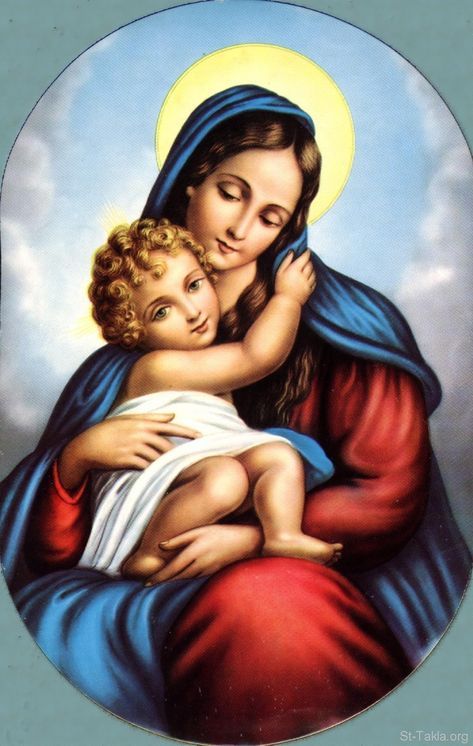
The Catholic Church teaches that Mary, as the mother of Jesus, has a unique and special role in the spiritual journey of every believer. Just as she stood by her son on the cross, she continues to accompany us in our moments of suffering and pain. Her maternal love and intercession are a source of comfort and hope for those who are nearing the end of their earthly lives.
π Mary's patronage of the dying is beautifully depicted in the story of the crucifixion. As Jesus hung on the cross, he entrusted his beloved disciple John to the care of his mother, saying, "Woman, behold your son." In that moment, Mary became not only the mother of Jesus but also the spiritual mother of all humanity. This act symbolizes her ongoing role in our lives, especially during our final moments on earth.
The Catechism of the Catholic Church reminds us of the significance of Mary's companionship during the time of death: "Mary's role in the Church is inseparable from her union with Christ and flows directly from it." She is there to console and guide us as we prepare to meet the Lord. Her loving presence brings solace and peace to those who are about to pass from this life to the next.
In addition to her patronage of the dying, Mary also intercedes for the souls in purgatory. Purgatory is a temporary state of purification for those who have died in a state of grace but still need to be cleansed of their sins before entering into the fullness of heaven. Mary's intercession is a powerful aid in helping these souls complete their journey of purification.
π―οΈ The devotion to Mary, particularly through prayers such as the Rosary and the Memorare, is a way for Catholics to seek her intercession for the souls in purgatory. Just as a loving mother cares for her children, Mary's love extends beyond this life and into the next. She desires to help these souls reach their heavenly home, and her intercession is a source of great comfort and hope.
The early Christian writer St. Gregory the Great once said, "The holy souls in purgatory have a special bond with the Blessed Virgin. She can obtain their release from purgatory through her intercession." This statement reflects the belief that Mary's intercession has the power to alleviate the sufferings of the souls in purgatory and speed up their journey to eternal union with God.
π One biblical example of Mary's concern for souls in purgatory can be found in the book of Maccabees. After a battle, Judas Maccabeus found that some of his soldiers had died while wearing amulets containing pagan symbols. Recognizing that this action was a form of idolatry, he collected money to send to Jerusalem for a sin offering to be made on their behalf. This act of intercession for the dead demonstrates the importance of praying for the souls in purgatory, and we can be certain that Mary, whose love surpasses all understanding, intercedes for them as well.
The Catechism of the Catholic Church states, "All who die in God's grace and friendship, but still imperfectly purified, are indeed assured of their eternal salvation; but after death, they undergo purification, so as to achieve the holiness necessary to enter the joy of heaven." Mary's patronage and intercession play a vital role in this purification process, offering comfort and assistance to those who are in need.
π When we turn to Mary as the patroness of the dying and souls in purgatory, we recognize her unique relationship to Jesus as his mother and our spiritual mother. Just as a loving mother watches over her children, Mary watches over us in our time of need. She intercedes for us and brings our prayers before the throne of God, guiding us through the challenges of life and ultimately leading us to eternal glory.
π As Catholics, we are encouraged to develop a personal relationship with Mary and seek her intercession in all aspects of our lives. When it comes to the care of the dying and the souls in purgatory, we can trust in her maternal love and powerful intercession. Mary desires to bring comfort and peace to those who are suffering and to assist the souls in purgatory in their journey towards heaven.
Mary's patronage of the dying and souls in purgatory reminds us of the importance of prayer, especially for those who are nearing the end of their earthly journey. Through our prayers and intercession, we can join Mary in offering comfort, hope, and support to those on the threshold of eternity.
πΉ Let us remember the words of Jesus on the cross, when he entrusted us to the care of his mother. Just as she stood by him in his suffering, she stands by us in our moments of pain and loss. Mary's patronage of the dying and souls in purgatory is a testament to her unwavering love for all humanity.
π May we turn to Mary, the Mother of God, in times of need, especially when facing the reality of death and the purification of the souls in purgatory. Her intercession is a source of great comfort and strength, leading us ever closer to the loving embrace of our Heavenly Father.
What are your thoughts on Mary's patronage of the dying and souls in purgatory? Do you have any personal experiences or favorite prayers to share? Let us continue to seek Mary's intercession and honor her as our mother and advocate in heaven. ππΉ
Updated at: 2025-06-23 05:55:49 (10 months ago by Melkisedeck Leon Shine)
Mary's Elevated Role within Catholic Theology: A Marian Christological Analysis
Introduction
The Virgin Mary occupies a position of singular reverence within Roman Catholicism. This article undertakes a multifaceted theological examination of Mary's elevated status, focusing specifically on the concept of her queenship. We will explore its scriptural foundations, its doctrinal evolution, and its implications for Catholic spirituality. Key concepts integral to this analysis include Marian doctrines (e.g., the Immaculate Conception, Perpetual Virginity, and the Assumption), Christology (the study of Jesus Christ), and the theological function of intercessory prayer within the Catholic faith. These concepts will be analyzed through established theological frameworks, contextualized within the historical development of Catholic doctrine and Marian piety. We will employ systematic theology, drawing upon scriptural exegesis, conciliar pronouncements, and the patristic tradition to illuminate the complex interplay of faith and reason in shaping Marian theology.
1. Mary: Theotokos and the Incarnation: A Foundation in Christology
The title "Theotokos," meaning "God-bearer," conferred upon Mary at the Council of Ephesus (431 CE), is paramount to comprehending her unique role. This title unequivocally affirms the divinity of Jesus Christ, recognizing Mary as the mother of the incarnate Son of God. This christological affirmation establishes Mary's pivotal position within the divine economy of salvation. The Council of Ephesus exemplifies the application of conciliar authority in clarifying and solidifying theological understanding, highlighting the dynamic interaction between scriptural interpretation and reasoned theological discourse within the ecclesial framework. This resonates with the hermeneutical principle of interpreting scripture within the broader context of tradition and ongoing theological reflection.
2. Perpetual Virginity: A Theological Interpretation of Scripture and Tradition
The doctrine of Mary's perpetual virginity, though not explicitly detailed in all biblical passages, represents a long-standing belief within the Catholic tradition. This belief emphasizes her purity and holiness, portraying her as the uniquely chosen instrument through which God entered the world. This demonstrates the application of theological interpretation, building upon scriptural accounts and integrating them with established tradition. The diverse interpretations of Matthew 1:25 highlight the challenges and complexities involved in reconciling seemingly disparate scriptural passages and the role of hermeneutical principles in navigating these interpretative nuances. This process underscores the organic development of theological understanding over centuries.
3. Mary as the New Eve: A Typological Interpretation of Redemptive History
The comparison between Mary and Eve offers a potent theological lens for understanding Mary's role. While Eve's disobedience initiated humanity's fall from grace, Mary's obedience, expressed in her "fiat" ("Let it be") at the Annunciation, reversed this trajectory, ushering in salvation through her Son. This interpretation employs typology, a hermeneutical method that identifies parallels between Old Testament figures and events and their New Testament counterparts. This typological approach emphasizes the redemptive work of Jesus Christ, with Mary playing a crucial mediating role in God's plan of salvation. The application of this model illuminates the interconnectedness of salvation history, highlighting the continuity between the Old and New Testaments.
4. The Assumption: Eschatological Hope and Marian Glorification
The dogma of the Assumption, proclaimed by Pope Pius XII in 1950, asserts Mary's bodily ascension into heaven. Rooted in early Christian tradition and consistent with the belief in Christ's resurrection, this doctrine elevates Mary to a position of unparalleled glory, prefiguring the ultimate destiny of all believers. This illustrates the ongoing process of theological reflection, informed by tradition and scripture, leading to the development of new doctrines that further articulate and clarify the Church's understanding of faith. The papal proclamation exemplifies the application of magisterial authority in defining and clarifying theological concepts, ensuring doctrinal consistency throughout the Church.
5. Queenship: Intercession and Mediation within the Divine Economy
The title "Queen of Heaven and Earth" signifies Mary's exalted position and her role as intercessor for humanity. This concept builds upon the understanding of Mary's role in the economy of salvation, building upon her role as Theotokos. The imagery of a queen interceding for her people provides a relatable analogy for Mary's role as advocate before her Son. This analogy, while providing a tangible framework for understanding her role, does not diminish the transcendent nature of her queenship. It demonstrates a creative theological approach to communicating complex theological truths using accessible imagery.
6. Marian Devotion and the Saints: A Sociological and Anthropological Perspective
The profound devotion to Mary expressed by countless saints throughout Church history underscores the significant impact of her role within the spiritual lives of believers. These expressions of piety demonstrate the lived experience of Marian devotion, providing practical examples of the beliefβs influence on personal faith. Analyzing the writings and actions of the saints offers a valuable sociological and anthropological lens through which to understand the development and impact of Marian theology within the context of religious practice. This approach emphasizes the social and cultural dimensions of faith, showing how theological concepts are embodied and expressed in diverse ways.
7. Mary as Spiritual Mother: A Theological Understanding of Maternal Bond
Jesus' entrustment of Mary to John at the crucifixion ("Woman, behold your son!β¦ Behold your mother!") suggests a spiritual motherhood extending to all believers. This maternal role fosters a profound spiritual connection between believers and Mary. This interpretation applies biblical exegesis and theological reflection to establish the concept of spiritual motherhood within the Catholic faith, further enriching the understanding of Maryβs role in the life of the believer. This approach uses a relational model to understand the connection between Mary and the faithful.
8. Intercessory Power: Scriptural Examples and Theological Implications
The miracle at Cana, where Mary intercedes with Jesus, exemplifies her intercessory role. Her actions serve as a model for the faithful, illustrating the power of prayer and the importance of seeking Mary's intercession. The application of this scriptural event underscores the importance of utilizing biblical narratives to illustrate and reinforce theological concepts, connecting abstract theological ideas to concrete examples within the context of faith. This demonstrates the practical application of scriptural examples in shaping religious beliefs and practices.
Conclusion and Recommendations
The Catholic understanding of Mary's elevated role is deeply rooted in scripture, tradition, and rigorous theological reflection. This analysis has demonstrated the application of diverse theological concepts and hermeneutical methodologies to understand her position as Queen of Heaven and Earth. Future research could explore the diverse expressions of Marian devotion across various cultural contexts, examining how the concept of Mary's queenship has been adapted and interpreted globally. A comparative theological study exploring variations in Marian theology across different Christian traditions would further illuminate the unique perspectives on Maryβs role within Catholicism. Furthermore, a focused examination of Mary's intercessory role could analyze its efficacy, psychological impact, and theological implications within the context of prayer and faith. The interpretation and application of these concepts requires careful consideration, balancing theological precision with pastoral sensitivity and an awareness of the varied perspectives within the broader Christian landscape.
Reader Pool:
Considering the multifaceted dimensions of Mary's role presented in this analysis, how might a nuanced understanding of Marian theology contribute to a more robust and enriching contemporary Catholic spiritual experience?
Updated at: 2025-06-05 14:50:55 (11 months ago by Melkisedeck Leon Shine)
```htmlThis article explores the multifaceted role of Mary within the theological framework of salvation history, employing key concepts from Catholic theology and relevant biblical interpretations. We will define key terms such as "economy of salvation," "intercession," and "Marian devotion" to establish a clear understanding of the subject matter.
Defining Key Concepts: The "economy of salvation" refers to God's plan of redemption, encompassing creation, the fall, the incarnation, Christ's ministry, death and resurrection, and the ultimate consummation of all things. "Intercession" describes the act of pleading on behalf of another, while "Marian devotion" encompasses various practices and beliefs centered on the veneration of Mary, mother of Jesus.
Mary's pivotal role in the economy of salvation stems from her unique status as the Theotokos, the God-bearer (Luke 1:43). This designation, established within the early Church, signifies her unparalleled participation in God's redemptive plan. The Annunciation narrative (Luke 1:26-38) exemplifies her complete submission to God's will ("fiat"), positioning her as the quintessential model of faith and obedience. This act of obedience, interpreted through the lens of theosis (deification), highlights her active cooperation in the Incarnation, initiating the process of humanity's reconciliation with God.
Mary's unwavering faith, as demonstrated in her acceptance of the Angel Gabriel's message, serves as a powerful example for believers. This resonates with the concept of "kenosis," or self-emptying, which Christ himself embodied. Mary's self-emptying surrender to God's plan directly parallels Christ's sacrifice, highlighting her crucial role in the redemptive process. Further, understanding Mary through the lens of typology reveals her as the "New Eve," contrasting the disobedience of Eve that led to the fall with Mary's obedience which facilitated humanity's redemption. This understanding aligns with the soteriological model that emphasizes the restoration of the broken relationship between God and humanity.
Catholic theology posits Mary's continued intercession on behalf of humanity. This is based on her ongoing communion with God and her intimate relationship with Jesus. Her intercession is not a substitution for personal prayer or a bypassing of Christ's mediatorial role; rather, it is a reflection of her ongoing maternal concern for humanity. This theological perspective resonates with the concept of "communion of saints," highlighting the interconnectedness of believers in their shared journey toward salvation. The various forms of Marian devotion, such as the Rosary and other Marian prayers, are understood as expressions of this belief and acts of spiritual communion with Mary.
Mary's role extends beyond her earthly life, culminating in her heavenly coronation as the Queen of Heaven (Revelation 12:1). This title, though symbolic, emphasizes her exalted position in the eschatological vision of the Church. Her presence in heavenly glory underscores the ultimate triumph of God's plan, emphasizing the complete restoration of creation and the eternal communion of the redeemed. This aligns with the ecclesiological understanding of the Church as the Mystical Body of Christ, with Mary occupying a place of honor within this heavenly community.
It is crucial to distinguish between the veneration of Mary and the worship of God. Catholic tradition unequivocally reserves worship for God alone; the veneration of Mary is an act of profound respect and honor given to the mother of God and a key figure in salvation history. This aligns with the principle of latria (worship due to God alone) and dulia (veneration accorded to saints and angels). This distinction is essential for maintaining the correct theological perspective on Maryβs role.
Maryβs role in the economy of salvation is a complex and deeply significant theological topic. Her unwavering faith, obedience, and active participation in God's redemptive plan make her a central figure in Catholic theology. Understanding her role allows for a richer appreciation of God's love and the power of human cooperation in God's grace. Future research could explore the comparative theological perspectives on Mary's role across different Christian denominations and investigate the evolving interpretations of Marian devotion throughout history. The emphasis should always remain on Jesus Christ as the ultimate source of salvation, with Mary's role being understood within the context of Christ's redemptive work.
Reader Pool: How might a deeper understanding of Mary's role within the systematic theology of salvation impact contemporary pastoral practice and spiritual formation?
```