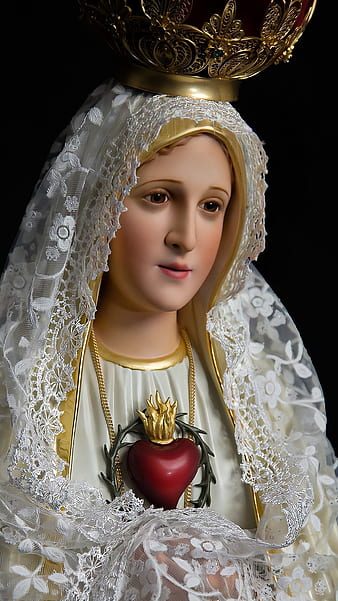
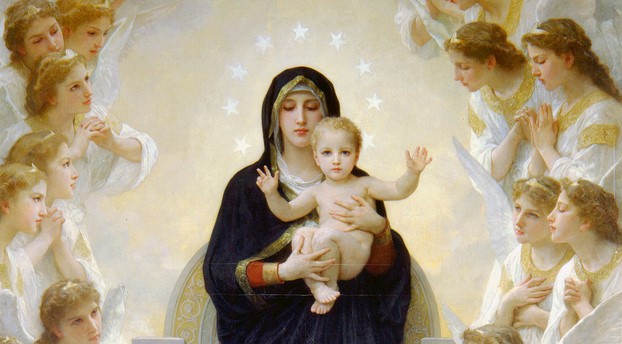
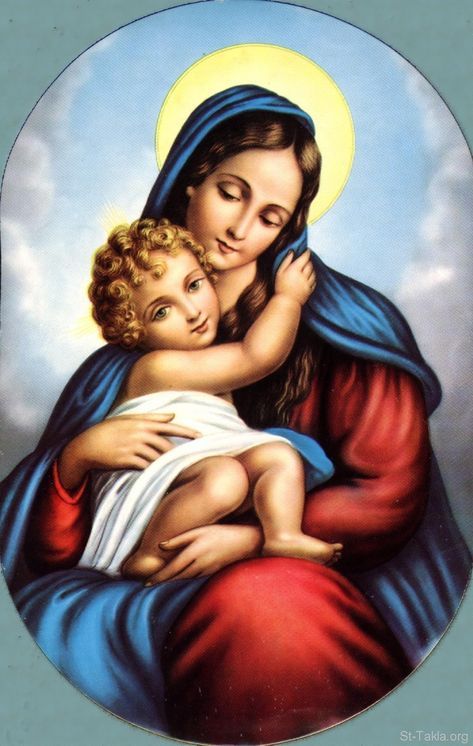
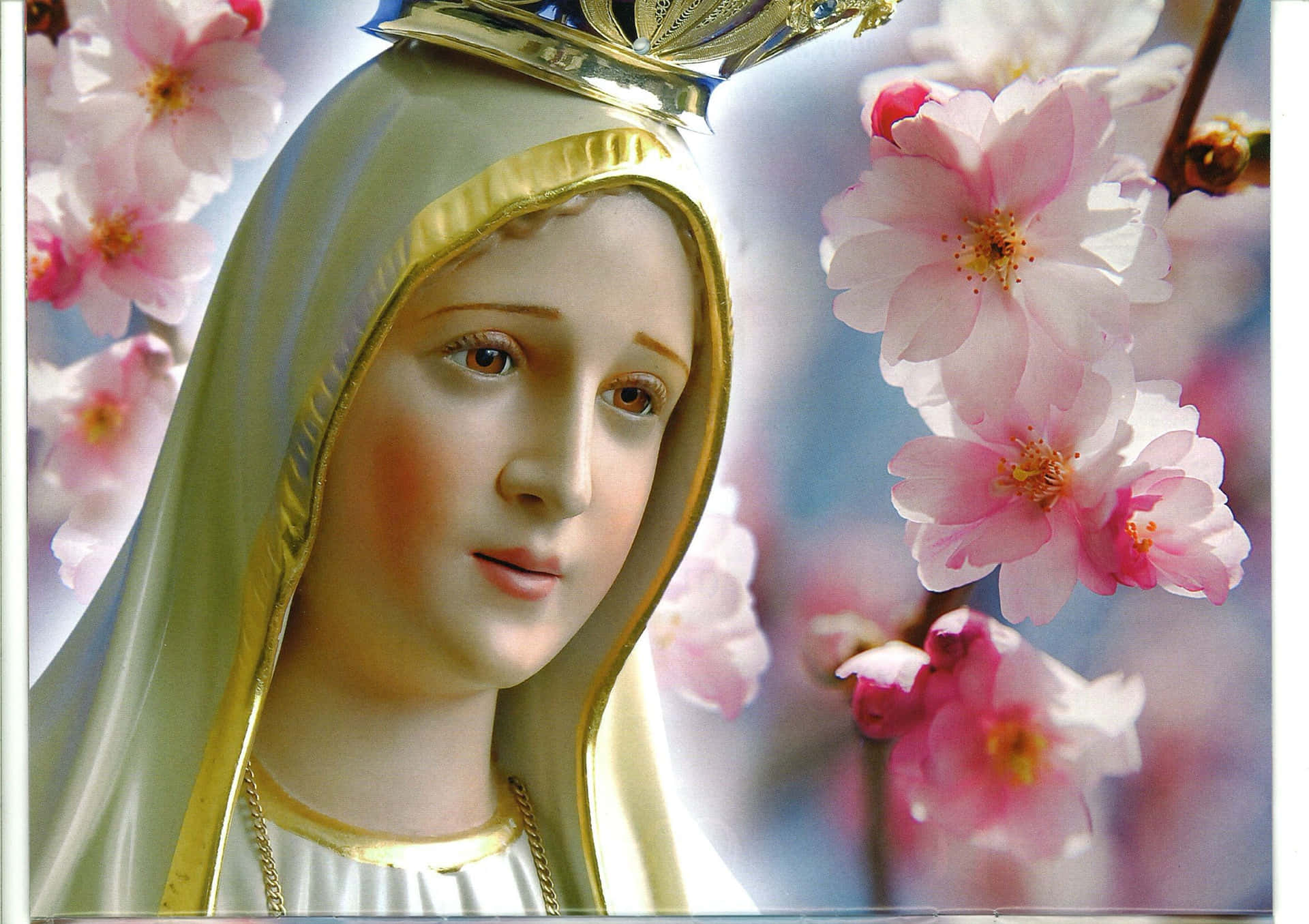
Mary, Star of the Sea: Guiding Us to Christ
Updated at: 2023-08-05 13:19:42 (2 years ago by Melkisedeck Leon Shine)
Mary, Star of the Sea: Guiding Us to Christ ๐
๐น Mary, the Blessed Virgin, holds a special place in the heart of every Catholic. As the Mother of God and the epitome of virtue, she is a guiding light for all Christians on their journey to Christ.
๐ Just as sailors look to the stars to navigate their way across the vast ocean, we too can look to Mary, Star of the Sea, to guide us through the stormy seas of life towards our ultimate destination: eternal union with Christ.
๐ Throughout the Bible, we see Mary's unwavering faith and her deep love for God. From the Annunciation, where she humbly accepted her role as the mother of Jesus (Luke 1:38), to her presence at the foot of the Cross (John 19:25-27), Mary's life is a testament to her complete surrender to God's will.
๐ In Luke 1:48, Mary herself proclaims, "For he has regarded the low estate of his handmaiden. For behold, henceforth all generations shall call me blessed." It is through her humility and obedience that Mary became the vessel through which God chose to bring His Son into the world.
๐ The Catechism of the Catholic Church teaches us that Mary's role as the Mother of God goes beyond her physical motherhood. She is also the spiritual mother of all believers: "In fact, by her maternal charity, Mary cares for the brethren of her Son, who still journey on earth, surrounded by dangers and difficulties, until they are led into their blessed home" (CCC 975).
๐ Through her intercession, Mary constantly intercedes for us before her Son. Just as at the wedding at Cana, when she asked Jesus to perform His first miracle (John 2:1-11), Mary continues to bring our needs and petitions before Him.
๐๏ธ In times of darkness and doubt, Mary provides us with a beacon of hope. She reminds us of God's unfailing love and mercy, encouraging us to trust in His divine plan for our lives. Like a guiding star in the night sky, Mary leads us closer to Christ, who is the light of the world.
๐ The saints throughout history have turned to Mary as their spiritual mother and guide. Saint Maximilian Kolbe, a martyr of the Holocaust, once said, "Never be afraid of loving the Blessed Virgin too much. You can never love her more than Jesus did."
๐ The rosary, a powerful prayer that leads us to contemplate the mysteries of Christ's life, is a beautiful way to honor Mary. In this meditative prayer, we unite ourselves with Mary as we reflect on the joys, sorrows, and glory of her Son.
๐น The Hail Mary, a prayer deeply rooted in Scripture, reminds us of Mary's role in our spiritual journey: "Hail Mary, full of grace, the Lord is with thee; blessed art thou among women, and blessed is the fruit of thy womb, Jesus" (Luke 1:28, 42).
๐ซ As we call upon Mary's intercession, she leads us to Christ, just as she led the shepherds and wise men to the manger where Jesus was born. She is the shining star that points us towards the One who is the Way, the Truth, and the Life (John 14:6).
๐ Mary's guidance is not limited to moments of joy and celebration; she also walks with us in times of suffering and sorrow. Just as she stood at the foot of the Cross, Mary stands by our side, offering us comfort and strength in our trials.
๐ The saints, too, found solace in Mary's loving presence. Saint Louis de Montfort wrote, "The more the Holy Spirit finds Mary, His dear and inseparable spouse, in any soul, the more active and mighty He becomes in producing Jesus Christ in that soul."
๐บ In our devotion to Mary, we are not worshipping her, but rather honoring her as the Mother of God and acknowledging her unique role in our salvation. She is the Star of the Sea, guiding us to Christ and drawing us closer to His love and mercy.
๐ What are your thoughts on Mary, Star of the Sea? How has she guided you to Christ in your own spiritual journey? Share your experiences and reflections in the comments below. May Mary, our loving Mother, continue to intercede for us and lead us to her Son, now and forever. Amen. ๐
Updated at: 2023-08-05 13:19:16 (2 years ago by Melkisedeck Leon Shine)
Title: How Mary's Faith Empowers Us Today
Introduction: In the realm of Christian spirituality, the figure of Mary, the Mother of God, holds a special place. Her unwavering faith and devotion continue to inspire and empower believers even to this day. As a devout Roman Catholic, I am deeply moved by Mary's profound influence in my spiritual journey. In this article, we will explore fifteen points on how Mary's faith continues to empower us in our daily lives. ๐โค๏ธ
Mary's Obedience to God's Will: Mary's unwavering obedience to God's will, as demonstrated in the Annunciation, serves as a powerful example to us all. Her response, "Let it be done to me according to your word" (Luke 1:38), teaches us the importance of surrendering to God's plan for our lives. ๐
Her Role as the Mother of God: Mary's unique role as the Mother of God allows us to approach her with our prayers and concerns. Just as a mother cares for her children, Mary intercedes for us before her Son, Jesus. She is our heavenly advocate and source of comfort. ๐น๐
Mary's Humility: Despite her exalted status, Mary's humility shines through in her Magnificat (Luke 1:46-55). Her recognition that "all generations will call me blessed" (Luke 1:48) showcases her deep understanding of God's grace and her willingness to be a humble servant. ๐๏ธ
The Power of Mary's Intercession: Throughout history, countless miracles have been attributed to Mary's intercession. By seeking her guidance and asking for her prayers, we tap into a powerful source of spiritual assistance. Mary's intercession strengthens our faith and provides comfort in times of need. ๐๐ซ
Mary's Example of Purity: Mary's perpetual virginity is a testament to her purity and devotion to God. Her immaculate heart serves as an inspiration for us to strive for purity in our thoughts, words, and actions. Mary teaches us to guard our hearts and seek holiness in all aspects of life. ๐บโจ
The Gift of Motherly Love: As a mother, Mary's love extends to all humanity. She embraces us as her children, offering comfort, compassion, and guidance. Just as Mary cared for Jesus, she cares for each of us, nurturing our spiritual growth and leading us closer to her Son. ๐น๐ค
Mary's Resilience in Suffering: Mary's unwavering faith was evident in her presence at the foot of the cross during Jesus' crucifixion (John 19:25-27). Despite unimaginable pain and sorrow, Mary's strength and trust in God's plan inspire us to persevere through our own trials and tribulations. ๐๏ธ๐ข
The Joyful Mysteries: Meditating on Mary's joyful mysteries, such as the Annunciation and the Nativity, fills our hearts with joy and hope. By reflecting on these moments of Mary's life, we are reminded of the joy that comes from embracing God's plan and allowing Him to work in our lives. ๐๐
The Assumption of Mary: The Assumption of Mary into heaven, body and soul, affirms her special place in salvation history. It reminds us that as faithful disciples, we too have the hope of eternal life with God. Mary's assumption encourages us to live our lives in a way that leads us to heaven. ๐๐
Mary's Role as Our Spiritual Mother: In his final moments on the cross, Jesus entrusted Mary to humanity, saying, "Woman, behold your son" (John 19:26). This act establishes Mary as our spiritual mother, guiding and nurturing us in our journey of faith. She leads us closer to her Son, providing spiritual nourishment along the way. ๐น๐ช
The Rosary and Mary's Loving Presence: The rosary, a powerful prayer devoted to Mary, allows us to meditate on the significant moments of Jesus' life. Through the recitation of the rosary, Mary's loving presence surrounds us, bringing us peace, strength, and clarity. ๐ฟ๐
Mary's Fiat as a Model of Trust: Mary's fiat, her "yes" to God's plan, teaches us the importance of trust and surrender in our own lives. By emulating her example, we learn to place our complete trust in God's providence and surrender our own desires to His perfect will. ๐๐ซ
Mary's Perseverance in Prayer: Mary's persistence in prayer, as seen in her intercession at the wedding at Cana (John 2:1-11), reminds us of the power of prayer and the importance of turning to Mary for guidance in our own prayer lives. ๐น๐
The Miraculous Medal and Mary's Protection: The Miraculous Medal, given to Saint Catherine Labourรฉ by the Blessed Virgin Mary, serves as a tangible reminder of Mary's protective presence in our lives. Wearing or carrying this medal symbolizes our trust in Mary's intercession and her maternal care. ๐๐ต
Our Lady of Guadalupe and Mary's Universal Love: The apparition of Our Lady of Guadalupe in Mexico demonstrates Mary's universal love for all people. As the patroness of the Americas, Mary's message of love and unity transcends cultures, languages, and borders, reminding us that we are all part of one global family. ๐โค๏ธ
Conclusion: Mary's faith continues to inspire and empower us today, as we strive to live out our Christian calling. Her unwavering devotion, intercession, and loving presence in our lives provide comfort, strength, and guidance. As a fellow believer, I encourage you to reflect on Mary's example and invite her into your own spiritual journey. How has Mary's faith impacted your life? Share your thoughts and experiences in the comments below. ๐น๐โจ
Updated at: 2023-08-05 13:19:27 (2 years ago by Melkisedeck Leon Shine)
๐ Mary, Mother of God: A Source of Comfort and Hope ๐
Introduction ๐น In the realm of Christianity, one figure stands out as a beacon of comfort and hope: Mary, the Mother of God. ๐ As a devoted Catholic, I find solace and inspiration in her unwavering love and faith. Let us explore how Mary's presence can bring immense comfort and hope into our lives.
Divine Motherhood ๐ฉโ๐ฆ Mary's unique role as the Mother of God is a source of immense comfort for believers. In Luke 1:31, the angel Gabriel declares to Mary, "Behold, you will conceive in your womb and bear a son, and you shall name him Jesus." This miraculous event marked the beginning of Mary's journey as the chosen vessel to bring forth the Son of God into the world.
Intercessor and Advocate ๐ As the Mother of God, Mary holds a special place in our hearts. In times of difficulty and despair, we can turn to her as a source of hope and comfort. Just as a loving mother cares for her children, Mary intercedes for us before the throne of God. โค๏ธ In John 2:3-5, at the wedding in Cana, Mary's plea to Jesus for help resulted in the miracle of water turning into wine.
Motherly Compassion and Love ๐ Mary's motherly compassion and love extend to all of humanity. She stood at the foot of the cross, witnessing the agony of her son, Jesus, as he sacrificed himself for our salvation. In that moment, she became the spiritual mother of all believers, as Jesus entrusted her to the care of his beloved disciple, John (John 19:26-27).
The Rosary as a Path to Comfort and Hope ๐ฟ The Holy Rosary is a powerful prayer that connects us to Mary and allows us to reflect on the mysteries of Christ's life. Through the repetition of Hail Marys, we enter into a profound state of meditation and find comfort in Mary's presence. The Catechism of the Catholic Church states, "The whole of Mary's life is lived with her Son" (CCC 964) and through the Rosary, we can accompany her on this spiritual journey.
Miracles and Apparitions โจ Throughout history, Mary has appeared to various individuals, offering comfort, hope, and guidance. Her apparitions, such as in Guadalupe, Lourdes, and Fatima, have left a profound impact on the faithful. These miraculous encounters serve as a reminder of Mary's love and her desire to bring us closer to her Son.
Devotion to Mary in Catholicism โช Devotion to Mary is deeply rooted in Catholic tradition. The Church recognizes her as the greatest of all the saints and the epitome of faith. The Early Church Fathers, such as St. Athanasius and St. Jerome, held her in high esteem and acknowledged her as the "Theotokos," meaning the "Mother of God."
Saints and Mary's Intercession ๐ Countless saints throughout history have testified to the power of Mary's intercession. St. Louis de Montfort, a renowned Marian theologian, stated, "When we praise her, love her, honor her or give anything to her, it is God who is praised, God who is loved, God who is glorified, and this is what it means to be devoted to Mary."
The Perpetual Virginity of Mary ๐บ It is important to understand that Mary, the Mother of God, remained a virgin throughout her life. The Gospel of Matthew (1:25) clearly states that Joseph "did not know her until she had borne a son." This affirms that Mary did not have any other children except Jesus.
Mary as a Model of Faith ๐ Mary's unwavering faith and obedience to God's will make her a remarkable example for all believers. Her "yes" to the angel Gabriel, even in the face of uncertainty, demonstrates her complete trust in God. We can draw strength from her example and find comfort and hope in our own journeys of faith.
Conclusion ๐ Mary, the Mother of God, offers us a source of comfort and hope that transcends worldly troubles. Through her intercession, love, and compassion, she guides us closer to her Son, Jesus Christ. Let us embrace her as our spiritual mother, seeking her guidance and consolation in times of need.
So, dear readers, what are your thoughts on the role of Mary, Mother of God, in providing comfort and hope? How has she impacted your spiritual journey? Share your opinions and experiences in the comments below. May Mary's love and presence continue to bring us comfort and hope on our Christian path. God bless you all! ๐โจ
Updated at: 2023-08-05 13:19:19 (2 years ago by Melkisedeck Leon Shine)
Embracing the Blessings of Mary's Intercession ๐น
The Blessed Virgin Mary holds a special place in the heart of every Catholic. ๐๐ผ She is not only the Mother of God, but also our loving mother and intercessor.
Mary's intercession is a powerful gift from God. Through her prayers, she brings our intentions before her Son, Jesus, with a mother's love and compassion. ๐
Just as Mary interceded for others during her earthly life, she continues to intercede for us from heaven. ๐ Her maternal care and protection are always available to those who seek her intercession.
Biblical examples highlight the importance of Mary's intercession. In the wedding at Cana, Mary noticed the couple's need for wine and interceded on their behalf, prompting Jesus to perform his first public miracle. ๐ทโจ
The Catechism of the Catholic Church teaches us about Mary's role as our intercessor. It states, "Mary's prayer is revealed to us at the dawning of the fullness of timeโฆShe intercedes for the community of believers, of which she is the image." (CCC 2617) ๐
Saints throughout history have also attested to the power of Mary's intercession. St. Alphonsus Liguori once said, "She is our refuge, our consolation, and our advocate who will never abandon us." ๐
Embracing the blessings of Mary's intercession allows us to experience the depth of God's love and mercy. Her intercession can bring healing, peace, and guidance into our lives. ๐
Mary's intercession is particularly powerful when it comes to the salvation of souls. She desires that all her children be saved and draws us closer to her Son, who is the source of our salvation. โช๏ธโค๏ธ
The Rosary is a beautiful prayer that honors Mary and invites her intercession. Through the repetition of Hail Marys, we entrust our intentions to her maternal care, knowing that she will present them to Jesus. ๐ฟ
Mary's intercession extends to all areas of our lives, from physical healing to spiritual growth. She is a loving mother who desires the very best for her children and will intercede for us in our time of need. ๐บ
The Gospel of Luke recounts the Annunciation, where Mary's "yes" to God's plan of salvation forever changes the course of history. Her intercession reminds us of the importance of surrendering to God's will and trusting in His providence. ๐
Mary's intercession is not meant to replace our direct relationship with God, but rather to enhance it. She helps us draw closer to her Son, guiding us on the path of holiness and leading us to eternal life. ๐
As Catholics, we are called to imitate Mary's faith and humility. By embracing her intercession, we acknowledge that we are in need of her prayers and seek her guidance in our journey towards holiness. ๐
Let us not forget that Mary is the Mother of God, the Ark of the New Covenant, and the Queen of Heaven. Her intercession is rooted in her unique role in salvation history, and her prayers hold immense power before the throne of God. ๐๐น
Embracing the blessings of Mary's intercession is an invitation to deepen our relationship with her and with her Son. Through her intercession, we can experience the overflowing love and mercy of God in our lives. ๐๐บ
In conclusion, the blessings of Mary's intercession are a gift that every Catholic can embrace. Her love, care, and prayers can bring healing, guidance, and peace into our lives. Reflecting on her example, let us open our hearts to her intercession and trust in her maternal care. How has Mary's intercession impacted your spiritual journey? Share your thoughts and experiences in the comments below! ๐น๐๐ผ
Updated at: 2023-08-05 13:19:50 (2 years ago by Melkisedeck Leon Shine)
The Assumed Role of Mary in the Communion of Saints ๐๐น
Mary, the beloved Mother of God, holds a special place in the Communion of Saints. As Catholics, we believe that she was assumed body and soul into Heaven at the end of her earthly life. This glorious event is known as the Assumption of Mary.
The Assumption of Mary is not explicitly mentioned in the Bible, but we find hints of it in Scripture. In the book of Revelation, we read about a woman clothed with the sun, with the moon under her feet, and a crown of twelve stars on her head. This woman is commonly understood to be Mary, who is exalted in Heaven.
The Catechism of the Catholic Church teaches us that Mary's Assumption is a sign of hope and a reminder that we too, by the grace of God, can hope to be united with Him in Heaven. It states, "The Assumption is a singular participation in her Son's Resurrection and an anticipation of the resurrection of other Christians" (CCC 966).
Mary's role in the Communion of Saints goes beyond her assumption. She is considered the Queen of Heaven and Earth, a title bestowed upon her by God. Just as the Queen Mother played a significant role in the Old Testament, so does Mary in the New Testament as the Mother of Jesus, the King of Kings.
Mary's intercession is powerful and has been witnessed throughout history. At the wedding at Cana, she interceded for the couple and prompted Jesus to perform His first miracle, turning water into wine. This demonstrates her role as a compassionate and caring mother, always advocating for her children.
The saints themselves recognized Mary's importance in the Communion of Saints. St. Maximilian Kolbe, a Polish Franciscan friar, said, "Never be afraid of loving the Blessed Virgin too much. You can never love her more than Jesus did." Mary is a beacon of love and devotion, guiding us towards her Son.
The Rosary is a powerful prayer that deepens our relationship with Mary and Jesus. Through the Rosary, we meditate on the significant moments in the life of Christ, accompanied by Mary's loving presence. This devotion brings us closer to the Communion of Saints and strengthens our spiritual journey.
In the Gospel of Luke, Mary's cousin Elizabeth proclaims, "Blessed are you among women, and blessed is the fruit of your womb!" (Luke 1:42). This affirmation acknowledges Mary's unique and blessed role as the Mother of God, highlighting her significance in the Communion of Saints.
The early Church Fathers also recognized Mary's exceptional role. St. Athanasius, one of the great theologians of the Church, stated, "The Word of God became man and the Son of God became the Son of man, so that man, by entering into communion with the Word and thus receiving divine sonship, might become a son of God." Mary, as the Mother of God, played a vital role in the Incarnation.
Mary's assumption into Heaven reminds us of the hope we have in Christ's victory over death. She experienced the fullness of God's grace and is now glorified in Heaven. As Catholics, we honor Mary as our spiritual mother and seek her intercession in times of need.
The saints often turned to Mary in their spiritual journeys. St. Louis de Montfort, a prominent Marian theologian, said, "The more the Holy Spirit finds Mary, His dear and inseparable spouse, in any soul, the more active and mighty He becomes in producing Jesus Christ in that soul." Mary leads us closer to Christ, guiding us on the path to holiness.
Mary's role in the Communion of Saints extends to the present day. Apparitions such as Our Lady of Fatima and Our Lady of Lourdes have brought immense spiritual graces to countless believers, reminding us of Mary's love and concern for her children.
The Catholic Church honors Mary with various feast days throughout the liturgical year. The Solemnity of the Immaculate Conception (December 8th) celebrates Mary's conception without original sin, and the Solemnity of the Assumption (August 15th) commemorates her assumption into Heaven.
Mary's role as the Mother of God and Queen of Heaven reminds us of the importance of cultivating a personal relationship with her. Through prayer, we can seek her guidance and intercession, knowing that she always leads us closer to her Son.
As Catholics, it is essential to reflect on the role of Mary in the Communion of Saints and the impact she has on our spiritual lives. What are your thoughts on Mary's assumed role? How has devotion to Mary influenced your faith journey? Share your insights and experiences in the comments below. ๐น๐
Updated at: 2025-06-05 14:50:55 (10 months ago by Melkisedeck Leon Shine)
```htmlThis article explores the multifaceted role of Mary within the theological framework of salvation history, employing key concepts from Catholic theology and relevant biblical interpretations. We will define key terms such as "economy of salvation," "intercession," and "Marian devotion" to establish a clear understanding of the subject matter.
Defining Key Concepts: The "economy of salvation" refers to God's plan of redemption, encompassing creation, the fall, the incarnation, Christ's ministry, death and resurrection, and the ultimate consummation of all things. "Intercession" describes the act of pleading on behalf of another, while "Marian devotion" encompasses various practices and beliefs centered on the veneration of Mary, mother of Jesus.
Mary's pivotal role in the economy of salvation stems from her unique status as the Theotokos, the God-bearer (Luke 1:43). This designation, established within the early Church, signifies her unparalleled participation in God's redemptive plan. The Annunciation narrative (Luke 1:26-38) exemplifies her complete submission to God's will ("fiat"), positioning her as the quintessential model of faith and obedience. This act of obedience, interpreted through the lens of theosis (deification), highlights her active cooperation in the Incarnation, initiating the process of humanity's reconciliation with God.
Mary's unwavering faith, as demonstrated in her acceptance of the Angel Gabriel's message, serves as a powerful example for believers. This resonates with the concept of "kenosis," or self-emptying, which Christ himself embodied. Mary's self-emptying surrender to God's plan directly parallels Christ's sacrifice, highlighting her crucial role in the redemptive process. Further, understanding Mary through the lens of typology reveals her as the "New Eve," contrasting the disobedience of Eve that led to the fall with Mary's obedience which facilitated humanity's redemption. This understanding aligns with the soteriological model that emphasizes the restoration of the broken relationship between God and humanity.
Catholic theology posits Mary's continued intercession on behalf of humanity. This is based on her ongoing communion with God and her intimate relationship with Jesus. Her intercession is not a substitution for personal prayer or a bypassing of Christ's mediatorial role; rather, it is a reflection of her ongoing maternal concern for humanity. This theological perspective resonates with the concept of "communion of saints," highlighting the interconnectedness of believers in their shared journey toward salvation. The various forms of Marian devotion, such as the Rosary and other Marian prayers, are understood as expressions of this belief and acts of spiritual communion with Mary.
Mary's role extends beyond her earthly life, culminating in her heavenly coronation as the Queen of Heaven (Revelation 12:1). This title, though symbolic, emphasizes her exalted position in the eschatological vision of the Church. Her presence in heavenly glory underscores the ultimate triumph of God's plan, emphasizing the complete restoration of creation and the eternal communion of the redeemed. This aligns with the ecclesiological understanding of the Church as the Mystical Body of Christ, with Mary occupying a place of honor within this heavenly community.
It is crucial to distinguish between the veneration of Mary and the worship of God. Catholic tradition unequivocally reserves worship for God alone; the veneration of Mary is an act of profound respect and honor given to the mother of God and a key figure in salvation history. This aligns with the principle of latria (worship due to God alone) and dulia (veneration accorded to saints and angels). This distinction is essential for maintaining the correct theological perspective on Maryโs role.
Maryโs role in the economy of salvation is a complex and deeply significant theological topic. Her unwavering faith, obedience, and active participation in God's redemptive plan make her a central figure in Catholic theology. Understanding her role allows for a richer appreciation of God's love and the power of human cooperation in God's grace. Future research could explore the comparative theological perspectives on Mary's role across different Christian denominations and investigate the evolving interpretations of Marian devotion throughout history. The emphasis should always remain on Jesus Christ as the ultimate source of salvation, with Mary's role being understood within the context of Christ's redemptive work.
Reader Pool: How might a deeper understanding of Mary's role within the systematic theology of salvation impact contemporary pastoral practice and spiritual formation?
```
Updated at: 2023-08-05 13:20:20 (2 years ago by Melkisedeck Leon Shine)
The Power of Marian Devotion in Strengthening Families ๐น๐๐
Introduction: The importance of family cannot be overstated in our lives. It is the foundation upon which we build our values, find support, and experience love. In this article, we will explore the power of Marian devotion in strengthening families, drawing upon biblical examples, the teachings of the Catholic Church, and the testimonies of countless faithful Christians throughout history.
Mary as the Mother of God: As Christians, we believe that Mary, the Virgin Mother of God, holds a special place in our faith. ๐๐ Through her humble "yes" to God's plan, she was chosen to bring forth our Savior, Jesus Christ. This unique role makes her a powerful intercessor who can bring our prayers and concerns directly to her Son.
Mary's Example of Faith: Mary's unwavering trust and obedience to God's will offer a beautiful example for families to emulate. ๐๐ By fostering a deep devotion to Mary, families can be inspired to grow in faith, trust, and humility, just as she did.
The Rosary: A Powerful Family Prayer: One of the most cherished Marian devotions in the Catholic Church is the Rosary. ๐ฟ๐น This prayer invites families to come together in unity, reciting the Hail Marys while meditating on the life, death, and resurrection of Jesus. The Rosary can be a source of peace, healing, and harmony within the family unit.
Mary as the Queen of Families: Just as Mary is the Mother of Jesus, she is also recognized as the Queen of Families. ๐๐ก By entrusting our families to her loving care, we invite her to intercede for us and guide us in our roles as parents, spouses, and children.
Mary's Intercession in Times of Need: When families face challenges, difficulties, or crises, turning to Mary can provide immense comfort and strength. ๐๐ช She is a compassionate mother who understands our deepest concerns and desires. Through her intercession, families can experience the healing touch of God's grace.
The Holy Family: A Model for All: The Holy Family of Jesus, Mary, and Joseph serves as an ideal model for every family. ๐๐ Their love, unity, and devotion to God inspire us to build strong, nurturing, and faith-filled relationships within our own households. By imitating their virtues, we can create a haven of love and faith for our loved ones.
Marian Shrines: Places of Spiritual Renewal: Visiting Marian shrines can be a transformative experience for families. ๐๐ These sacred places, such as Lourdes, Fatima, and Guadalupe, offer a unique opportunity for families to deepen their devotion to Mary and seek her maternal intercession. It is a pilgrimage that unites families in prayer and draws them closer to the heart of our Blessed Mother.
The Catechism on Marian Devotion: The Catholic Church's Catechism encourages the faithful to honor Mary as the Mother of God and a model of faith. It states, "Mary's role in the Church is inseparable from her union with Christ and flows directly from it" (CCC 964). ๐๐ Embracing Marian devotion can lead families to a deeper understanding of their own role within the Church and the importance of nurturing their faith.
Saints and Their Devotion to Mary: Throughout history, numerous saints have exemplified a profound devotion to Mary. St. Louis de Montfort, for instance, wrote extensively about consecrating oneself to Jesus through Mary. St. Maximilian Kolbe, known for his heroic sacrifice, had an unwavering devotion to Mary and referred to her as the "Immaculate Conception." These saints provide us with powerful examples of the transformative power of Marian devotion.
The Wedding at Cana: Mary's Intercession: The Wedding at Cana is a biblical example of Mary's intercession and her concern for the needs of families. When the wine ran out, Mary turned to Jesus and said, "They have no wine" (John 2:3). Through her intervention, she obtained a miracle, demonstrating her ability to intercede on behalf of families in times of scarcity or need.
Mary's Consoling Presence: In times of sorrow and grief, Mary's consoling presence brings solace to families. As she stood at the foot of the Cross, witnessing the crucifixion of her Son, she empathizes with the pain and suffering experienced by families throughout the ages. Through her intercession, she brings comfort and hope to those who are mourning or distressed.
The Magnificat: Mary's Song of Praise: Mary's Magnificat, found in the Gospel of Luke, is a beautiful hymn of praise and gratitude to God. It reminds families of the importance of recognizing God's blessings and expressing gratitude for His goodness. By incorporating the spirit of the Magnificat into their lives, families can foster a joyful and thankful spirit.
Encouraging Family Prayer: Marian devotion can inspire families to embrace a consistent prayer life. By incorporating prayers such as the Angelus, the Memorare, or the Regina Caeli into their daily routines, families can deepen their relationship with Mary and grow closer to God. Prayer becomes a powerful tool in strengthening family bonds and inviting God's grace into their lives.
Conclusion: The power of Marian devotion in strengthening families cannot be underestimated. Through her example, intercession, and maternal love, Mary provides guidance, support, and inspiration to families around the world. ๐๐ By embracing Marian devotion, families can deepen their faith, find solace in times of need, and experience the transformative power of God's love. How has Marian devotion impacted your family? Share your thoughts and experiences below! ๐น๐๐
Updated at: 2023-08-05 13:20:13 (2 years ago by Melkisedeck Leon Shine)
The Assumed Role of Mary in the Early Church
๐ Introduction ๐
In the early years of the Church, the role of Mary, the Mother of God, was not only highly regarded but also widely celebrated. As a devout Christian Roman Catholic, it brings me great joy to delve into the intriguing topic of Mary's assumed role during this significant period. Let us explore the fascinating aspects surrounding the beloved Mother of Jesus and her influence on the early Church.
1๏ธโฃ Mary, the Ever-Virgin ๐น
From a Christian perspective, it is crucial to acknowledge that the doctrine of Mary's perpetual virginity is deeply rooted in the early Church. It is believed that Mary remained a virgin before, during, and after the birth of Jesus Christ. This belief is based on biblical evidence, such as the Gospel of Matthew 1:25, which states, "But he did not consummate their marriage until she gave birth to a son. And he gave him the name Jesus."
2๏ธโฃ Mary, Mother of God ๐
One of the most significant roles Mary assumed in the early Church was that of the "Theotokos," meaning "Mother of God." This title emphasizes the belief that Mary gave birth to Jesus, who is both fully human and fully divine. This concept is supported by the Gospel of Luke 1:43, where Elizabeth proclaims, "But why am I so favored, that the mother of my Lord should come to me?"
3๏ธโฃ Mary, the New Eve ๐
In addition to being the Mother of God, Mary is often referred to as the New Eve in early Christian theology. Just as Eve played a critical role in the fall of humanity, Mary, through her obedience and humility, played an instrumental part in the redemption of mankind. This parallel is beautifully depicted in the Catechism of the Catholic Church (494), which states, "She is 'the new Eve,' the true mother of all the living."
4๏ธโฃ Mary, the Ark of the New Covenant โช
Another fascinating aspect of Mary's assumed role in the early Church is her association with the Ark of the Covenant. In the Old Testament, the Ark contained the tablets of the Ten Commandments, symbolizing God's presence among His people. Similarly, Mary, as the bearer of Jesus, came to be seen as the new Ark, carrying within her womb the Word of God made flesh. This connection is beautifully illustrated in the book of Revelation 11:19, where John sees "the ark of his covenant" in the heavenly sanctuary.
5๏ธโฃ Mary, the Intercessor ๐
Mary's intercessory role in the early Church cannot be overlooked. As a loving mother, she is believed to intercede on behalf of all believers, presenting their prayers to her Son, Jesus Christ. This belief is supported by the Gospel of John 2:3-5, where Mary intercedes at the Wedding at Cana, saying, "They have no more wine." This act of intercession led to Jesus' first miracle, highlighting her powerful role.
6๏ธโฃ Mary, a Model of Faith and Humility ๐บ
Mary's exemplary faith and humility have served as a model for Christians throughout history. Her "yes" to God's plan of salvation, as seen in Luke 1:38, where she says, "I am the Lord's servant. May your word to me be fulfilled," teaches us the importance of surrendering to God's will with trust and obedience. Her unwavering faith encourages us to emulate her virtues in our own lives.
7๏ธโฃ Mary, the Queen of Heaven ๐
The early Church also recognized Mary as the Queen of Heaven, acknowledging her exalted position as the Mother of God. This title finds its roots in the book of Revelation 12:1, where John sees "a woman clothed with the sun, with the moon under her feet, and a crown of twelve stars on her head." This depiction symbolizes Mary's role as the queenly mother of the Church.
8๏ธโฃ Mary, A Relationship with the Saints ๐
Mary's close relationship with the saints in the early Church is a testament to her esteemed role. Just as we can turn to our friends and family for intercessory prayers, we can also seek the intercession of Mary and the saints, who stand before the throne of God. This understanding is beautifully expressed in the Catechism of the Catholic Church (2683), which states, "Because of their communion with the saints, the Church is inseparably linked to the heavenly liturgy."
9๏ธโฃ Mary, An Inspiration to Artists ๐จ
Throughout the history of art, Mary has been a beloved subject of countless masterpieces. Painters, sculptors, and musicians have drawn inspiration from her beauty, grace, and purity. These artistic representations have not only captured Mary's physical appearance but also aimed to convey her spiritual significance to the early Church as the Mother of God.
๐ Mary, A Source of Hope and Comfort ๐
Mary's assumed role in the early Church also included being a source of hope and comfort for believers. Just as a mother consoles her children, Mary offers solace to those who approach her with their sorrows and joys. Her compassionate nature is reflected in her appearance to St. Juan Diego in Guadalupe, Mexico, where she shared a message of love and healing to bring peace to a troubled world.
๐ค Opinion ๐ค
As we reflect on the assumed role of Mary in the early Church, it is evident that her influence was profound and multifaceted. From her perpetual virginity to her intercessory role and her embodiment of faith and humility, Mary is a cherished figure in Christian Roman Catholic spirituality. Through her example, she continues to inspire countless believers to deepen their relationship with Jesus and strive for holiness.
What are your thoughts on Mary's assumed role in the early Church? How has her devotion impacted your spiritual journey? Let us celebrate the blessedness of the Mother of God and honor her role in our faith. ๐น๐โจ
Updated at: 2025-06-19 15:28:54 (9 months ago by Melkisedeck Leon Shine)
Mary as the New Eve: Restoring Humanity's Relationship with God
Introduction: This essay examines the pivotal role of Mary, the Mother of God, in Catholic theology, specifically her function as the "New Eve" in restoring humanity's fractured relationship with the divine. Key concepts, including the theological framework of the "New Eve" paradigm, the doctrine of the Immaculate Conception, and the Marian dogmas, will be explored. We will analyze how these concepts interact within a broader understanding of salvation history, applying relevant theological models and principles to illustrate their practical significance in the lives of believers. The essay will consider Mary's role not merely as a historical figure but as a living presence in the spiritual journey of humanity. This analysis employs a hermeneutical approach, examining scriptural accounts, liturgical practices, and theological traditions to unveil the multifaceted nature of Mary's significance.
The Immaculate Conception and Original Sin: The doctrine of the Immaculate Conception posits that Mary was conceived without original sin. This theological concept, distinct from the conception of Jesus, is crucial. It establishes Mary as a uniquely pure vessel, untouched by the inherited human condition of sin that separated humanity from God. This purity, understood within the framework of Augustinian theology on original sin, enabled her to become the Theotokos, the God-bearer. Applying this concept, we see Mary not merely as free from sin, but as representing a counterpoint to Eve's disobedience, highlighting the possibility of perfect obedience to God's will.
Mary's Fiat: A Paradigm of Obedience: Mary's "fiat," her affirmative response to the angel Gabriel's announcement (Luke 1:38), stands in stark contrast to Eve's disobedience in the Garden of Eden. This act of complete surrender to God's plan, interpreted through the lens of covenantal theology, is considered a pivotal moment in salvation history. Her willing acceptance embodies perfect obedience, directly addressing the consequences of Adam and Eve's transgression. This perfect obedience becomes a model for believers, demonstrating how complete trust and submission to divine will can counteract the effects of human disobedience.
The Annunciation: A Counterpoint to the Fall: The Annunciation, the event where the angel Gabriel announces Mary's role in the Incarnation, can be understood as a parallel, yet contrasting event to the Fall in Genesis. While Eve's disobedience resulted in humanity's separation from God, Mary's obedience initiated the process of reconciliation. This narrative reversal, analyzed using a typological approach, showcases Mary's role as the "New Eve," reversing the consequences of the original sin and restoring the broken covenant between God and humanity.
Mary as the New Ark of the Covenant: Similar to the Ark of the Covenant in the Old Testament, which housed God's presence amongst his people, Mary carries within her the Word made flesh, Jesus Christ. This allegorical interpretation highlights Mary's unique role as the vessel of God's grace. She becomes the sacred repository of divine presence, reflecting the concept of the divine immanenceโGod's presence within the worldโand serves as a focal point for divine grace flowing into humanity.
The Visitation and the Spreading of Grace: The Visitation, Mary's visit to Elizabeth, exemplifies Mary's role as the bearer of grace and sanctifier of souls. Elizabeth's recognition of Mary's blessedness (Luke 1:42) underscores the transformative power of Mary's acceptance of God's will. This event can be interpreted through the lens of the sacramental theology, suggesting Mary as a conduit of divine grace, anticipating the sacramental life of the Church.
Mary's Intercession and Maternal Care: Mary's intercession, her advocacy on behalf of humanity before her Son, reflects her maternal love and concern. The Wedding at Cana (John 2:1-11) serves as a prime example of this intercession, where Mary's request leads to Jesus's first miracle. This concept aligns with the theological understanding of Mary's role as mediator, not in the sense of replacing Christ's unique mediatorship, but in a secondary sense of interceding for humanity, acting as a powerful advocate before God.
Mary as Mother of the Church and Humanity: Jesus' entrusting of Mary to John at the crucifixion (John 19:27) establishes her as the Mother of the Church and, symbolically, the mother of all believers. This maternal role extends beyond mere biological relationship, encapsulating spiritual guidance, protection, and intercessory power. This can be viewed through a relational theology perspective, highlighting the profound connection between Mary, Jesus, and humanity.
Mary, Queen of Heaven and Earth: Her Exalted Role: The title "Queen of Heaven and Earth" signifies Mary's exalted position within the theological framework of the Catholic Church, reflecting her union with Christ and participation in his divine reign. This title, analyzed from a christological perspective, highlights Mary's integral role within God's plan of salvation. It emphasizes her ongoing authority and influence in the spiritual realm.
The Assumption and the Promise of Eternal Life: The dogma of the Assumption celebrates Mary's bodily assumption into Heaven, a testament to her unique relationship with God. This event signifies the hope of resurrection and eternal life for believers, providing a powerful example of the ultimate reward promised to those who follow Christ. The Assumption, understood in eschatological terms, offers a powerful vision of the future, a hope that transcends earthly limitations.
The Rosary and Marian Devotion: The Rosary, a form of Marian devotion, facilitates a deeper connection with God through Mary's intercession. The meditative practice engages the believer in the mysteries of Christ's life, fostering a deeper understanding of Mary's role and strengthening the relationship with both Mary and God. This devotional practice, analyzed through the lens of spiritual formation, underscores the transformative potential of Marian devotion in nurturing one's faith.
The Catechism of the Catholic Church: Authoritative Affirmation: The Catechism of the Catholic Church explicitly affirms Mary's unique and central role in salvation history. Its teaching establishes a doctrinal foundation for the understanding of her significance within the context of the larger narrative of salvation. The Catechism serves as a touchstone for Catholic theology concerning Mary's position and emphasizes the importance of its consistent teaching.
Saints' Testimonies: A Chorus of Witness: The consistent testimony of numerous saints throughout history regarding Mary's role reinforces the theological understanding of her importance. Their expressions of devotion corroborate the deep-seated beliefs of the Church, demonstrating the enduring influence of Mary's example on the lives of believers. These testimonies highlight the lived experience of faith as evidence for the theological claims.
Personal Connection and Contemporary Significance: Mary's role is not confined to historical events; her maternal love, guidance, and intercession remain profoundly relevant to contemporary believers. By embracing Mary's example, individuals can foster a deeper relationship with God, accessing divine grace and guidance in their lives. The practicality of this theological framework lies in its offer of solace, hope, and spiritual support, providing a tangible application in the daily lives of believers.
Conclusions and Recommendations: This essay demonstrates that Mary's role as the "New Eve" is a central tenet of Catholic theology, offering a powerful narrative of redemption and reconciliation. Her obedience, purity, and intercession provide a compelling example for believers. Understanding Mary's role necessitates a careful examination of scripture, theological tradition, and lived experience. Further research should investigate the cross-cultural expressions of Marian devotion and their implications for ecumenical dialogue. The enduring significance of Maryโs role calls for continued reflection on her multifaceted dimensions, emphasizing her ongoing relevance in the spiritual lives of individuals and the Church.
Reader Pool: What are the potential implications of reinterpreting Mary's role within contemporary interfaith dialogue, considering her diverse portrayals in different religious traditions?
Updated at: 2025-06-05 11:02:40 (10 months ago by Melkisedeck Leon Shine)
```htmlThis article explores the profound spiritual significance of consecration to the Immaculate Heart of Mary within the Catholic faith. We will analyze this devotion through the lens of theological principles, examining its impact on personal spirituality and its role in fostering a deeper relationship with God. Key concepts such as Marian devotion, sacramental theology, and the concept of divine grace will be central to this discussion.
Marian Devotion and the Immaculate Heart: Marian devotion, the veneration of Mary, mother of Jesus, is a cornerstone of Catholic tradition. The Immaculate Heart, symbolizing Mary's purity and unwavering love for God and humanity, is a potent focal point for this devotion. This devotion is not mere sentimentality; it's rooted in the belief that Mary's life and intercession provide a powerful pathway to divine grace and spiritual growth. This is supported by the theological understanding of the communion of saints, where the faithful believe in the interconnectedness of all believers, both living and deceased, in a shared spiritual journey.
Spiritual Transformation through Consecration: The act of consecrating oneself to the Immaculate Heart of Mary is an act of complete surrender and entrustment. This aligns with the theological principle of kenosis โ the self-emptying of one's will to embrace God's will. This process fosters a strengthened relationship with Mary, seen as a spiritual mother, offering comfort, guidance, and protection (similar to the concept of maternal care in attachment theory). The psychological implications include increased feelings of security and empowerment.
Aligning with Divine Will: Mary's unwavering obedience to God's plan, as exemplified in the Magnificat (Luke 1:46-55), serves as a model for consecration. By consecrating oneself, one actively submits to God's plan, allowing for a deeper understanding of one's vocation and purpose. This surrender mirrors the theological concept of divine providence, recognizing God's active and guiding presence in human life.
Mary's Intercessory Role: The belief in Mary's intercession is central to Catholic theology. Her unique relationship with Christ grants her a powerful ability to bring prayers and petitions before God. Consecration enhances this intercession, strengthening the spiritual link between the individual and the divine. This echoes the concept of mediatorship, where Mary acts as a bridge between humanity and God.
Receiving Abundant Grace: Consecration opens the individual to the flow of grace, a free and undeserved gift from God. This grace strengthens faith, fosters virtue, and empowers spiritual growth. The sacramental nature of the consecration act underscores this belief in the tangible presence of grace.
Cultivating Devotion and Love: Consecration cultivates profound love and devotion to Mary. This deepening relationship facilitates spiritual growth by fostering empathy, compassion, and a heightened awareness of God's love. This mirrors the concept of spiritual maturity, characterized by a strong, loving bond with the divine.
Becoming an Instrument of God's Mission: Through consecration, individuals become active participants in Mary's mission, working to bring others closer to God. This reflects the call to discipleship and the importance of bearing witness to one's faith.
Scriptural Basis and Theological Support: The scriptural account of Mary's "Fiat" ("Let it be," Luke 1:38) lays the foundation for her role in salvation history. This is further supported by the Catechism of the Catholic Churchโs affirmation of the importance of Marian devotion, emphasizing her role as the "Mother of God".
Historical Examples and Miraculous Accounts: The lives of saints, such as Maximilian Kolbe, and accounts of miraculous events associated with Marian apparitions, like those at Fatima and Lourdes, highlight the powerful impact of devotion to the Immaculate Heart. These events can be seen through the lens of faith healing and the power of religious experience to transform lives.
Experiencing Shared Joy and Sorrow: Consecration involves sharing in both the joys and sorrows of Mary's life, particularly her suffering at the foot of the cross. This identification with Maryโs experiences facilitates spiritual growth through empathy and self-sacrifice.
Personal Transformation and Holiness: Through consecration, individuals strive to emulate Maryโs virtues: humility, purity, and obedience. This imitation cultivates spiritual transformation and promotes a life of greater holiness, reflecting a theological emphasis on sanctification.
Consecration to the Immaculate Heart of Mary is a profoundly transformative spiritual practice deeply rooted in Catholic theology and tradition. Through an analysis incorporating theological concepts like kenosis, divine grace, mediatorship, and the communion of saints, we have shown its power to strengthen faith, foster spiritual growth, and deepen the relationship with God. Further research could explore the psychological and emotional impacts of consecration using quantitative methodologies, such as surveys and questionnaires, to measure changes in participantsโ levels of faith, hope, and well-being. This would allow for a more comprehensive understanding of the holistic effects of this devotion, bridging the gap between spiritual and psychological realms. The applicability of this devotion is broad, reaching individuals seeking spiritual enrichment and a deeper connection with their faith.
Reader Pool: Considering the multifaceted nature of faith and spirituality, how might the integration of psychological research enhance our understanding and appreciation of the transformative power of consecration to the Immaculate Heart of Mary?
```