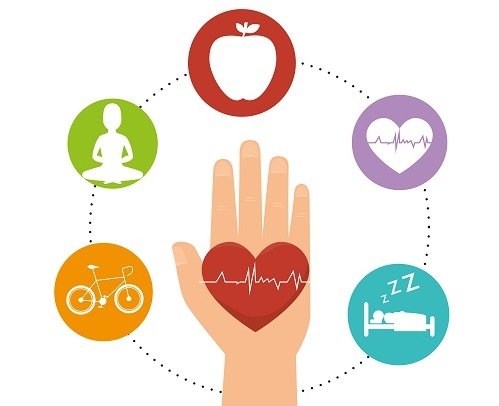
15 Tips for Practicing Self-Compassion and Self-Care
Updated at: 2023-07-04 19:50:09 (2 years ago by Melkisedeck Leon Shine)
15 Tips for Practicing Self-Compassion and Self-Care
In today's fast-paced world, taking care of ourselves often takes a backseat to our responsibilities and obligations. However, practicing self-compassion and self-care is vital for our overall well-being. By prioritizing our needs and nurturing ourselves, we can lead happier, healthier lives. Here are 15 practical tips to incorporate self-compassion and self-care into your daily routine:
1️⃣ Set Boundaries: Learn to say no when necessary and establish healthy limits to protect your time and energy.
2️⃣ Practice Mindfulness: Take a few moments each day to focus on the present moment, allowing yourself to be fully aware of your thoughts, feelings, and sensations.
3️⃣ Engage in Physical Activity: Regular exercise not only boosts your physical health but also releases endorphins, improving your mood and reducing stress.
4️⃣ Get Enough Sleep: Prioritize quality rest by establishing a consistent sleep schedule and creating a soothing bedtime routine.
5️⃣ Nourish Your Body: Fuel yourself with nutritious foods that provide energy and promote overall well-being.
6️⃣ Take Breaks: Allow yourself short breaks throughout the day to rest, recharge, and avoid burnout.
7️⃣ Express Yourself Creatively: Engage in activities that allow you to express your emotions and tap into your creative side, whether it's painting, writing, or playing an instrument.
8️⃣ Practice Gratitude: Take a moment each day to reflect on the things you are grateful for, cultivating a positive mindset.
9️⃣ Socialize: Connect with loved ones, friends, or support groups to build meaningful relationships and receive emotional support.
1️⃣0️⃣ Practice Self-Compassionate Self-Talk: Replace self-criticism with kind and understanding words, treating yourself as you would a loved one.
1️⃣1️⃣ Engage in Activities You Enjoy: Make time for hobbies and activities that bring you joy and fulfillment, whether it's dancing, gardening, or reading.
1️⃣2️⃣ Seek Professional Help: If needed, don't hesitate to reach out to therapists or counselors who can provide guidance and support during challenging times.
1️⃣3️⃣ Disconnect from Technology: Take regular breaks from screens and engage in activities that promote relaxation and mindfulness.
1️⃣4️⃣ Practice Self-Reflection: Set aside time to reflect on your thoughts, emotions, and experiences, allowing for self-growth and self-awareness.
1️⃣5️⃣ Engage in Self-Care Rituals: Incorporate small acts of self-care, such as taking a warm bath, indulging in a favorite treat, or pampering yourself with a skincare routine.
By implementing these 15 tips into your daily life, you can prioritize self-compassion and self-care. Remember, taking care of yourself is not selfish but essential for your overall well-being. Start small, be consistent, and watch how these practices transform your life for the better. You deserve it!🌻🌞💪🏽
Updated at: 2025-06-03 10:37:20 (10 months ago by Melkisedeck Leon Shine)
In contemporary society, characterized by its dynamism and inherent challenges, a positive mindset transcends mere desirability; it constitutes a cornerstone of holistic well-being and success. A robust positive outlook demonstrably enhances mental health, bolstering resilience and self-efficacy in the face of adversity. This article elucidates fifteen empirically-supported strategies designed to cultivate and sustain a consistently positive mindset, grounded in established psychological principles.
Cultivating Gratitude: Initiate each day by reflecting upon aspects for which you are thankful. This practice, consistent with the broaden-and-build theory of positive emotions, redirects cognitive resources toward positive experiences, fostering contentment and appreciation. Maintaining a gratitude journal facilitates consistent engagement with this practice.
Strategic Social Networking: Social influence significantly impacts psychological well-being (Social Cognitive Theory). Cultivate relationships with optimistic individuals who offer support and inspiration. Their positive affect can be contagiously impactful, elevating one's own emotional state.
Cognitive Restructuring: Become mindful of your internal dialogue. Employ cognitive behavioral therapy (CBT) principles by actively replacing negative self-criticism with positive affirmations. Focus on strengths, past successes, and inherent potential for growth.
Reframing Adversity: Instead of viewing setbacks as failures, adopt a growth mindset (Dweck's theory of Mindset). Analyze challenges to identify contributing factors and extract valuable learning opportunities to inform future actions. This approach fosters resilience and continuous improvement.
Mindfulness-Based Stress Reduction (MBSR): Regular mindfulness meditation enhances present moment awareness and reduces stress. This practice, supported by extensive research, promotes self-awareness and calmness, creating a conducive environment for positive thinking. Even brief daily sessions can yield substantial benefits.
Solution-Focused Brief Therapy (SFBT): When faced with challenges, avoid rumination on the problem itself. Instead, concentrate on identifying and implementing solutions. This proactive approach empowers individuals and shifts the focus towards constructive action, consistent with SFBT principles.
Goal-Setting and Self-Efficacy: Establishing achievable goals, divided into smaller, manageable steps, fosters a sense of accomplishment (Self-Determination Theory). Celebrating milestones provides positive reinforcement, boosting motivation and self-perception.
Prioritizing Physical Health: The mind-body connection is well-established. Regular exercise, balanced nutrition, and sufficient sleep significantly enhance mental well-being. Investing in physical health directly contributes to a more positive outlook.
Information Diet Management: While staying informed is vital, continuous exposure to negativity can have detrimental effects. Consciously limit exposure to negative news, opting instead for uplifting and constructive information sources.
Engagement in Positive Activities: Allocate time for enjoyable hobbies and activities that promote fulfillment and happiness. Such activities serve as positive reinforcement, boosting mood and fostering well-being.
Prosocial Behavior: Acts of kindness, regardless of scale, generate a positive ripple effect. Helping others strengthens social connections, fosters a sense of purpose, and contributes to a more optimistic perspective.
Role Modeling and Observational Learning: Identify and emulate individuals who embody positive attributes (Social Learning Theory). Observe their behaviors, learn from their experiences, and allow their influence to shape personal actions and mindset.
Positive Visualization and Mental Rehearsal: Regularly visualize desired outcomes, vividly imagining their attainment. This technique builds self-efficacy, fuels motivation, and strengthens belief in one's capacity for success.
Self-Compassion and Self-Care: Prioritize self-care activities that nurture physical and emotional well-being. Treat oneself with kindness, understanding, and forgiveness. Self-compassion is crucial for sustaining a positive outlook, especially during difficult periods.
Seeking Professional Guidance: If challenges persist despite efforts, seek professional assistance. A therapist or counselor provides support and tools for cultivating a healthy, positive perspective.
Cultivating a positive mindset is a continuous process demanding consistent effort and self-reflection. By integrating these evidence-based strategies into daily life, individuals can progressively transform their outlook and experience the profound benefits of a more positive and fulfilling existence. Embark on this transformative journey today and unlock the power of positive thinking.
This article has presented fifteen evidence-based strategies for cultivating a positive mindset, drawing upon established psychological theories and therapeutic approaches. The integration of these techniques, such as cognitive restructuring, mindfulness practices, and goal setting, can significantly impact individual well-being and resilience. Recommendations include a multifaceted approach that combines self-help strategies with professional support when needed. Further research could explore the long-term effectiveness of these strategies across diverse populations and investigate the interaction between different strategies for optimal impact. The applicability of these findings extends to various contexts, from individual self-improvement to organizational initiatives aimed at fostering positive work environments.
Reader Pool: Considering the presented strategies and their theoretical underpinnings, what are your perspectives on the relative efficacy of different approaches for cultivating a consistently positive mindset, and how might these strategies be further refined to address individual differences and contextual factors?
Updated at: 2023-07-04 19:49:34 (2 years ago by Melkisedeck Leon Shine)
How to Manage Your Time Effectively: 15 Time-Management Tips 😊⌛
In today's fast-paced world, managing our time effectively has become more crucial than ever. With countless tasks and responsibilities constantly vying for our attention, it can often feel overwhelming and challenging to stay organized and productive. However, fear not! Here are 15 time-management tips to help you regain control of your schedule and boost your productivity. 📚🕰
1️⃣ Prioritize your tasks: Start by identifying the most important tasks and tackle them first. This way, you can ensure that the essential work is completed efficiently.
2️⃣ Plan ahead: Take a few minutes each day to plan your schedule for the following day. This proactive approach allows you to allocate time to specific tasks and ensures you don't get caught off guard.
3️⃣ Break tasks into smaller segments: Large projects can be overwhelming, making it difficult to get started. Break them down into smaller, more manageable tasks, which will make the process less daunting and more achievable.
4️⃣ Set deadlines: Assign deadlines to each task to maintain focus and avoid procrastination. Be realistic with your time estimates to prevent unnecessary stress.
5️⃣ Eliminate distractions: Minimize interruptions by silencing your phone, closing irrelevant tabs on your computer, and creating a quiet workspace. This will help you maintain concentration and maximize productivity.
6️⃣ Delegate when possible: If you have a team or colleagues who can assist you, delegate tasks that can be done by others. This allows you to focus on more critical responsibilities while also empowering your team members.
7️⃣ Use productivity apps: Take advantage of various time-management apps that can help track your progress, set reminders, and provide useful insights to improve your efficiency.
8️⃣ Avoid multitasking: Contrary to popular belief, multitasking can actually decrease productivity. Instead, focus on one task at a time to ensure better attention to detail and higher-quality results.
9️⃣ Take regular breaks: Allowing yourself short breaks in between tasks can help prevent burnout and refresh your mind. Use this time to stretch, meditate, or engage in an activity you enjoy.
🔟 Learn to say no: It's important to set boundaries and prioritize your time. Politely decline requests or tasks that do not align with your goals or overwhelm your schedule.
1️⃣1️⃣ Practice the 80/20 rule: The Pareto Principle suggests that 20% of your efforts yield 80% of the results. Identify and focus on the tasks that contribute the most to your desired outcomes.
1️⃣2️⃣ Avoid perfectionism: Striving for perfection in everything you do can lead to unnecessary delays and stress. Instead, aim for excellence and know when to move on to the next task.
1️⃣3️⃣ Use time-blocking: Allocate specific time blocks for different tasks or activities. This structured approach helps you stay organized and ensures you dedicate enough time to each task.
1️⃣4️⃣ Learn to delegate effectively: When delegating tasks, provide clear instructions and expectations to avoid misunderstandings. Trust in your team and provide support when needed.
1️⃣5️⃣ Reflect and evaluate: Regularly review your time-management strategies and adjust them as necessary. Identify what works best for you and continuously seek ways to improve your efficiency.
Managing your time effectively is a skill that takes practice, but it is well worth the effort. By implementing these 15 time-management tips, you can regain control of your schedule, reduce stress, and accomplish more in less time. Remember, effective time management is not about doing more tasks; it's about doing the right tasks at the right time. ⏰✅
Updated at: 2025-02-20 11:18:13 (1 year ago by Melkisedeck Leon Shine)
Your cardiovascular system is the lifeblood of your well-being. A healthy heart and efficient circulatory system are fundamental to delivering vital oxygen and nutrients to every cell in your body. Investing in your cardiovascular health is an investment in a longer, healthier, and more vibrant life. The following 15 strategies provide a roadmap to a stronger, healthier heart.
1. Embrace Regular Exercise: Consistent aerobic activity is key. Think brisk walking, jogging, swimming, cycling – activities that elevate your heart rate and get your blood pumping. Aim for at least 150 minutes of moderate-intensity or 75 minutes of vigorous-intensity aerobic activity per week.
2. Nourish Your Body with a Heart-Healthy Diet: Fuel your body with the goodness of fruits, vegetables, whole grains, lean proteins, and healthy fats. These nutrient-rich foods provide the building blocks for a strong cardiovascular system and help reduce your risk of heart disease. Minimize processed foods, saturated and trans fats, and excessive sodium.
3. Stay in Motion Throughout the Day: Combat the negative effects of prolonged sitting by incorporating regular movement into your daily routine. Take short walks, stretch at your desk, or use the stairs instead of the elevator. Every bit of movement counts.
4. Prioritize Restorative Sleep: Quality sleep is crucial for cardiovascular health. Aim for 7-9 hours of uninterrupted sleep each night to allow your body to repair and rejuvenate. A well-rested body is better equipped to maintain a healthy heart.
5. Break Free from Smoking: Smoking is a significant risk factor for heart disease. It damages blood vessels, increases blood pressure, and accelerates the development of cardiovascular problems. Seek support and resources to quit smoking permanently.
6. Moderate Alcohol Consumption: Excessive alcohol intake can significantly elevate blood pressure and contribute to heart disease. If you choose to drink alcohol, do so in moderation, adhering to recommended guidelines.
7. Hydrate Regularly: Maintain optimal blood volume and prevent dehydration by drinking plenty of water throughout the day. Dehydration can put extra strain on your heart.
8. Master Stress Management: Chronic stress takes a toll on your cardiovascular system. Incorporate stress-reducing techniques such as yoga, meditation, deep breathing exercises, or spending time in nature to lower blood pressure and promote heart health.
9. Harness the Power of Omega-3 Fatty Acids: Include sources of omega-3 fatty acids, like fatty fish (salmon, tuna, mackerel), flaxseeds, chia seeds, and walnuts, in your diet. These healthy fats have been shown to improve heart health.
10. Enjoy Dark Chocolate (Moderately): Dark chocolate, with its high cocoa content, contains flavonoids that offer potential heart-health benefits. Enjoy a small square or two, but remember moderation is key.
11. Build Strength and Endurance with Resistance Training: Incorporate strength training exercises into your fitness routine to build muscle mass, boost metabolism, and improve overall cardiovascular fitness.
12. Monitor Your Blood Pressure: Regularly monitor your blood pressure and consult with your doctor to manage any abnormalities. Maintaining healthy blood pressure levels is critical for cardiovascular health.
13. Challenge Yourself with High-Intensity Interval Training (HIIT): HIIT workouts, alternating short bursts of intense exercise with brief recovery periods, are a highly effective way to improve cardiovascular efficiency and fitness.
14. Limit Added Sugars: Minimize your consumption of sugary drinks, processed foods, and desserts. Excessive added sugar intake contributes to weight gain, obesity, and an increased risk of heart disease.
15. Prioritize Daily Movement: Even small changes, like taking the stairs instead of the elevator or parking further away, can significantly contribute to your daily activity levels and enhance your cardiovascular health.
Improving your cardiovascular health is a journey, not a race. It requires a holistic approach that encompasses regular exercise, a balanced diet, effective stress management, and conscious lifestyle choices. By consistently incorporating these strategies into your daily life, you can strengthen your heart, reduce your risk of heart disease, and experience a significant improvement in your overall well-being. Remember to consult with your healthcare provider before making substantial changes to your diet or exercise routine.
Updated at: 2025-05-14 13:47:05 (10 months ago by Melkisedeck Leon Shine)
A sluggish metabolic rate can hinder the attainment of health and fitness objectives. This article details fifteen evidence-based strategies to naturally enhance metabolic function, avoiding extreme measures or unproven supplements. We will explore the application of established physiological principles and dietary guidelines to achieve sustainable metabolic optimization. Key concepts include Basal Metabolic Rate (BMR), Thermic Effect of Food (TEF), and the impact of macronutrient composition and physical activity on energy expenditure.
Conclusions and Recommendations: Optimizing metabolic rate requires a multifaceted approach encompassing dietary modifications, regular physical activity, and effective stress management. This article highlights strategies grounded in established physiological principles and supported by existing research. The combined implementation of these strategies can significantly improve metabolic function. However, individual responses to these strategies may vary. Therefore, personalized advice from healthcare professionals or registered dietitians is recommended. Further research should focus on investigating the long-term effects of these strategies on diverse populations and exploring potential interactions between various lifestyle factors. The development of more individualized approaches to metabolic optimization is a crucial next step in personalized health management. This includes a deeper understanding of the interplay between genetics, environment, and lifestyle in determining metabolic health.
Reader Pool: Considering the presented strategies, what are your perspectives on the relative importance of dietary changes versus exercise in achieving sustainable improvements in metabolic rate, and how might individual variability influence the efficacy of these approaches?
Updated at: 2023-07-04 19:50:21 (2 years ago by Melkisedeck Leon Shine)
15 Ways to Reduce Sugar Intake and Limit Added Sugars
In today's world, sugar seems to lurk in everything we consume. From sweet treats to hidden sugars in processed foods, our sugar intake has skyrocketed over the years. Excessive sugar consumption has been linked to various health issues such as obesity, diabetes, and heart disease. Therefore, it is crucial to take control of our sugar intake and limit added sugars. Here are 15 practical ways to help you on your journey to a healthier lifestyle:
Read food labels 📋: Before purchasing any food item, carefully examine the ingredient list and nutrition label. Look out for terms like high fructose corn syrup, sucrose, and other variations of sugar.
Opt for natural sugars 🍯: When satisfying your sweet tooth, choose natural sweeteners like honey or maple syrup instead of refined sugar. These alternatives not only provide a subtle sweetness but also contain additional nutrients.
Swap sugary drinks for water 💦: Sugary beverages like soda and juice can contribute significant amounts of added sugars to your diet. Replace these with water or herbal tea to stay hydrated without the sugar overload.
Choose whole fruits 🍓: Instead of reaching for fruit juices or canned fruits packed in syrup, opt for whole fruits. They contain fiber that helps slow down the sugar absorption, keeping your blood sugar levels stable.
Prepare homemade meals 🍽️: By cooking meals at home, you have full control over the ingredients and sugar content. Experiment with fresh herbs, spices, and natural flavors to enhance the taste without relying on added sugars.
Be mindful of condiments 🌶️: Many condiments, such as ketchup, salad dressings, and barbecue sauce, contain hidden sugars. Look for low-sugar or sugar-free alternatives or better yet, make your own at home.
Limit processed snacks 🍿: Processed snacks like chips, cookies, and candy bars often contain large amounts of added sugars. Instead, choose healthier alternatives like air-popped popcorn, nuts, or fresh fruit.
Gradually reduce sugar in recipes 🍰: When baking or cooking, gradually reduce the amount of sugar required in the recipe. Over time, your taste buds will adjust, and you'll find that you don't need as much sweetness as before.
Be cautious of "healthy" snacks 🥜: Many so-called "healthy" snacks marketed as granola bars or energy bars can be packed with hidden sugars. Read the labels and choose those with minimal added sugars or make your own using natural ingredients.
Prioritize protein and fiber 🥦: Protein and fiber-rich foods can help you feel full and satisfied, reducing the craving for sugary treats. Incorporate lean meats, beans, whole grains, and vegetables into your meals.
Limit artificial sweeteners 🚫: Although they may seem like a healthy alternative, artificial sweeteners can still trigger cravings for sweetness. Limit their use and gradually wean yourself off them if possible.
Opt for unsweetened dairy products 🥛: Many flavored yogurts and milk products are loaded with added sugars. Choose unsweetened versions and add your favorite fruits or a drizzle of honey for natural sweetness.
Control portion sizes 🍽️: Moderation is key when it comes to reducing sugar intake. Be mindful of portion sizes and resist the temptation to indulge in oversized servings of sweets or sugary snacks.
Switch to dark chocolate 🍫: If you can't resist chocolate, opt for dark chocolate with a high percentage of cocoa. It contains less sugar than milk chocolate and provides beneficial antioxidants.
Seek support and accountability 🤝: Reducing sugar intake can be challenging, so don't hesitate to seek support from friends, family, or even join online communities focused on healthy living. Sharing experiences and tips can help you stay motivated and reach your goals.
Remember, reducing sugar intake doesn't mean completely eliminating all sweet treats from your life. It's about making conscious choices, being aware of hidden sugars, and finding balance in your overall diet. By following these 15 practical tips, you are taking a step towards a healthier, sugar-conscious lifestyle. Cheers to a sweeter, yet sugar-reduced life! 🍃🌈
Updated at: 2025-07-04 10:00:47 (9 months ago by Melkisedeck Leon Shine)
The pursuit of joy and well-being is a fundamental human drive. However, the complexities of modern life often hinder the attainment of genuine happiness. This article proposes a holistic framework for cultivating everyday joy, integrating established psychological principles and practical strategies rooted in positive psychology and self-determination theory. We will define key concepts: positive psychology, focusing on optimal human functioning; mindfulness, as present-moment awareness without judgment; self-compassion, the practice of treating oneself with kindness and understanding; and self-determination theory, emphasizing intrinsic motivation and autonomy as crucial for well-being. The biopsychosocial model, which highlights the interplay between biological, psychological, and social factors in health, will also inform our discussion.
1. Prioritizing Physical Well-being: The Mind-Body Nexus. The biopsychosocial model underscores the intimate connection between physical and mental health. Regular exercise, balanced nutrition, and sufficient sleep are not merely physical needs; they significantly impact cognitive function, energy levels, and emotional regulation. Adequate sleep, for instance, enhances mood and reduces stress, directly affecting the capacity to experience joy. Similarly, regular physical activity triggers the release of endorphins, natural mood elevators. This proactive approach aligns with the principles of preventive medicine and contributes to a robust foundation for emotional well-being.
2. Cultivating Self-Compassion: A Foundation for Resilience. Self-compassion, treating oneself with the same kindness and understanding as a close friend, is crucial for emotional resilience. By reducing self-criticism and fostering self-acceptance, individuals build a strong emotional buffer against stress and adversity. This concept is central to many therapeutic approaches, such as Dialectical Behavior Therapy (DBT), which emphasizes validating emotions and fostering self-acceptance as pathways to emotional stability and increased well-being.
3. Nurturing Social Connections: The Power of Relatedness. Self-determination theory highlights the importance of "relatedness," or a sense of belonging and connection with others, for overall well-being. Strong social bonds provide emotional support, reduce feelings of isolation, and foster a sense of community. Actively nurturing meaningful relationships, engaging in social activities, and prioritizing quality time with loved ones are essential for cultivating joy. Social support serves as a protective factor against stress and promotes positive emotional experiences.
4. Engaging in Prosocial Behavior: The Helper's High. Acts of kindness and altruism trigger the release of endorphins, contributing to a positive emotional state – often described as the "helper's high." Furthermore, engaging in prosocial behaviors fosters a sense of purpose and meaning, aligning with self-determination theory's emphasis on autonomy and purpose. Contributing to a cause larger than oneself cultivates feelings of significance and enhances self-esteem, thus promoting joy and well-being.
5. Cultivating Gratitude: A Positive Psychology Approach. Regularly practicing gratitude, perhaps through journaling, shifts the cognitive focus towards positive experiences. This practice is grounded in positive psychology's emphasis on cultivating positive emotions to enhance well-being. Gratitude interventions have demonstrated efficacy in improving mood, reducing stress, and fostering a more optimistic outlook, thus contributing to an enhanced experience of joy.
6. Mindfulness and Meditation: Anchoring in the Present Moment. Mindfulness practices, such as meditation, cultivate present-moment awareness, reducing rumination on past events or anxieties about the future. This heightened awareness enhances the capacity to appreciate everyday moments and fosters a sense of calm and equanimity, both of which are conducive to experiencing joy. Numerous studies have demonstrated mindfulness's effectiveness in stress reduction and emotional regulation.
7. Creating a Conducive Environment: The Power of Space. Environmental psychology emphasizes the significant impact of our physical surroundings on psychological well-being. A clean, organized, and aesthetically pleasing environment promotes feelings of calm, control, and serenity, reducing stress and fostering a sense of well-being that is conducive to experiencing joy.
8. Exploring Creativity and Passion: Intrinsic Motivation and Flow. Engaging in activities that align with personal values and interests fosters intrinsic motivation, a key element of self-determination theory. Creative expression, hobbies, and passionate pursuits provide outlets for self-discovery, self-expression, and the experience of "flow," a state of deep engagement and satisfaction.
9. Practicing Forgiveness: Releasing Negative Emotions. Holding onto resentment consumes mental energy and hinders joy. Forgiveness, whether self-forgiveness or forgiving others, is a process of releasing negativity and creating space for positive emotions. Cognitive Behavioral Therapy (CBT) techniques can facilitate this process, helping individuals reframe negative thoughts and behaviors.
10. Mindful Consumption: Savoring Sensory Experiences. Mindfulness can be applied to various aspects of life, including consumption. Mindful eating, for example, involves savoring flavors, textures, and aromas, enhancing appreciation for simple pleasures and promoting present-moment awareness.
11. Celebrating Achievements: Reinforcing Positive Self-Efficacy. Acknowledging and celebrating accomplishments, big or small, reinforces self-efficacy – the belief in one's ability to succeed – and motivates continued progress toward goals. This positive reinforcement is central to behavioral psychology and helps maintain momentum toward a fulfilling life.
12. Connecting with Nature: Restorative Environmental Effects. Spending time in nature has demonstrable restorative effects on mental and emotional well-being. Ecopsychology emphasizes the human-nature connection, and research confirms nature's ability to reduce stress, improve mood, and enhance cognitive function, thereby contributing to an overall sense of joy.
13. Embracing Humor: The Contagious Power of Laughter. Laughter is a powerful stress reliever and mood enhancer. Sharing humor strengthens social bonds and promotes a sense of connection, fostering a positive emotional climate conducive to joy.
14. Contributing to a Larger Purpose: Finding Meaning Through Service. Volunteering and contributing to a larger purpose provides a sense of meaning, connection, and significance beyond oneself. Research confirms the positive psychological benefits of altruism and prosocial behavior, contributing to enhanced well-being and joy.
15. Developing Healthy Habits: Consistency for Lasting Change. Cultivating lasting joy requires consistent effort and the development of healthy habits. Models of behavior change, such as the Transtheoretical Model, guide the process of forming and maintaining habits that support well-being and contribute to a fulfilling life.
Cultivating everyday joy is an active, ongoing process. This article presented a holistic framework, integrating psychological theories and practical strategies to enhance well-being. The application of positive psychology, mindfulness, self-determination theory, and the biopsychosocial model provides a roadmap for individuals seeking to increase their experience of joy. Future research could explore the long-term effects of these interventions across diverse populations, considering cultural contexts. Personalized interventions, tailored to individual needs and preferences, will be crucial in promoting widespread well-being. A focus on preventative strategies, emphasizing proactive health behaviors and emotional regulation techniques, holds significant promise for enhancing societal well-being.
Reader Pool: Considering the holistic approach presented, what specific strategies resonate most with your personal experiences and beliefs, and how might these be adapted to address diverse cultural contexts and individual needs?
Updated at: 2025-05-18 10:30:28 (10 months ago by Melkisedeck Leon Shine)
Embarking on a fitness journey signifies a commitment to holistic well-being. While initial enthusiasm is crucial, sustained motivation requires a strategic, evidence-based approach. This article details fifteen practical strategies grounded in behavioral psychology and exercise science principles to foster long-term adherence to fitness goals and achieve transformative results.
Adequate rest and recovery are not merely supplementary; they are fundamental to progress. Sleep deprivation and overtraining lead to the release of cortisol, hindering muscle protein synthesis and increasing the risk of injury. The principle of periodization, incorporating planned rest periods and varying training intensity, is crucial for long-term adherence and minimizing burnout (Stergiou & Luukkanen, 2019). This approach aligns with the conservation of resources (COR) theory, emphasizing the need to balance effort and recovery to prevent resource depletion and maintain motivation.
Goal-setting theory postulates that specific, measurable, achievable, relevant, and time-bound (SMART) goals enhance motivation. Breaking down overarching fitness aspirations into smaller, attainable milestones provides a sense of accomplishment, positively reinforcing continued effort. Progress tracking, facilitated by fitness apps or journals, offers a visual representation of achievements, fostering self-efficacy and maintaining momentum. This aligns with social cognitive theory, which highlights the role of self-efficacy in behavioral change.
Social support significantly impacts adherence to exercise programs. Joining fitness groups or working with a workout buddy fosters accountability, enhances motivation through shared experiences, and creates a positive social environment that promotes sustained engagement. This draws upon social cognitive theory's emphasis on observational learning and social influence. A supportive network acts as a buffer against stress, a significant barrier to consistent exercise.
Intrinsic motivation, driven by inherent enjoyment, is pivotal for long-term success. Experiment with various activities to identify those that align with personal interests and preferences. This approach draws on self-determination theory, suggesting that activities perceived as autonomous and enjoyable lead to greater persistence. Tailoring workouts to individual preferences and capabilities ensures adherence and maximizes intrinsic motivation.
Scheduling workouts as non-negotiable appointments fosters consistency and habit formation. This aligns with the principles of habit loop formation, which involves a cue (a specific time), a routine (the workout), and a reward (the feeling of accomplishment). By embedding exercise into daily routines, it transitions from a conscious effort to an ingrained behavior.
Positive reinforcement significantly improves adherence. Rewarding milestones with non-food incentives, such as new workout gear or a relaxing activity, strengthens positive associations with exercise. This leverages operant conditioning principles, reinforcing desired behaviors through positive consequences.
A certified personal trainer provides personalized guidance, tailored workout plans, injury prevention strategies, and crucial accountability. This expertise optimizes results, enhances safety, and addresses individual limitations, fostering long-term adherence. This approach aligns with the principles of evidence-based practice in health promotion.
Monotony is a major barrier to adherence. Incorporating diverse workout styles, exploring new fitness classes, or engaging in outdoor activities prevents boredom and sustains motivation. This addresses the principle of stimulus variation, ensuring the exercise routine remains engaging and challenging.
Visualization techniques, based on imagery rehearsal, enhance self-efficacy and motivation. Regularly imagining the achievement of fitness goals reinforces commitment and builds confidence to overcome challenges. This aligns with principles of mental imagery and its impact on motor skill acquisition and performance.
Setbacks are inevitable; self-compassion is crucial. A self-compassionate approach encourages resilience by fostering a positive self-image and minimizing self-criticism, allowing for continued effort despite temporary setbacks. This aligns with self-compassion theory, promoting emotional resilience and minimizing the negative impact of setbacks on motivation.
Structured challenges, whether online or in-person, provide a framework for goal pursuit and foster healthy competition, reigniting enthusiasm and facilitating consistent progress. This leverages the principles of goal-setting and competition, enhancing motivation and engagement.
Music enhances mood and performance during workouts, making exercise more enjoyable. Fitness tracking apps provide objective feedback, promoting motivation and visualization of progress. This combines principles of sensory enhancement and technological assistance to improve the exercise experience.
Focus extends beyond weight loss; celebrate non-scale victories such as increased strength, improved endurance, or enhanced mood. These achievements demonstrate progress, maintaining motivation and promoting a holistic approach to wellness.
Surrounding oneself with motivational resources—fitness-focused online communities, inspirational individuals, or positive affirmations—creates a supportive environment reinforcing positive behaviors and sustaining motivation.
Regular self-reflection on progress, challenges, and motivational strategies promotes self-awareness and adaptability. Mindfulness techniques enhance present moment focus, reducing stress and increasing enjoyment of exercise. This fosters sustained motivation and self-regulation.
Conclusion and Recommendations: Sustained fitness success necessitates a multifaceted strategy encompassing goal setting, social support, habit formation, self-compassion, and continuous adaptation. Integrating the principles of behavioral psychology and exercise science into personal fitness plans maximizes adherence and achieves holistic well-being. Future research could explore personalized interventions that cater to individual motivational profiles and barriers. The effectiveness of combined strategies, such as mindfulness and technology-assisted interventions, warrants further investigation. The long-term impact of these strategies on overall health outcomes and the development of effective public health initiatives promoting sustained physical activity require continued study.
Reader Pool: Considering the discussed strategies, what additional factors influence long-term adherence to fitness goals beyond individual motivation and environmental support?
Updated at: 2025-02-28 11:18:07 (1 year ago by Melkisedeck Leon Shine)
```htmlWinter's chill might tempt you to hibernate, but maintaining an active lifestyle is crucial for both physical and mental well-being. Don't let the dropping temperatures derail your fitness journey! This comprehensive guide offers fifteen engaging and effective ways to stay fit and energized throughout the winter months.
Winter offers unique opportunities for invigorating physical activity. Forget the treadmill – explore the snowy landscapes!
1. Hit the Slopes: Skiing, snowboarding, and snow tubing are thrilling full-body workouts, providing cardiovascular benefits and strengthening leg muscles. The adrenaline rush is an added bonus!
2. Winter Hiking: Bundle up warmly and explore scenic winter hiking trails. The crisp, clean air and stunning winter landscapes provide a peaceful and invigorating workout. Remember to wear appropriate footwear and dress in layers.
3. Snow Shoveling Superhero: Transform a winter chore into a calorie-burning workout. Shoveling snow is a surprisingly effective upper-body and cardiovascular exercise. Just remember to lift with your legs and take breaks to avoid injury.
4. Fat Tire Biking: Embrace the snow with fat tire biking! These wide tires allow you to navigate snowy trails, building strength and endurance while enjoying the winter scenery. Be sure to check trail conditions before you go.
When the weather outside is frightful, there are plenty of ways to stay active indoors. The possibilities are endless!
5. Home Gym Haven: Create your personal fitness sanctuary! Invest in some basic equipment like dumbbells, resistance bands, or a yoga mat to build a convenient home gym. Numerous online resources offer guided workouts for all fitness levels.
6. Indoor Swimming: Swimming is a fantastic low-impact workout that engages all major muscle groups. Find a local indoor pool for a refreshing and effective full-body exercise. The buoyancy of the water makes it gentle on your joints.
7. Fitness Class Frenzy: Join a fitness class to stay motivated and accountable. From Zumba and yoga to HIIT and spin, a variety of classes cater to diverse interests and fitness levels. The social aspect of group fitness can be a significant motivator.
8. Virtual Fitness Journey: Take advantage of countless online fitness platforms. Find virtual classes in yoga, cardio, strength training, and more, all from the comfort of your home. Many platforms offer free trials, allowing you to explore different styles.
9. Rock Climbing: Many cities boast indoor rock climbing gyms, offering a fun and challenging workout that improves strength, balance, and coordination. It's a fantastic full-body exercise with a social element.
Staying active doesn't always require a gym membership or expensive equipment. Get creative and incorporate movement into your daily routine!
10. Take the Stairs: Skip the elevator and escalator whenever possible. Climbing stairs is a simple yet effective cardiovascular workout that strengthens leg muscles.
11. Dance Party: Turn up the music and dance your heart out! Dancing is a fun way to improve cardiovascular health, boost mood, and relieve stress.
12. YouTube Workout Wonders: YouTube is a treasure trove of workout videos for all levels. Explore different routines and find ones that suit your preferences and fitness goals.
Staying active can be even more fun when done with others!
13. Ice Hockey or Broomball: Gather friends or join a league for a fun and energetic winter sport. These activities provide a fantastic cardiovascular workout and foster teamwork.
14. Winter Charity Runs: Participate in a winter charity run or walk to support a good cause while staying active and motivated. The shared purpose and camaraderie can enhance your fitness journey.
Remember that fitness encompasses physical and mental well-being. Integrate mindfulness into your winter routine:
15. Winter Yoga & Mindfulness: Winter is a perfect time to practice relaxation and mindfulness. A winter yoga session focuses on calming the mind and body, counteracting the winter blues.
Staying active during the winter months is key to maintaining both physical and mental health. By embracing these diverse activities and staying committed to your fitness goals, you can conquer the cold and emerge feeling energized and invigorated. Stay motivated, stay healthy!
```
Updated at: 2025-02-21 19:59:48 (1 year ago by Melkisedeck Leon Shine)
Sleep: the cornerstone of well-being and peak performance. Yet, for many, achieving restful sleep remains an elusive goal. The constant tossing and turning, the struggle to fall asleep, the exhaustion upon waking – these are common experiences highlighting the need for healthier sleep habits. This comprehensive guide explores fifteen evidence-based strategies to transform your sleep, offering practical steps and expert insights to help you reclaim the restorative power of a good night's rest.
Consistency is key to training your body's natural sleep-wake cycle. Aim for the same bedtime and wake-up time each day, including weekends. This unwavering routine regulates your internal clock (circadian rhythm), paving the way for improved sleep quality and more consistent energy levels throughout your day. Avoid significant variations in your sleep schedule, as even small inconsistencies can disrupt this delicate balance.
Prepare your body and mind for sleep by establishing a relaxing pre-sleep ritual. This could include a warm bath, gentle stretching, reading a calming book, listening to soothing music, or practicing mindfulness meditation. The key is to find activities that help you unwind and de-stress, signaling to your body that it's time to rest. Consistency in this ritual will reinforce its calming effects over time.
Transform your bedroom into a haven of tranquility. Darkness is crucial; use blackout curtains or an eye mask to minimize light exposure. Minimize noise disturbances with earplugs or a white noise machine. Maintain a comfortable room temperature – generally between 60-67°F (15-19°C) – and ensure adequate ventilation. Invest in a comfortable mattress, pillows, and bedding that support proper spinal alignment and promote comfort. Finally, keep your bedroom clutter-free to create a peaceful and restorative environment.
The blue light emitted from electronic devices like smartphones, tablets, and computers interferes with melatonin production, a hormone crucial for regulating sleep. To promote better sleep, power down all electronics at least an hour before bedtime. Instead, engage in calming activities such as gentle reading, listening to relaxing music, or spending time on a relaxing hobby.
Both caffeine and alcohol can significantly disrupt sleep patterns. Caffeine's stimulating effects can linger for hours, making it difficult to fall asleep and impacting the quality of your sleep. Alcohol, while initially sedative, can disrupt sleep cycles later in the night, leading to fragmented and less restful sleep. Limit or eliminate your intake of both substances, particularly in the hours leading up to bedtime.
Regular exercise is undeniably beneficial for overall health and can improve sleep quality. However, timing is key. Avoid intense workouts close to bedtime, as the resulting adrenaline surge can make it challenging to fall asleep. Schedule your exercise sessions earlier in the day to allow your body time to wind down before sleep.
Light plays a critical role in regulating your circadian rhythm. Exposure to bright sunlight during the day helps set your internal clock, promoting better sleep at night. Conversely, minimize exposure to bright lights, especially blue light from electronic devices, in the evening. This helps maintain the natural balance of your sleep-wake cycle.
A racing mind is a common sleep disruptor. Incorporate relaxation techniques into your bedtime routine to quiet your thoughts. Deep breathing exercises, progressive muscle relaxation, guided meditation, or journaling can help calm a busy mind and prepare you for sleep. Find the technique that works best for you and practice it consistently.
Your diet significantly influences sleep quality. Avoid heavy meals, spicy foods, and excessive fluids close to bedtime, as these can cause indigestion and discomfort. Choose light, easily digestible snacks if needed, such as a small handful of nuts or a banana. A balanced diet throughout the day also contributes to better overall sleep.
While short naps can be beneficial, avoid long or late-afternoon naps, as they can disrupt your nighttime sleep schedule. If you need to nap, keep it brief (20-30 minutes) and schedule it earlier in the day.
Regularly review your bedtime routine. Are there habits or activities hindering your sleep? Identify areas for improvement and experiment with different approaches until you find a routine that consistently promotes relaxation and prepares you for sleep. This process of self-reflection and adjustment is crucial for optimizing your sleep hygiene.
A slightly cool room (around 65°F or 18°C) is ideal for sleep. Experiment with different temperatures to determine your personal preference. Maintaining a comfortable temperature will contribute significantly to restful sleep.
Certain supplements, such as melatonin or chamomile, may help improve sleep. However, always consult a healthcare professional before using any supplements, especially if you are taking other medications or have pre-existing health conditions.
If you've implemented various strategies and still struggle with sleep, don't hesitate to seek professional help. A sleep specialist can diagnose underlying sleep disorders and recommend tailored treatments or therapies to address your specific needs.
Establishing healthy sleep habits requires time and dedication. Be patient with yourself and don't get discouraged if you don't see immediate results. Consistency is key. By sticking to your chosen strategies, you will gradually experience the transformative benefits of consistent, restful sleep.
Prioritizing sleep is an investment in your overall well-being. By incorporating these fifteen strategies, you'll pave the way for more restful nights, leading to increased energy, improved focus, and enhanced productivity throughout your day. Good night, and sleep well!