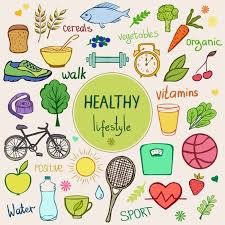
How to Stay Active and Fit During the Summer: 15 Strategies
Updated at: 2023-07-04 19:49:40 (2 years ago by Melkisedeck Leon Shine)
How to Stay Active and Fit During the Summer: 15 Strategies 🌞💪
As the summer heat intensifies, it becomes increasingly tempting to indulge in lazy days by the pool or in front of the air conditioner. However, maintaining an active and fit lifestyle during the summer months is crucial for our physical and mental well-being. So, let's explore 15 strategies that will help you stay active and fit while enjoying the summer season!
1️⃣ Embrace the early morning or late evening hours: The scorching sun can be unbearable during midday, but by scheduling your workouts for the cooler parts of the day, you can avoid the heat and still stay active.
2️⃣ Take advantage of outdoor activities: Engage in activities such as hiking, biking, swimming, or even beach volleyball. These activities not only provide a great workout but also allow you to enjoy the beauty of nature.
3️⃣ Stay hydrated: It is crucial to stay hydrated during the summer to prevent dehydration. Drink plenty of water before, during, and after your workouts to keep your body in top condition.
4️⃣ Incorporate water sports into your routine: Activities like paddleboarding, kayaking, or water aerobics are not only fun but also a fantastic way to stay active and cool off during the hot summer days.
5️⃣ Try indoor workouts: On days when the heat is unbearable, consider indoor workouts such as yoga, Pilates, or dance classes. These activities can help you break a sweat while avoiding the scorching sun.
6️⃣ Set fitness goals: Establish realistic fitness goals that you can work towards during the summer. Whether it's improving your endurance, increasing flexibility, or achieving a certain milestone, setting goals will keep you motivated and on track.
7️⃣ Join a summer sports league: Get involved in a local sports league or recreational team. This not only provides an opportunity to exercise but also allows you to socialize and meet new people with similar interests.
8️⃣ Plan active outings with friends: Instead of meeting up for a meal or drinks, plan outings that involve physical activities. This could include going for a hike, playing Frisbee at the park, or trying out a new fitness class together.
9️⃣ Explore new places: Summer is the perfect time to explore new outdoor locations. Visit nearby national parks, go on a road trip, or take long walks in unfamiliar neighborhoods. The novelty will keep things interesting and motivate you to stay active.
🔟 Incorporate strength training: Don't neglect strength training during the summer. Carve out time for weightlifting or bodyweight exercises to maintain and build muscle strength.
1️⃣1️⃣ Stay consistent: Consistency is key when it comes to staying active and fit. Set aside specific days and times for your workouts and stick to them throughout the summer.
1️⃣2️⃣ Practice mindful eating: Summer often brings an abundance of tempting treats and indulgences. Practice mindful eating by listening to your body's hunger and fullness cues, and opt for nutritious options whenever possible.
1️⃣3️⃣ Use technology to your advantage: There are countless fitness apps and wearable devices available that can help track your progress, provide workout guidance, and keep you motivated throughout the summer.
1️⃣4️⃣ Take active breaks at work: If you have a sedentary job, make it a point to take active breaks throughout the day. Stretch, do a quick workout routine, or simply take a walk around the office to get your blood flowing.
1️⃣5️⃣ Stay motivated: Finally, find ways to stay motivated during the summer months. Whether it's joining a fitness challenge, tracking your progress visually, or rewarding yourself for reaching milestones, having that extra motivation will keep you on track towards your fitness goals.
Staying active and fit during the summer might seem challenging, but with these 15 strategies, you can make the most of the season while keeping your health a top priority. Embrace the outdoors, stay hydrated, set goals, and find activities that bring you joy. Remember, a healthy and active summer leads to a happier and more fulfilling life overall!
Updated at: 2025-06-09 11:45:21 (9 months ago by Melkisedeck Leon Shine)
This article explores the multifaceted nature of resilience, defined as the capacity to adapt successfully to stress and adversity, and presents a comprehensive framework for cultivating this crucial life skill. We will examine key theoretical models and practical strategies, illustrating their application through real-world examples. The concepts of positive psychology, stress-coping mechanisms, and social support networks will be central to our discussion.
Conclusions and Recommendations: Building resilience is a dynamic and ongoing process requiring consistent effort and self-awareness. By integrating the strategies outlined above, individuals can significantly enhance their capacity to navigate life's inevitable challenges. Future research should explore the long-term effects of these interventions on different populations and the potential for integrating these strategies into various settings such as schools, workplaces, and community programs. The development of tailored interventions based on individual needs and contexts is also crucial for maximizing the effectiveness of resilience-building initiatives. The integration of technology-based interventions, such as mindfulness apps and online support groups, also warrants further investigation. The impact of these interventions on broader societal well-being is significant, contributing to individual thriving and increased societal resilience.
Reader Pool: What additional strategies or interventions could be incorporated into resilience-building programs to enhance their effectiveness and accessibility for diverse populations?
Updated at: 2025-07-15 10:51:52 (8 months ago by Melkisedeck Leon Shine)
```htmlCardiovascular wellness, encompassing the health and functionality of the heart and blood vessels, is paramount for overall well-being and longevity. Implementing proactive strategies, grounded in scientific evidence, is essential for mitigating risks and optimizing heart health. This article delves into 15 such strategies, offering a comprehensive roadmap towards fostering a robust cardiovascular system. Before delving into specifics, it's crucial to define cardiovascular health as the efficient function of the heart and blood vessels to supply oxygen and nutrients throughout the body, vital for sustained energy and overall health. A disruption in this system can lead to serious health issues, highlighting the importance of preventative and proactive care.
1. Prioritize Regular Aerobic Exercise: Engaging in consistent aerobic activities is a cornerstone of cardiovascular health. Aerobic exercise, characterized by activities that elevate heart rate and oxygen consumption, includes running, swimming, cycling, and brisk walking. These activities enhance the heart's pumping efficiency through a phenomenon known as cardiac remodeling, improve circulation by promoting vasodilation (the widening of blood vessels), and contribute to blood pressure regulation. The American Heart Association recommends at least 150 minutes of moderate-intensity or 75 minutes of vigorous-intensity aerobic exercise per week to achieve significant cardiovascular benefits. This aligns with the principles of exercise physiology, which demonstrates that regular physical activity enhances the heart's contractility and reduces peripheral vascular resistance.
2. Emphasize a Heart-Healthy Dietary Pattern: A nutritionally balanced diet is fundamental to cardiovascular wellness. This involves prioritizing the consumption of fruits, vegetables, whole grains, lean proteins, and healthy fats while concurrently minimizing the intake of processed foods, sugary beverages, and saturated fats. This dietary approach aligns with the principles of the Mediterranean diet, which has been extensively studied and shown to reduce the risk of cardiovascular events. The DASH (Dietary Approaches to Stop Hypertension) diet is another evidence-based dietary pattern that emphasizes sodium reduction and increased intake of potassium, magnesium, and calcium to regulate blood pressure. Such dietary modifications are rooted in the understanding of how specific nutrients and food components impact lipid profiles, inflammation, and endothelial function, all critical determinants of cardiovascular health. For example, focusing on healthy cooking techniques can significantly contribute to heart health, offering delicious and simple recipes.
3. Optimize Sleep Hygiene: Adequate sleep is an often-overlooked yet critical component of cardiovascular health. Insufficient sleep, generally defined as less than 7-9 hours per night for adults, can trigger a cascade of physiological responses that negatively impact the heart. These include elevated blood pressure, increased appetite and subsequent weight gain, and heightened stress hormone levels. These factors collectively increase the risk of cardiovascular disease. Prioritizing sleep hygiene involves establishing a consistent sleep schedule, creating a conducive sleep environment (dark, quiet, and cool), and practicing relaxation techniques to promote restorative sleep. This approach is consistent with chronobiology research, which demonstrates the profound influence of circadian rhythms on cardiovascular function and metabolic regulation.
4. Achieve Smoking Cessation: Smoking is a well-established risk factor for cardiovascular disease, inflicting damage on blood vessels, elevating blood pressure, and increasing the propensity for blood clot formation. Quitting smoking yields immediate and long-term benefits for cardiovascular health. Within just a few weeks of cessation, individuals typically experience improvements in circulation and lung function. Furthermore, smoking cessation reduces the risk of heart attack, stroke, and peripheral artery disease. Employing evidence-based strategies such as nicotine replacement therapy, counseling, and support groups can significantly improve the likelihood of successful smoking cessation. This aligns with the principles of behavioral economics, which highlight the importance of incentives and social support in promoting behavior change.
5. Moderate Alcohol Consumption: While moderate alcohol consumption has been associated with some potential cardiovascular benefits in certain populations, excessive alcohol intake is unequivocally detrimental to heart health. Excessive alcohol consumption can elevate blood pressure, contribute to the development of heart failure, and increase the risk of arrhythmias (irregular heartbeats). If alcohol is consumed, it should be done so in moderation, defined as up to one drink per day for women and up to two drinks per day for men. This recommendation is based on epidemiological studies that have identified a J-shaped relationship between alcohol consumption and cardiovascular risk, with moderate consumption potentially conferring some protection while excessive consumption increases risk.
6. Implement Stress Management Techniques: Chronic stress exerts a significant toll on cardiovascular health. When confronted with stress, the body activates the sympathetic nervous system, triggering the release of stress hormones such as cortisol and adrenaline. These hormones can elevate heart rate, blood pressure, and inflammation, all of which contribute to cardiovascular risk. Engaging in stress-reducing activities such as yoga, meditation, deep breathing exercises, or pursuing hobbies can mitigate the negative effects of stress on the heart. These techniques align with the principles of psychoneuroimmunology, which explores the intricate interactions between the nervous system, the immune system, and psychological processes. Mindful Conflict Resolution and mastering difficult conversations can also reduce stress levels in interpersonal relationships.
7. Incorporate Strength Training: In addition to aerobic exercise, strength training plays a valuable role in cardiovascular health. Strength training helps build muscle mass, which in turn increases metabolic rate and improves insulin sensitivity. These factors contribute to weight management and reduce the risk of type 2 diabetes, a major risk factor for cardiovascular disease. Aim for at least two strength training sessions per week, targeting all major muscle groups. This recommendation is based on the principles of exercise physiology, which demonstrates that resistance training improves muscle strength, endurance, and overall functional capacity.
8. Exercise Caution with Herbal Supplements: While certain herbal supplements, such as garlic, hawthorn, and green tea extract, have been purported to have positive effects on cardiovascular health, it is crucial to exercise caution and consult with a healthcare professional before incorporating them into your routine. The efficacy and safety of many herbal supplements have not been rigorously evaluated, and some may interact with medications or have adverse side effects. A critical appraisal of the scientific literature is warranted before using herbal supplements for cardiovascular health.
9. Address Sleep Apnea: Sleep apnea, a condition characterized by recurrent interruptions in breathing during sleep, is associated with an increased risk of hypertension, heart failure, and stroke. Individuals who suspect they may have sleep apnea should seek medical evaluation and treatment. Treatment options may include lifestyle modifications, such as weight loss and positional therapy, as well as medical interventions such as continuous positive airway pressure (CPAP) therapy. Addressing sleep apnea can significantly improve cardiovascular outcomes. This is particularly important because sleep apnea often goes undiagnosed, silently increasing cardiovascular risk.
10. Manage Cholesterol Levels: Elevated cholesterol levels, particularly LDL ("bad") cholesterol, can contribute to the formation of plaques in the arteries, leading to atherosclerosis and increasing the risk of heart attack and stroke. Managing cholesterol levels involves adopting a heart-healthy diet, engaging in regular physical activity, and, if necessary, taking medication as prescribed by a healthcare professional. Statin medications are commonly used to lower LDL cholesterol levels and reduce cardiovascular risk. This approach aligns with the principles of lipidology, which focuses on the study and management of lipid disorders to prevent cardiovascular disease.
11. Monitor Blood Pressure Regularly: Hypertension, or high blood pressure, is a major risk factor for cardiovascular disease. Many people with hypertension are unaware of their condition because it often has no symptoms. Regular blood pressure monitoring is essential for early detection and management. Blood pressure can be monitored at home using a home blood pressure monitor or during routine check-ups with a healthcare provider. Lifestyle modifications, such as dietary changes, exercise, and stress management, can often effectively control blood pressure. Medication may be necessary for individuals with more severe hypertension. This proactive approach is rooted in preventative medicine, which emphasizes early detection and intervention to mitigate disease risk.
12. Maintain a Healthy Weight: Excess weight, particularly abdominal obesity, increases the risk of cardiovascular disease. Obesity is associated with a cluster of metabolic abnormalities, including insulin resistance, high blood pressure, and abnormal lipid profiles, all of which contribute to cardiovascular risk. Achieving and maintaining a healthy weight through a combination of a balanced diet and regular physical activity is crucial for cardiovascular health. This approach aligns with the principles of obesity medicine, which focuses on the comprehensive management of obesity and its associated health complications.
13. Cultivate Social Connections: Strong social connections have been linked to improved cardiovascular health. Social isolation and loneliness can increase stress levels, impair immune function, and increase the risk of cardiovascular disease. Cultivating meaningful relationships with family, friends, and community members can provide emotional support, reduce stress, and promote overall well-being. These findings align with the principles of social epidemiology, which explores the social determinants of health and the impact of social factors on disease risk.
14. Schedule Regular Check-ups: Routine check-ups with a healthcare provider are essential for monitoring cardiovascular health. During these check-ups, healthcare providers can assess risk factors, screen for early signs of cardiovascular disease, and provide personalized advice on lifestyle modifications and medical treatments. Regular check-ups are particularly important for individuals with a family history of heart disease or other risk factors. This proactive approach is consistent with the principles of preventative medicine, which emphasizes early detection and intervention to mitigate disease risk.
15. Effectively Manage Diabetes: Diabetes significantly elevates the risk of cardiovascular disease. Individuals with diabetes are more likely to develop hypertension, abnormal lipid profiles, and atherosclerosis. Proper management of diabetes through medication, a healthy diet, regular exercise, and regular blood sugar monitoring is essential for minimizing the impact on cardiovascular health. This comprehensive approach aligns with the principles of diabetes management, which focuses on achieving optimal glycemic control and preventing diabetes-related complications.
Conclusion and Recommendations:
In conclusion, adopting these 15 evidence-based strategies constitutes a comprehensive approach to promoting optimal cardiovascular wellness. The integration of regular aerobic exercise, a heart-healthy dietary pattern, optimized sleep hygiene, smoking cessation, moderate alcohol consumption, stress management techniques, strength training, cautious use of herbal supplements, addressing sleep apnea, managing cholesterol levels, regular blood pressure monitoring, maintaining a healthy weight, cultivating social connections, scheduling regular check-ups, and effectively managing diabetes can significantly reduce the risk of cardiovascular disease and enhance overall well-being.
These recommendations are universally applicable, though specific modifications may be necessary based on individual health status, genetics, and lifestyle factors. For instance, individuals with pre-existing cardiovascular conditions may require more intensive interventions and closer monitoring by healthcare professionals. Further research is warranted to investigate the synergistic effects of these strategies and to identify novel approaches for preventing and treating cardiovascular disease. Future studies could also explore the role of emerging technologies, such as wearable sensors and telehealth, in promoting cardiovascular health and facilitating remote monitoring and management.
Impacts and Applicability:
The implementation of these strategies has far-reaching impacts, extending beyond individual health to encompass public health and economic considerations. A healthier population translates to reduced healthcare costs, increased productivity, and improved quality of life. These strategies are applicable across diverse settings, including homes, workplaces, schools, and communities. Public health initiatives can promote cardiovascular health by implementing policies that encourage healthy eating, physical activity, and smoking cessation. Healthcare providers can play a crucial role in educating patients about these strategies and providing personalized guidance on how to implement them effectively.
Furthermore, consider integrating strategies for emotional wellness as emotional maturity plays a crucial role in maintaining stable relationships and overall well-being. This holistic approach can contribute significantly to a healthier lifestyle.
Reader Pool: How do you believe technological advancements, such as wearable health trackers and AI-driven personalized health advice, will shape the future of cardiovascular health management and prevention?
``` **Reference Links:** * [Mastering Difficult Conversations: A Guide to Stronger Relationships](https://mobile.ackyshine.com/post.php?post=106909) * [Healthy Cooking for Beginners: Delicious and Simple Recipes to Get Started](https://mobile.ackyshine.com/post.php?post=106888) * [Mindful Conflict Resolution: A Guide to Calm and Clear Communication in Relationships](https://mobile.ackyshine.com/post.php?post=106875) * [Emotional Maturity: Building Stronger, Lasting Relationships](https://mobile.ackyshine.com/post.php?post=106883) * [Finding Strength and Hope: Bible Verses for Trusting God in Uncertain Times](https://mobile.ackyshine.com/post.php?post=106887)
Updated at: 2025-05-17 12:12:48 (10 months ago by Melkisedeck Leon Shine)
Contemporary society often prioritizes achievement and acquisition, potentially overshadowing the significance of appreciating life's inherent blessings. This neglect can detrimentally impact mental health, increasing susceptibility to stress and decreasing overall life satisfaction. However, cultivating gratitude offers a robust countermeasure, fostering resilience, contentment, and enhanced psychological well-being. This article presents fifteen evidence-based strategies for integrating gratitude practices into daily life, promoting a positive shift in perspective and improved mental health outcomes.
1. Mindful Appreciation: Present Moment Awareness and Gratitude
Mindfulness, the practice of focusing on the present moment without judgment, provides a fertile ground for cultivating gratitude. Techniques such as meditation or deep breathing exercises enhance awareness of sensory experiences and emotional states, allowing for appreciation of subtle joys and everyday occurrences often overlooked in a state of preoccupation. This aligns with the principles of mindfulness-based stress reduction (MBSR), demonstrating its effectiveness in reducing stress and improving emotional regulation, thereby fostering a climate for increased gratitude.
2. Expressive Gratitude: Strengthening Social Bonds and Promoting Positive Affect
Actively expressing appreciation to others strengthens social connections and enhances positive affect. Verbal affirmations of gratitude, whether a simple "thank you" or a more elaborate expression of appreciation, positively impact both the giver and the recipient. This reciprocal altruism, supported by social exchange theory, creates a positive feedback loop, strengthening relationships and fostering a sense of interconnectedness that contributes significantly to overall well-being.
3. Proactive Gratitude Journaling: Cognitive Restructuring and Positive Self-Reflection
Regularly documenting aspects for which one feels thankful, through journaling, facilitates cognitive restructuring. By focusing on positive experiences, even seemingly mundane ones, individuals can actively shift their attention away from negative thought patterns and cultivate a more optimistic perspective. This aligns with cognitive behavioral therapy (CBT) principles, where cognitive restructuring is a key technique for managing negative emotions and promoting positive mental health.
4. The Gratitude Inventory: Regularly Acknowledging Positive Aspects
Daily listing of things for which one is grateful, even just three to five items, reinforces the habit of appreciation. This consistent engagement strengthens neural pathways associated with positive emotions, leading to a more pervasive sense of thankfulness and contentment. This systematic approach is akin to habit formation theories, where repeated actions gradually become ingrained behaviors.
5. Acts of Generosity: The Reciprocal Benefits of Altruism
Engaging in altruistic acts, such as volunteering or performing random acts of kindness, fosters a profound sense of gratitude. The act of giving back to the community, supported by research on prosocial behavior, generates feelings of fulfillment and appreciation for one's own blessings. This aligns with the concept of empathy-altruism hypothesis, which proposes that genuine altruism is driven by empathy and concern for others’ well-being.
6. Visual Gratitude Reminders: Utilizing Visual Cues to Enhance Appreciation
Creating a visual reminder of things one is grateful for, such as a gratitude jar or a collage, provides ongoing stimuli for positive reflection. These visual cues serve as consistent reminders of life's blessings, reinforcing the practice of gratitude and maintaining a positive focus. This method leverages principles of visual learning and environmental design, promoting the conscious and subconscious appreciation of positive aspects of life.
7. Reflective Gratitude: Learning from Challenges and Appreciating Resilience
Reflecting on past difficulties and identifying lessons learned promotes a sense of appreciation for personal growth and resilience. This process encourages a more balanced perspective, acknowledging hardships while appreciating the strength and wisdom gained through overcoming adversity. This approach aligns with the principles of post-traumatic growth (PTG), highlighting the potential for positive transformation in the face of adversity.
8. Cultivating Positive Social Connections: The Impact of Social Support on Well-being
Surrounding oneself with positive and supportive individuals strengthens emotional well-being and fosters gratitude. Positive social interactions enhance feelings of belonging and appreciation, reducing feelings of isolation and promoting a more optimistic outlook. This underscores the crucial role of social support in maintaining mental health, aligning with social support theory.
9. Practicing Self-Compassion: Nurturing Self-Kindness and Appreciation
Treating oneself with kindness and understanding, especially during challenging times, fosters self-acceptance and appreciation. Self-compassion, as a practice rooted in self-acceptance and self-kindness, counteracts self-criticism and promotes emotional regulation, thereby supporting overall well-being. This directly addresses the self-criticism aspect often hindering individuals from experiencing gratitude.
10. Expressing Gratitude Through Written Communication: The Power of Handwritten Notes
Taking the time to write heartfelt thank-you notes strengthens relationships and reinforces personal appreciation. The thoughtful gesture of a handwritten note conveys genuine appreciation and deepens emotional connection, surpassing the impact of more casual forms of gratitude expression. This emphasizes the importance of genuine interpersonal communication in enhancing psychological well-being.
11. Active Listening: Deepening Connections and Fostering Appreciation
Practicing active listening enhances empathy and connection, increasing gratitude for meaningful relationships. By fully engaging with others during conversations, individuals demonstrate genuine care and appreciation, strengthening bonds and enhancing the overall sense of connection and gratitude. This aligns with communication theories emphasizing the significance of attentive listening in fostering positive relationships.
12. Celebrating Achievements: Acknowledging Personal Growth and Progress
Recognizing and celebrating personal accomplishments, regardless of size, fosters self-esteem and gratitude for one's efforts. Celebrating achievements, even small victories, reinforces positive self-perception and encourages a growth mindset, thereby enhancing gratitude for personal development and progress. This resonates with self-determination theory which emphasizes the importance of autonomy, competence, and relatedness in fostering intrinsic motivation and well-being.
13. Setting a Positive Tone: Initiating the Day with Gratitude
Beginning the day by mentally listing things one is grateful for sets a positive tone for the entire day. This proactive approach aligns with the concept of affective forecasting, suggesting that initiating the day with positive thoughts influences subsequent emotional states throughout the day. This creates a positive emotional baseline for managing challenges and appreciating everyday occurrences.
14. Strategic Gratitude: Focusing on Specific Aspects of Life
Regularly reflecting on specific areas of life for which one feels grateful (e.g., health, relationships, accomplishments) promotes targeted appreciation. This structured approach to gratitude promotes a deeper understanding of one's blessings, leading to a more sustained and profound sense of thankfulness. This aligns with the concept of tailored interventions, emphasizing individual needs and priorities.
15. Sharing Gratitude: Extending Appreciation to Others
Sharing expressions of gratitude with others spreads positivity and enhances collective well-being. This act of sharing reinforces personal gratitude while also contributing to a more positive social environment. This underscores the power of collective gratitude in building supportive communities and strengthening social cohesion.
Conclusions and Recommendations
Consistent implementation of these gratitude practices can significantly enhance psychological well-being by fostering positive emotions, strengthening relationships, and improving coping mechanisms. Further research could explore the long-term effects of these practices on various demographic groups and clinical populations. Integrating gratitude practices into therapeutic interventions, stress management programs, and educational settings offers substantial potential for promoting mental health and overall life satisfaction. The widespread adoption of gratitude practices could significantly contribute to a more positive and resilient society, highlighting the need for further research and practical applications to maximize its societal impact.
Reader Pool: What additional strategies, informed by relevant psychological theories and models, could be integrated to enhance the effectiveness of these gratitude practices?
Updated at: 2023-07-04 19:49:31 (2 years ago by Melkisedeck Leon Shine)
How to Incorporate Mindfulness into Everyday Activities: 15 Strategies 🧘♀️🌼
In our fast-paced and hectic world, it is becoming increasingly important to find moments of peace and clarity amidst the chaos. Mindfulness, the practice of being fully present and aware of the current moment, offers a powerful tool to achieve this. By incorporating mindfulness into our everyday activities, we can cultivate a deeper sense of connection, reduce stress, and enhance our overall well-being. In this article, we will explore 15 practical strategies to infuse mindfulness into our daily routines, providing detailed examples and professional advice.
Mindful Breathing: Take a few moments each day to focus on your breath. Close your eyes, inhale deeply, and exhale slowly, allowing yourself to fully experience each breath. 🌬️
Mindful Eating: Pay attention to the tastes, textures, and smells of your food. Chew slowly and savor each bite, fully engaging your senses. 🍽️
Mindful Walking: Next time you go for a stroll, bring your awareness to the sensation of your feet touching the ground. Notice the rhythm of your steps and the sights and sounds around you. 🚶♀️🌳
Mindful Listening: When engaged in a conversation, give your full attention to the speaker. Focus on their words, tone, and body language, without judgment. 🗣️👂
Mindful Cleaning: Transform mundane chores into mindful activities. Pay attention to the sensations of cleaning, notice the smells and textures of your cleaning products, and appreciate the cleanliness you create. 🧹🧼
Mindful Showering: During your daily shower, bring your awareness to the feeling of water on your skin, the scent of your shampoo, and the soothing sound of running water. 🚿
Mindful Driving: While driving, be fully present and aware of the road, traffic, and your surroundings. Avoid distractions and focus on the act of driving. 🚗🛣️
Mindful Work: Whether at the office or working from home, practice mindfulness by giving your complete attention to each task. Notice your breath, posture, and the sensations in your body as you work. 💼💻
Mindful Commuting: Instead of mindlessly scrolling through your phone on your daily commute, take the opportunity to observe your surroundings. Notice the people, buildings, and nature along your way. 🚇📱
Mindful Stretching: Incorporate mindfulness into your exercise routine by focusing on the sensations of stretching your muscles. Be aware of your body's movements and any areas of tension. 🧘♂️💪
Mindful Reading: When reading a book or article, immerse yourself in the content. Allow your mind to fully engage with the words on the page, savoring the knowledge and insights. 📚👀
Mindful Hobbies: Whether it's painting, gardening, or playing a musical instrument, bring mindfulness into your leisure activities. Pay attention to the process, the sensations, and the joy they bring. 🎨🌸🎵
Mindful Parenting: Practice being fully present with your children. Engage in activities together, giving them your undivided attention. Create precious moments and build deeper connections. 👪💕
Mindful Technology Use: Use technology mindfully by setting boundaries and taking regular breaks. Be aware of the impact it has on your emotions and well-being. 📱⏰
Mindful Reflection: At the end of each day, take a few minutes to reflect on your experiences. Acknowledge and observe your thoughts and emotions without judgment. This practice will help you cultivate self-awareness. 🌙🤔
Incorporating mindfulness into everyday activities may take time and practice. Start small, pick a few strategies that resonate with you, and gradually incorporate more. Remember, mindfulness is about being present, non-judgmental, and compassionate toward yourself and others. Embrace these strategies and watch as your overall sense of well-being and clarity blossom. 🌻🌟
Updated at: 2025-02-28 11:18:07 (1 year ago by Melkisedeck Leon Shine)
```htmlWinter's chill might tempt you to hibernate, but maintaining an active lifestyle is crucial for both physical and mental well-being. Don't let the dropping temperatures derail your fitness journey! This comprehensive guide offers fifteen engaging and effective ways to stay fit and energized throughout the winter months.
Winter offers unique opportunities for invigorating physical activity. Forget the treadmill – explore the snowy landscapes!
1. Hit the Slopes: Skiing, snowboarding, and snow tubing are thrilling full-body workouts, providing cardiovascular benefits and strengthening leg muscles. The adrenaline rush is an added bonus!
2. Winter Hiking: Bundle up warmly and explore scenic winter hiking trails. The crisp, clean air and stunning winter landscapes provide a peaceful and invigorating workout. Remember to wear appropriate footwear and dress in layers.
3. Snow Shoveling Superhero: Transform a winter chore into a calorie-burning workout. Shoveling snow is a surprisingly effective upper-body and cardiovascular exercise. Just remember to lift with your legs and take breaks to avoid injury.
4. Fat Tire Biking: Embrace the snow with fat tire biking! These wide tires allow you to navigate snowy trails, building strength and endurance while enjoying the winter scenery. Be sure to check trail conditions before you go.
When the weather outside is frightful, there are plenty of ways to stay active indoors. The possibilities are endless!
5. Home Gym Haven: Create your personal fitness sanctuary! Invest in some basic equipment like dumbbells, resistance bands, or a yoga mat to build a convenient home gym. Numerous online resources offer guided workouts for all fitness levels.
6. Indoor Swimming: Swimming is a fantastic low-impact workout that engages all major muscle groups. Find a local indoor pool for a refreshing and effective full-body exercise. The buoyancy of the water makes it gentle on your joints.
7. Fitness Class Frenzy: Join a fitness class to stay motivated and accountable. From Zumba and yoga to HIIT and spin, a variety of classes cater to diverse interests and fitness levels. The social aspect of group fitness can be a significant motivator.
8. Virtual Fitness Journey: Take advantage of countless online fitness platforms. Find virtual classes in yoga, cardio, strength training, and more, all from the comfort of your home. Many platforms offer free trials, allowing you to explore different styles.
9. Rock Climbing: Many cities boast indoor rock climbing gyms, offering a fun and challenging workout that improves strength, balance, and coordination. It's a fantastic full-body exercise with a social element.
Staying active doesn't always require a gym membership or expensive equipment. Get creative and incorporate movement into your daily routine!
10. Take the Stairs: Skip the elevator and escalator whenever possible. Climbing stairs is a simple yet effective cardiovascular workout that strengthens leg muscles.
11. Dance Party: Turn up the music and dance your heart out! Dancing is a fun way to improve cardiovascular health, boost mood, and relieve stress.
12. YouTube Workout Wonders: YouTube is a treasure trove of workout videos for all levels. Explore different routines and find ones that suit your preferences and fitness goals.
Staying active can be even more fun when done with others!
13. Ice Hockey or Broomball: Gather friends or join a league for a fun and energetic winter sport. These activities provide a fantastic cardiovascular workout and foster teamwork.
14. Winter Charity Runs: Participate in a winter charity run or walk to support a good cause while staying active and motivated. The shared purpose and camaraderie can enhance your fitness journey.
Remember that fitness encompasses physical and mental well-being. Integrate mindfulness into your winter routine:
15. Winter Yoga & Mindfulness: Winter is a perfect time to practice relaxation and mindfulness. A winter yoga session focuses on calming the mind and body, counteracting the winter blues.
Staying active during the winter months is key to maintaining both physical and mental health. By embracing these diverse activities and staying committed to your fitness goals, you can conquer the cold and emerge feeling energized and invigorated. Stay motivated, stay healthy!
```
Updated at: 2025-02-22 11:18:48 (1 year ago by Melkisedeck Leon Shine)
A thriving digestive system is the cornerstone of overall well-being. Beyond efficient digestion, a healthy gut fortifies your immune system and optimizes nutrient absorption. Struggling with bloating, gas, or irregular bowel movements? This comprehensive guide outlines 15 actionable steps to revolutionize your digestive health and cultivate a flourishing gut microbiome.
1. Embrace the Fiber Powerhouse: Fuel your body with a diverse array of fiber-rich foods. Fruits, vegetables, whole grains, and legumes are your allies in regulating bowel movements and nurturing beneficial gut bacteria. A diet abundant in fiber provides the essential building blocks for a robust digestive system.
2. Hydration is Key: Adequate hydration is paramount for optimal digestion. Dehydration significantly hinders digestive processes, often leading to constipation. Make conscious efforts to drink plenty of water throughout the day, supporting efficient bowel function.
3. The Art of Mindful Chewing: Thorough chewing is often overlooked yet plays a crucial role in digestion. By breaking down food particles before swallowing, you ease the burden on your digestive system, promoting efficient processing and nutrient extraction.
4. Prioritize Whole, Unprocessed Foods: Processed and refined foods often lack essential nutrients while being laden with unhealthy fats and sugars. Transition to a diet rich in whole, unprocessed foods, providing your body with the vital nutrients it needs to thrive.
5. Harness the Power of Probiotics: Fermented foods such as yogurt, kefir, sauerkraut, and kimchi are nutritional powerhouses, teeming with beneficial bacteria. These probiotics foster a balanced gut microbiome, contributing significantly to digestive harmony.
6. Taming the Stress Response: Chronic stress can wreak havoc on your digestive system. Incorporate stress-reducing techniques like yoga, meditation, or spending time in nature to alleviate stress and promote digestive regularity.
7. Navigate Fats Wisely: While fats are essential, high-fat foods can impede digestion and increase acid reflux risk. Choose healthy fats found in avocados, nuts, and seeds, ensuring balanced fat intake for optimal digestion.
8. Establish a Rhythmic Eating Pattern: A consistent eating schedule helps regulate your digestive system. Establish regular mealtimes and avoid skipping meals to maintain a steady digestive rhythm.
9. The Movement Advantage: Regular physical activity enhances digestion by stimulating blood flow to the digestive organs. Aim for at least 30 minutes of moderate-intensity exercise daily, such as walking, jogging, or cycling.
10. Mindful Eating: Portion Control: Overeating overwhelms your digestive system. Practice mindful eating, savoring each bite and stopping when comfortably full. This approach prevents digestive distress and promotes a balanced intake.
11. Moderate Caffeine and Alcohol Intake: Caffeine and alcohol can irritate the digestive tract. Moderation is key; consider herbal teas as alternatives and limit alcoholic beverages.
12. Prioritize Sleep: Sufficient sleep is crucial for overall health, including digestive well-being. Aim for seven to eight hours of quality sleep nightly to support digestive processes and prevent gastrointestinal issues.
13. Quit Smoking for Gut Health: Smoking's detrimental effects extend beyond respiratory health; it negatively impacts digestion. Quitting smoking significantly improves gut health and overall well-being.
14. Seek Professional Guidance: Persistent or worsening digestive issues warrant professional attention. Consult a healthcare professional or registered dietitian for personalized advice and to rule out underlying conditions.
15. Identify and Manage Food Intolerances: Pay close attention to your body's response to different foods. Common intolerances involve gluten, dairy, and FODMAPs. Eliminating or reducing these foods may dramatically alleviate digestive discomfort.
Improving your digestive health is a journey, not a race. By consistently integrating these strategies into your lifestyle, you'll pave the way for a healthier, happier gut and significantly enhance your overall well-being. Start small, be patient, and celebrate every step towards a thriving digestive system!
Updated at: 2025-03-02 20:22:40 (1 year ago by Melkisedeck Leon Shine)
```htmlIn today's fast-paced world, prioritizing fitness often feels like a monumental challenge. The demands of work, family, and daily life can leave little time for physical activity. However, seamlessly integrating exercise into your daily routine is achievable. By embracing small, incremental changes and employing creative strategies, you can maintain an active lifestyle without disrupting your schedule. This article presents 15 practical and effective methods to make exercise an integral part of your everyday life.
1. Kickstart Your Day with Movement: Begin each day with a short burst of activity. This could involve simple stretching, a few push-ups, or a brisk walk around your neighborhood. Even 5-10 minutes can make a difference in setting a positive, active tone for the entire day.
2. Conquer the Stairs: Opt for the stairs instead of the elevator whenever feasible. This seemingly minor adjustment can significantly increase your daily physical activity without demanding extra time from your already busy schedule. It's a simple yet impactful way to boost your step count.
3. Walking Meetings: Transform your next meeting with a colleague or friend into a walking meeting. This dual-purpose approach allows for productive conversation while simultaneously incorporating physical activity into your day. Choose a scenic route for an added benefit!
4. An Active Commute: For shorter distances, choose active transportation methods such as walking or cycling. This not only enhances your physical health but also contributes to environmental sustainability, making it a win-win situation.
5. Desk-Based Exercises: Incorporate simple exercises into your workday. During short breaks, stretch your limbs, perform squats, or engage in desk yoga to maintain energy levels and improve circulation. These mini-workouts can significantly reduce stiffness and enhance focus.
6. Maximize Your Lunch Break: Utilize your lunch break for a quick workout. This could involve a brisk jog, a visit to the gym, or following a short online fitness class. Prioritizing fitness during your break can significantly boost your overall well-being.
7. Family Fitness Fun: Engage your family in physical activities. Plan weekend hikes, biking excursions, or enjoyable outdoor games. This fosters family bonding while promoting a healthy, active lifestyle for everyone.
8. Dance Your Way to Fitness: Incorporate short dance breaks throughout your day to improve your mood and encourage movement. Put on your favorite music and let loose – a fun way to sneak in some exercise!
9. Park Further Away: When running errands, intentionally park farther from your destination. This simple act adds extra steps to your day, contributing to increased calorie burning and overall fitness.
10. Explore New Active Hobbies: Engage in enjoyable activities that promote movement. Consider dance classes, joining a sports team, or taking up gardening. Finding activities you love makes staying active far more enjoyable and sustainable.
11. Workout While You Watch TV: Instead of passive TV viewing, utilize that time for simple exercises like lunges, squats, or planks during commercial breaks or between scenes. You'll be surprised at how much you can accomplish!
12. Leverage Fitness Apps: Download fitness apps offering quick workout routines or personalized training plans. These convenient tools make it easy to exercise anytime, anywhere, whether at home or on the go.
13. The Standing Desk Solution: Consider a standing desk for your workspace. Standing burns more calories than sitting, improves posture, and contributes to better overall health.
14. Active Weekends: Maximize your weekends with outdoor activities that demand physical exertion. Go hiking, swimming, or plan a bike ride with friends and family. These activities offer both recreation and exercise.
15. Goal Setting and Progress Tracking: Set achievable fitness goals and track your progress using fitness trackers or mobile apps. This provides motivation and a sense of accomplishment, encouraging continued commitment to your fitness journey.
Integrating exercise into your daily routine needn't be an overwhelming task. By implementing these 15 practical strategies, you can effortlessly incorporate physical activity into your lifestyle. Remember, even small adjustments can lead to considerable improvements in your overall health and well-being. Embrace creativity, remain dedicated, and relish the positive impact of regular exercise on your life.
```
Updated at: 2025-02-26 02:53:29 (1 year ago by Melkisedeck Leon Shine)
Your gut microbiome—a complex community of bacteria and microorganisms within your digestive tract—is far more than just your digestive system; it's a cornerstone of overall health. This intricate ecosystem profoundly influences digestion, immunity, and even mental well-being. A vibrant gut microbiome significantly contributes to a happier, healthier life. Discover fifteen actionable strategies to cultivate a flourishing gut and optimize your digestive health.
1. Dietary Diversity: Fueling a Flourishing Microbiome: A balanced diet is essential. Prioritize a wide variety of fruits, vegetables, whole grains, lean proteins, and healthy fats. This nutritional diversity provides the essential building blocks for a robust and diverse gut microbiome, fostering the growth of beneficial bacteria and supporting a healthy gut environment.
2. Fiber: The Unsung Hero of Gut Health: Increase your fiber intake dramatically. Excellent sources include beans, legumes, whole grains, fruits, and vegetables. Fiber serves as prebiotic fuel, promoting regular bowel movements and nourishing beneficial gut bacteria, contributing to a balanced and efficient digestive system.
3. Hydration: The Foundation of Digestive Function: Adequate hydration is paramount for optimal digestive function. Consistent hydration throughout the day ensures the smooth and efficient operation of your digestive system, supporting overall gut health.
4. Minimizing Processed Foods: Protecting Your Gut Ecosystem: Processed foods, often lacking in fiber and essential nutrients, can disrupt the delicate balance of your gut microbiome. Prioritize whole, unprocessed foods to support a healthier gut and prevent the negative impacts of artificial ingredients and additives.
5. Stress Management: Calming the Gut-Brain Axis: Chronic stress significantly impacts gut health. Incorporate stress-reducing techniques like meditation, yoga, or regular exercise. These practices promote a calmer state of mind and, in turn, a healthier gut, demonstrating the interconnectedness of mental and physical well-being.
6. Mindful Alcohol Consumption: Protecting Digestive Integrity: Excessive alcohol consumption can irritate the digestive tract and disrupt the gut microbiome's equilibrium. Moderate alcohol intake is key to protecting your digestive health and maintaining a balanced gut ecosystem.
7. Reducing Sugar and Artificial Sweeteners: Nourishing Beneficial Bacteria: High sugar consumption can lead to an unhealthy imbalance within your gut microbiome. Opt for natural sweeteners like honey or stevia sparingly, prioritizing whole foods that support a diverse and healthy gut environment.
8. Probiotics: Introducing Beneficial Bacteria: Probiotics, beneficial bacteria, are essential for a thriving gut. Incorporate high-quality probiotic supplements or consume fermented foods such as yogurt, kimchi, or sauerkraut to introduce these beneficial microorganisms and promote a balanced gut flora.
9. The Power of Chewing: Enhancing Digestion and Nutrient Absorption: Thorough chewing aids digestion and nutrient absorption, maximizing the benefits for your gut bacteria. Savor each bite, allowing for optimal breakdown of food and efficient nutrient uptake.
10. Exercise: Moving Towards a Healthier Gut: Regular physical activity benefits digestion and promotes a healthy gut microbiome. Aim for at least 30 minutes of moderate-intensity exercise most days to improve gut motility and overall digestive health.
11. Prioritizing Sleep: Restoring Gut Balance: Sufficient sleep is crucial for gut health. Sleep deprivation disrupts the gut microbiome's balance, potentially leading to digestive issues. Aim for 7-9 hours of quality sleep nightly for optimal gut function and overall well-being.
12. Judicious Antibiotic Use: Preserving Gut Microbiome Diversity: Antibiotics, while necessary in certain instances, can negatively impact the gut microbiome. Use them only when prescribed by a healthcare professional and consider probiotic supplementation during and after treatment to mitigate potential disruptions.
13. Exploring Fermented Foods: Expanding Gut Microbial Diversity: Kefir, kombucha, and miso are rich in beneficial bacteria, contributing to a more diverse and resilient gut microbiome, enhancing digestive capabilities and overall health.
14. Prebiotics: Feeding Your Friendly Bacteria: Prebiotics, non-digestible fibers, nourish beneficial gut bacteria. Include foods like garlic, onions, and bananas in your diet to support their growth and promote a thriving gut ecosystem.
15. Personalized Gut Health: Listening to Your Body: Pay attention to how different foods affect you. Individual gut microbiomes vary significantly. Adjust your diet to identify foods that promote optimal digestive comfort and overall well-being.
Improving digestive health and nurturing a flourishing gut microbiome is a continuous journey of self-discovery and commitment. By integrating these fifteen strategies into your lifestyle, you'll establish a foundation for optimal digestive wellness, positively impacting your overall health and well-being. Always consult a healthcare professional for personalized guidance and advice tailored to your unique health needs.
Updated at: 2023-07-04 19:50:44 (2 years ago by Melkisedeck Leon Shine)
How to Stay Healthy While Working from Home: 15 Practical Tips
In recent times, the concept of working from home has become increasingly popular and necessary. While it offers numerous advantages, such as flexibility and convenience, it also presents unique challenges when it comes to maintaining our health. Without the structure and routine of a traditional office environment, it can be easy to fall into unhealthy habits. However, with some practical tips and a little self-discipline, you can ensure that your work-from-home experience not only remains productive but also promotes your overall well-being. Here are 15 practical tips to help you stay healthy while working from home:
Establish a designated workspace: Set up a dedicated area where you can work comfortably, separate from your living space. This will help create a boundary between your professional and personal life.
Maintain a routine: Stick to a regular schedule, just as you would in an office setting. Set consistent working hours to establish a sense of structure and aid productivity.
Dress for success: Although it may be tempting to work in your pajamas, getting dressed as if you were going to the office helps put you in a productive mindset and boosts self-confidence.
Take regular breaks: Avoid sitting for prolonged periods by scheduling short breaks throughout the day. Use these breaks to stretch, walk around, or even do quick exercises to keep your blood flowing.
Stay hydrated: Keep a water bottle nearby and ensure you're drinking enough fluids throughout the day. Proper hydration is crucial for maintaining focus and overall well-being.
Incorporate movement into your day: Make time for regular physical activity, even if it's just a short walk or a home workout. Exercise not only improves physical health but also enhances mental clarity and reduces stress.
Practice good ergonomics: Set up your workspace ergonomically by ensuring your chair, desk, and computer are all positioned correctly. This will help prevent posture-related issues and discomfort.
Prioritize healthy meals: Avoid the temptation to snack mindlessly throughout the day. Plan your meals ahead of time and opt for nutritious options to fuel your body and mind.
Minimize distractions: Create an environment conducive to focus by eliminating distractions such as excessive noise, clutter, or interruptions from family members. Use noise-canceling headphones if needed.
Take advantage of natural light: Position your workspace near a window to allow natural light to enter. Exposure to sunlight has numerous health benefits, including boosting your mood and productivity.
Practice good sleep hygiene: Maintain regular sleep patterns and ensure you're getting enough restful sleep each night. Establish a relaxing bedtime routine and create a sleep-friendly environment.
Connect with colleagues: Stay socially connected with your coworkers through virtual meetings, emails, or instant messaging. Regular communication helps combat feelings of isolation and fosters collaboration.
Set boundaries: Establish clear boundaries between work and personal life. Avoid working beyond your designated hours and ensure you have time for hobbies, self-care, and quality time with loved ones.
Practice stress management techniques: Find healthy outlets for stress, such as meditation, deep breathing exercises, or engaging in hobbies you enjoy. Taking care of your mental health is crucial in a remote work setup.
Allow yourself to disconnect: Once your workday is over, take time to unwind and disconnect from work-related tasks. Engage in activities that bring you joy and help you recharge for the next day.
By implementing these practical tips into your work-from-home routine, you can maintain a healthy balance and optimize your overall well-being. Remember, it's essential to prioritize self-care and proactively address any challenges that may arise. Embrace this new way of working and transform your home into a space that promotes both productivity and good health. 💪🌱🏡