

Safeguarding Africa's Biodiversity: A Path Towards Sustainable Prosperity
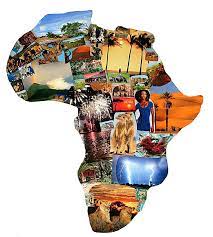
Africa, a continent of breathtaking beauty and unparalleled biodiversity, boasts a rich tapestry of wildlife that captivates the world. From the majestic Serengeti lions to the vibrant coral reefs teeming with life, our natural heritage is a source of immense pride and economic potential. However, this invaluable asset faces unprecedented challenges, demanding a concerted and proactive approach to conservation. This article explores a comprehensive strategy for African leaders to effectively manage natural resources, fostering economic growth while preserving our unique wildlife legacy for generations to come.
Prioritizing Biodiversity for Economic Advancement
The economic value of biodiversity often goes unrecognized. Conserving Africa's wildlife is not merely an environmental imperative; it's a cornerstone of sustainable economic development. Eco-tourism, for instance, offers substantial revenue generation potential, creating jobs and empowering local communities. By showcasing Africa's natural wonders responsibly, we can attract global tourists, fostering economic growth while protecting our environment.
Investing in Sustainable Infrastructure and Partnerships
Developing world-class eco-tourism infrastructure is paramount. This involves investing in sustainable accommodations, transportation, and visitor facilities that minimize environmental impact while maximizing economic benefits for local communities. Furthermore, forging strong international partnerships with governments, NGOs, and conservation organizations is crucial. Collaboration unlocks access to vital expertise, funding, and technological advancements, enhancing the effectiveness of conservation efforts.
Strengthening Legal Frameworks and Enforcement
Robust legal frameworks and effective enforcement are essential to combating poaching, illegal wildlife trade, and habitat destruction. Stringent penalties and rigorous monitoring systems must be in place to deter illegal activities and protect vulnerable species. This requires increased investment in anti-poaching units, improved intelligence gathering, and strong judicial processes to ensure perpetrators face justice.
Empowering Communities and Educating Future Generations
Local communities are often at the forefront of conservation efforts. By empowering them through training, economic incentives, and meaningful participation in decision-making processes, we can foster a sense of ownership and responsibility. Simultaneously, investing in environmental education is crucial to shaping a generation of conservation-minded citizens. Educating children and youth about the importance of biodiversity instills a deep appreciation for the natural world and motivates future leaders to prioritize conservation.
Balancing Development with Environmental Preservation
Sustainable development is not a compromise; it's a synergy between economic growth and environmental protection. Promoting responsible mining practices, sustainable agriculture techniques, and the adoption of renewable energy sources are crucial steps. These practices minimize environmental degradation while fostering economic opportunities. Investing in renewable energy reduces reliance on fossil fuels, mitigating the harmful effects of traditional energy production on ecosystems.
Habitat Protection and Technological Innovation
Protecting and restoring natural habitats is fundamental to wildlife survival. Establishing protected areas, implementing reforestation initiatives, and combating deforestation are crucial. Furthermore, supporting research and innovation in biodiversity conservation is vital. Investing in scientific research leads to groundbreaking discoveries and technological advancements, providing innovative solutions to the complex challenges faced by wildlife and ecosystems.
Sustainable Practices and Community-Based Conservation
Sustainable agricultural practices that prioritize soil health, water conservation, and biodiversity protection are essential for food security. Developing eco-friendly industries and alternative livelihoods for communities dependent on natural resources diversifies income streams and reduces pressure on ecosystems. This approach ensures both economic stability and environmental sustainability.
Policy, Leadership, and Global Collaboration
African leaders must champion eco-conscious policies, integrating environmental considerations into all decision-making processes. Learning from successful conservation initiatives worldwide, such as those in Costa Rica and Botswana, allows us to adapt best practices to the African context. Finally, fostering African unity is paramount. By sharing knowledge, resources, and experiences, we can create a powerful collective voice advocating for the protection of Africa's wildlife on the global stage.
A Collective Responsibility
In conclusion, preserving Africa's exceptional biodiversity requires a multifaceted and collaborative approach. By embracing sustainable practices, empowering communities, strengthening legal frameworks, and fostering international partnerships, we can ensure a thriving future for both people and wildlife. Let us collectively champion the cause of biodiversity conservation, safeguarding our continent's rich natural heritage for generations to come. What steps will you take to contribute to the conservation of Africa's unique wildlife?
```


No comments yet. Be the first to share your thoughts!