

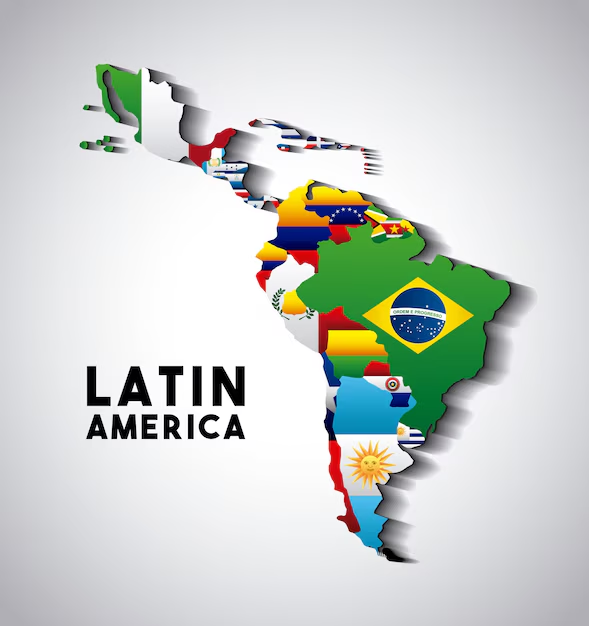
Aging Population and Social Welfare: Elderly Care Strategies in North America
Introduction: As the population in North and South America continues to age, it is crucial to address the contemporary issues in community and social development, especially regarding elderly care strategies.
The Aging Population Challenge: With advancements in healthcare and a decline in birth rates, the elderly population in North and South America is growing rapidly. This trend poses challenges to social welfare systems and calls for innovative strategies.
Shift towards Aging in Place: Many seniors wish to age in the comfort of their own homes. Governments and communities are recognizing the importance of providing support services that enable seniors to live independently for as long as possible.
Home Care Services: Home care services have become an essential component of elderly care strategies. These services encompass a range of support, including personal care assistance, medication management, and companionship.
Community-Based Programs: Community-based programs have emerged as an effective way to address the needs of the elderly population. These programs aim to create a sense of belonging and provide social support through activities such as exercise classes, hobby groups, and volunteer opportunities.
Technology Advancements: Technology plays a significant role in improving elderly care strategies. Innovations such as remote monitoring devices, wearable health trackers, and telemedicine enable seniors to access healthcare services more conveniently and stay connected with their caregivers.
Long-Term Care Facilities: While aging at home is preferred by many, long-term care facilities still play a vital role in providing specialized care for seniors with complex medical needs. These facilities should prioritize person-centered care to ensure the well-being and dignity of residents.
Workforce Development: With the increasing demand for elderly care services, it is crucial to invest in workforce development. This includes training and educating healthcare professionals, caregivers, and volunteers to provide high-quality care that meets the unique needs of the aging population.
Cross-Generational Programs: Promoting intergenerational connections can have numerous benefits for both the elderly and younger generations. Programs that bring seniors and youth together foster mutual understanding, combat ageism, and create a sense of unity within communities.
Policy Reforms: Governments in North and South America need to prioritize policy reforms that support elderly care strategies. These reforms should focus on increasing funding for social welfare programs, improving accessibility to healthcare services, and promoting age-friendly communities.
Volunteering Opportunities: Volunteering in elderly care organizations can be a rewarding way to contribute to the community and gain valuable experience. Many organizations welcome individuals of all ages and offer training programs to ensure volunteers are equipped with the necessary skills.
Financial Planning for Aging: It is essential for individuals to plan for their own aging and ensure they have sufficient financial resources to support their care needs. Understanding retirement savings, insurance options, and long-term care costs can help individuals make informed decisions.
Education and Awareness: Promoting education and awareness about elderly care strategies is crucial to building a society that values and supports its aging population. By sharing knowledge and resources, we can empower individuals and communities to take action.
Taking Action: To promote North and South America unity in addressing the challenges of an aging population, it is essential for individuals to stay informed, engage in conversations about elderly care, and actively participate in community initiatives.
Conclusion: By developing skills and knowledge about contemporary issues in community and social development, we can make a positive impact on the lives of the elderly population in North and South America. Let us work together to create inclusive and supportive communities that prioritize the well-being of all generations.
Follow-up question: How do you think we can encourage more cross-generational programs in our communities? Share your thoughts and experiences in the comments below! #ElderlyCareStrategies #NorthSouthAmericaUnity
Please share this article to raise awareness about the importance of addressing contemporary issues in community and social development in North and South America. Together, we can make a difference! #AgingPopulation #ElderlyCareStrategies #NorthSouthAmericaUnity
No comments yet. Be the first to share your thoughts!