

Understanding and Supporting Partners Through Cyclical Hormonal Fluctuations in Men
This article addresses a frequently overlooked aspect of male health: cyclical hormonal fluctuations and their impact on well-being and relationships. While not a direct equivalent to the female menstrual cycle, men experience hormonal variations, primarily driven by testosterone and other endocrine factors, leading to observable shifts in mood, energy, and behavior. We will explore the implications of these fluctuations, offering evidence-based strategies for partners to provide effective support. The concepts of endocrine disruption, stress response systems (e.g., the hypothalamic-pituitary-adrenal (HPA) axis), and the biopsychosocial model of health will frame our discussion.
Understanding Cyclical Hormonal Changes in Men: The term "Irritable Male Syndrome" (IMS), while not a formally recognized medical diagnosis, reflects the common experience of mood swings and irritability associated with hormonal changes in men. These fluctuations are influenced by various factors, including age, stress, diet, and sleep patterns. The complex interplay of hormones affects neurotransmitter levels, potentially leading to changes in mood and energy levels. Understanding this complex interplay is key to addressing the associated challenges.
Recognizing and Addressing Associated Symptoms: Common symptoms associated with these hormonal shifts can include mood swings (ranging from irritability and anger to sadness and lethargy), fatigue, decreased libido, and changes in sleep patterns. It is crucial to recognize that these are normal physiological responses to hormonal changes, and not necessarily indicative of underlying pathology. The severity and frequency of symptoms vary significantly among individuals.
Enhancing Communication and Empathy: Applying the biopsychosocial model, we understand that health and well-being are influenced by biological, psychological, and social factors. Open communication is essential to fostering empathy and support. By acknowledging the biological basis of these fluctuations, partners can create a safe space for expressing feelings and concerns, reducing feelings of isolation and shame. This approach promotes better relationship dynamics and strengthens the bond between partners.
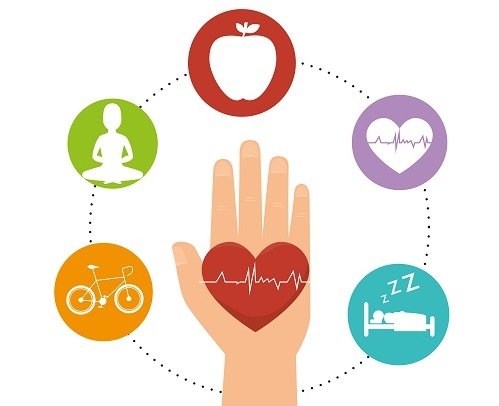
Utilizing Technology and Self-Care Strategies: While not a diagnostic tool, menstrual tracking apps, traditionally used by women, can be adapted by men to monitor symptom patterns, potentially identifying triggers and facilitating proactive self-management. Furthermore, incorporating stress-reduction techniques such as mindfulness meditation, regular physical activity, and engagement in enjoyable hobbies can help regulate the HPA axis and mitigate the impact of hormonal fluctuations. These activities actively address the psychological and social components of the biopsychosocial model.
Promoting Healthy Lifestyle Choices: A balanced diet rich in micronutrients plays a vital role in hormonal balance and overall well-being. Consuming foods rich in vitamins, minerals, and antioxidants helps support endocrine function. This aligns with the principles of nutritional psychiatry, emphasizing the link between diet and mental health.
Providing Practical Support and Validation: Partners can provide crucial support through active listening, validating emotions, and offering practical assistance. Physical comfort measures like massages or spending quality time together can alleviate stress and enhance emotional well-being. This addresses the psychological and social aspects of the biopsychosocial model.
Seeking Professional Guidance When Necessary: If symptoms are severe, persistent, or significantly impair daily functioning, seeking professional help from a healthcare provider is essential. A physician can conduct a thorough assessment, rule out any underlying medical conditions, and recommend appropriate interventions if needed.
Destigmatizing Cyclical Hormonal Fluctuations: Openly discussing cyclical hormonal fluctuations in men can help reduce stigma and increase understanding. Normalizing these experiences creates a supportive environment and encourages men to seek help without fear of judgment.
Conclusion and Recommendations: Cyclical hormonal changes in men are a natural physiological phenomenon affecting mood, energy, and behavior. Understanding these fluctuations is crucial for fostering supportive relationships and improving overall well-being. Partners can play a vital role by promoting open communication, encouraging healthy lifestyle choices, and providing emotional and practical support. Further research is needed to better define the prevalence and impact of these fluctuations, as well as to develop standardized assessment tools and evidence-based intervention strategies. Healthcare professionals should be equipped to address this aspect of male health, normalizing discussions around it and facilitating appropriate interventions. The integration of these findings into relationship counseling and men's health education programs is vital.
Reader Pool: Considering the biopsychosocial model, how might societal expectations and gender roles influence the expression and support of cyclical hormonal changes in men?
No comments yet. Be the first to share your thoughts!