

Coping with Work-Related Stress: Achieving Career-Health Equilibrium
Introduction: Work-related stress, a pervasive issue in contemporary professional life, significantly impacts individual well-being. This article explores strategies for managing this stress, focusing on the crucial concept of work-life balance. We will examine several evidence-based approaches grounded in organizational behavior, stress management theories, and well-being models to create a harmonious equilibrium between career aspirations and personal health. Key concepts such as self-efficacy (the belief in one's ability to succeed in specific situations), burnout (a state of emotional, physical, and mental exhaustion caused by prolonged or excessive stress), and job demands-resources (JD-R) model (which posits that job demands and resources influence employee well-being) will be applied throughout the discussion.
Strategic Time Management and Prioritization: Effective time management, a cornerstone of stress reduction, involves prioritizing tasks using methods such as the Eisenhower Matrix (urgent/important) or Pareto Principle (80/20 rule). This structured approach minimizes procrastination and promotes a sense of control, reducing the overwhelming feeling often associated with excessive workloads. The application of these techniques allows for the efficient allocation of time to both professional responsibilities and personal rejuvenation activities, thereby fostering a healthy work-life integration.
Cultivating Effective Communication and Boundary Setting: Open and assertive communication is vital in mitigating work-related stress. This involves clearly articulating personal needs and limitations to colleagues and superiors. The concept of psychological safety, where individuals feel comfortable expressing concerns without fear of negative consequences, is crucial here. Furthermore, establishing clear boundaries between work and personal life is paramount. This prevents role conflict and promotes psychological detachment, allowing for restorative rest and improved overall well-being, aligning with the Conservation of Resources theory which suggests that individuals strive to maintain and acquire resources.
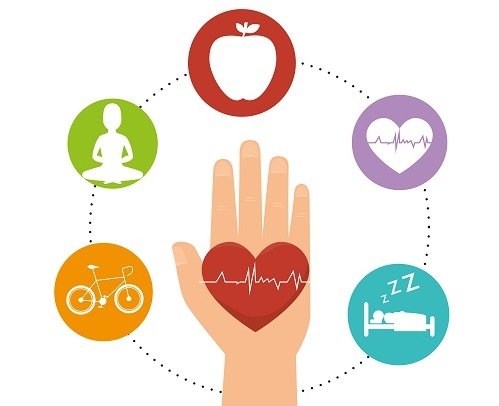
Prioritizing Self-Care and Well-being Practices: Proactive self-care is not merely a suggestion; it's a necessity for maintaining both physical and mental health in demanding work environments. This involves engaging in regular exercise, mindful practices (meditation, deep breathing), and pursuing hobbies that foster relaxation and personal fulfillment. These activities help mitigate the negative physiological and psychological effects of stress, promoting resilience and improving coping mechanisms. The incorporation of these practices demonstrates an understanding of the importance of self-regulation and stress inoculation.
Building a Supportive Network and Seeking Professional Assistance: A strong support system comprising friends, family, mentors, or professional therapists provides crucial emotional and practical support during stressful periods. Social support acts as a buffer against the detrimental effects of stress. When work-related stress becomes overwhelming, seeking professional help from a therapist or counselor should not be viewed as a sign of weakness but as a proactive step towards mental health maintenance. They provide tailored coping strategies and interventions, contributing to improved mental well-being.
Goal Setting, Performance Management, and Regular Breaks: Setting achievable and specific goals, using techniques such as the SMART framework (Specific, Measurable, Achievable, Relevant, Time-bound), prevents feelings of overwhelm and fosters a sense of accomplishment. Regularly reviewing performance, celebrating achievements, and incorporating short, planned breaks throughout the workday enhance focus, reduce mental fatigue, and prevent burnout. These actions demonstrate a commitment to sustainable productivity rather than relentless pursuit of immediate results.
Cultivating a Culture of Gratitude and Continuous Reflection: Regularly practicing gratitude can shift perspectives from negativity to appreciation, enhancing emotional well-being. Regularly reflecting on work-life balance and reassessing priorities allows for course correction, ensuring continued alignment with personal values and overall well-being. This iterative process of reflection and adjustment, based on the principles of continuous improvement, is crucial for maintaining long-term equilibrium.
Conclusion and Recommendations: Successfully managing work-related stress requires a multifaceted approach that integrates proactive self-care, effective communication, and realistic goal-setting. Applying principles from organizational behavior, stress management theories, and well-being models provides a robust framework for achieving a sustainable work-life balance. Organizations should foster supportive environments that promote psychological safety and encourage employees to prioritize their well-being. Further research could explore the effectiveness of various interventions across diverse occupational settings and cultural contexts, potentially developing tailored strategies for specific industries or demographics. The impact of this approach is a significant improvement in employee well-being, leading to reduced absenteeism, improved productivity, and increased job satisfaction. The applicability extends across various professional fields, adapting the specific strategies to the unique demands of each profession.
Reader Pool: What innovative strategies do you believe are crucial for fostering a culture of well-being within organizations to effectively mitigate work-related stress?




No comments yet. Be the first to share your thoughts!