

Emotional Well-being: Strategies for Stress Management
Introduction: This article explores effective strategies for managing stress and fostering emotional well-being. We will examine several evidence-based approaches, grounded in psychological principles and models, to enhance resilience and coping mechanisms in the face of challenging life circumstances. Key concepts such as stress appraisal, coping mechanisms (problem-focused and emotion-focused), and the biopsychosocial model will be utilized to frame our discussion.
Stress Appraisal and Coping: Lazarus's transactional model of stress and coping posits that stress arises not from objective events but from individuals' subjective appraisal of those events. Primary appraisal involves evaluating the significance of the event (is it threatening, challenging, or irrelevant?), while secondary appraisal assesses one's coping resources and options. Effective stress management involves accurately appraising the situation and deploying appropriate coping strategies. For example, an individual facing a work deadline (stressor) might appraise it as highly threatening if they lack organizational skills (low secondary appraisal). Conversely, an individual with strong time-management skills might appraise the same deadline as a manageable challenge (high secondary appraisal).
Mindfulness and Emotional Regulation: Mindfulness-based stress reduction (MBSR) techniques, rooted in Buddhist philosophy, promote present moment awareness without judgment. This approach cultivates emotional regulation by reducing reactivity to stressful stimuli. By focusing on the present sensory experience (breath, body sensations), individuals can detach from rumination on past anxieties or future uncertainties, thereby reducing the physiological impact of stress. For instance, applying mindful breathing exercises during a stressful meeting can calm the nervous system and improve cognitive function, enabling a more effective response to the situation.
Social Support and the Biopsychosocial Model: The biopsychosocial model emphasizes the interplay of biological, psychological, and social factors in health and well-being. Strong social support networks significantly influence stress resilience. Seeking support from friends, family, or professionals provides emotional validation, problem-solving assistance, and a sense of belonging. This social buffer can mitigate the negative physiological and psychological effects of stress. For instance, discussing work-related stress with a trusted colleague can offer perspective and practical solutions, reducing feelings of isolation and overwhelm.
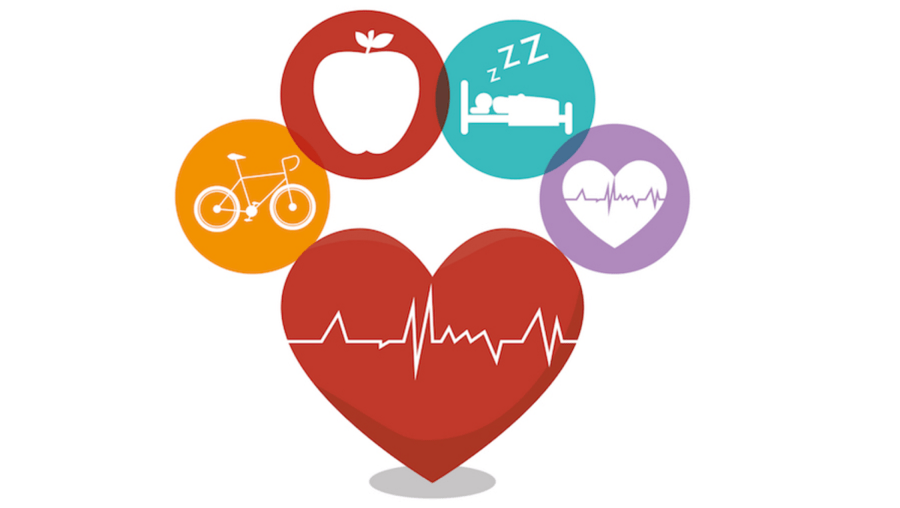
Physical Activity and Endorphin Release: Regular physical activity is a cornerstone of stress management. Exercise triggers the release of endorphins, which have mood-boosting and analgesic effects. Engaging in activities like running, swimming, or yoga not only improves physical health but also helps regulate mood and reduce stress-related symptoms. For example, a daily brisk walk can alleviate anxiety and improve sleep quality, thus enhancing overall well-being.
Cognitive Restructuring and Positive Psychology: Cognitive Behavioral Therapy (CBT) principles highlight the role of cognitive distortions (negative thought patterns) in amplifying stress responses. Cognitive restructuring techniques involve identifying and challenging negative automatic thoughts, replacing them with more balanced and realistic perspectives. Positive psychology further emphasizes cultivating positive emotions (gratitude, optimism) and strengths, which enhance resilience and coping abilities. For example, replacing "I'll never finish this project" (catastrophizing) with "I can break this task into smaller, manageable steps" promotes a more constructive approach to problem-solving.
Time Management and Self-Care: Effective time management reduces feelings of being overwhelmed and improves control over one's environment. Prioritizing tasks, setting realistic goals, and scheduling breaks help prevent overload. Self-care practices (sufficient sleep, healthy diet, engaging in hobbies) are essential for maintaining physical and mental resources, thus increasing resilience to stress. For example, prioritizing sleep and incorporating regular relaxation techniques into a daily schedule can enhance energy levels and emotional regulation.
Healthy Stress Outlets and Boundary Setting: Engaging in healthy stress-reducing activities, such as creative pursuits (art, music), spending time in nature, or practicing relaxation techniques (progressive muscle relaxation), provides emotional release. Setting clear boundaries is crucial for protecting personal well-being and preventing stress overload. This includes asserting limits on work demands, managing social interactions, and prioritizing personal needs. For instance, learning to say "no" to additional responsibilities when already feeling stressed preserves personal energy and reduces the likelihood of burnout.
Seeking Professional Support: If stress significantly impairs daily functioning, seeking professional help is a crucial step. Therapists can provide guidance on coping strategies, address underlying mental health conditions (anxiety, depression), and support the development of healthier stress management habits. Professional intervention offers evidence-based support, personalized treatment plans, and a safe space to process challenging emotions.
Conclusions and Recommendations: Effective stress management requires a multifaceted approach integrating cognitive, behavioral, and social strategies. Mindfulness practices, social support, regular physical activity, and cognitive restructuring are key components of a comprehensive stress reduction plan. Individuals should prioritize self-care, develop effective time management skills, and establish healthy boundaries to mitigate stress. Seeking professional guidance is crucial when stress becomes overwhelming or persistent. Further research could explore the efficacy of integrating various stress management techniques within different populations and cultural contexts, and also investigate the long-term impact of these interventions on mental and physical health outcomes. The development of accessible and culturally sensitive interventions is crucial for equitable access to effective stress management resources.
Reader Pool: What further strategies or interventions could be incorporated into a holistic approach to stress management to enhance its effectiveness and accessibility across diverse populations?
```

No comments yet. Be the first to share your thoughts!