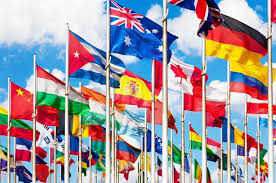
United for Peace: Strengthening Global Cooperation and Unity
Updated at: 2023-08-13 18:03:48 (2 years ago by Melkisedeck Leon Shine)
United for Peace: Strengthening Global Cooperation and Unity
In a world that seems increasingly divided, the need for global cooperation and unity has never been more pressing. The challenges we face, whether they be conflict, poverty, or environmental degradation, require collective action and collaboration across borders. United for Peace, a global initiative aimed at promoting unity and cooperation, seeks to bridge the gaps that divide us and build a more peaceful and sustainable future for all.
Here are 15 detailed points on how we can promote global cooperation for peace and unity:
Embrace diversity: Recognize the value of different cultures, perspectives, and experiences. By celebrating diversity, we can foster understanding and create a more inclusive global community.
Encourage dialogue: Engage in open and respectful conversations with people from different backgrounds. By listening to one another's stories and perspectives, we can find common ground and build bridges of understanding.
Foster empathy: Put yourself in the shoes of others and strive to understand their struggles and aspirations. Empathy is a powerful tool for fostering compassion and unity.
Collaborate on shared challenges: Whether it's poverty, climate change, or conflict resolution, working together is essential. By pooling resources and expertise, we can find innovative solutions to complex global issues.
Support international organizations: Organizations such as the United Nations and World Health Organization play crucial roles in promoting peace, health, and sustainable development. Advocate for their work and support their initiatives.
Promote education: Education is the foundation for a peaceful and just society. Support initiatives that provide quality education for all, regardless of socioeconomic background or geographical location.
Address inequalities: Inequality breeds division and conflict. By addressing economic and social disparities, we can foster a more equitable world where everyone has an equal opportunity to thrive.
Protect the environment: Climate change knows no borders. Promote sustainable practices and support initiatives that protect the planet for future generations.
Foster youth involvement: Young people are the leaders of tomorrow. Empower them to be active participants in shaping a more peaceful and united world.
Encourage interfaith dialogue: Religion can be a source of unity or division. Promote dialogue and understanding between different faith communities to foster peace and cooperation.
Engage in diplomacy: Diplomacy is a powerful tool for resolving conflicts and building bridges between nations. Support diplomatic efforts and advocate for peaceful resolutions.
Volunteer and give back: Engage in community service and support initiatives that promote social, economic, and environmental development. Every small act makes a difference.
Emphasize shared humanity: We are all part of the human family, connected by our shared humanity. Recognize this interconnectedness and treat others with respect and dignity.
Advocate for human rights: Human rights are the foundation of a just and peaceful society. Advocate for the protection and promotion of human rights globally.
Lead by example: Be the change you wish to see in the world. Embody the values of peace, unity, and cooperation in your own actions and inspire others to do the same.
By promoting global cooperation and unity, we can create a world where peace and sustainable development thrive. It is up to each and every one of us to take action and make a difference. Together, we can build a brighter future for all.
Are you ready to join the movement? What steps will you take to promote global cooperation for peace and unity? Share this article with others and let's inspire change together. #UnitedForPeace #GlobalCooperation #UnityForAll
Updated at: 2025-03-01 15:48:13 (1 year ago by Melkisedeck Leon Shine)
In our increasingly interconnected world, the pursuit of global cooperation for peace and unity is not merely aspirational; it's a critical imperative. Navigating complex social, economic, and environmental challenges demands a unified global response. Building a culture of understanding requires a concerted effort, fostering empathy, celebrating diversity, and collaboratively striving towards shared goals. This journey towards a more harmonious world necessitates a multi-faceted approach, encompassing the following key strategies:
Embracing Diversity and Fostering Empathy: Recognizing and celebrating the richness of global cultures and perspectives is fundamental. Diversity fuels innovation and strengthens our collective resilience. Simultaneously, cultivating empathy—understanding others' experiences and challenges from their viewpoints—builds bridges of connection and mutual respect.
Bridging Cultural Divides Through Education and Dialogue: Meaningful cross-cultural dialogue, facilitated by exchange programs and initiatives that promote mutual understanding, dismantles cultural barriers. Actively educating ourselves about diverse cultures, religions, and ideologies, while challenging our own biases, is crucial in this process. This active learning fosters tolerance and breaks down preconceived notions.
Promoting Equity and Collaboration: Advocating for equal access to essential resources—education, healthcare, and economic opportunities—for all individuals, irrespective of background or nationality, is paramount. Addressing global inequalities is essential for fostering unity and building a just world. Furthermore, encouraging collaboration among individuals, organizations, and governments towards shared goals—like poverty reduction, environmental sustainability, and peacebuilding—is vital for impactful progress.
Empowering Grassroots Initiatives and Emphasizing Shared Humanity: Recognizing the transformative power of local communities, supporting grassroots initiatives that promote dialogue and unity is crucial. Highlighting our shared values and aspirations—the desire for peace, well-being, and a brighter future for generations to come—strengthens our collective identity and purpose.
Promoting Peaceful Conflict Resolution and Environmental Sustainability: Advocating for peaceful conflict resolution mechanisms—dialogue, negotiation, and mediation—is essential for preventing violence and fostering stability. Promoting peaceful approaches at both individual and global levels is a cornerstone of lasting peace. Equally vital is recognizing the interconnectedness of our planet and the urgency of preserving our natural resources. Advocating for sustainable practices and policies to combat climate change is crucial for ensuring a livable future for all.
Fostering Intergenerational Dialogue and Inclusive Leadership: Meaningful intergenerational dialogue, acknowledging the unique perspectives of each generation, enriches our understanding and fosters collaboration. Promoting diverse leadership at all levels—embracing gender equality, racial diversity, and the inclusion of marginalized communities—builds a sense of belonging and unity.
Leveraging Technology and Promoting Peace Education: Harnessing technology to connect people across the globe, using social media and online platforms to foster dialogue and understanding, is a powerful tool. Integrating peace education into school curricula, teaching young people about conflict resolution, empathy, and social justice, shapes future generations as agents of positive change.
Taking Action: Individual Responsibility and Collective Impact: Each individual has a role to play. Reflecting on our actions and attitudes, identifying ways to contribute—through volunteering, advocating for policy changes, or engaging in respectful conversations—makes a tangible difference. Every effort, no matter how small, contributes to the larger goal of global cooperation.
By actively promoting global cooperation for peace and unity, we can build a world where differences are celebrated, conflicts are resolved peacefully, and sustainable development thrives. Let us embrace our shared humanity, bridge cultural divides, and collectively build a future where unity prevails over division. Join us in this journey. How are you contributing to global cooperation for peace and unity? Share your experiences and inspire others to make a positive impact. Let's spread the message of #GlobalCooperationForPeaceAndUnity!
Updated at: 2025-03-01 15:48:17 (1 year ago by Melkisedeck Leon Shine)
In an increasingly interconnected yet often fractured world, the role of diplomacy in fostering international cooperation and achieving lasting peace is paramount. Diplomacy acts as a critical instrument for resolving conflicts, stimulating dialogue, and building trust among nations. It bridges divides, promotes global unity, and paves the path towards a more peaceful and equitable future for all. This exploration delves into the multifaceted significance of effective diplomacy and its potential to shape a better world.
Diplomacy as a Catalyst for Peace and Conflict Resolution: Diplomacy's primary function is to prevent conflicts and facilitate peaceful resolutions. Through meticulous negotiation and compromise, nations can identify common ground and reach mutually advantageous agreements, thereby averting the devastating consequences of war and its associated human and economic costs. This proactive approach prioritizes dialogue over confrontation, fostering stability and preventing the escalation of tensions.
Building Bridges Through Cross-Cultural Understanding: Diplomacy acts as a vital bridge builder, fostering mutual understanding between diverse cultures, religions, and ideologies. By promoting open dialogue and mutual respect, diplomats cultivate a global environment of tolerance and cooperation, overcoming cultural barriers and promoting unity on a global scale. This requires a deep understanding of differing perspectives and a commitment to empathy and collaboration.
A Global Platform for Collaborative Problem-Solving: Diplomatic engagements provide an essential platform for collaborative action on pressing global challenges. Whether addressing climate change, poverty alleviation, or the fight against terrorism, diplomacy empowers nations to work hand-in-hand, sharing resources and expertise to develop effective solutions. This collaborative approach is crucial in tackling complex issues that transcend national borders.
Promoting Sustainable Economic Growth and Development: Diplomacy plays a pivotal role in facilitating international economic cooperation and the development of beneficial trade agreements. By promoting equitable and sustainable economic development, diplomacy contributes significantly to poverty reduction, job creation, and increased global prosperity. Fair trade practices and responsible investment are vital components of this process.
Safeguarding Environmental Sustainability: In the face of pressing environmental challenges, such as climate change and biodiversity loss, diplomacy is indispensable. Through international agreements and negotiations, diplomats champion sustainable practices and policies that protect our planet for present and future generations. This involves a commitment to global environmental stewardship and the implementation of effective environmental regulations.
Conflict Resolution and War Prevention: Diplomatic negotiations offer a peaceful pathway to conflict resolution and a powerful deterrent to war. By prioritizing dialogue and seeking common ground, nations can find viable alternatives to armed conflict, preventing the immense human suffering and widespread destruction associated with war. This proactive approach is critical in maintaining global security.
Effective Response in Crisis Situations: During crises such as natural disasters or humanitarian emergencies, diplomacy is essential in coordinating international aid efforts. Effective diplomatic coordination ensures a swift and efficient response, maximizing the effectiveness of relief efforts and promoting recovery. This collaborative approach is crucial in mitigating the impact of crises on vulnerable populations.
Fostering Cultural Exchange and Understanding: Diplomatic interactions encourage cultural exchange and appreciation, enhancing understanding and tolerance among nations. Celebrating diversity and promoting intercultural dialogue fosters a more inclusive and harmonious global society. This process enhances understanding and breaks down stereotypes.
Investing in Diplomatic Expertise: Effective diplomacy requires well-trained diplomats with strong cross-cultural communication skills, negotiation expertise, and a thorough grasp of global affairs. Investing in diplomatic education and capacity-building ensures the development of a skilled and effective diplomatic corps capable of navigating complex international issues.
Empowering Youth and Promoting Inclusivity: Engaging young people in diplomatic processes is essential for fostering global cooperation. Providing opportunities for youth participation empowers them to become agents of change and advocates for peace, ensuring the long-term success of diplomatic initiatives. Similarly, prioritizing gender equality and the meaningful participation of women in diplomacy strengthens decision-making and promotes more inclusive outcomes.
Upholding Human Rights and Engaging Civil Society: Diplomacy plays a critical role in promoting and protecting human rights worldwide. Through diplomatic channels, nations can address human rights violations, advocate for justice, and hold perpetrators accountable. Furthermore, engaging civil society organizations and grassroots movements enhances transparency and promotes participatory decision-making in diplomatic processes.
Individual Responsibility in Promoting Global Cooperation: Each individual has a role to play in promoting global peace and cooperation. By staying informed about global issues, engaging in constructive dialogue, and supporting diplomatic efforts, we can become catalysts for positive change. Embracing our role as global citizens, promoting understanding, compassion, and cooperation will shape a better world for all.
Conclusion: Diplomacy is an indispensable force for promoting international cooperation, fostering peace, and building a more unified world. By actively engaging in diplomatic efforts, nations can resolve conflicts, address global challenges, and create a more equitable future. Support for diplomacy and global cooperation is a collective responsibility, crucial for creating a brighter tomorrow for all.
Updated at: 2025-06-25 10:21:59 (1 year ago by Melkisedeck Leon Shine)
In an increasingly interconnected world characterized by rapid globalization and complex interdependence, the pursuit of global cooperation for peace and unity assumes paramount importance. This necessitates a comprehensive understanding of conflict prevention mechanisms, focusing on the synergistic effects of dialogue and cooperation. This article will explore the multifaceted benefits of global dialogue and cooperation, analyzing their application through established theoretical frameworks and real-world examples, and outlining a strategic approach towards fostering a more peaceful and sustainable future. Key concepts such as functionalism (the belief that cooperation in specific areas can spill over into broader areas of peace), constructivism (the idea that shared norms and identities can promote cooperation), and the democratic peace theory (the observation that democracies are less likely to go to war with each other) will be central to our analysis.
1. Fostering Mutual Understanding and Trust Through Dialogue: Effective conflict prevention hinges on a deep understanding of diverse perspectives. Applying the principles of intergroup contact theory, open dialogue transcends cultural divides by fostering empathy and mutual respect. Constructive communication, facilitated through platforms like multilateral organizations and international forums, allows for the articulation of differing viewpoints, thereby identifying common ground and mitigating potential misunderstandings that often fuel conflict. For instance, the success of the Oslo Accords, though ultimately incomplete, demonstrates the potential of dialogue in building trust even between historically antagonistic parties.
2. Addressing Transnational Challenges Through Collaborative Action: Many contemporary global challenges, such as climate change, pandemics, and economic instability, transcend national borders and demand collective responses. This aligns with the principles of functionalism. By pooling resources and expertise, nations can develop effective strategies to address these shared threats. The Paris Agreement on climate change, despite its limitations, exemplifies the potential of international cooperation in tackling a global crisis. The effectiveness of such collaborations relies on the establishment of robust international institutions and norms, concepts central to institutionalism.
3. Promoting Social Justice and Equity Through Inclusive Governance: Global cooperation is instrumental in advancing social justice and equity. Applying the principles of cosmopolitanism, the creation of inclusive governance structures ensures that the voices and needs of marginalized communities are heard and addressed. This resonates with the concept of global justice, highlighting the responsibility of the international community to uphold human rights and promote equitable distribution of resources. The Sustainable Development Goals (SDGs) provide a framework for achieving this vision, showcasing the power of collective action in fostering a more equitable world.
4. Strengthening International Norms and Institutions: International organizations such as the United Nations (UN) play a pivotal role in conflict prevention through diplomacy, peacekeeping operations, and the establishment of international law. This is consistent with liberal institutionalism, which emphasizes the role of institutions in promoting cooperation. Strengthening these institutions through enhanced transparency, accountability, and reform is crucial for their effectiveness. For instance, the UN’s success in mediating conflicts in various regions demonstrates the importance of robust international mechanisms.
5. Leveraging Economic Interdependence for Peaceful Coexistence: Economic interdependence, a key tenet of liberal peace theory, can significantly contribute to conflict prevention. Increased trade and investment foster mutual reliance, making conflict less economically viable for participating nations. The European Union's success in maintaining peace through extensive economic integration provides a compelling example. However, the equitable distribution of economic benefits must be ensured to avoid fueling grievances that could lead to conflict.
6. Promoting Cultural Understanding and Exchange: Cultural exchange programs and initiatives aimed at fostering intercultural understanding play a crucial role in dispelling prejudice and promoting peaceful coexistence. This aligns with the principles of constructivism. By fostering empathy and appreciation for cultural diversity, such programs mitigate the risk of conflicts rooted in misunderstanding and misrepresentation. Successful examples include various international student exchange programs and cultural festivals.
7. Empowering Civil Society and Local Communities: Grassroots initiatives and civil society organizations often play a critical role in conflict prevention by promoting dialogue, reconciliation, and peacebuilding at the local level. Their engagement underscores the importance of bottom-up approaches to peacebuilding and reflects the principles of participatory development. Successful examples include various community-based peacebuilding initiatives around the world.
Conclusions and Recommendations: Global dialogue and cooperation are not merely desirable but indispensable for preventing conflict and fostering a more peaceful and sustainable future. Our analysis, drawing upon multiple theoretical frameworks, demonstrates that a multi-pronged approach encompassing diplomatic engagement, collaborative problem-solving, institutional strengthening, economic integration, cultural exchange, and local community empowerment offers the most robust strategy for conflict prevention. Further research should focus on the efficacy of specific interventions, the role of technology in facilitating global dialogue, and the development of more sophisticated conflict prediction models. The long-term success of these efforts depends on sustained political will, robust institutional frameworks, and the active engagement of all stakeholders in promoting a culture of peace and understanding.
Reader Pool: Considering the multifaceted challenges of global cooperation and the complexities inherent in conflict prevention, what innovative approaches do you believe are most promising in fostering durable peace and preventing future conflicts?
Updated at: 2025-05-24 10:24:43 (1 year ago by Melkisedeck Leon Shine)
In an increasingly interconnected world, the pursuit of global unity necessitates a concerted effort to foster tolerance and inclusivity. This requires not merely acknowledging diversity but actively cultivating understanding and collaboration across cultural, religious, and ideological boundaries. This article proposes a framework grounded in established social psychological principles and models for achieving this crucial objective. We will explore key strategies for promoting global cooperation, focusing on their application within real-world contexts. Key concepts such as social identity theory, the contact hypothesis, and the peacebuilding paradigm will inform our discussion.
1. Cultivating Intergroup Contact and Reducing Prejudice: The contact hypothesis posits that positive interactions between individuals from different groups can reduce prejudice and foster understanding. This requires structured contact, allowing individuals to engage in meaningful interactions, develop empathy, and challenge preconceived stereotypes. Real-world application includes implementing inclusive educational programs that bring together students from diverse backgrounds or creating community initiatives promoting shared activities and goals among different ethnic or religious groups.
2. Promoting Empathetic Understanding: Empathy, the ability to understand and share the feelings of another, is crucial for bridging divides. Perspective-taking exercises, narrative sharing, and exposure to diverse narratives through literature, film, and personal accounts can significantly enhance empathetic capacity. This can be applied through workshops and training programs that focus on developing empathetic skills, allowing individuals to appreciate diverse experiences and perspectives.
3. Harnessing the Power of Education: Education plays a pivotal role in shaping attitudes and behaviors. Formal and informal educational initiatives should actively promote intercultural understanding, critical thinking about prejudice, and appreciation for diversity. Curriculum integration of global citizenship education, promoting awareness of global issues and human rights, is vital. In practice, this means incorporating diverse perspectives in school curricula and leveraging educational technology to promote cross-cultural learning experiences.
4. Building Inclusive Structures and Systems: The creation of inclusive institutional structures is paramount. This involves implementing policies that actively promote equality and eliminate discrimination at all levels—from local communities to international organizations. Affirmative action policies, promoting diversity in hiring and leadership positions, and implementing anti-discrimination legislation are crucial. Monitoring and evaluation mechanisms are essential to ensure inclusivity is not merely a rhetorical goal.
5. Facilitating Collaborative Peacebuilding: Peacebuilding initiatives require collaboration among diverse stakeholders. Successful peacebuilding employs restorative justice practices, focusing on reconciliation and healing, rather than retribution. This involves supporting peacebuilding organizations that facilitate dialogue and conflict resolution, investing in community-based conflict resolution programs, and advocating for policies that address root causes of conflict.
6. Fostering Cross-Cultural Dialogue and Exchange: Structured dialogue and exchange programs provide a platform for meaningful intercultural interaction. This can involve organizing international conferences, cultural exchange visits, and cross-cultural communication workshops. These programs should emphasize active listening, respectful communication, and collaborative problem-solving, fostering genuine understanding and appreciation for diversity.
7. Advocating for Human Rights and Social Justice: Protecting and promoting human rights is fundamental to building a tolerant and inclusive society. This requires advocacy for policies that ensure equality and justice for all, irrespective of background or identity. This can be achieved by supporting human rights organizations, participating in advocacy campaigns, and promoting awareness of human rights violations.
8. Promoting Sustainable Development: Sustainable development is crucial for reducing inequalities and fostering global cooperation. Addressing issues such as poverty, climate change, and lack of access to resources can contribute significantly to social cohesion and reduce conflict. Investing in sustainable development initiatives and advocating for policies promoting economic and social equity are critical components.
9. Strengthening Global Governance and Diplomacy: Effective global governance and diplomacy play a critical role in conflict prevention and resolution. Promoting multilateralism, strengthening international organizations, and investing in diplomatic efforts to resolve disputes peacefully are necessary steps. This involves supporting international diplomacy efforts and advocating for improved global governance mechanisms.
10. Leading by Example and Inspiring Action: Individuals can be agents of change by embodying tolerance and inclusivity in their daily lives. This involves challenging prejudice, promoting understanding, and taking personal responsibility for building a more inclusive community. This can be achieved through personal commitments, acting as role models within communities and advocating for tolerance and inclusion.
11. Empowering Communities and Individuals: Empowering communities and individuals to participate actively in the processes of building tolerance and inclusivity is critical. This involves providing access to resources, education, and opportunities for leadership development. Supporting local community initiatives focused on promoting diversity and inclusivity is key.
12. Leveraging Technology for Connection and Understanding: Technology provides powerful tools for fostering global connection and promoting intercultural understanding. Social media, virtual exchange programs, and online educational resources can all be harnessed to expand access to diverse perspectives and connect individuals across geographical boundaries. Careful consideration of ethical implications and digital literacy are necessary.
13. Monitoring and Evaluation of Initiatives: Regular monitoring and evaluation of implemented strategies are essential to assess progress and identify areas requiring improvement. This requires the development of measurable indicators of tolerance and inclusivity and regular evaluation of the effectiveness of implemented initiatives. This data can inform future strategies and ensure responsible and evidence-based policy making.
14. Addressing Systemic Inequalities: A crucial element often overlooked is the systemic nature of many barriers to tolerance and inclusivity. Addressing these requires structural reforms, policy changes, and redistribution of resources to address historical injustices and overcome discriminatory practices embedded in institutions. This necessitates a nuanced understanding of systemic power dynamics and a commitment to structural change.
15. Promoting Interfaith Dialogue and Cooperation: Building bridges between different religious communities is particularly important in a globalized world. This involves fostering respectful dialogue and collaboration on shared values, promoting interfaith initiatives and addressing religious discrimination and intolerance.
Promoting tolerance and inclusivity is not merely a moral imperative; it is a strategic necessity for achieving global peace and stability. The multifaceted framework outlined above, drawing upon various social and political theories and incorporating real-world applications, offers a roadmap for progress. Effective implementation requires a multi-pronged approach, involving governments, civil society organizations, educational institutions, and individuals. Continuous monitoring, evaluation, and adaptation of strategies based on data and feedback are crucial for sustainable success. Further research should focus on developing more sophisticated measures of tolerance and inclusivity, evaluating the effectiveness of different intervention strategies in diverse contexts, and exploring the role of technology in promoting intercultural understanding while also addressing potential ethical challenges.
The long-term impact of these recommendations will be a more peaceful, equitable, and prosperous world. Greater global cooperation will allow for more effective responses to shared challenges, such as climate change, poverty, and disease. This framework's applicability extends to diverse settings, from local communities to international organizations. The potential for positive transformation is immense, but sustained effort and commitment from all stakeholders are essential.
Reader Pool: Considering the complexities of achieving global unity, what further strategies do you believe are essential to effectively promote tolerance and inclusivity in a rapidly changing world?
Updated at: 2025-05-15 14:39:58 (1 year ago by Melkisedeck Leon Shine)
The pursuit of sustainable peacebuilding is paramount in an increasingly interconnected yet conflict-ridden world. This necessitates a paradigm shift towards robust global cooperation, recognizing its pivotal role in fostering a harmonious and prosperous future. This article explores the multifaceted nature of multilateral approaches to achieve lasting unity, employing theoretical frameworks to contextualize their application. Key concepts such as the democratic peace theory, which posits that democracies are less likely to engage in conflict with each other, the interdependence theory, highlighting the interconnectedness of states and the reduction of conflict through mutual dependence, and the constructivist approach, emphasizing the role of norms and ideas in shaping state behavior, will be used to analyze the efficacy of various strategies.
1. Fostering Collaborative Diplomacy through Institutionalized Dialogue: Multilateral diplomacy, grounded in the principles of communicative rationality, plays a crucial role. The strategic use of dialogue and negotiation, guided by frameworks like the conflict resolution model, allows nations to identify common ground and pursue peaceful solutions. This approach effectively mitigates the security dilemma, where each state's actions to enhance its security inadvertently threaten others, by promoting transparency and trust-building measures.
2. Leveraging International Organizations for Collective Action: International organizations, such as the United Nations and the World Trade Organization, serve as indispensable platforms for collective action. Drawing upon the principles of institutionalism, these bodies provide structures for coordinating responses to global challenges, facilitating conflict resolution, and promoting the rule of law. Their role aligns with the concept of complex interdependence, where multiple channels of interaction exist between states, decreasing the likelihood of conflict.
3. Cultivating Economic Interdependence for Mutual Gain: The interdependence theory underscores the powerful role of economic cooperation in promoting unity. Trade agreements and collaborative economic initiatives foster mutual benefits and reduce the incentives for conflict. This approach is aligned with the idea of creating a "web" of interdependence, making conflict more costly and less likely. The successful implementation of such initiatives necessitates the application of principles from international political economy, such as comparative advantage and the avoidance of protectionist measures.
4. Bridging Cultural Divides Through Knowledge Exchange: Cultural exchange programs are crucial for promoting mutual understanding and countering the negative effects of in-group/out-group biases, as described by social identity theory. These programs foster empathy and break down stereotypes, promoting a sense of shared humanity and reducing the likelihood of conflict based on cultural differences. The cultivation of a global citizenry is integral to this goal.
5. Investing in Education for Peaceful Coexistence: Education plays a vital role in shaping attitudes and behaviors related to conflict and peace, aligning with the concept of social learning. By inculcating values of tolerance, empathy, and critical thinking, educational institutions can cultivate a generation that actively promotes unity and peaceful conflict resolution. This approach involves designing curricula that incorporate peace education and conflict resolution skills.
6. Proactive Conflict Prevention and Resolution Mechanisms: Investing in proactive conflict prevention and resolution mechanisms is crucial. This involves developing early warning systems, deploying peacekeeping forces informed by principles of peace operations, and supporting mediation efforts guided by conflict transformation frameworks. This proactive approach addresses conflict at its root, minimizing escalation and promoting sustainable peace.
7. Achieving Sustainable Development for Inclusive Growth: Addressing socio-economic disparities is essential for sustainable peace. Inclusive and sustainable development, a central principle of the United Nations Sustainable Development Goals, targets the root causes of conflict by creating opportunities for all members of society. This approach draws upon theories of development economics, ensuring equitable distribution of resources and opportunities.
8. Safeguarding the Environment for Intergenerational Equity: Environmental degradation can fuel resource scarcity and conflict. Promoting sustainable environmental practices and addressing climate change, based on the principles of environmental justice and intergenerational equity, is therefore vital for preventing environmental conflicts and building a more unified world. The application of environmental governance frameworks is crucial to achieve this.
9. Upholding Human Rights for Equitable Societies: Respect for human rights is foundational to peace and unity. Ensuring equality, justice, and respect for all individuals, aligned with human rights law and international humanitarian law, creates an inclusive and just environment. This approach is rooted in human rights theory and necessitates the establishment of strong institutions to protect and uphold these rights.
10. Empowering Youth for Constructive Engagement: Youth empowerment, informed by theories of participatory development, is critical for building a peaceful future. Providing young people with education, employment opportunities, and platforms for civic engagement harnesses their potential to promote constructive change. Youth participation is a fundamental component of building peace and preventing future conflicts.
11. Promoting Interfaith Dialogue for Mutual Understanding: Harnessing the positive potential of religion requires promoting interfaith dialogue and understanding. This approach counters the divisive effects of religious extremism, promoting peaceful coexistence and cooperation between religious communities. Applying the principles of interreligious dialogue can contribute significantly to building bridges across faith-based divides.
12. Ensuring Media Responsibility for Accurate Reporting: The media's influence necessitates promoting responsible journalism. Accurate, unbiased reporting and responsible use of media platforms can contribute significantly to preventing the spread of misinformation and hate speech, thus fostering unity and understanding. The application of media ethics principles is crucial here.
13. Empowering Women for Inclusive Peacebuilding: Gender equality and women's empowerment are essential for sustainable peace. The inclusion of women in decision-making processes, aligned with gender equality frameworks, leverages their unique perspectives and promotes more equitable and sustainable peacebuilding outcomes. This approach requires addressing systemic gender inequalities.
14. Strengthening Grassroots Movements for Local Ownership: Sustainable peacebuilding necessitates local ownership. Supporting grassroots initiatives that promote cooperation and reconciliation within communities empowers local actors and ensures lasting impact. This bottom-up approach complements top-down initiatives, focusing on context-specific solutions.
15. Cultivating Global Citizenship for Collective Responsibility: Fostering a sense of global citizenship instills a sense of shared responsibility for peace and unity. Educating individuals about their interconnectedness and the global implications of their actions promotes collective action for peace. This aligns with cosmopolitan ethics and promotes a sense of global responsibility.
Building a peaceful and unified world is a shared responsibility that demands concerted efforts from individuals, communities, and nations. The adoption of comprehensive multilateral approaches and investment in sustainable peacebuilding initiatives are crucial for establishing a world where unity supersedes division. This necessitates a shift towards proactive, preventive strategies that address the root causes of conflict, coupled with the strengthening of international cooperation mechanisms. Further research should focus on evaluating the effectiveness of different multilateral approaches in various contexts, investigating the impact of specific policies on peacebuilding outcomes, and exploring innovative strategies for promoting intercultural understanding and fostering a sense of global citizenship. The creation of robust monitoring and evaluation frameworks is essential to track progress and ensure accountability in peacebuilding initiatives. This ongoing assessment will allow for adaptive management and the refinement of approaches based on empirical evidence. Ultimately, the success of sustainable peacebuilding hinges on the commitment and collaborative action of the global community. The effectiveness of these strategies depends on consistent political will, adequate resource allocation, and a commitment to fostering genuinely inclusive and equitable societies.
Reader Pool: Considering the interconnectedness of the factors outlined in this article, how might a more holistic approach to peacebuilding, integrating various theories and strategies, lead to more effective and lasting outcomes?
Updated at: 2025-08-21 10:52:47 (11 months ago by Melkisedeck Leon Shine)
```htmlIn an increasingly interconnected world, the concept of global citizenship is no longer an abstract ideal but a pragmatic necessity. It represents a paradigm shift from a nation-centric worldview to one that embraces our shared humanity and collective responsibility for the planet. Global citizenship, at its core, is the understanding that individuals are members of a global community, possessing rights and responsibilities that extend beyond national borders. This article delves into how global citizenship empowers individuals to actively participate in peacebuilding, fostering a more harmonious and sustainable world.
Defining Global Citizenship: A Framework for Shared Responsibility
Global citizenship transcends traditional notions of national identity, encouraging individuals to recognize their membership in a broader, interconnected global community. This concept aligns with social constructivism, which posits that our understanding of the world is shaped by our interactions and experiences. A global citizen embraces diversity, fosters collaboration, and acknowledges the interdependence of nations in addressing shared challenges. It's about cultivating a sense of belonging to humanity and acting ethically on a global scale.
Promoting Global Cooperation: The Cornerstone of Sustainable Solutions
Addressing complex global challenges such as climate change, poverty, and conflict necessitates robust international cooperation. Global citizenship underscores the importance of nations working together, guided by the principles of mutual respect, shared responsibility, and collective action. This approach mirrors the principles of systems thinking, where problems are viewed as interconnected parts of a larger whole, requiring collaborative solutions. Fostering Global Unity: Multilateral Strategies for Sustainable Peace is essential for sustained progress on global issues.
Cultivating Empathy: Bridging Divides Through Understanding
Empathy, the ability to understand and share the feelings of others, is a cornerstone of global citizenship. By developing empathy towards individuals from different cultural backgrounds and nationalities, we can break down stereotypes, challenge prejudices, and foster compassion. This aligns with the principles of Emotional Intelligence, which emphasizes the importance of self-awareness, self-regulation, social skills and empathy in building strong relationships and resolving conflicts. Actively practicing Empathy and Compassion: Your Guide to Conflict Resolution for Stronger Relationships enhances our ability to connect with others on a human level.
Fostering Tolerance and Respect: Building a Foundation for Peaceful Coexistence
Global citizenship promotes tolerance and respect for diverse cultures, religions, and beliefs. By embracing cultural diversity, individuals can create a more inclusive and harmonious society. This aligns with the principles of cultural relativism, which suggests that cultures should be understood and evaluated within their own context, rather than judged against external standards. Fostering a culture of tolerance requires active efforts to challenge prejudice, combat discrimination, and promote understanding.
Active Engagement in Peacebuilding: From Dialogue to Advocacy
Global citizenship empowers individuals to become active agents of change and peacebuilders within their communities. This can involve engaging in constructive dialogue, promoting understanding between conflicting groups, and advocating for justice and human rights. The concept is rooted in principles of non-violent communication, which emphasizes empathy, active listening, and assertive expression of needs to resolve conflicts peacefully. This can be achieved through Empathetic Communication: A Practical Framework for Difficult Conversations.
Environmental Stewardship: Protecting Our Shared Home
Environmental sustainability is an integral aspect of global citizenship. Recognizing the interconnectedness of the planet and the impact of our actions on the environment, individuals can adopt sustainable practices to protect the Earth for future generations. This aligns with the principles of ecological economics, which emphasizes the interdependence of human economies and natural ecosystems. Embracing environmental stewardship requires a shift towards sustainable consumption patterns, responsible resource management, and a commitment to reducing our ecological footprint.
Breaking Down Barriers: Building Bridges of Understanding
Global citizenship encourages individuals to challenge and dismantle barriers that divide us, whether they are physical, psychological, or social. By fostering connections and building bridges across cultures, religions, and nationalities, we can overcome divisions and work towards a more united world. This can be facilitated through cross-cultural exchange programs, online platforms for intercultural dialogue, and community initiatives that promote understanding and collaboration.
Education for Global Citizenship: Equipping Future Leaders
Education plays a pivotal role in nurturing global citizens. Incorporating global issues, intercultural understanding, and skills for active participation into the curriculum can equip individuals with the knowledge and tools they need to contribute to peacebuilding efforts. This aligns with the principles of transformative learning, which emphasizes critical reflection, dialogue, and action to promote social change. Education for global citizenship should empower students to think critically about global challenges, develop empathy for diverse perspectives, and engage in responsible action.
Grassroots Initiatives: Catalysts for Change from the Ground Up
Global citizenship is not limited to policymakers or leaders; it begins with individuals and their communities. Grassroots initiatives, such as community projects, social entrepreneurship, and volunteering, have the power to create positive change and inspire others to take action. These initiatives often leverage the principles of community organizing, which emphasizes collective action, participatory decision-making, and empowerment to address local issues and build stronger communities.
Women and Global Citizenship: A Force for Peace and Progress
Women play a crucial role in promoting global cooperation and peace. Empowering women and ensuring their equal participation in decision-making processes is essential for achieving sustainable peace and development. This aligns with the principles of feminist theory, which emphasizes the importance of gender equality, women's empowerment, and challenging patriarchal structures that perpetuate inequality and violence. Recognizing and amplifying Women Leading Peace: Global Cooperation Through Empowered Voices is vital.
Technology and Connectivity: Amplifying Voices and Building Networks
The digital age has provided unprecedented opportunities for global citizens to connect and collaborate. Social media platforms, online forums, and virtual networks enable individuals from different parts of the world to exchange ideas, share experiences, and mobilize for positive change. However, it's important to address the challenges of online misinformation, hate speech, and cyberbullying to ensure that technology is used to promote constructive dialogue and understanding.
Youth and Global Citizenship: Shaping the Future of Peace
Young people are at the forefront of global citizenship, bringing fresh perspectives, energy, and innovation to peacebuilding efforts. Empowering youth through education, mentorship programs, and platforms for youth-led initiatives can unleash their potential as change-makers. This aligns with the principles of positive youth development, which emphasizes building young people's strengths, assets, and leadership skills to enable them to thrive and contribute to their communities.
Peaceful Dialogue and Mediation: Resolving Conflicts Through Communication
Global citizenship emphasizes the importance of peaceful dialogue and mediation in resolving conflicts. By promoting open, inclusive, and respectful conversations, individuals can bridge differences and find common ground. This aligns with the principles of conflict resolution, which emphasizes negotiation, mediation, and arbitration to resolve disputes peacefully and constructively. Developing skills in active listening, empathy, and non-violent communication is crucial for effective dialogue and mediation.
Corporate Social Responsibility: Businesses as Partners in Peace
Businesses have a significant role to play in promoting global cooperation and peace. By adopting sustainable practices, promoting ethical values, and engaging in corporate social responsibility initiatives, companies can contribute to a more equitable and peaceful world. This aligns with the principles of stakeholder theory, which emphasizes the importance of considering the interests of all stakeholders, including employees, customers, communities, and the environment, in business decision-making. Embracing corporate social responsibility requires a shift towards a more sustainable and ethical business model that prioritizes social and environmental impact alongside financial performance.
Taking Action: Every Contribution Matters
Global citizenship is not a passive concept; it requires individuals to take action. Whether through small acts of kindness, community engagement, or advocacy for policy change, every individual can make a difference in promoting global cooperation and peace. This aligns with the principles of social activism, which emphasizes collective action, advocacy, and mobilization to promote social and political change. Every action, no matter how small, contributes to the larger movement towards a more peaceful and sustainable world. Consider strategies for Action Now: Conquer Procrastination and Achieve Your Goals to take that initial step.
In conclusion, global citizenship empowers individuals to actively participate in peacebuilding efforts by promoting global cooperation, fostering empathy and respect, and breaking down barriers. It is a mindset that recognizes our shared responsibility for creating a peaceful and sustainable world. By developing the skills and knowledge needed to be effective global citizens, we can contribute towards a more united and harmonious global community. The practical application of global citizenship principles extends to various domains, from individual interactions to international relations, impacting policy decisions and community development initiatives. Its effectiveness hinges on widespread adoption and integration into educational curricula, business practices, and governmental policies.
Further research should focus on measuring the impact of global citizenship education programs and identifying best practices for promoting intercultural understanding and conflict resolution. Exploring the role of technology in facilitating global citizenship and addressing the challenges of digital divides and online misinformation is also crucial. Moreover, examining the intersection of global citizenship with other concepts such as human rights, environmental justice, and sustainable development can provide a more comprehensive framework for addressing global challenges.
Related Articles:
Reader Pool: How can educational institutions better integrate global citizenship principles into their curricula to foster a more inclusive and globally-minded student body?
```
Updated at: 2025-08-21 10:52:15 (11 months ago by Melkisedeck Leon Shine)
```htmlIntroduction: In an increasingly interconnected world grappling with conflict and division, recognizing and leveraging the potential of women in fostering peace and unity is paramount. Women, historically central to shaping communities, offer invaluable perspectives and capabilities in peacebuilding. This article explores the significance of promoting global cooperation for peace, emphasizing the crucial role of women's empowerment in achieving a harmonious and sustainable future. This exploration is grounded in concepts such as social constructivism, which posits that peace is not merely the absence of war but a socially constructed reality shaped by norms, values, and beliefs. Empowering women directly influences these constructs, shifting societies towards more peaceful orientations.
Unique Perspectives in Peacebuilding: Women often adopt an approach to conflict resolution rooted in empathy and compassion, prioritizing dialogue and cooperation. This perspective is aligned with the principles of relational theory, which emphasizes the importance of connection and understanding in resolving disputes. In practice, this translates to women mediators focusing on the underlying needs and relationships of conflicting parties, seeking mutually beneficial solutions that address the root causes of conflict. Their innate abilities to foster understanding and resolve disputes peacefully provide a significant advantage in promoting global cooperation, emphasizing collaborative problem-solving over adversarial approaches.
Grassroots Peace Initiatives: As cornerstones of families and communities, women are uniquely positioned to address conflicts and cultivate peace at the grassroots level. This aligns with the concept of subsidiarity, which suggests that problems are best addressed at the most immediate level. For example, women-led community groups can organize dialogues between divided factions, establish conflict resolution mechanisms within schools, and promote inclusive community development projects. Such initiatives not only address immediate tensions but also build long-term resilience and social cohesion.
Leadership and Inclusive Decision-Making: Promoting women's participation in leadership roles is not merely a matter of equity; it is a strategic imperative for achieving sustainable peace. The inclusion of women in decision-making processes introduces diverse perspectives, promoting diplomacy, collaboration, and consensus-building. This approach resonates with the principles of democratic peace theory, which posits that democracies are less likely to engage in conflict with one another. By amplifying women's voices, we foster a more inclusive and representative form of governance, leading to more peaceful and equitable outcomes. Consider the case of Rwanda, where a high percentage of women in parliament has contributed to policies focused on reconciliation and development.
Global Examples of Women's Impact: Numerous examples demonstrate the transformative power of women in peacebuilding. Leymah Gbowee's pivotal role in ending the Liberian civil war through a grassroots movement uniting Christian and Muslim women showcases the impact of collective action. Similarly, Malala Yousafzai's advocacy for education as a counter to extremism exemplifies the resilience and dedication of women in pursuing peace. These examples illustrate the application of feminist peace theory, which emphasizes the importance of challenging patriarchal structures and promoting gender equality as essential components of sustainable peace.
Comprehensive Women's Empowerment: Empowering women is fundamental to fostering peace and unity. This involves ensuring equitable access to education, healthcare, economic opportunities, and political participation. When women are empowered, societies benefit from diverse perspectives, fostering more holistic and inclusive decision-making processes. This comprehensive approach aligns with the Sustainable Development Goals (SDGs), particularly SDG 5 (Gender Equality), which recognizes that gender equality is not only a fundamental human right but also a necessary foundation for a peaceful, prosperous, and sustainable world.
Networks and Coalitions for Amplified Voices: Developing global networks and coalitions of women's organizations amplifies their voices and promotes dialogue on peace and unity. These networks facilitate the sharing of experiences, knowledge, and best practices, contributing to the development of sustainable peacebuilding strategies. This collaborative approach reflects the principles of collective impact, which emphasizes the importance of cross-sector collaboration and shared measurement in addressing complex social problems. For example, the Global Network of Women Peacebuilders (GNWP) connects grassroots women peacebuilders with policymakers, ensuring that their voices are heard at the highest levels.
Education as a Catalyst for Peace: Education plays a vital role in empowering women to become agents of peace. Equipping women with knowledge, critical thinking skills, and conflict resolution tools enables them to engage in meaningful dialogue and advocate for peaceful solutions at all levels. This aligns with the principles of transformative learning, which emphasizes the importance of critical reflection and perspective transformation in fostering personal and social change. Education, in this context, is not merely about acquiring knowledge but about developing the capacity to challenge injustice and promote peace.
Economic Empowerment for Stability: Ensuring economic empowerment for women is key to promoting peace and unity. By providing equal economic opportunities, societies can address the root causes of conflict and instability, fostering an environment where cooperation and harmony can flourish. This approach resonates with the concept of human security, which emphasizes the importance of economic well-being and social justice in preventing conflict. When women have access to economic resources, they are less vulnerable to exploitation and more able to participate in peacebuilding efforts.
Environmental Stewardship and Peace: Promoting global cooperation for peace and unity also involves addressing environmental concerns. Women's involvement in environmental activism and sustainability efforts is crucial for creating a peaceful future for all. Their voices can advocate for responsible resource management, climate change mitigation, and the preservation of biodiversity. This perspective aligns with the principles of ecological peacebuilding, which recognizes the interconnectedness of environmental sustainability and peace. By addressing environmental degradation and promoting sustainable development, we can reduce resource scarcity and prevent conflicts over natural resources.
The Power of Narrative: Women's stories possess the power to inspire, unite, and promote peace. Sharing narratives of resilience, forgiveness, and reconciliation challenges stereotypes, breaks down barriers, and motivates others to join the cause of global cooperation. This approach aligns with the principles of narrative therapy, which emphasizes the importance of storytelling in shaping identity and promoting healing. By amplifying women's voices and sharing their stories, we can create a more empathetic and understanding world.
Engaging Men as Allies: Promoting global cooperation for peace and unity requires engaging men as allies and champions of gender equality and women's empowerment. Involving men in dialogue and collaborative efforts fosters a shared understanding of the importance of women's participation in peacebuilding. This collaborative approach reflects the principles of positive masculinity, which encourages men to challenge traditional gender roles and embrace values such as empathy, compassion, and cooperation.
Youth Empowerment for Sustainable Peace: Empowering young women and girls is crucial for sustainable peace and unity. Youth-led initiatives promoting education, dialogue, and social engagement lay the foundation for a more inclusive and harmonious future. This aligns with the concept of intergenerational equity, which emphasizes the importance of ensuring that future generations have the same opportunities as the present generation. By investing in the education and empowerment of young women, we are building a more peaceful and sustainable world for all.
Building Intergenerational Bridges: Promoting global cooperation for peace and unity involves bridging the gap between different generations. Women from older generations can share their wisdom and experiences with younger women, empowering them to continue the work of peacebuilding. This intergenerational dialogue fosters a sense of continuity and ensures that the lessons of the past are not forgotten.
Celebrating Success and Progress: Highlighting success stories and celebrating progress in promoting global cooperation for peace and unity is essential. Showcasing the achievements of women as agents of peace inspires others and reinforces the possibility of positive change. This positive reinforcement strengthens commitment and encourages further action towards achieving global peace.
Conclusion and Recommendations: In conclusion, women's role as agents of peace and unity is indispensable. By promoting global cooperation, empowering women, and amplifying their voices, we can forge a future characterized by peace, harmony, and sustainable development. The applicability of these strategies extends across various contexts, from local community initiatives to international diplomatic efforts. To further this agenda, it is recommended that international organizations prioritize funding for women-led peacebuilding initiatives, governments enact policies that promote gender equality, and educational institutions integrate peace education curricula that highlight the contributions of women. Furthermore, future research should focus on evaluating the long-term impact of women's participation in peace processes and identifying innovative strategies for engaging men as allies. The potential impact is profound: a more just, equitable, and peaceful world for all.
Related Articles:
Reader Pool: What specific policy changes at the international level could most effectively support and amplify the role of women in peace negotiations and conflict resolution processes?
```
Updated at: 2025-08-21 10:57:49 (11 months ago by Melkisedeck Leon Shine)
```htmlIn our increasingly interconnected and complex world, diplomacy stands as a foundational pillar for fostering international cooperation and achieving enduring peace. Diplomacy, defined as the art and practice of conducting negotiations between representatives of states, serves as a vital mechanism for resolving conflicts, stimulating dialogue, and cultivating trust among nations. It acts as a bridge across divides, promoting global unity, and charting a course towards a more peaceful and equitable future for all. This exploration will delve into the multifaceted significance of effective diplomacy and its transformative potential in shaping a better world, drawing upon concepts from international relations theory and practical applications in real-world scenarios.
Diplomacy as a Catalyst for Peace and Conflict Resolution: At its core, diplomacy is fundamentally about preventing conflicts and facilitating peaceful resolutions. Drawing from the principles of Realism in international relations, nations often act in their self-interest; however, diplomacy provides a platform to align these interests through negotiation and compromise. This approach allows nations to identify common ground and forge mutually beneficial agreements, thereby averting the devastating consequences of war and its associated human and economic costs. By prioritizing dialogue over confrontation, diplomacy fosters stability and prevents the escalation of tensions, a concept often seen in successful mediation efforts, such as those led by the United Nations in various regional conflicts. This is very important as part of Global Unity: A Step-by-Step Guide to Fostering Peace, promoting the value of conversation and negotiation to solve problems.
Building Bridges Through Cross-Cultural Understanding: Diplomacy serves as an indispensable bridge builder, fostering mutual understanding between diverse cultures, religions, and ideologies. By championing open dialogue and mutual respect, diplomats cultivate a global environment of tolerance and cooperation, effectively overcoming cultural barriers and promoting unity on a global scale. This process necessitates a deep understanding of differing perspectives and a commitment to empathy and collaboration, principles deeply rooted in the theory of Constructivism. For instance, cultural exchange programs and educational initiatives, often facilitated through diplomatic channels, enhance intercultural awareness and contribute to breaking down stereotypes, leading to more harmonious international relations. Such initiatives are crucial in Fostering Global Unity: A Guide to Understanding and Cooperation, underscoring the importance of cultural intelligence in diplomatic interactions.
A Global Platform for Collaborative Problem-Solving: Diplomatic engagements provide an essential platform for collaborative action on pressing global challenges. The concept of Collective Security, where nations agree to collectively respond to threats, is often enacted through diplomatic channels. Whether addressing climate change, poverty alleviation, or the fight against terrorism, diplomacy empowers nations to work in concert, sharing resources and expertise to develop effective solutions. The Paris Agreement on climate change, for example, demonstrates how diplomacy can facilitate global cooperation to address complex issues that transcend national borders, requiring a unified and concerted effort from all nations involved.
Promoting Sustainable Economic Growth and Development: Diplomacy plays a pivotal role in facilitating international economic cooperation and the development of mutually beneficial trade agreements. Rooted in principles of Liberalism, which emphasizes economic interdependence, diplomacy helps to create frameworks for fair trade practices and responsible investment. By promoting equitable and sustainable economic development, diplomacy contributes significantly to poverty reduction, job creation, and increased global prosperity. For example, the World Trade Organization (WTO) relies heavily on diplomatic negotiations to establish and enforce trade rules that promote economic growth and stability among its member countries. This aligns directly with New Funding Strategies: Combating Global Poverty Through Innovation, highlighting the connection between diplomacy and economic development.
Safeguarding Environmental Sustainability: In the face of pressing environmental challenges, such as climate change and biodiversity loss, diplomacy is indispensable. Through international agreements and negotiations, diplomats champion sustainable practices and policies that protect our planet for present and future generations. The concept of Common but Differentiated Responsibilities, often debated in climate negotiations, acknowledges that while all nations have a responsibility to protect the environment, developed countries have a greater capacity and historical responsibility to lead the way. This involves a commitment to global environmental stewardship and the implementation of effective environmental regulations, exemplified by international treaties such as the Kyoto Protocol and the Montreal Protocol.
Conflict Resolution and War Prevention: Diplomatic negotiations offer a peaceful pathway to conflict resolution and a powerful deterrent to war. By prioritizing dialogue and seeking common ground, nations can find viable alternatives to armed conflict, preventing the immense human suffering and widespread destruction associated with war. This proactive approach is critical in maintaining global security, as demonstrated by various diplomatic efforts to de-escalate tensions in regions prone to conflict. Effective Communication: Your Guide to Resolving Relationship Conflicts underscores the importance of proactive dialogue in resolving disputes, whether on a personal or international level.
Effective Response in Crisis Situations: During crises such as natural disasters or humanitarian emergencies, diplomacy is essential in coordinating international aid efforts. Effective diplomatic coordination ensures a swift and efficient response, maximizing the effectiveness of relief efforts and promoting recovery. The coordination of international aid following major natural disasters, such as earthquakes or tsunamis, often relies heavily on diplomatic channels to ensure that assistance reaches those who need it most effectively. This is crucial for mitigating the impact of crises on vulnerable populations and promoting long-term recovery.
Fostering Cultural Exchange and Understanding: Diplomatic interactions encourage cultural exchange and appreciation, enhancing understanding and tolerance among nations. Celebrating diversity and promoting intercultural dialogue fosters a more inclusive and harmonious global society. The Fulbright Program, for example, facilitates cultural exchange between the United States and other countries, promoting mutual understanding and cooperation. This process enhances understanding and breaks down stereotypes, contributing to more positive international relations.
Investing in Diplomatic Expertise: Effective diplomacy necessitates well-trained diplomats with strong cross-cultural communication skills, negotiation expertise, and a thorough grasp of global affairs. Investing in diplomatic education and capacity-building ensures the development of a skilled and effective diplomatic corps capable of navigating complex international issues. Diplomatic academies and training programs play a crucial role in equipping diplomats with the knowledge and skills necessary to effectively represent their countries and promote international cooperation. Also, effective Negotiation Skills: Strategies for Mastering Deals and Building Strong Partnerships are pivotal to diplomatic success, emphasizing the need for continuous learning and development in this field.
Empowering Youth and Promoting Inclusivity: Engaging young people in diplomatic processes is essential for fostering global cooperation. Providing opportunities for youth participation empowers them to become agents of change and advocates for peace, ensuring the long-term success of diplomatic initiatives. Similarly, prioritizing gender equality and the meaningful participation of women in diplomacy strengthens decision-making and promotes more inclusive outcomes. Initiatives such as the UN Youth Advisory Board and efforts to increase the representation of women in diplomatic positions are crucial steps in promoting inclusivity and ensuring that diverse perspectives are considered in international relations. Furthermore, diplomacy as Women Leading Peace: Global Cooperation Through Empowered Voices are important for empowering woman's to promote and improve global cooperation.
Upholding Human Rights and Engaging Civil Society: Diplomacy plays a critical role in promoting and protecting human rights worldwide. Through diplomatic channels, nations can address human rights violations, advocate for justice, and hold perpetrators accountable. Furthermore, engaging civil society organizations and grassroots movements enhances transparency and promotes participatory decision-making in diplomatic processes. Human rights dialogues between countries and the involvement of NGOs in international forums are essential for ensuring that human rights concerns are addressed effectively through diplomatic means.
Individual Responsibility in Promoting Global Cooperation: Each individual has a role to play in promoting global peace and cooperation. By staying informed about global issues, engaging in constructive dialogue, and supporting diplomatic efforts, we can become catalysts for positive change. Embracing our role as global citizens, promoting understanding, compassion, and cooperation will shape a better world for all. This includes supporting initiatives that promote cross-cultural understanding, advocating for policies that advance human rights, and holding our leaders accountable for their actions on the world stage. One must take Building Global Peace: The Power of Active Citizenship.
Conclusion and Recommendations: Diplomacy is undeniably an indispensable force for promoting international cooperation, fostering peace, and building a more unified world. By actively engaging in diplomatic efforts, nations can resolve conflicts, address global challenges, and create a more equitable future. The effectiveness of diplomacy hinges on several factors, including the commitment of nations to engage in good-faith negotiations, the capacity of diplomats to build trust and rapport, and the willingness of all parties to compromise and find common ground. Moving forward, it is crucial to invest in diplomatic education and training, promote inclusivity in diplomatic processes, and strengthen international institutions that facilitate diplomatic engagement. Further research should focus on exploring innovative approaches to diplomacy, such as digital diplomacy and citizen diplomacy, and on evaluating the effectiveness of different diplomatic strategies in addressing specific global challenges. Ultimately, support for diplomacy and global cooperation is a collective responsibility, crucial for creating a brighter tomorrow for all, leading to significant positive impacts on global stability, economic prosperity, and human well-being.
Related Articles:
Reader Pool: How can the principles of diplomacy be applied to address contemporary global challenges such as cybersecurity threats and disinformation campaigns?
```
Updated at: 2023-08-13 17:23:32 (2 years ago by Melkisedeck Leon Shine)
Promoting Tolerance and Inclusivity: Striving for Unity on a Global Level
In a world that is becoming increasingly interconnected, it is crucial to promote tolerance and inclusivity in order to achieve unity on a global level. By embracing diversity, fostering understanding, and working towards common goals, we can build a more peaceful and harmonious world. In this article, we will explore 15 key points on promoting global cooperation for peace and unity.
Embrace diversity: Recognize that our differences make us unique and valuable. Embracing diversity allows us to learn from one another and appreciate the richness of different cultures, religions, and perspectives.
Foster understanding: Take the time to listen and understand others' viewpoints. Engage in open and respectful dialogue, seeking common ground and finding solutions that benefit all parties involved.
Educate yourself: Expand your knowledge about different cultures, religions, and global issues. Read books, watch documentaries, and engage in conversations with people from different backgrounds. This will help break down stereotypes and promote understanding.
Be inclusive: Create spaces and opportunities for everyone to participate and contribute. Ensure that diverse voices are heard and valued in decision-making processes, whether at the local, national, or international level.
Challenge prejudice: Stand up against discrimination, prejudice, and stereotypes. Be an ally to those who are marginalized or oppressed. Use your voice to promote tolerance and inclusivity.
Promote empathy: Put yourself in someone else's shoes and try to understand their experiences and struggles. By cultivating empathy, we can develop a deeper appreciation for the challenges faced by others and work towards meaningful solutions.
Support peacebuilding initiatives: Peace can only be achieved through proactive efforts. Support organizations and initiatives that promote peace, conflict resolution, and reconciliation. Volunteer your time, donate resources, or raise awareness about their work.
Practice active listening: Truly listen to others without judgment or interruption. Show interest in their stories and experiences. This simple act of active listening can foster trust, understanding, and unity.
Collaborate across borders: Engage in international collaborations and partnerships. By working together, we can address global challenges such as poverty, climate change, and inequality. Remember, unity knows no boundaries.
Celebrate cultural exchange: Organize events, festivals, and workshops that celebrate different cultures and traditions. Encourage people to share their customs, music, dance, and cuisine. These exchanges promote understanding and appreciation for diversity.
Advocate for human rights: Stand up for the rights of all individuals, regardless of their race, gender, religion, or sexual orientation. Support organizations that work towards eliminating discrimination and ensuring equality for all.
Support sustainable development: Promote social, economic, and environmental sustainability. Recognize the importance of preserving natural resources, reducing inequality, and creating opportunities for all to thrive.
Engage in diplomacy: Support diplomatic efforts to resolve conflicts peacefully. Advocate for dialogue and negotiation, rather than resorting to violence or aggression. Diplomacy is a powerful tool in promoting global cooperation and unity.
Lead by example: Be a role model in your community by embodying the values of tolerance, inclusivity, and unity. Inspire others through your actions, words, and deeds.
Empower others: Encourage those around you to develop skills and knowledge on promoting global cooperation for peace and unity. Share this article and invite them to join the conversation. Together, we can create a more inclusive and harmonious world.
In conclusion, promoting tolerance and inclusivity is vital for achieving unity on a global level. By embracing diversity, fostering understanding, and working towards common goals, we can build a more peaceful and harmonious world. Let us all strive to promote global cooperation for peace and unity.
What steps will you take to promote tolerance and inclusivity in your community? Share your ideas and experiences in the comments below and inspire others to join the movement for global unity. Together, we can make a difference! #PromotingUnity #GlobalCooperation #PeacefulWorld