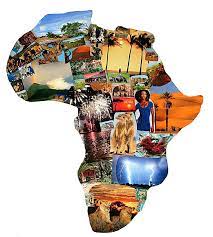
Empowering African Rangers: Protecting Wildlife and Resources
Updated at: 2023-08-06 17:56:02 (3 years ago by Melkisedeck Leon Shine)
π Empowering African Rangers: Protecting Wildlife and Resources π¦
Africa, the beautiful continent known for its rich biodiversity and vast natural resources, is facing numerous challenges when it comes to managing and protecting these invaluable assets. As African leaders, it is our responsibility to ensure that our natural resources are effectively utilized for the economic development of our nations and the well-being of our people. By empowering African rangers and adopting sustainable practices, we can safeguard wildlife and resources while promoting African unity and economic growth. π±
Here are 15 points on how African leaders can manage African natural resources for African economic development:
1οΈβ£ Ensure proper legislation and enforcement to combat illegal activities such as poaching and illegal logging that threaten the survival of wildlife and deplete our resources.
2οΈβ£ Invest in the training and capacity building of African rangers, equipping them with the necessary skills and knowledge to effectively protect and manage our natural resources.
3οΈβ£ Encourage collaboration and information sharing among African countries to tackle cross-border challenges, fostering unity and collective action for the preservation of our natural heritage.
4οΈβ£ Promote community involvement and engagement in conservation efforts, ensuring that local communities benefit from the sustainable use of natural resources.
5οΈβ£ Implement sustainable tourism practices, creating opportunities for economic growth while minimizing the negative impact on wildlife and habitats.
6οΈβ£ Establish protected areas and national parks, preserving critical habitats and promoting biodiversity conservation.
7οΈβ£ Develop partnerships with international organizations and donors to access funding and technical support for conservation initiatives.
8οΈβ£ Embrace technology and innovation to enhance monitoring and surveillance capabilities, enabling faster response to threats and illegal activities.
9οΈβ£ Invest in education and awareness campaigns to foster a sense of responsibility and pride among our people, instilling a deep appreciation for our natural resources.
π Promote sustainable agriculture and land use practices that minimize habitat destruction, ensuring the long-term viability of our wildlife and resources.
1οΈβ£1οΈβ£ Encourage research and scientific studies to better understand our ecosystems and develop evidence-based conservation strategies.
1οΈβ£2οΈβ£ Support community-led initiatives that promote alternative livelihoods, reducing the dependency on natural resource extraction and alleviating poverty.
1οΈβ£3οΈβ£ Enhance cooperation between government agencies, law enforcement, and conservation organizations to create a cohesive and coordinated approach towards resource management.
1οΈβ£4οΈβ£ Establish strong governance frameworks and transparency in the management of natural resources, ensuring accountability and preventing corruption.
1οΈβ£5οΈβ£ Celebrate and learn from the successes of other nations that have effectively managed their natural resources, adopting best practices and adapting them to our unique African context.
As African leaders, we have the power to shape the future of our continent. Let us rise above political and economic divisions and work towards a united Africa that harnesses the full potential of its natural resources for the benefit of all its people. Together, we can empower African rangers, protect our wildlife, and secure a prosperous future for generations to come. ππ¦
Will you join us in this crucial mission? Share this article and let's inspire others to take action and promote African unity for the management of our natural resources for African economic development! πͺπ
Updated at: 2025-06-12 10:04:48 (1 year ago by Melkisedeck Leon Shine)
Africa's abundant natural resourcesβminerals, hydrocarbons, and arable landβrepresent a significant catalyst for economic growth and societal well-being. However, realizing this potential necessitates a paradigm shift towards strategic resource management, integrating research, innovation, responsible governance, and sustainable practices. This article proposes a comprehensive framework for unlocking Africa's economic potential through the effective and equitable harnessing of its natural endowments. Key concepts underpinning this framework include the Resource Curse theory, which highlights the potential negative impacts of resource abundance on economic development if not managed effectively; the Porter's Diamond model, which emphasizes the interconnectedness of factors driving national competitiveness; and the Sustainable Development Goals (SDGs), which provide a global framework for achieving sustainable and inclusive growth.
Conclusion and Recommendations
Unlocking Africa's economic potential requires a multifaceted, long-term strategy that goes beyond mere resource extraction. The proposed framework emphasizes the crucial role of research, innovation, sustainable practices, and strong governance in ensuring equitable and sustainable resource management. Recommendations include increased investment in research and development, education and skills development, infrastructure development, and fostering a supportive policy environment that promotes both domestic and foreign investment. Furthermore, strengthening regional cooperation and integration, promoting value addition, and embracing technological advancements are critical for realizing the full economic potential of Africa's resources. Further research should focus on evaluating the effectiveness of different policy interventions, assessing the long-term impacts of resource management strategies on economic growth and environmental sustainability, and developing more nuanced models for predicting the economic and social consequences of resource development initiatives. The successful implementation of this framework will have a transformative impact on Africa's economic landscape, fostering inclusive growth, poverty reduction, and long-term sustainable development, ultimately improving the lives of millions of Africans.
Reader Pool:
What specific policy interventions or institutional reforms do you believe are most critical for effectively implementing the proposed framework for sustainable resource management in Africa, and what are the potential challenges and opportunities associated with their implementation?
Updated at: 2023-08-06 18:10:16 (3 years ago by Melkisedeck Leon Shine)
π Empowering Local Communities in Resource Decision-Making: Unlocking African Economic Potential π
Africa, a continent blessed with abundant natural resources, stands at the crossroads of opportunity and challenge. For far too long, our precious resources have been exploited by external powers, leaving us with meager benefits and limited control over our own fate. It is time for African leaders to rise, take charge, and manage these resources for the economic development of our continent. In this article, I aim to provide professional advice and inspire my fellow Africans to empower local communities in resource decision-making, promote African unity, and unlock our true potential. Let us embark on this journey together, embracing African economic and political liberalization.
1οΈβ£ Embrace African Ownership: It is essential for African leaders to recognize the value of our natural resources and take ownership of their management. By prioritizing the interests of our own communities, we can ensure that the benefits stay within Africa.
2οΈβ£ Promote Local Community Engagement: To empower local communities, involve them in decision-making processes concerning resource management. Their perspectives and knowledge are invaluable, as they have a deep understanding of the land and its potential.
3οΈβ£ Establish Transparent Governance: Transparency is key in resource management. Implement accountable governance structures that promote integrity, accountability, and fairness. This will build trust and attract investments from within and outside Africa.
4οΈβ£ Prioritize Sustainable Development: African leaders must prioritize sustainable development when managing natural resources. This means adopting responsible mining practices, protecting biodiversity, and mitigating the environmental impact for the benefit of future generations.
5οΈβ£ Build Strong Legal Frameworks: Develop robust legal frameworks that protect the rights of local communities and ensure a fair distribution of resource revenues. Strengthening our legal systems will prevent exploitation and provide a solid foundation for economic growth.
6οΈβ£ Invest in Education and Skills Development: Empowering local communities goes beyond resource decision-making. Invest in education and skills development programs to equip our people with the necessary knowledge and expertise to fully participate in resource management and beyond.
7οΈβ£ Harness Technological Advancements: Embrace technology to enhance resource management. Utilize modern tools that allow for efficient extraction, processing, and distribution, while minimizing environmental impact and maximizing economic returns.
8οΈβ£ Learn from Global Best Practices: The world is filled with successful resource management models. Let us study and adapt these practices to suit our unique African context. Learning from others' experiences can accelerate our progress.
9οΈβ£ Promote Collaboration and Regional Integration: African unity is crucial for effective resource management. By collaborating and integrating our efforts, we can leverage our collective strengths, attract larger investments, and create a win-win situation for all.
π Quote from Kwame Nkrumah, Ghana's first President: "We face neither East nor West; we face forward." Let us look beyond individual interests and work together for the greater good of Africa.
1οΈβ£1οΈβ£ Create Wealth Distribution Mechanisms: Design mechanisms to distribute wealth generated from natural resources equitably. Prioritize investments in healthcare, education, infrastructure, and social welfare programs to uplift the quality of life for all Africans.
1οΈβ£2οΈβ£ Encourage Entrepreneurship and Innovation: Support local entrepreneurs and innovators in the resource sector. By fostering an enabling environment, we can unlock Africa's entrepreneurial potential and create sustainable economic growth.
1οΈβ£3οΈβ£ Engage with International Partners: Forge strategic partnerships with international actors, promoting fair trade agreements and responsible investment. By engaging in mutually beneficial partnerships, we can access capital, technology, and markets to fuel our economic development.
1οΈβ£4οΈβ£ Promote Cultural Preservation: As we progress, let us not forget our rich cultural heritage. Preserve and celebrate our diverse traditions, languages, and customs. Cultural preservation adds value to our resources and enhances our unique African identity.
1οΈβ£5οΈβ£ Take Pride in African Excellence: Highlight success stories and positive role models who have contributed to African resource management. Let us celebrate our achievements and inspire future generations to take charge of their own destiny.
With these fifteen points in mind, African leaders can pave the way for a brighter future, where African natural resources are managed for the economic development of our continent. Let us empower local communities, promote African unity, and unlock our true potential. Together, we can build a prosperous Africa, where our resources benefit our people, and our collective voice resonates on the global stage. Are you ready to take part in this transformative journey? Share this article and let your voice be heard. ππ±π
Updated at: 2023-08-06 19:06:00 (3 years ago by Melkisedeck Leon Shine)
Promoting Sustainable Aquaculture: Ensuring Ocean Health ππͺ
As African leaders, it is our responsibility to manage African natural resources for African economic development. With the vast expanse of the beautiful African coastline and the abundance of marine life, one area that we can focus on is promoting sustainable aquaculture. By doing so, we not only contribute to the economic growth of our nations, but also ensure the health of our oceans for generations to come. ππ
Here are 15 key points to consider as we embark on this journey towards sustainable aquaculture and ocean health:
1οΈβ£ Create comprehensive policies: Develop and implement policies that support sustainable aquaculture practices, focusing on the protection and conservation of marine resources while also promoting economic growth.
2οΈβ£ Invest in research and development: Allocate resources to research and development initiatives that explore innovative technologies and practices for sustainable aquaculture, such as integrated multi-trophic aquaculture and recirculating aquaculture systems.
3οΈβ£ Promote responsible fishing practices: Advocate for the adoption of sustainable fishing practices that minimize bycatch, avoid overfishing, and protect vulnerable species.
4οΈβ£ Strengthen enforcement mechanisms: Implement strict regulations and enforcement mechanisms to deter illegal, unreported, and unregulated fishing activities that deplete our ocean resources.
5οΈβ£ Encourage community engagement: Involve local communities in decision-making processes concerning the management of marine resources, ensuring their participation and benefiting from the economic opportunities presented by aquaculture.
6οΈβ£ Foster partnerships and collaborations: Forge partnerships with international organizations, regional bodies, and neighboring countries to share knowledge, experiences, and best practices in sustainable aquaculture.
7οΈβ£ Develop sustainable aquaculture infrastructure: Invest in the development of infrastructure that supports sustainable aquaculture operations, such as hatcheries, processing facilities, and cold storage facilities.
8οΈβ£ Educate and train skilled workforce: Prioritize education and training programs to develop a skilled workforce capable of implementing sustainable aquaculture practices, from fish farmers to technicians and researchers.
9οΈβ£ Enhance market access: Promote African aquaculture products in local and international markets, establishing traceability systems that guarantee the quality and sustainability of our products. ππ
1οΈβ£0οΈβ£ Promote diversification: Encourage the cultivation of a wide range of fish and shellfish species to reduce pressure on wild populations and ensure the resilience of our aquaculture industry.
1οΈβ£1οΈβ£ Ensure water quality management: Implement rigorous water quality monitoring and management practices to protect the health of our aquatic ecosystems and the welfare of cultured species.
1οΈβ£2οΈβ£ Harness the potential of algae cultivation: Explore the cultivation of algae as a sustainable source of feed and biofuel, reducing the reliance on wild-caught fish for feed production.
1οΈβ£3οΈβ£ Support small-scale farmers: Provide technical and financial support to small-scale fish farmers, empowering them to adopt sustainable practices and contribute to local economic development.
1οΈβ£4οΈβ£ Embrace technological advancements: Embrace emerging technologies such as remote sensing, artificial intelligence, and blockchain to enhance monitoring, traceability, and transparency in the aquaculture sector.
1οΈβ£5οΈβ£ Foster knowledge sharing platforms: Establish platforms for knowledge sharing, collaboration, and information exchange among African nations, enabling us to learn from each other's successes and challenges. ππ€
By promoting sustainable aquaculture and ensuring ocean health, we not only secure a prosperous future for our nations but also contribute to the broader goal of African unity. Let us take inspiration from our historical African leaders who understood the importance of sustainable resource management:
"The natural resources of our continent have the potential to transform our economies and uplift our people. Let us manage them responsibly and create a legacy of prosperity for future generations." - Kwame Nkrumah, first President of Ghana.
In conclusion, let us seize this opportunity to manage our African natural resources for African economic development. Together, we can build a sustainable aquaculture industry that not only provides economic benefits but also safeguards the health of our oceans for generations to come. ππ
Are you ready to join us on this journey towards sustainable aquaculture? Share this article with your fellow Africans and let's work together to ensure the prosperity of our beloved continent! ππͺ
Updated at: 2023-08-06 17:55:59 (3 years ago by Melkisedeck Leon Shine)
Empowering Indigenous Knowledge in Resource Management πβπΎ
As African leaders, we have an extraordinary opportunity to harness the power of our vast natural resources for the economic development of our continent. Our ancestors have left us a legacy of wisdom and knowledge that we must tap into to ensure sustainable management and utilization of these resources. By integrating indigenous knowledge into our resource management strategies, we can empower our people, preserve our heritage, and foster African unity. Here are 15 points to guide us on this transformative journey.
1οΈβ£ Recognize the value of indigenous knowledge: Indigenous communities have invaluable knowledge about our natural resources, acquired over centuries of living in harmony with the land. We must acknowledge and respect this wisdom.
2οΈβ£ Foster collaboration and inclusivity: Involve indigenous communities in decision-making processes regarding resource management. Their perspectives and experiences are vital for developing sustainable strategies.
3οΈβ£ Invest in education and capacity building: Provide opportunities for indigenous individuals to acquire skills in resource management. By empowering them, we empower our entire continent.
4οΈβ£ Establish partnerships with indigenous organizations: Collaborate with local indigenous organizations to ensure their voices are heard and their interests are represented in resource management discussions.
5οΈβ£ Promote traditional practices: Encourage the preservation and revival of traditional practices that promote sustainable resource management. This includes traditional farming techniques, medicinal plant knowledge, and sustainable fishing practices.
6οΈβ£ Integrate indigenous knowledge into policy-making: Incorporate indigenous perspectives and practices into national policies and regulations. This will ensure that resource management strategies are culturally appropriate and effective.
7οΈβ£ Share success stories: Celebrate and promote successful examples of indigenous-led resource management initiatives. By showcasing these achievements, we inspire others to follow suit.
8οΈβ£ Embrace innovation: Combine indigenous knowledge with modern technologies and scientific advancements. This synergy can lead to groundbreaking solutions for resource management challenges.
9οΈβ£ Preserve cultural heritage: Recognize that our cultural heritage and natural resources are intertwined. By protecting one, we protect the other. The preservation of indigenous traditions is crucial for maintaining ecological balance.
π Foster intergenerational knowledge transfer: Encourage the passing down of indigenous knowledge from elders to younger generations. This ensures the continuity and preservation of our rich heritage.
1οΈβ£1οΈβ£ Promote sustainable tourism: Develop tourism initiatives that highlight the cultural and ecological significance of indigenous communities. This not only generates economic opportunities but also fosters appreciation and respect for our heritage.
1οΈβ£2οΈβ£ Advocate for land rights: Protect the land rights of indigenous communities, as they are the custodians of our natural resources. Secure tenure ensures their active participation in resource management.
1οΈβ£3οΈβ£ Strengthen research and documentation: Support research efforts to document and study indigenous knowledge systems related to resource management. This knowledge can serve as a valuable resource for future generations.
1οΈβ£4οΈβ£ Promote knowledge exchange: Facilitate platforms for indigenous communities to share their knowledge and experiences with one another. This fosters collaboration and mutual learning.
1οΈβ£5οΈβ£ Embrace African unity: Recognize that the sustainable management of our natural resources requires collective effort and collaboration among African nations. By working together, we can build a prosperous and sustainable future for all.
Let us embark on this journey of empowering indigenous knowledge in resource management with a shared vision of African unity and prosperity. Together, we can harness the wisdom of our ancestors, nurture our natural resources, and pave the way for sustainable economic development. Will you join us in this endeavor? Share this article and let us inspire African leaders to prioritize the management of our natural resources for the benefit of all. βπΎπ
Updated at: 2025-05-24 11:27:39 (1 year ago by Melkisedeck Leon Shine)
African economies, heavily reliant on natural resources, face a critical juncture. While these resources β minerals, forests, and coastal zones β offer immense potential for economic development and improved livelihoods, their sustainable utilization requires a robust strategy for climate resilience. This article explores fifteen key strategies, grounded in economic and environmental principles, to navigate the challenges of climate change and ensure responsible resource management for sustained economic growth in Africa. We will define key concepts such as economic diversification, sustainable development, and climate-smart infrastructure within the context of their application to African realities.
1. Economic Diversification and the Portfolio Theory: Over-reliance on a single resource makes an economy vulnerable to price shocks and resource depletion. Applying principles of portfolio theory, diversification across multiple sectors β agriculture, tourism, renewable energy β reduces overall economic risk and enhances resilience against climate change impacts that might disproportionately affect a single sector. This is a fundamental principle of risk management, ensuring that negative shocks in one area are cushioned by the positive performance of others.
2. Transition to Renewable Energy and the Environmental Kuznets Curve Hypothesis: Investing in renewable energy sources β solar, wind, hydro β reduces carbon emissions, a primary driver of climate change. This aligns with the Environmental Kuznets Curve hypothesis which suggests that economic growth initially leads to environmental degradation but eventually reaches a turning point, after which further growth results in improvements. By investing early in renewable energy, African nations can potentially bypass the most damaging phase of the curve, achieving both economic growth and environmental sustainability.
3. Sustainable Agricultural Practices and Food Security: Climate change significantly impacts agricultural yields through altered rainfall patterns and increased extreme weather events. Implementing sustainable agricultural practices, such as climate-smart agriculture (CSA), drought-resistant crop varieties, and improved irrigation systems, ensures food security and reduces vulnerability to climate-related shocks. This involves adopting practices that enhance resilience and productivity while minimizing environmental impact.
4. Climate-Smart Infrastructure Development and the Resilience Paradigm: Investing in resilient infrastructure β flood defenses, drought-resistant buildings, climate-proof transportation networks β is crucial. This aligns with the resilience paradigm, which emphasizes building systems capable of adapting to and recovering from shocks. Such investments not only protect existing infrastructure but also stimulate economic activity through job creation in the construction and related sectors.
5. Strengthening Governance and Institutional Capacity: Effective governance and strong institutions are essential for transparent and accountable resource management. This requires strengthening regulatory frameworks, promoting participatory decision-making involving local communities, and enhancing transparency to ensure equitable distribution of resource benefits, thereby fostering trust and promoting sustainable development.
6. Fostering Innovation and Technological Advancements: Investing in research and development (R&D) is vital for developing climate-resilient technologies and solutions tailored to the African context. This promotes technological leapfrogging, allowing Africa to adopt cutting-edge technologies directly, without having to go through the same stages of technological development experienced by industrialized nations.
7. Sustainable Tourism and the Carrying Capacity Concept: Africaβs rich biodiversity and cultural heritage represent a significant tourism potential. Adopting sustainable tourism practices, respecting the carrying capacity of ecosystems, and ensuring community participation in benefits sharing contribute to economic growth while preserving natural and cultural assets for future generations.
8. Regional Cooperation and the Theory of Collective Action: Addressing climate change and managing shared resources requires regional cooperation. Overcoming collective action problems, such as free-riding and coordination challenges, through the establishment of regional agreements and collaborative initiatives is vital for effective resource management and mutual benefit.
9. Empowering Local Communities and the Commons Governance Model: Local communities are often the most affected by climate change. Empowering them through participatory resource management approaches, incorporating the principles of the commons governance model, ensures their engagement in decision-making and equitable benefit-sharing, promoting both sustainability and social justice.
10. Climate Change Education and Awareness: Integrating climate change education into curricula empowers future generations to become informed and responsible stewards of natural resources. This builds capacity for sustainable development and promotes a proactive approach to climate change mitigation and adaptation.
11. Public-Private Partnerships and Resource Mobilization: Collaboration between the public and private sectors is crucial for mobilizing resources and expertise. Creating an enabling environment for private sector investment in climate-resilient projects ensures the efficient allocation of capital and technological innovation.
12. Learning from Global Best Practices and Adaptive Management: Adapting successful resource management strategies from other regions, while considering the unique context of African countries, accelerates progress toward climate resilience. This emphasizes an adaptive management approach, allowing for flexibility and adjustments based on experience and new information.
13. Promoting Pan-African Unity and Solidarity: Collective action among African nations enhances their negotiating power in international forums and facilitates the sharing of knowledge, resources, and best practices. This promotes a unified front in addressing the global challenge of climate change.
14. Leveraging Historical Leadership and Lessons Learned: Drawing inspiration from the resilience and vision of past African leaders underscores the importance of perseverance and collective effort in achieving sustainable development goals.
15. Integrating Indigenous Knowledge and Sustainable Practices: Incorporating traditional ecological knowledge and practices into modern resource management strategies enhances sustainability and community engagement. This acknowledges the value of indigenous wisdom and its crucial role in navigating environmental challenges.
Addressing climate change and ensuring sustainable resource management in resource-dependent African economies demands a multifaceted approach. Economic diversification, coupled with investments in renewable energy and climate-smart infrastructure, are crucial for building resilience. Strengthening governance, fostering innovation, and promoting regional cooperation are essential for effective resource management. Prioritizing education, engaging the private sector, and learning from global experiences will accelerate progress. Finally, recognizing and integrating indigenous knowledge systems into modern practices is imperative. Further research should focus on evaluating the effectiveness of different strategies in various ecological and socio-economic contexts across Africa. A comprehensive monitoring and evaluation framework should be developed to track progress and inform policy adjustments. The long-term impact of these strategies will depend on strong political will, sustained financial commitments, and effective collaboration among all stakeholders. The ultimate aim is a thriving, prosperous, and climate-resilient Africa, where natural resources are managed sustainably for the benefit of all citizens.
Reader Pool: Considering the interconnectedness of the strategies presented, what additional factors β beyond those discussed β are critical for achieving truly sustainable and equitable economic development in resource-dependent African economies in the face of climate change?
Updated at: 2023-08-06 21:21:05 (3 years ago by Melkisedeck Leon Shine)
π The Role of African Leaders in Promoting Conservation Education π±
As African leaders, we have a crucial role to play in managing our continent's abundant natural resources for the benefit of our people and the sustainable development of our nations. Through the promotion of conservation education, we can ensure the preservation of our environment while also driving economic growth. Let us delve into the key ways in which we can manage African natural resources for African economic development. πΏπΌ
1οΈβ£ Recognize the Value of our Natural Resources: Our rich biodiversity, vast mineral reserves, and fertile lands hold immense economic potential. By acknowledging the value of these resources, we can prioritize their sustainable management to fuel economic growth and improve the lives of our people.
2οΈβ£ Invest in Conservation Education: By allocating resources to promote conservation education, we can raise awareness about the importance of protecting our natural resources. This education should start at an early age, integrating environmental teachings into our educational curriculum.
3οΈβ£ Foster Public-Private Partnerships: Collaborating with private enterprises can help drive sustainable development initiatives. Through partnerships, we can tap into their expertise, technology, and financial resources to create a win-win situation that benefits both our environment and our economy.
4οΈβ£ Encourage Research and Innovation: Funding and supporting scientific research on sustainable resource management can lead to innovative solutions. This includes exploring renewable energy sources, eco-friendly agricultural practices, and efficient waste management systems that promote economic growth without harming our environment.
5οΈβ£ Strengthen Environmental Legislation: Enacting and enforcing strict environmental laws is crucial to ensure the sustainable use of our resources. We must hold accountable those who exploit our natural wealth without considering the long-term consequences.
6οΈβ£ Promote Sustainable Tourism: Our diverse landscapes and vibrant wildlife attract visitors from across the globe. By promoting responsible and sustainable tourism, we can generate revenue while protecting our natural heritage for future generations.
7οΈβ£ Empower Local Communities: Recognize the importance of involving local communities in decision-making processes related to resource management. Their invaluable traditional knowledge and close connection to the land can contribute to more sustainable practices and equitable distribution of benefits.
8οΈβ£ Implement Conservation Incentives: Introduce financial incentives for communities and individuals who actively participate in environmental conservation efforts. This can include monetary rewards, access to education, or preferential treatment in business opportunities, motivating our people to take an active role in safeguarding our natural resources.
9οΈβ£ Collaborate with International Organizations: Engage in partnerships with international organizations focused on conservation and sustainable development, such as the United Nations Environment Programme (UNEP) and the World Wildlife Fund (WWF). By tapping into their resources and knowledge, we can benefit from global best practices and experiences.
π Harness Technology: Leverage technological advancements to monitor and manage our natural resources effectively. Satellite imagery, drones, and data analytics can provide valuable insights into the state of our environment, enabling us to make informed decisions.
1οΈβ£1οΈβ£ Foster Regional Cooperation: Encourage collaboration among African nations to address common environmental challenges. By sharing experiences, knowledge, and resources, we can develop comprehensive and regionally tailored solutions that benefit all.
1οΈβ£2οΈβ£ Promote Sustainable Agriculture: Encourage the adoption of sustainable farming practices that protect the soil, conserve water, and minimize the use of harmful chemicals. This not only safeguards our environment but also enhances food security and contributes to economic growth.
1οΈβ£3οΈβ£ Educate Youth on Conservation: Engage our young generation by incorporating conservation education into extracurricular activities, youth forums, and community events. By instilling a sense of responsibility and love for our environment, we can create a generation that actively contributes to its preservation.
1οΈβ£4οΈβ£ Lead by Example: African leaders must set the stage for sustainable resource management by incorporating environmental practices into their own governance. By demonstrating our commitment to conservation, we can inspire others to follow suit and contribute to the advancement of our continent.
1οΈβ£5οΈβ£ Embrace Green Business Opportunities: Encourage the growth of green industries such as renewable energy, sustainable tourism, and eco-friendly manufacturing. These sectors offer significant economic potential while aligning with our goals of resource conservation and environmental protection.
In the words of the great African leader, Nelson Mandela, "Our children are our greatest treasure. They are our future. Those who abuse them tear at the fabric of our society and weaken our nation." Let us join hands and take the necessary steps to manage our natural resources for the betterment of Africa and our future generations. ππ±
What are your thoughts on the role of African leaders in promoting conservation education? How can we further strengthen our efforts to manage African natural resources for African economic development? Share your ideas and let's continue the conversation. Together, we can pave the way for a sustainable and prosperous Africa. πΏπͺ
Don't forget to share this article with fellow Africans who are passionate about our continent's future. Let's inspire and empower one another to create positive change. ππ€β¨
Updated at: 2025-05-14 11:17:44 (1 year ago by Melkisedeck Leon Shine)
This article examines the critical need for enhanced resource efficiency in Africa, exploring strategies to minimize waste and maximize the value derived from natural resources. We will define key concepts such as resource efficiency, which encompasses the optimal utilization of resources to achieve economic and social objectives while minimizing environmental impact; sustainable development, involving meeting present needs without compromising future generations' ability to meet their own; and the resource curse, the paradoxical negative impact of abundant natural resources on economic growth. The framework presented integrates various economic, social, and environmental principles to promote sustainable development across the continent.
1. Economic Growth through Resource Optimization: Effective resource management is paramount for driving economic growth in Africa. Applying principles of neoclassical economics, efficient allocation of resourcesβguided by market mechanisms where possible, and strategic state intervention where necessaryβcan stimulate job creation, industrial expansion, and improved living standards. This includes leveraging the comparative advantage of abundant resources while simultaneously diversifying economies to avoid over-reliance on any single commodity, mitigating the risks associated with the resource curse, as outlined in the theory of Dutch Disease.
2. Pan-African Collaboration for Sustainable Resource Management: The achievement of resource efficiency necessitates a unified approach. Building upon the principles of regional integration and collaborative governance, knowledge sharing and joint resource management strategies across African nations are crucial. This collaborative framework can leverage the collective strengths of member states, promoting equitable resource distribution and avoiding the potential for conflict stemming from resource scarcity. The adoption of a shared vision guided by the principles of cooperative game theory can strengthen the collective bargaining power of African nations in global negotiations, securing better terms and conditions for resource exploitation.
3. Technological Innovation and Sustainable Practices: Embracing technological advancements is key to optimizing resource extraction and processing. The application of circular economy principles β aiming for zero waste and maximum resource recovery β through the use of innovative technologies in mining, agriculture, and energy production will minimize environmental damage and maximize resource utilization. This includes investing in renewable energy infrastructure and smart agriculture techniques to increase productivity and reduce waste. The diffusion of innovation theory provides a framework for understanding how these technologies can be effectively adopted and implemented across the continent.
4. Sustainable Mining Practices and Environmental Stewardship: Sustainable mining practices are crucial for safeguarding the environment and ensuring long-term resource availability. This involves responsible extraction techniques minimizing environmental damage and reclamation efforts restoring affected land to its original or better condition. This adheres to the principles of environmental sustainability and incorporates concepts from ecological economics, aiming to balance economic development with environmental protection. The precautionary principle should guide decisions regarding potentially harmful extraction activities.
5. Agricultural Transformation and Food Security: Efficient agricultural practices are essential for food security and economic growth. Investing in irrigation systems, promoting sustainable farming techniques, and utilizing modern technologies can significantly increase productivity and reduce post-harvest losses. The application of agricultural modernization strategies, incorporating elements of precision agriculture and sustainable intensification, are crucial for increasing yields while minimizing environmental impact. This aligns with the tenets of the green revolution and its focus on increasing food production.
6. Transition to Renewable Energy Sources: Shifting towards renewable energy sources such as solar and wind power reduces reliance on fossil fuels, contributing to a cleaner environment and energy independence. This aligns with the global shift towards a low-carbon economy and addresses issues of energy security. The adoption of renewable energy technologies will require significant investment in infrastructure and skills development. The application of the energy transition framework aids in creating a roadmap for successfully implementing this change.
7. Local Value Addition and Industrial Development: Prioritizing local value addition in the processing of natural resources creates employment opportunities, increases export value, and fosters economic diversification. Import substitution industrialization (ISI) strategies can be implemented to boost local manufacturing and reduce reliance on imported goods. This fosters industrial development in line with theories of structural transformation and creates a more resilient and diversified economy, thereby mitigating the vulnerability associated with the resource curse.
8. Promoting Good Governance and Transparency: Transparent and accountable governance is essential for effective resource management. Implementing robust anti-corruption measures and ensuring public participation in decision-making fosters trust and equity. This approach aligns with principles of good governance and promotes institutional development essential for sustainable development. A transparent system fosters accountability and prevents rent-seeking behavior, maximizing the benefit to society.
9. Investing in Human Capital Development: Investing in education and skills development equips the workforce with the necessary expertise to manage resources effectively and drive sustainable development. Human capital theory underlines the importance of education and training in economic growth. This approach focuses on building a skilled and knowledgeable workforce capable of innovation and sustainable resource management.
10. Strategic International Partnerships: Collaborating with international organizations and other African nations facilitates knowledge exchange and access to best practices. This fosters learning from past experiences and avoids repeating mistakes. This approach utilizes the concept of knowledge transfer and international cooperation, enhancing learning and capacity building across countries.
11. Integrating Traditional Knowledge and Sustainable Practices: Indigenous knowledge systems often hold valuable insights into sustainable resource management. Integrating this knowledge with modern techniques creates more holistic and culturally relevant approaches. This acknowledges the importance of incorporating traditional ecological knowledge (TEK) into modern resource management strategies. This promotes synergy between traditional and modern approaches to sustainability.
12. Long-Term Vision and Strategic Planning: Adopting a long-term perspective, complemented by robust strategic planning, is fundamental for effective resource management. This requires investment in infrastructure, research, and development to lay the groundwork for sustainable growth and prosperity. This approach emphasizes the importance of long-term vision and strategic foresight in achieving sustainable development goals.
13. Empowering Local Communities and Promoting Inclusivity: Empowering local communities to actively participate in resource management decisions ensures equitable benefit-sharing and promotes social cohesion. This reflects the principles of participatory development and aims to ensure that local communities are active stakeholders in resource management. This approach promotes inclusive development and reduces the potential for conflict over resource access.
14. Cultivating Future Leaders and Promoting Sustainability: Investing in the next generation of resource managers through mentorship programs, scholarships, and training opportunities fosters future leadership in sustainable development. This ensures that the principles of sustainable resource management are embedded in the future generations of African leaders. This approach emphasizes the importance of creating a pipeline of future leaders committed to sustainability.
Conclusions and Recommendations: This article has presented a comprehensive framework for fostering resource efficiency in Africa, incorporating diverse economic, social, and environmental principles. The successful implementation of these strategies requires a multi-faceted approach, involving strong political will, collaboration amongst stakeholders, significant investment in human capital and infrastructure, and a commitment to transparency and good governance. Further research is needed to evaluate the effectiveness of specific interventions and to identify context-specific best practices. A key area for future research lies in developing sophisticated models for optimizing resource allocation in the face of climate change and population growth. The development and implementation of robust monitoring and evaluation frameworks are crucial to track progress and make necessary adjustments. The long-term impact of successful resource management will be felt across all sectors of African society, leading to increased economic prosperity, improved environmental sustainability, and enhanced social equity. This framework provides a roadmap for achieving a brighter future for Africa.
Reader Pool: What specific policy interventions would be most effective in promoting sustainable resource management within the context of your country's unique circumstances?
Updated at: 2023-08-06 18:52:11 (3 years ago by Melkisedeck Leon Shine)
Investing in Nature-Based Solutions: Nurturing Resilient Landscapes
ππΏπ±π³π
As African leaders, we have been bestowed with the responsibility of managing the vast natural resources that our continent is blessed with. These resources, if managed wisely, have the potential to drive African economic development and transform the lives of our people. It is our duty to harness the power of nature-based solutions and nurture resilient landscapes that will not only benefit us today, but also future generations of Africans. Through this article, I aim to provide professional advice to my fellow Africans on how we can manage our natural resources effectively and promote African unity.
ππΏπ±π³π
1οΈβ£ Recognize the value of our natural resources: Our forests, rivers, minerals, and landscapes are not just commodities to be exploited, but treasures that hold immense value for our continent. By understanding their significance, we can ensure their sustainable use and protect them for the benefit of all Africans.
2οΈβ£ Embrace sustainable practices: Adopting sustainable practices in our resource management is crucial for the long-term well-being of our environment and our people. By promoting practices such as reforestation, responsible mining, and conservation, we can ensure that our resources are utilized in a way that preserves their integrity.
3οΈβ£ Foster partnerships: Collaboration is key to successful resource management. By forging partnerships with other African countries, we can pool our knowledge and resources to address common challenges and maximize the benefits of our natural resources.
4οΈβ£ Invest in research and innovation: Encourage the development of new technologies and solutions that can help us manage our natural resources more efficiently. By investing in research and innovation, we can find sustainable methods of resource extraction and utilization that minimize environmental impact.
5οΈβ£ Empower local communities: Recognize the importance of local communities in the management of natural resources. By involving them in decision-making processes, providing them with training and resources, and ensuring their voices are heard, we can create a sense of ownership and ensure equitable distribution of benefits.
6οΈβ£ Promote value addition: Rather than exporting raw materials, encourage the development of local industries that add value to our natural resources. By processing and manufacturing products locally, we can create jobs, stimulate economic growth, and retain a larger share of the benefits within our own borders.
7οΈβ£ Enhance regulatory frameworks: Strengthen the regulatory frameworks that govern the management of natural resources. Ensure that they are transparent, enforceable, and protect the rights of both the environment and the people.
8οΈβ£ Combat corruption: Corruption hampers effective resource management and undermines the potential benefits that our natural resources can bring. By tackling corruption head-on, we can ensure that the revenues generated from our resources are used for the betterment of our continent and its people.
9οΈβ£ Learn from other success stories: Look to other parts of the world that have effectively managed their natural resources for inspiration and guidance. By studying their experiences, we can adopt best practices and tailor them to suit our unique African context.
π Harness the power of technology: Utilize technology to monitor and manage our natural resources. By employing tools such as satellite imagery, remote sensing, and data analytics, we can make informed decisions and track the impact of our resource management strategies.
1οΈβ£1οΈβ£ Educate and raise awareness: Promote education and awareness about the value of our natural resources among our citizens. By fostering a sense of pride and responsibility, we can encourage individual actions that contribute to the sustainable management of our resources.
1οΈβ£2οΈβ£ Prioritize environmental sustainability: Put the health of our environment at the forefront of our resource management strategies. By prioritizing sustainability, we can ensure that our natural resources continue to support our economic development for generations to come.
1οΈβ£3οΈβ£ Embrace renewable energy: Invest in renewable energy sources such as solar, wind, and hydropower. By diversifying our energy mix, we can reduce our dependence on fossil fuels and mitigate the negative environmental impacts associated with their extraction and use.
1οΈβ£4οΈβ£ Foster cross-border cooperation: Recognize that the management of natural resources often transcends national boundaries. By fostering cross-border cooperation, we can address transboundary challenges such as deforestation, pollution, and illegal resource extraction more effectively.
1οΈβ£5οΈβ£ Empower youth: Our youth are the future leaders and custodians of our natural resources. By empowering them with the necessary skills and knowledge, we can ensure that they are equipped to manage our resources responsibly and drive African economic development forward.
ππΏπ±π³π
In the words of Ghana's first President, Kwame Nkrumah, "We face neither East nor West; we face forward." Let us unite as Africans and embrace the immense potential that lies within our natural resources. By managing them wisely, we can create a prosperous and sustainable future for our continent. Let us take pride in our heritage, invest in nature-based solutions, and nurture resilient landscapes that will benefit us all. Together, we can build a brighter future for Africa.
ππΏπ±π³π
Share this article with your fellow Africans and let us embark on this journey of sustainable resource management together. How can we further promote African unity and economic development through the management of our natural resources? Share your thoughts and ideas below!
Updated at: 2025-03-02 00:25:48 (1 year ago by Melkisedeck Leon Shine)
For centuries, Africa's abundant natural resources have been exploited, hindering the continent's potential for economic prosperity. The time has come for a transformative shift: a paradigm that prioritizes community-based resource management, fostering inclusivity and empowering local communities to actively participate in the stewardship of their own wealth. This approach is not merely a strategy; it is a fundamental necessity for securing a sustainable and prosperous future for Africa.
This strategy necessitates a multifaceted approach, demanding collaboration and commitment from African leaders, communities, and international partners. Success hinges on embracing a series of interconnected principles, working synergistically to achieve sustainable resource management and economic growth.
1. Fostering Pan-African Unity: A united front is crucial. African nations must collaborate, sharing expertise, resources, and knowledge to create a unified strategy for sustainable resource management. This collective strength can address challenges more effectively and ensure long-term prosperity for the entire continent.
2. Promoting Economic Liberalization: Policies promoting economic freedom, attracting foreign and domestic investment, and encouraging entrepreneurship are essential. This creates an environment where local communities benefit directly from resource management, fostering equitable wealth distribution.
3. Empowering Local Communities: Meaningful participation in decision-making is paramount. Local communities must have a voice in all aspects of resource management, ensuring their needs and aspirations are integrated into strategies, respecting both their cultural heritage and environmental stewardship.
4. Prioritizing Sustainable Development: Economic progress and environmental conservation must be intertwined. Regulations and practices must prioritize sustainable resource extraction, preserving the environment for future generations and ensuring a lasting positive impact.
5. Leveraging Global Best Practices: Africa can learn from successful community-based resource management models globally. Studying initiatives like the Maasai Mara Conservancies in Kenya and Amazon Rainforest community projects offers valuable insights and adaptable strategies for achieving sustainable resource use.
6. Integrating Traditional Knowledge: Generations of indigenous knowledge hold invaluable insights into sustainable practices. Integrating traditional wisdom with modern techniques creates a balanced and harmonious approach to resource management, respecting ancestral practices while embracing innovation.
7. Investing in Education and Skills Development: Empowerment begins with education. Investing in training and skills development programs equips communities with the knowledge necessary for effective resource management, cultivating a new generation of leaders committed to sustainable practices.
8. Cultivating Public-Private Partnerships: Collaboration between public and private sectors can unlock innovative solutions. Partnerships combine resources and expertise, ensuring mutual benefit for both investors and local communities, driving shared prosperity.
9. Ensuring Transparent Governance: Transparency and accountability are essential. Establishing robust mechanisms that ensure fair distribution of benefits, prevent corruption, and uphold the rule of law fosters trust and attracts responsible investment.
10. Harnessing Technological Advancements: Technology is a powerful tool. Utilizing satellite monitoring, blockchain technology, and data analytics improves resource tracking, prevents illegal activities, and promotes adherence to sustainable practices.
11. Investing in Research and Development: Continuous innovation is key. Supporting research initiatives focused on sustainable resource management solutionsβthrough collaboration between African universities, research institutions, and international partnersβfuels progress and knowledge sharing.
12. Protecting Cultural Heritage: Cultural heritage is integral to sustainable resource management. Preserving traditions, languages, and indigenous practices strengthens the connection to the land and promotes responsible resource use.
13. Promoting Local Ownership: Increased local ownership of resource extraction and processing industries ensures benefits remain within communities, fostering economic empowerment and reducing external dependencies.
14. Building International Partnerships: Collaborating with like-minded countries and organizations strengthens the movement towards sustainable resource management. These partnerships facilitate knowledge exchange, funding access, and the adoption of best practices.
15. Empowering Women: Women play a crucial role in resource management. Empowering women through equal opportunities, education, and leadership positions leads to more inclusive and sustainable outcomes.
African leaders possess the power to unlock the immense potential of the continent's natural resources. By embracing community-based resource management, promoting unity, and empowering its people, Africa can pave the path towards sustainable economic development. This is not merely a call for change; it is a call to build a brighter, more prosperous future for all Africans. Let us work together to achieve this vital goal.
Join the movement towards sustainable resource management. Share this article and inspire others to take action. Let us collaborate, innovate, and build a united and prosperous Africa together.