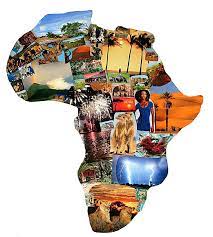
Promoting African Languages and Cultural Preservation: Embracing Independence
Updated at: 2023-08-06 16:07:09 (2 years ago by Melkisedeck Leon Shine)
๐ Promoting African Languages and Cultural Preservation: Embracing Independence ๐
Greetings, my fellow Africans! ๐๐พ Today, I want to share with you the importance of promoting African languages and cultural preservation in order to build an independent and self-reliant Africa. Our diverse languages and rich cultural heritage are the foundations upon which our continent stands. It is time for us to rise together, embrace our independence, and forge a stronger Africa. Let us embark on this journey hand in hand, promoting unity and celebrating our uniqueness. ๐ช๐พ
1๏ธโฃ Language is a vital component of any culture, as it holds the power to connect communities and preserve our history. By promoting African languages, we strengthen our cultural identity and foster a deep sense of pride within ourselves. Let us encourage the use of our indigenous languages at home, in schools, and in public spaces. ๐ฃ๏ธ
2๏ธโฃ Our African languages should be celebrated and embraced, not overshadowed by foreign languages. Let us create platforms and events that showcase the beauty and importance of our languages. ๐
3๏ธโฃ Education plays a crucial role in promoting African languages and cultural preservation. Introduce African language courses in schools and universities, ensuring that our younger generations are equipped with the tools to appreciate and preserve our heritage. ๐
4๏ธโฃ Let us also leverage technology to promote our languages. Develop apps, websites, and social media platforms that provide resources and interactive learning experiences in African languages. ๐ฑ
5๏ธโฃ Cultural preservation goes beyond language. We must encourage the exploration and preservation of our traditional music, dance, art, and storytelling. These expressions are the threads that weave our cultural tapestry together. Let us nurture and support our artists and artisans. ๐จ
6๏ธโฃ Emulating successful strategies used in other parts of the world can also be a great way to promote African languages and cultural preservation. Look to countries like India, where local languages are celebrated and preserved alongside English. ๐
7๏ธโฃ Our history is filled with inspiring leaders who fought for our independence and self-reliance. As Nelson Mandela once stated, "If you talk to a man in a language he understands, that goes to his head. If you talk to him in his language, that goes to his heart." Let us remember their words and honor their legacies by embracing our languages and culture. ๐๐พ
8๏ธโฃ Building an independent and self-reliant Africa starts with each and every one of us. By promoting our languages and cultural preservation, we strengthen our collective spirit and cultivate a sense of unity. Together, we can overcome any challenges that come our way. ๐ซ
9๏ธโฃ Now, my fellow Africans, I ask you: What steps are you taking to promote African languages and cultural preservation in your community? How can we further empower our youth to embrace their heritage? Let us share our ideas and experiences so that we may learn from one another. ๐ญ
๐ I urge you to share this article with your friends, family, and community. Together, we can inspire a wave of change and ignite a passion for promoting African languages and cultural preservation. Let us be the champions of our own destiny. ๐
In conclusion, my dear Africans, let us embrace our independence and take pride in our languages and cultural heritage. By promoting African languages and cultural preservation, we can build a stronger, self-reliant Africa. As Chinua Achebe once said, "Until the lions have their own historians, the history of the hunt will always glorify the hunter." Let us be the historians of our own story. ๐ฆโ๏ธ
Remember, the power lies within us. Together, we can shape our future and create a legacy that will be celebrated for generations to come. Let us walk this path hand in hand, united by our love for Africa. ๐โค๏ธ
Updated at: 2025-02-20 11:27:06 (1 year ago by Melkisedeck Leon Shine)
```htmlAfrica's future hinges on the development of robust, self-sufficient healthcare systems. This requires a multifaceted approach, embracing collaboration, innovation, and strategic investment. This article outlines key strategies to achieve this vital goal, inspiring a healthier and more prosperous future for the continent.
The creation of strong healthcare infrastructure is not without precedent. Examining successful models implemented in other nations, such as Ghana's National Health Insurance Scheme and Rwanda's community-based health insurance initiatives, provides valuable lessons. By adapting these proven strategies to the diverse contexts across Africa, we can accelerate progress toward sustainable healthcare solutions. This involves a thorough analysis of what worked, what challenges were encountered, and how these experiences can inform the development of uniquely African solutions.
Africa's strength lies in its diversity. By fostering collaboration between nations, we can leverage collective knowledge and resources. Sharing best practices, expertise, and experiences across regional organizations and individual countries will accelerate development and prevent the duplication of effort. This collaborative approach allows for the pooling of resources, the establishment of common standards, and the development of regionally tailored solutions that address specific needs.
A robust healthcare system demands a strong physical foundation. This necessitates significant investment in healthcare facilities, encompassing construction, renovation, and equipping of hospitals and clinics. Equally crucial is investment in essential services such as clean water and sanitation, reliable electricity, and efficient transportation networks. Improved infrastructure ensures the timely delivery of medical supplies and facilitates access to care, particularly in remote areas, bridging the urban-rural divide.
Technological advancements offer immense potential to revolutionize healthcare in Africa. Embracing telemedicine, electronic health records (EHRs), and mobile health (mHealth) solutions can dramatically expand access to medical expertise, especially in underserved communities. These technologies facilitate remote consultations, improve diagnostic capabilities, and streamline administrative processes, ultimately enhancing the efficiency and effectiveness of healthcare delivery.
Healthcare professionals are the cornerstone of any effective system. Strategic investment in healthcare education is paramount. This encompasses expanding medical schools, offering scholarships and grants, developing robust training programs, and implementing mentorship initiatives. A well-trained and motivated workforce is essential to deliver high-quality, compassionate care across all communities.
Collaboration between the public and private sectors is crucial for sustainable healthcare development. By leveraging the strengths of both, we can accelerate progress. This includes encouraging private investment in healthcare infrastructure, promoting public-private partnerships in research and development, and fostering corporate social responsibility initiatives. This synergistic approach can unlock greater resources and expertise, leading to more comprehensive and sustainable solutions.
Long-term sustainability requires adequate and reliable financing. This necessitates prioritizing healthcare in national budgets, exploring diverse funding mechanisms, such as innovative public-private partnerships and impact investing, and advocating for increased health insurance coverage. Strategic investments in healthcare today safeguard the future well-being of generations to come, ensuring that access to quality healthcare is a fundamental right for all Africans.
Building independent and self-reliant healthcare systems in Africa is a collective endeavor, requiring a unified vision and sustained commitment. By strategically implementing the strategies outlined above, learning from past successes, and embracing innovation and collaboration, we can create a healthcare landscape that fosters the well-being and prosperity of all Africans. The journey towards a healthier Africa demands collective action, sustained investment, and an unwavering belief in the transformative power of unity and cooperation.
Let's work together to build a future where access to quality healthcare is a reality for all Africans, ensuring a healthier and more prosperous continent for generations to come. Share your insights and contribute to this crucial conversation.
#AfricaHealthcare #HealthEquity #SustainableDevelopment #GlobalHealth
```
Updated at: 2025-02-28 13:19:18 (1 year ago by Melkisedeck Leon Shine)
```htmlThe aspiration for a self-reliant Africa is a shared dream across the continent. Realizing this vision necessitates a fundamental shift in our approach, prioritizing strategic infrastructure development as the cornerstone of lasting progress. Investing in robust infrastructure isn't merely about constructing roads and buildings; it's about laying the groundwork for economic empowerment, social upliftment, and sustainable growth across all sectors.
1. Infrastructure: The Engine of Economic Growth
Robust infrastructure is the lifeblood of any thriving economy. It facilitates efficient trade, attracts foreign investment, and significantly enhances productivity. Modern transportation networks, reliable energy grids, and advanced communication systems are not just amenities; they are essential catalysts for economic expansion and regional integration. A well-connected Africa is a prosperous Africa, fostering collaboration and economic opportunity across borders.
2. Global Best Practices: Lessons in Development
The success stories of other nations, particularly those that have experienced rapid infrastructure-led growth, offer invaluable lessons. China's transformative journey, marked by significant investments in infrastructure, serves as a compelling example. Their strategic approach, focusing on building efficient transportation networks and modernizing key sectors, has propelled their economic ascent. By carefully studying and adapting these successful strategies, Africa can chart a similar course toward self-reliance.
3. A Strategic Roadmap for African Development
A strategic, phased approach is crucial for effective infrastructure development. Prioritization is key; investments should focus on critical sectors such as energy, transportation, and telecommunications. These sectors form the backbone of a modern economy, driving growth and connecting communities. Simultaneously, fostering strong partnerships with other African nations and leveraging international collaborations will amplify our collective impact, ensuring sustainable and equitable development across the continent.
4. Embracing Technology: Building a Smart Africa
In the 21st century, technology is not just an accessory; it is an essential tool for progress. Integrating smart city initiatives, harnessing renewable energy sources, and expanding digital connectivity are vital steps towards creating a modern, efficient, and sustainable infrastructure. These technological advancements will not only improve the daily lives of African citizens but also attract significant foreign investment, fostering economic diversification and growth.
5. Pan-African Unity: The Power of Collective Action
Africa's immense diversity is its greatest strength. Our rich tapestry of cultures and traditions, coupled with abundant natural resources, provides a powerful foundation for collective progress. The realization of a self-reliant Africa demands a unified approach; working together, pooling resources, and sharing expertise will exponentially amplify our impact. Nelson Mandela's inspiring words, "It is in your hands to create a better world for all who live in it," serve as a timeless reminder of our shared responsibility to build a brighter future for generations to come.
The Path Forward: Collective Responsibility
The journey toward a self-reliant Africa requires a collective commitment. Each individual, community, and nation has a crucial role to play. We must actively support our governments' initiatives, advocate for responsible infrastructure planning, and promote sustainable practices. By working together, fostering transparency, and embracing innovation, we can build a strong and prosperous Africa that takes its rightful place on the global stage. Let us share our ideas, support each other, and become the architects of our own destiny. Let the development of our infrastructure be a testament to our collective strength and unwavering commitment to a brighter future.
Share this message, inspire others, and join the movement towards a self-reliant Africa. #AfricaUnite #InfrastructureDevelopment #SelfReliantAfrica
```
Updated at: 2023-08-06 17:40:47 (2 years ago by Melkisedeck Leon Shine)
๐ The Role of African Diaspora in Promoting Independence ๐
๐ Hello fellow Africans! Today, I want to discuss a topic that is close to my heart - the role of the African diaspora in promoting independence and self-reliance within our beloved continent. As Africans, we have a rich history and a bright future, but to truly achieve independence and self-reliance, we must come together and harness the power of our diaspora communities. ๐ช
1๏ธโฃ The African diaspora is a powerful force that can contribute greatly to the development of our continent. Through their expertise, skills, and knowledge gained from living in various parts of the world, they can bring fresh ideas and perspectives that can help shape our future. Let us celebrate the diversity and strength of our diaspora communities! ๐๐๐
2๏ธโฃ To build independent and self-reliant African communities, we must focus on education and entrepreneurship. Education is the key to unlocking our full potential, and by investing in quality education systems, we can empower our youth to become the leaders of tomorrow. In addition, promoting entrepreneurship will create jobs and reduce dependency on external aid. ๐ผ๐
3๏ธโฃ Let us learn from the experiences of other parts of the world. Many countries have successfully achieved independence and self-reliance by investing in infrastructure, agriculture, and technology. By replicating these strategies and adapting them to our unique African context, we can accelerate our own development. ๐๐ฑ๐ป
4๏ธโฃ Our African leaders have left us with powerful words of wisdom. As Nelson Mandela once said, "Education is the most powerful weapon which you can use to change the world." Let these words resonate within us and inspire us to take action. ๐ช
5๏ธโฃ Independence and self-reliance require unity and collaboration. We must break down the barriers that divide us and work together as one African family. Let us embrace the spirit of Ubuntu - I am because we are. Together, we can achieve greatness. ๐ค๐
6๏ธโฃ It is important to foster a sense of pride and ownership within our communities. Let us celebrate our African culture, traditions, and values. By embracing our heritage, we can build a strong foundation for independence and self-reliance. ๐๐บ๐ด
7๏ธโฃ We must also address the brain drain issue. Many talented Africans leave the continent in search of better opportunities. We need to create an environment that encourages them to stay and contribute to the development of our communities. Let us create opportunities that match their skills and expertise. ๐ผโ๏ธ
8๏ธโฃ As Africans, we have a responsibility to support and uplift one another. Let us invest in African businesses, buy African products, and promote African talent. Together, we can build a thriving economy that benefits us all. ๐ฐ๐๐ช
9๏ธโฃ Now, I want to ask you - what role can you play in promoting independence and self-reliance within our African community? How can you contribute your skills and expertise? Share your thoughts and ideas with us! ๐ค๐ก
๐ I encourage you to share this article with your friends, family, and fellow Africans. Let us spread the message of unity and self-reliance far and wide. Together, we can inspire others to join our cause and build a brighter future for Africa. ๐โจ
In conclusion, the role of the African diaspora in promoting independence and self-reliance is crucial. By harnessing their expertise, embracing our African identity, and working together as one, we can build a future where Africa is strong, independent, and self-reliant. Let us rise to the challenge and transform our continent. The time is now. ๐ช๐๐ฅ
Updated at: 2025-06-19 09:51:09 (9 months ago by Melkisedeck Leon Shine)
This article analyzes the critical need for cultivating self-reliant ecosystems in Africa to ensure the long-term sustainability of wildlife conservation. Central to this discussion are the interconnected concepts of ecosystem resilience, community-based conservation (CBC), sustainable tourism, and capacity building. Ecosystem resilience, drawing upon ecological principles, describes an ecosystem's ability to absorb disturbances and recover. Community-based conservation, rooted in social equity theories, emphasizes the active participation of local communities as essential partners. Sustainable tourism, aligning with sustainable development goals, aims to minimize environmental impact while maximizing economic benefits for local communities. Lastly, capacity building, informed by human capital theory, focuses on providing the necessary skills and resources for effective conservation management. We will explore these concepts through established ecological and socio-economic frameworks, demonstrating their practical application within the diverse African context.
The establishment of resilient ecosystems is paramount for the long-term viability of African wildlife and the continent's ecological integrity. Applying the principles of ecological resilience theory, we recognize that biodiversity loss and habitat fragmentation severely compromise an ecosystem's ability to withstand shocks and adapt to environmental change. Independent, biodiverse, and interconnected ecosystems demonstrate superior resilience, crucial in mitigating the impacts of climate change, habitat degradation, and human-wildlife conflictโchallenges significantly impacting African wildlife populations. Self-reliant ecosystems, minimizing external dependencies, promote inherent stability and long-term sustainability, directly contributing to ecological sustainability and the achievement of the Sustainable Development Goals (SDGs).
Achieving self-reliant ecosystems necessitates a paradigm shift towards community-based conservation (CBC). This approach recognizes local communities not merely as stakeholders but as integral partners in conservation success. The following strategies are pivotal in empowering communities and fostering self-reliance:
Africa can benefit significantly from successful conservation initiatives elsewhere. Case studies from countries such as Costa Rica and Kenya, demonstrating the effective integration of conservation with economic development, offer valuable insights into successful CBC models, sustainable tourism strategies, and policy frameworks. Analyzing these successes through the lens of institutional theory highlights the crucial role of effective governance and policy in achieving conservation outcomes. Adapting and applying these proven strategies to the unique contexts of diverse African ecosystems can substantially enhance conservation effectiveness.
The legacies of visionary African leaders like Nelson Mandela, Julius Nyerere, and Wangari Maathai highlight the profound connection between environmental stewardship and social progress. Their commitment to social justice and environmental conservation serves as an enduring inspiration, demonstrating the interdependence of environmental sustainability and human well-being. Their leadership exemplifies transformational leadership principles, motivating collective action towards a sustainable future and underscoring the necessity of strong political will and long-term commitment for effective environmental management.
Fostering self-reliant ecosystems in Africa demands a holistic, collaborative approach that prioritizes community empowerment, sustainable development, and robust governance. Successful conservation necessitates the integration of ecological principles with socio-economic considerations, acknowledging the interconnected fates of people and nature. Further research should assess the efficacy of various CBC models across diverse African contexts, exploring technology's role in enhancing conservation efforts and examining the long-term economic and social benefits of ecosystem-based adaptation strategies. By embracing shared responsibility and collective action, Africa can secure the long-term sustainability of its invaluable wildlife heritage, building a future where both people and nature flourish. A multi-pronged approach utilizing qualitative and quantitative methodologies, including case studies, statistical analysis, and participatory evaluations, is needed to evaluate the effectiveness of different strategies and policies. This approach will strengthen future interventions and guide adaptive management strategies. Recommendations include increased investment in community-led conservation programs, strengthened regional collaborations, and policy frameworks that integrate environmental protection and social equity considerations.
Reader Pool: How can we further refine the integration of traditional ecological knowledge (TEK) with modern scientific approaches to optimize the effectiveness of community-based conservation initiatives in Africa, and what are the potential challenges and opportunities in doing so?
Updated at: 2025-06-19 19:14:42 (9 months ago by Melkisedeck Leon Shine)
Africa's agricultural sector presents a significant opportunity for economic development and food security. This potential can be unlocked through the strategic development and implementation of robust agricultural value chains (AVCs). This approach transcends mere agricultural production; it necessitates the creation of a comprehensive system supporting farmers from input sourcing to market access, thereby ensuring sustainable livelihoods and economic growth. Key concepts in this analysis include the Porter's Value Chain model, which analyzes the activities that contribute to a product or serviceโs value, and the transaction cost economics framework, illustrating how efficient governance structures minimize costs associated with value chain interactions. The collaborative nature of AVCs will be examined through the lens of social network theory, highlighting the importance of inter-firm relationships.
The construction of effective AVCs requires a multi-stakeholder approach, integrating farmers, input suppliers, processors, distributors, and consumers within a coordinated network. Applying the principles of network theory, this integration optimizes efficiency, minimizes waste, and ensures fair pricing throughout the production and distribution processes. This equitable benefit-sharing leads to increased income and improved living standards for farmers, as predicted by the resource-based view of the firm; efficient value chains offer competitive advantages based on superior resource management.
Knowledge sharing and collaboration are vital for AVC success. Government agencies, NGOs, and private sector partners can facilitate this, leveraging collective knowledge and resources to address common challenges faced by farmers. This collaborative environment, analyzed through the lens of organizational learning theory, promotes innovation, enhances productivity, and builds resilience within the agricultural system. This facilitates the diffusion of best practices and technologies, enhancing overall efficiency and effectiveness.
Active farmer participation is paramount. This empowerment strategy shifts farmers from passive producers to active entrepreneurs, driving economic growth and self-reliance. The capabilities approach, focusing on expanding farmersโ capabilities and agency, underscores the importance of farmer involvement in all stages, from selecting high-yielding crop varieties and adopting sustainable farming practices to navigating market dynamics and accessing finance. This aligns with the entrepreneurial orientation framework, promoting proactive and innovative behavior.
Benchmarking against successful global AVCs, such as the Ethiopian coffee industry, provides valuable insights. This industry showcases how a well-structured AVC, coupled with investment in quality and international marketing, can significantly enhance a nationโs agricultural profile and economic standing. Case study analysis of such successes reveals transferable strategies applicable to diverse African contexts.
Investing in modern farming technologies, like precision agriculture and improved irrigation systems, is crucial for enhancing productivity and efficiency. Simultaneously, access to affordable credit and financial services empowers smallholder farmers to expand operations and invest in their businesses. Efficient supply chains, minimizing post-harvest losses and ensuring timely market access, constitute critical components of a successful AVC.
Strategic partnerships between local and international stakeholders are essential. Collaborations leverage diverse expertise and resources, fostering technological advancements, capacity building, and enhanced market linkages for African farmers. This collaborative approach, examined through the lens of institutional theory, demonstrates how shared norms and expectations can drive collaborative actions and overcome institutional barriers.
Comprehensive educational initiatives are critical to equip farmers with relevant skills, including sustainable farming practices, financial literacy, market analysis, and business management. This empowers farmers for long-term sustainability and adaptability within evolving agricultural landscapes. Human capital theory highlights the importance of investing in farmer education and training as a critical determinant of long-term success.
Ethical considerations, including fair trade practices, environmental sustainability, and the preservation of cultural heritage, must be integrated into AVC development. This approach to responsible agricultural production fosters both economic and social progress, ensuring long-term sustainability and aligning with principles of corporate social responsibility.
Conclusions and Recommendations: The development of self-reliant agricultural value chains in Africa requires a multifaceted, collaborative approach. Integrating the concepts discussed โ Porterโs Value Chain, transaction cost economics, social network theory, resource-based view, capabilities approach, entrepreneurial orientation, organizational learning theory, institutional theory, and human capital theory โ provides a robust framework for achieving sustainable agricultural transformation. Recommendations include targeted investments in infrastructure, technology, farmer training, and financial services. Furthermore, fostering strong public-private partnerships and promoting fair trade practices are crucial. Impact assessment methodologies should be employed to monitor progress and refine strategies. Further research should focus on context-specific adaptations of value chain models, the role of digital technologies in enhancing efficiency and transparency, and the impact of climate change on value chain resilience.
Reader Pool: What are the most significant barriers to the successful implementation of agricultural value chains in diverse African contexts, and how can these be effectively addressed through innovative policy and programmatic interventions?
Updated at: 2023-08-06 15:47:25 (2 years ago by Melkisedeck Leon Shine)
Empowering African Educators: Cultivating Independent Learning Environments ๐โจ
Greetings to my fellow African educators and aspiring leaders! Today, I stand before you with a burning desire to ignite the flames of independence and self-reliance within our beloved continent. It is time for us to take charge of our own educational path, to cultivate a vibrant learning environment that nurtures the minds of our youth and propels Africa towards greatness. With the right strategies and unwavering determination, we can achieve this monumental task together. Are you ready? Let's dive in and explore the ways in which we can build a brighter future for Africa, one independent learner at a time. ๐๐ฑ
1๏ธโฃ Embrace Our Cultural Heritage: Africa is a land rich in diverse cultures and traditions, each with its own unique wisdom to share. Let us infuse our educational systems with the beauty of our heritage, teaching our children the importance of their roots and inspiring them to become guardians of their own history. By doing so, we empower them to take ownership of their learning journey and develop a deep sense of identity. ๐๐บ
2๏ธโฃ Foster Critical Thinking Skills: As educators, it is crucial that we equip our students with the ability to think critically and solve problems independently. Encourage them to ask questions, challenge existing knowledge, and explore multiple perspectives. Let us create an environment where curiosity flourishes and innovative ideas are celebrated. By doing so, we unlock the untapped potential within our youth, preparing them to shape Africa's destiny. ๐ง ๐ก
3๏ธโฃ Emphasize Self-Directed Learning: In a rapidly changing world, adaptability is key. Let us guide our students towards becoming self-directed learners, capable of taking charge of their own education. Encourage them to set goals, seek out resources, and develop a hunger for knowledge that extends beyond the classroom walls. By fostering independence, we empower our youth to become lifelong learners, ready to face any challenge that comes their way. ๐๐ฏ
4๏ธโฃ Collaborate and Connect: Africa is a continent of immense diversity, and by embracing this diversity, we unlock a world of possibilities. Encourage collaboration among educators, facilitate partnerships between schools and communities, and foster connections with educators from around the globe. By embracing a global perspective, we expose our students to new ideas, cultures, and ways of thinking, broadening their horizons and empowering them to become global citizens. ๐ค๐
5๏ธโฃ Draw Inspiration from History: Throughout African history, we have been blessed with visionary leaders who have championed independence and self-reliance. Let us draw inspiration from the likes of Nelson Mandela, Kwame Nkrumah, and Wangari Maathai, who fought tirelessly for freedom and progress. Their words and actions remind us of the power we hold within ourselves to make a difference. As Nelson Mandela once said, "Education is the most powerful weapon which you can use to change the world." Let us heed his call and become the agents of change Africa so desperately needs. ๐ช๐
In conclusion, my fellow African educators, the time has come for us to take the reins and cultivate independent learning environments that empower our youth to become the leaders of tomorrow. By embracing our cultural heritage, fostering critical thinking, emphasizing self-directed learning, collaborating and connecting, and drawing inspiration from our rich history, we can pave the way for a brighter future for Africa. Together, we can break down the barriers that hold us back and create a continent where independent and self-reliant learners thrive. Let us unite, let us inspire, and let us build a legacy that will be remembered for generations to come. ๐๐ซ
Now, I invite you to share this article with your fellow educators, friends, and family. Together, let us ignite the flames of change and empower Africa to reach new heights. Are you ready to join this movement? What strategies do you believe can further enhance independent learning environments in Africa? Share your thoughts, experiences, and ideas, for it is through collaboration that we truly thrive. Together, we can build a brighter future for Africa! ๐๐
Share to inspire! ๐โจ
Updated at: 2025-06-19 21:50:33 (9 months ago by Melkisedeck Leon Shine)
African Non-Governmental Organizations (NGOs) play a crucial catalytic role in promoting sustainable development and self-reliance across the continent. Their interventions, grounded in principles of Ubuntu โ a philosophy emphasizing interconnectedness and collective well-being โ empower individuals and communities to shape their own destinies. This empowerment fosters a ripple effect of positive change, strengthening the social fabric and promoting resilient communities. This article will explore the key strategies employed by these organizations, focusing on education, entrepreneurship, collaboration, and the crucial importance of context-specific approaches. The application of relevant theories such as Dependency Theory, Human Capital Theory, and Social Capital Theory will illuminate the impact of these strategies.
Human Capital Development through Education and Skills Enhancement: A cornerstone of sustainable development is investment in human capital. African NGOs prioritize education and skills development, recognizing its transformative power. Consistent with Human Capital Theory, which posits that investment in education and skills directly contributes to increased productivity and economic growth, these NGOs provide educational opportunities and vocational training. This empowers individuals, equipping them with the knowledge and skills necessary for economic participation and self-sufficiency, thus breaking cycles of poverty and dependence. Real-world examples include vocational training programs focusing on agriculture, technology, and entrepreneurship, directly impacting livelihoods and community development.
Promoting Entrepreneurship and Sustainable Livelihoods: The cultivation of entrepreneurship is paramount in building self-reliant communities. African NGOs actively support local entrepreneurs through mentorship, training programs, and access to microfinance initiatives, thereby fostering innovation and economic growth at the grassroots level. These initiatives align with the principles of sustainable development, focusing on job creation, economic diversification, and long-term economic viability. This approach is informed by the concepts of sustainable entrepreneurship and inclusive growth, aiming to generate both economic benefits and positive social impacts within communities. The success of microfinance programs, mirroring the Grameen Bank model's impact, provides empirical evidence of this approach's effectiveness.
Strategic Collaboration and Partnership Building: The effectiveness of African NGOs is significantly enhanced through strategic collaboration and partnerships. By working collaboratively with governments, international organizations, and other NGOs, they leverage resources and expertise, achieving a far greater impact than they could individually. This collaborative approach underscores the importance of social capital, as described by Social Capital Theory. The collective action tackles complex challenges such as poverty, healthcare access, and environmental sustainability more effectively, fostering a holistic approach to development. Joint initiatives, for example, in the areas of community health, environmental protection, and disaster relief, highlight the power of collaborative efforts.
Addressing Context-Specific Challenges through Localized Solutions: The challenges faced by African communities are diverse and context-specific. A key strategy for effective intervention lies in adapting development models and solutions to the unique social, economic, and environmental conditions of each community. This nuanced approach acknowledges the limitations of applying generalized solutions and avoids the pitfalls of development projects that fail to consider local realities. Understanding the socio-cultural context through participatory research methods allows for the development of relevant and effective strategies. This aligns with the principles of community-based development and participatory action research.
Overcoming Challenges and Fostering Resilience: The path to self-reliance is not without its obstacles. However, the resilience and determination of African communities, coupled with the strategic interventions of NGOs, are powerful forces in overcoming challenges. Embracing diversity, celebrating rich cultural heritage, and fostering unity are crucial for building strong and prosperous nations. The ability to adapt and innovate, as well as the fostering of community cohesion, are integral to developing resilient communities capable of navigating challenges and sustaining progress.
Conclusions and Recommendations: African NGOs are pivotal in driving sustainable development and self-reliance across the continent. Their strategic interventions, informed by relevant theories and best practices, empower communities, foster economic growth, and build resilience. Further research should focus on evaluating the long-term impact of NGO interventions, exploring the effectiveness of different approaches in diverse contexts, and investigating the role of technology in enhancing the reach and impact of NGO programs. Continued support for African NGOs, increased investment in human capital, and the promotion of collaborative partnerships are essential for achieving sustainable development goals and fostering a prosperous and self-reliant Africa. The future of a thriving Africa depends on fostering empowerment at the community level, promoting sustainable economic growth, and building resilient communities capable of overcoming challenges and achieving long-term prosperity.
Reader Pool: Considering the multifaceted challenges and opportunities facing African nations, what are the most effective strategies for scaling up the impact of African NGOs and ensuring long-term sustainability of their initiatives?
Updated at: 2023-08-06 16:07:16 (2 years ago by Melkisedeck Leon Shine)
Investing in Healthcare: Fostering a Healthy and Self-Reliant Continent ๐
๐ Greetings fellow Africans! Today, let's embark on a journey to explore the importance of investing in healthcare and how it can lead us towards building an independent and self-reliant continent. ๐ฅ๐ช
Africa's Potential: Africa is a continent blessed with vast resources, diverse cultures, and resilient individuals. It is time for us to harness this potential and invest in the backbone of our society - healthcare. ๐ซ
Building a Strong Foundation: A healthy population is the backbone of any thriving society. By investing in healthcare, we are ensuring that our people have access to quality medical services, preventive care, and life-saving treatments. This foundation will catapult us towards progress and prosperity. ๐ฑ๐
Learning from Others: Let's draw inspiration from successful healthcare systems around the world. Countries like Rwanda have made remarkable progress in improving their healthcare infrastructure, reducing child mortality rates, and enhancing maternal health. We can learn from their experiences and adapt their strategies to fit our unique African context. ๐๐ก
๐ The Power of Prevention: Prevention is always better than cure. By investing in healthcare, we can focus on preventive measures such as vaccination campaigns, disease surveillance, and health education. This proactive approach will empower our communities to take charge of their own health. ๐ก๏ธ๐
Promoting African Unity: Investing in healthcare is not just an individual effort, but a collective responsibility. Let's unite as Africans and work towards a common goal of ensuring the well-being of our fellow citizens. Together, we can build a healthcare system that caters to the needs of everyone, regardless of their social status or geographical location. ๐ค๐
โA healthy body is a guest-chamber for the soul; a sick body is a prison.โ - Francis Bacon. These wise words remind us of the importance of good health in living a fulfilling life. By investing in healthcare, we are setting our people free, enabling them to reach their full potential and contribute to the growth of our continent. ๐๐ช
The Ripple Effect: Investing in healthcare has a multiplier effect on our economy. A healthy workforce is more productive, innovative, and capable of driving economic growth. By fostering a healthy population, we are laying the foundation for a prosperous Africa. ๐ผ๐ฐ
Community Empowerment: Healthcare investments should not only focus on hospitals and clinics but also on empowering local communities. By providing access to healthcare education, training programs, and job opportunities, we can create a self-reliant continent where Africans can take charge of their own health and contribute to the development of their communities. ๐๐
๐ Let's be the Change: As Africans, we have the power to shape our own destiny. Let's rise above the challenges and work towards building a strong healthcare system that reflects our values and aspirations. Together, we can inspire future generations to take pride in their African heritage and contribute to the well-being of our continent. ๐ช๐
Reflecting on our History: "Health is wealth." These words from Kwame Nkrumah, the first President of Ghana, remind us of the timeless wisdom in prioritizing healthcare. Let's honor the vision of our great leaders by investing in the health of our people. ๐๐
Join the Movement: Are you ready to be a part of this transformative journey? Share this article with your friends, family, and colleagues to spread awareness about the importance of investing in healthcare. Together, we can inspire action and create a brighter future for Africa. ๐๐ฃ๏ธ
๐ It's time to invest in the most precious asset we have โ our health. Let's build a healthy and self-reliant continent that future generations will be proud to inherit. Join me in this noble cause, and together, let's make Africa shine! ๐ซ๐
Remember, the power lies within each and every one of us to make a difference. The time is now, Africa! Let's invest in healthcare and foster a healthy and self-reliant continent. ๐๐
Updated at: 2025-02-20 12:26:21 (1 year ago by Melkisedeck Leon Shine)
```Across the African continent, a powerful force for positive change is emerging: the social entrepreneur. These individuals are not merely building businesses; they are building brighter futures for their communities, fostering independence, and driving sustainable development. This article explores key strategies for empowering African social entrepreneurs and nurturing self-reliant communities.
Embracing Entrepreneurial Potential: The journey towards self-sufficiency begins with recognizing and harnessing the immense talent and ingenuity within our communities. By embracing entrepreneurship, we create opportunities for economic growth, job creation, and community upliftment. This is not simply about generating profit; it's about creating solutions to pressing social issues, fostering economic empowerment, and building resilient communities from the ground up. This requires identifying local needs, fostering innovation, and developing businesses that meet those needs sustainably.
Building Sustainable and Impactful Ventures: The key to long-term success lies in building sustainable businesses. This means creating ventures that are not only profitable but also address critical social challenges. By developing solutions that are economically viable and socially responsible, we establish a strong foundation for self-reliance and lasting impact. This involves careful market research, strategic planning, and a commitment to ethical and environmentally responsible business practices.
The Power of Collaboration: Progress in any endeavor is amplified through collaboration. A united front of African entrepreneurs, sharing resources, knowledge, and networks, creates a powerful synergy. By working together, we can overcome challenges, share best practices, and accelerate our collective progress. This collaborative spirit extends beyond entrepreneurs, encompassing partnerships with government agencies, NGOs, and international organizations to maximize impact and leverage resources effectively.
Global Learning and Adaptation: The world is a vast source of knowledge and experience. By studying the successes and challenges of entrepreneurs globally, we can adapt proven strategies to our unique African context. This involves identifying best practices, understanding market dynamics in different regions, and creatively applying global lessons to local realities. Learning from others doesn't mean imitation; it means intelligent adaptation and innovation.
Resilience and Perseverance: The path to entrepreneurship is not without its obstacles. However, the spirit of resilience, a hallmark of African culture, empowers us to overcome challenges and learn from setbacks. Nelson Mandela's words, "The greatest glory in living lies not in never falling, but in rising every time we fall," serve as a powerful reminder of our capacity to persevere and achieve our goals. This resilience is crucial in navigating the complexities of business, embracing failure as a learning opportunity, and continuously striving for improvement.
Ethical Business Practices: Integrity is paramount in building trust and fostering long-term success. Honesty, transparency, and ethical conduct are not merely good practices; they are essential for establishing credibility with customers, investors, and communities. By upholding the highest ethical standards, we build strong relationships and attract long-term support, ensuring the sustainability and positive impact of our ventures.
Continuous Learning and Growth: The entrepreneurial journey is a continuous process of learning and development. Actively seeking opportunities for professional development, such as attending workshops, conferences, and online courses, is an investment in ourselves and our businesses. This commitment to lifelong learning allows us to refine our skills, adapt to changing market conditions, and remain at the forefront of innovation.
Collective Action for Sustainable Impact: The African proverb, "If you want to go fast, go alone. If you want to go far, go together," emphasizes the importance of collaborative efforts. By partnering with fellow entrepreneurs, organizations, and government institutions, we can create a powerful collective force for positive change. This synergy enables us to achieve scale, leverage resources, and create a lasting impact on our communities.
Breaking the Cycle of Dependency: True empowerment comes from self-reliance. By fostering innovation, creating homegrown solutions to local challenges, and reducing reliance on external aid, we build stronger, more independent communities. This requires focusing on creating sustainable businesses that address local needs and generate economic opportunities within our own communities.
Celebrating Our Cultural Heritage: Africa's rich cultural heritage is a source of inspiration and innovation. By integrating our traditions, values, and artistic expressions into our businesses, we create unique and authentic brands that resonate with our communities and reflect our cultural identity. This infusion of cultural heritage not only enhances brand identity but also fosters a sense of pride and ownership.
The future of Africa lies in the hands of its entrepreneurs. Let us embrace the challenge, celebrate our collective strength, and work together to build a more prosperous and equitable continent. What steps will you take today to contribute to this transformative movement?
```