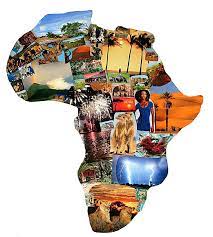
Empowering African Women in STEM: Driving Technological Independence
Updated at: 2023-08-06 15:47:17 (2 years ago by Melkisedeck Leon Shine)
ππ©βπ¬Empowering African Women in STEM: Driving Technological Independenceππ©βπ¬
Africa, our beloved continent, is on the cusp of a transformative era. As we strive for progress and development, it is imperative that we harness the power of science, technology, engineering, and mathematics (STEM) to drive our own future. In this pursuit, the empowerment of African women in STEM is not just a necessity but a crucial step towards achieving technological independence. Let us come together, my fellow Africans, and embrace this mission with unwavering determination.πͺ
1οΈβ£ As we embark on this journey, we must recognize the unique challenges that our African women face in pursuing careers in STEM. Cultural biases, societal expectations, and limited access to education are just a few of the hurdles they encounter. However, we must also celebrate the immense potential and resilience that lies within our women. The determination and knowledge they possess can push our continent forward.π
2οΈβ£ To build independent and self-reliant African communities, we must prioritize education and create opportunities for our women to thrive in STEM fields. Investing in scholarships, mentorship programs, and workshops will equip them with the tools they need to excel. By promoting inclusivity and breaking down barriers, we will harness the untapped potential of countless African women.π
3οΈβ£ Let us draw inspiration from other parts of the world where empowering women in STEM has yielded remarkable results. Look at the strides made by countries like Rwanda, which have actively involved women in their technological revolution. By actively involving women in decision-making processes, Rwanda has seen an increase in economic growth, innovation, and social progress. Let us learn from their triumphs and adapt their strategies to our unique African context.π‘
4οΈβ£ Our history is a testament to the resilience and brilliance of African women. As the great Winnie Mandela once said, "Freedom cannot be achieved unless women have been emancipated from all forms of oppression." When we empower our women, we empower our entire continent. From Queen Nzinga of Angola to Wangari Maathai of Kenya, African women have always been at the forefront of change. It is time to embrace their legacy and build upon it for a brighter future.β¨
5οΈβ£ Picture a world where African women lead the way in technological advancements, where they are not just consumers but creators. Imagine the impact they can have on healthcare, agriculture, and renewable energy. By empowering our women in STEM, we can revolutionize our societies, eradicate poverty, and ensure a prosperous future for generations to come.π±
6οΈβ£ My dear fellow Africans, let us ask ourselves: What can we do to support the empowerment of African women in STEM? How can we create an environment that nurtures their talents and encourages their participation? Let us share this article far and wide, sparking conversations and igniting the flames of change. Together, we can build a united Africa that excels in science and technology, driving our own destiny.π«
7οΈβ£ So, my fellow Africans, let us rise together and empower our women in STEM. Let us build a future where their brilliance can shine, where they can make their mark on the world. The time for change is now. Let us be the agents of that change. Together, we can create an Africa that is independent, self-reliant, and a force to be reckoned with.ππ©βπ¬πͺ
π€ Share this article with your friends and family, and let us start a movement that will shape the future of Africa! Together, we can empower our women and drive technological independence.ππβ¨π«
Updated at: 2025-06-25 10:01:11 (11 months ago by Melkisedeck Leon Shine)
This article explores the strategic imperative for African nations to engage in independent space exploration, analyzing the multifaceted benefits and outlining a framework for achieving technological self-reliance. Key concepts to be addressed include technological independence, the diffusion of innovation, capacity building, and strategic partnerships. Technological independence refers to a nation's ability to develop and deploy its own technology without excessive reliance on external actors. The diffusion of innovation theory examines how new technologies spread through a society, while capacity building focuses on developing human capital and institutional frameworks necessary for technological advancement. Strategic partnerships leverage collaborations to accelerate progress and resource sharing.
1. Capacity Building through STEM Education and Skill Development: Investing in human capital is paramount. A robust STEM (Science, Technology, Engineering, and Mathematics) education system, tailored to the needs of the burgeoning space industry, is crucial. This requires not only expanding access to quality education but also fostering a culture of innovation and entrepreneurship. This aligns with human capital theory, which emphasizes the role of skilled labor in economic growth. Practical application includes establishing specialized STEM schools and universities, offering scholarships and apprenticeships in space-related fields, and fostering collaborations between academic institutions and the private sector. Real-world examples include initiatives already underway in several African countries to strengthen STEM education, which can be built upon and expanded.
2. Strategic Partnerships and Knowledge Transfer: While pursuing technological independence, collaboration with established space agencies and nations is crucial. This approach, rooted in the principles of knowledge spillover and technology transfer, can accelerate technological progress and avoid redundant investments. A successful strategy necessitates establishing mutually beneficial partnerships, prioritizing knowledge sharing and capacity-building components. Real-world applications include joint research projects, technology exchange programs, and co-development initiatives with international partners who possess advanced capabilities. Case studies of successful collaborations between developing and developed nations in other technological sectors provide a roadmap for strategic partnerships in space exploration.
3. Indigenous Technological Development and Manufacturing: True technological independence necessitates the development of indigenous space technologies and manufacturing capabilities. This reduces reliance on foreign suppliers and fosters local innovation. This approach aligns with the principles of import substitution industrialization and the development of a robust domestic space industry. Practical applications include investing in research and development, supporting local companies involved in space technology manufacturing, and establishing technology parks focused on space technology. Case studies of successful technology transfer and import substitution strategies in other sectors can inform this approach. The goal is to create a self-sustaining ecosystem, reducing vulnerability to external shocks and fostering long-term growth.
4. Leveraging Space Technology for Socioeconomic Development: Space exploration's benefits extend far beyond scientific discovery. Earth observation satellites can contribute significantly to addressing critical development challenges such as agriculture, disaster management, and environmental monitoring. This aligns with the concept of technology for development, highlighting the potential for space technology to improve livelihoods and foster sustainable development. Real-world applications include developing and deploying satellites to monitor climate change, improve agricultural yields, and enhance disaster preparedness. This requires careful planning and coordination with relevant government agencies and stakeholders to maximize the societal impact of space technology.
5. Cultivating a National Space Strategy and Policy Framework: A comprehensive national space strategy is crucial for guiding investments, coordinating efforts, and ensuring long-term sustainability. This framework should articulate clear goals, priorities, and timelines, ensuring alignment between national development objectives and space exploration initiatives. This approach leverages the principles of strategic planning and resource allocation. Real-world applications include the development of a comprehensive national space policy, establishment of a dedicated space agency, and the creation of a regulatory framework to govern the space sector. Models of successful space programs in other nations can provide valuable insights and best practices.
Conclusions and Recommendations: Establishing a robust and independent African space program requires a multifaceted approach encompassing significant investments in STEM education, strategic international partnerships, indigenous technological development, and a clear national space strategy. The long-term impact of achieving technological independence in the space sector extends beyond scientific advancement. It fosters national pride, enhances technological capabilities across various sectors, and empowers future generations of African scientists and engineers. Further research should focus on comparative case studies of successful space programs in other nations, identifying best practices applicable to the African context. A thorough cost-benefit analysis of various investment strategies is also necessary to optimize resource allocation and ensure long-term sustainability.
Reader Pool: What specific policy interventions would you suggest to accelerate the development of a sustainable and independent African space sector, balancing the need for technological self-reliance with strategic international collaborations?
Updated at: 2025-02-20 11:08:49 (1 year ago by Melkisedeck Leon Shine)
```htmlAfrica stands at a pivotal moment, poised for transformative growth. To fully realize its potential, the continent must leverage the power of Science, Technology, Engineering, and Mathematics (STEM). Central to this progress is the empowerment of African women within STEM fields β a crucial step towards achieving genuine technological self-reliance. This collective endeavor demands our unwavering commitment and collaborative action.
The journey to empowering African women in STEM acknowledges the unique challenges they face. Cultural biases, societal expectations, and limited access to quality education and resources represent significant hurdles. However, it's equally vital to recognize the immense potential and resilience inherent within these women. Their determination and intellectual capabilities are key to propelling Africa forward.
Building truly independent and self-sufficient African communities necessitates prioritizing education and creating equitable opportunities for women in STEM. Strategic investments in scholarships, robust mentorship programs, and skills-building workshops are essential. These initiatives will equip women with the tools they need to excel, fostering inclusivity and breaking down systemic barriers to unlock the untapped potential of countless brilliant minds.
Inspiration abounds from global examples of successful women in STEM. Rwanda, for instance, demonstrates the positive impact of actively integrating women into its technological advancements. The nation's inclusive approach to decision-making has demonstrably contributed to economic growth, innovation, and broader societal progress. Learning from such successes and adapting strategies to the unique African context is crucial.
Africa's history is rich with examples of resilient and brilliant women. The words of Winnie Mandela β "Freedom cannot be achieved unless women have been emancipated from all forms of oppression" β resonate powerfully. Empowering women empowers the entire continent. From Queen Nzinga of Angola to Wangari Maathai of Kenya, African women have consistently championed change. We must build upon this legacy to forge a brighter future.
Envision an Africa where women lead technological breakthroughs, transitioning from consumers to creators of innovation. Imagine the transformative impact on healthcare, agriculture, and renewable energy sectors. Empowering women in STEM is not merely about individual advancement; it's about revolutionizing societies, eradicating poverty, and securing a prosperous future for generations to come.
Let us actively consider our roles in supporting African women in STEM. How can we foster environments that nurture their talents and encourage their participation? Sharing this message widely is a critical first step, sparking crucial conversations and igniting the change we seek. Together, we can cultivate a united Africa that excels in science and technology, charting its own destiny.
The time for decisive action is now. Let us collectively champion the empowerment of African women in STEM, creating a future where their brilliance shines brightly and their contributions shape the world. Let us be the agents of change, building an Africa that is independent, self-reliant, and a global force to be reckoned with. Join the movement. Share this article and let's build a better future together.
Let's empower African women in STEM. Let's build a technologically independent Africa. Let's build a brighter future, together.
```
Updated at: 2025-06-20 10:05:11 (11 months ago by Melkisedeck Leon Shine)
The African continent boasts a rich tapestry of artistic traditions, integral to its cultural identity and socioeconomic development. To ensure the continent's sustained prosperity and global competitiveness, a strategic focus on cultivating independent artistic expression among its youth is paramount. This requires moving beyond simply fostering creativity to empowering a generation capable of shaping their narratives, building self-reliant careers, and contributing meaningfully to societal progress. This article proposes a comprehensive framework for nurturing this vital independence and fostering a thriving, interconnected artistic landscape across Africa, drawing upon relevant theories and models of development and cultural preservation.
The Importance of Independent Artistic Expression in Youth Empowerment: Independent artistic expression is crucial for youth empowerment, aligning with self-determination theory which posits that autonomy and self-efficacy are key drivers of intrinsic motivation and well-being. By engaging in independent artistic pursuits, young people explore unique perspectives, channeling emotions and experiences into creative outlets. This process facilitates self-discovery, strengthens self-esteem (consistent with the tenets of social cognitive theory), and provides a potent means of self-expression. This empowerment, in turn, fosters innovative thinking and critical engagement with the world, mirroring the transformative potential highlighted in constructivist learning theories. This resonates with the legacy of leaders like Nelson Mandela, who recognized the unifying power of art and culture as catalysts for social change.
Cultivating Independent Artistic Voices: A Multifaceted Approach: Effectively empowering young African artists necessitates a multi-pronged strategy grounded in resource allocation, mentorship, and the creation of supportive ecosystems. This encompasses:
Fostering Pan-African Artistic Collaboration: Building a Unified Community: Independent expression should not be interpreted as isolation but as a celebration of the continentβs diverse cultures and a catalyst for cross-border collaboration. By embracing shared heritage and unique perspectives, we can cultivate a vibrant and interconnected artistic community. This collaborative spirit enriches the continent's artistic landscape and strengthens cultural bonds, demonstrating the potential for cultural exchange to contribute to economic and social integration.
Global Lessons and Best Practices: Learning from Successes: While focusing on the empowerment of African youth, we can learn from successful global initiatives. Studying movements like the Harlem Renaissance, for example, provides valuable insights into building resilient artistic communities and overcoming systemic challenges. Comparative case studies can inform the development of effective strategies tailored to the African context.
Building Self-Reliance and Sustainable Artistic Careers: Empowering Economic Independence: Empowerment transcends artistic skill development. It includes fostering self-reliance and entrepreneurial capabilities. Providing access to funding opportunities, business training, and marketing support equips young artists to build sustainable careers, ensuring artistic pursuits are not only passionate endeavors but also viable sources of livelihood. This aligns with the concept of sustainable development, acknowledging the interconnectedness of economic, social, and environmental factors.
Conclusion and Recommendations: Investing in the artistic potential of African youth is an investment in the continentβs future. A multi-faceted approach encompassing comprehensive arts education, inclusive creative spaces, mentorship programs, cultural heritage preservation, technological integration, and support for entrepreneurship is essential. Further research should focus on evaluating the impact of specific interventions, examining the role of policy frameworks in supporting artistic development, and exploring the potential of artistic collaborations to address specific societal challenges, such as promoting peacebuilding and fostering sustainable development. The creation of a Pan-African network connecting artists, educators, and policymakers is also recommended to facilitate knowledge sharing and collaborative initiatives. This holistic approach holds the potential to unlock the vast creative energies of African youth, transforming the continentβs cultural landscape and fostering a more vibrant, equitable, and prosperous future.
Reader Pool: What innovative strategies could be employed to further enhance the integration of technology and traditional art forms in empowering young African artists?
Updated at: 2025-06-03 10:23:34 (11 months ago by Melkisedeck Leon Shine)
Africa possesses immense untapped potential. However, persistent reliance on foreign aid impedes sustainable and equitable development. This article explores key strategies to reduce this dependence, fostering self-reliance and unlocking Africa's inherent economic strength. The transition to a truly independent Africa necessitates a collective effort, fueled by innovation, collaboration, and a commitment to empowering communities. We will examine these strategies through the lens of several development theories and models, including the Human Capital Theory, the Dependency Theory, the Endogenous Growth Theory, and the Network Theory.
Human Capital Theory posits that investments in education and skills development directly translate into increased productivity and economic growth. Investing in quality education across all levelsβprimary through tertiaryβis paramount. Equipping youth with the knowledge, skills, and critical thinking abilities necessary for navigating a dynamic global landscape empowers them to become drivers of innovation and economic advancement. This investment cultivates a more productive workforce capable of fostering sustainable development and minimizing reliance on external assistance. A highly skilled populace is better positioned to identify and solve its own challenges, fostering true self-sufficiency, thereby reducing the need for external aid and aligning with the principles of endogenous growth.
Africa's fertile lands represent significant agricultural potential. Modernizing farming practices through technological advancements, sustainable agricultural techniques, and efficient irrigation systems is crucial. Investing in agricultural research and development can increase yields, improve crop resilience, and enhance food security. A robust agricultural sector creates export opportunities, generating foreign exchange earnings and reducing dependence on aid. This approach aligns with the concept of food sovereignty and strengthens the economic foundation of African nations. Diversification away from reliance on specific commodity markets, as suggested by the Dependency Theory, is crucial for long-term stability.
Entrepreneurship serves as a powerful catalyst for economic growth. Creating a supportive ecosystem for entrepreneursβproviding access to capital, mentorship, and trainingβunlocks Africa's innovative potential. Small and medium-sized enterprises (SMEs) form the backbone of most economies. A robust entrepreneurial ecosystem fosters job creation, attracts investment, and stimulates economic diversification, reducing reliance on external aid. This empowerment of local businesses aligns with the principles of endogenous growth theory, highlighting the importance of innovation and local capacity building in driving economic development.
Robust infrastructure is essential for economic growth and development. Investing in modern transportation networks (roads, railways, ports, airports), reliable energy systems, and advanced communication technologies attracts foreign investment, facilitates trade, and connects communities. Improved infrastructure reduces transportation costs, enhances market access, and increases efficiency, stimulating economic growth and lessening the need for external support. A well-connected Africa, as highlighted by network theory's focus on interconnectedness, is a prosperous Africa.
Over-reliance on a single economic sector renders an economy vulnerable to external shocks. Diversification across multiple sectorsβsuch as tourism, technology, manufacturing, and renewable energyβis crucial for building a resilient and sustainable economy. This strategy mitigates risks, creates new opportunities, and reduces dependence on volatile commodity markets or specific aid programs. A diversified economy offers greater stability and creates a more inclusive growth model, directly addressing the limitations imposed by the Dependency Theory.
Regional integration is key to unlocking Africa's collective potential. Strengthening trade relationships, fostering collaboration on infrastructure development, and promoting joint ventures among African nations create a larger, more integrated market. This collaboration reduces reliance on external actors, strengthens negotiating power, and fosters greater economic stability within the continent. By working together, African nations amplify their collective strength and create a more self-reliant community, mirroring the principles of network theory in leveraging synergistic effects.
Achieving self-reliance requires a holistic and integrated approach. Investing in human capital, modernizing agriculture, fostering entrepreneurship, developing robust infrastructure, diversifying economies, and promoting regional integration are crucial steps. These strategies, informed by development theories and models, are not mutually exclusive but rather complementary elements of a comprehensive strategy for sustainable and equitable development. Further research should focus on quantifying the impact of these strategies, developing tailored implementation plans for specific contexts, and exploring innovative financing mechanisms to support these initiatives. The ultimate impact will be a more resilient, prosperous, and self-reliant Africa, reducing its dependence on foreign aid and unlocking its vast potential for sustainable growth. Success depends on strong political will, effective governance, and a commitment to collaboration among all stakeholders.
Reader Pool: What specific policy interventions, considering the various development theories discussed, would be most effective in fostering self-reliance and reducing aid dependence in a particular African nation, and why?
Updated at: 2023-08-06 17:40:43 (2 years ago by Melkisedeck Leon Shine)
π The Role of Innovation Hubs in Building Independent Africa π
Africa, the cradle of humanity, home to diverse cultures, and a continent brimming with untapped potential. As an African, I believe that it is within our power to build an independent and self-reliant Africa. πͺ
Innovation hubs are emerging as powerful catalysts for change, igniting the flames of progress and fostering a spirit of entrepreneurship and creativity. These hubs serve as vibrant ecosystems, nurturing talent, and providing a platform for Africans to showcase their innovative solutions to local challenges. π±
1οΈβ£ Innovation Hubs: The Seeds of Progress π±
Innovation hubs act as the seeds of progress, nurturing the growth of African ideas and initiatives. They provide the necessary resources, mentorship, and networking opportunities to transform these ideas into tangible realities. By supporting local innovators, these hubs empower them to create solutions that address the unique challenges faced by our communities. π‘
2οΈβ£ Empowering Africans Through Education π
Education is the cornerstone of progress, and innovation hubs play a crucial role in bridging the knowledge gap. By providing training programs, workshops, and access to cutting-edge technologies, these hubs equip Africans with the skills needed to thrive in the digital age. Through education, we can unlock our potential and create a future where Africa leads in innovation and technology. π
3οΈβ£ Collaboration: The Key to Success π€
To build an independent Africa, we must embrace collaboration. Innovation hubs serve as the perfect meeting grounds for like-minded individuals, bringing together entrepreneurs, investors, and policymakers. Through collaboration, we can leverage our collective strengths and drive sustainable economic development across the continent. Together, we truly have the power to shape our destiny. π
4οΈβ£ Learning from the World π
As we strive for independence, let us not forget the lessons learned from other parts of the world. We can draw inspiration from success stories like Silicon Valley, where innovation hubs have played a pivotal role in transforming the region into a global technology hub. By studying these experiences, we can adapt strategies and create our unique African model of progress. ππ
5οΈβ£ "The Africa We Want" π
As Kwame Nkrumah, the first President of Ghana, once said, "I am not African because I was born in Africa, but because Africa was born in me." Let us embrace our African identity and work towards building the Africa we want. Together, we can break free from dependence and create a continent that thrives on its own strengths and resources. Let's write our own narrative and shape our future. π
In conclusion, innovation hubs hold the key to building an independent and self-reliant Africa. By nurturing local talent, empowering through education, fostering collaboration, and learning from global experiences, we can pave the way for a prosperous future. Let us seize this opportunity and work together to ignite a new era of African innovation and unity. ππͺ
So, my fellow Africans, let me ask you: Are you ready to be part of this transformative journey? Will you join hands with us to build an independent and self-reliant Africa? Share this article with your friends, family, and colleagues and let's inspire a movement towards progress. Together, we can make it happen! ππͺ
π Share this article: [insert link]
Updated at: 2025-02-28 12:53:12 (1 year ago by Melkisedeck Leon Shine)
Africa stands at a crossroads. We can continue to rely on fossil fuels, locking ourselves into a cycle of energy insecurity and environmental degradation, or we can seize the opportunity to build a brighter, more sustainable future powered by renewable energy. This is not merely an environmental imperative; it's a strategic decision that will shape Africa's economic independence and prosperity for generations to come.
The potential is immense. Africa boasts abundant natural resources perfectly suited for renewable energy generation. Harnessing these resources isn't just about mitigating climate change; it's about unlocking economic empowerment and creating a resilient energy infrastructure for our communities.
Solar energy presents a compelling solution. Africa's abundant sunshine offers an unparalleled opportunity to generate clean, affordable electricity. Large-scale solar farms can power entire cities, while smaller, decentralized systems can electrify rural communities and homes previously left in darkness. This transition creates significant job opportunities in manufacturing, installation, and maintenance, fostering economic growth across the continent.
Africa's extensive coastlines and inland plains possess considerable wind energy potential. Establishing wind farms along coastal regions and in suitable inland locations can significantly diversify our energy mix and reduce dependence on imported fossil fuels. The technology is proven, and the potential for sustainable, clean energy generation is substantial.
Hydropower, while not without its environmental considerations, remains a crucial renewable energy source for Africa. Strategically planned hydroelectric dams can provide a consistent and reliable power supply, particularly in regions with abundant water resources. Projects like the Grand Ethiopian Renaissance Dam demonstrate the scale and potential of this technology, showcasing both its benefits and the importance of sustainable development practices.
Africa sits atop a vast geothermal resource, particularly along the Great Rift Valley. This untapped potential offers a unique opportunity to generate clean, baseload powerβelectricity that is consistently available regardless of weather conditions. Investing in geothermal energy exploration and development will unlock a significant, reliable, and sustainable energy source.
Africa's agricultural sector produces substantial organic waste. This biomass can be transformed into a valuable energy resource through efficient conversion technologies. Biomass power plants not only reduce environmental pollution from waste disposal but also offer economic opportunities for farmers and entrepreneurs, creating a circular economy model.
The vision of a renewable energy-powered Africa is not merely a dream; it's a call to action. Inspired by the legacy of leaders like Kwame Nkrumah and Nelson Mandela, who championed African unity and self-reliance, we must unite to embrace this transformative opportunity. Their vision of a prosperous and independent Africa is inextricably linked to securing a sustainable and reliable energy future.
Investing in renewable energy is not just about environmental protection; it's about creating a foundation for economic growth, job creation, and lasting prosperity. It's about building a resilient and independent Africa for future generations. Let's harness our collective potential and make this vision a reality.
Let the conversation begin. Share your thoughts, ideas, and experiences below. What innovative renewable energy projects are inspiring you? How will you contribute to shaping a sustainable, energy-secure Africa?
Updated at: 2023-08-06 15:47:13 (2 years ago by Melkisedeck Leon Shine)
π Empowering Indigenous Communities: Embracing Africa's Rich Diversity π
Greetings, fellow Africans! Today, I want to discuss a topic close to my heart - the empowerment of our indigenous communities. Africa, a continent blessed with boundless diversity, holds within it the key to our future. It is time for us to come together, embrace our differences, and build a strong and self-reliant Africa. π€πͺ
1οΈβ£ Let us rally around our shared values and heritage, for it is the foundation upon which we can build a thriving continent. Our ancestors, the great leaders of Africa, have left us with words of wisdom that guide us even today. As Nelson Mandela once said, "Education is the most powerful weapon which you can use to change the world." πβ¨
2οΈβ£ Education is the cornerstone of empowerment, unlocking doors to economic growth and personal development. We must invest in quality education for all, ensuring that every child, regardless of their background, has access to knowledge and opportunity. Only through education can we break the cycle of poverty and uplift our communities. ππ‘
3οΈβ£ To build independent and self-reliant communities, we must prioritize economic empowerment. Let us learn from successful models around the world and adapt them to our unique African context. Microfinance initiatives, cooperative enterprises, and entrepreneurship programs can provide the tools for our people to create their own businesses and become financially independent. πΌπ°
4οΈβ£ Inclusivity is crucial. We must ensure that the voices of women, youth, and marginalized groups are heard and given equal opportunities. By harnessing the potential of all our citizens, we can unleash a wave of creativity and innovation that will drive our continent forward. Let us follow the inspiring words of Wangari Maathai, "It's the little things citizens do. That's what will make the difference." π±π
5οΈβ£ It is time for us to tap into our rich natural resources responsibly. Through sustainable practices and environmentally friendly initiatives, we can protect our ecosystems and reap the benefits of our bountiful land. By embracing renewable energy sources and promoting conservation efforts, we can create a greener Africa for generations to come. β»οΈπ³
6οΈβ£ Unity is our greatest strength. Let us bridge the gaps between our diverse cultures and languages, celebrating the beauty of our differences while standing united as one African family. Together, we can overcome any obstacle and achieve greatness. As Kwame Nkrumah famously said, "I am not African because I was born in Africa, but because Africa was born in me." πβ€οΈ
Now, dear readers, I invite you to reflect on these strategies and ask yourselves: What can I do to contribute to the independent and self-reliance of our communities? How can I empower those around me? Let us share this article far and wide, sparking conversations that fuel the fire of change. Together, we can build a prosperous, united, and self-reliant Africa. ππ₯πͺ
Remember, the power lies within us, and it is up to us to embrace our diversity, uplift our communities, and shape the future of Africa. Let us rise together! ππ
π Share this article to spread the message of empowerment and inspire others to join the movement for a stronger Africa! π
Updated at: 2025-06-19 16:01:10 (11 months ago by Melkisedeck Leon Shine)
The agricultural sector in Africa holds immense potential for socioeconomic advancement and food sovereignty. This potential is achievable through a strategic synthesis of indigenous farming knowledge and modern agricultural techniques, facilitated by collaborative efforts. This requires a paradigm shift towards sustainable agriculture, informed policy, and technological integration to ensure long-term food security and self-reliance. This article analyzes key strategies for achieving this transformation, framing them within established economic and agricultural development theories.
Effective governance is paramount. Policies must prioritize smallholder farmers, ensuring access to credit, markets, and essential inputs. Investments in rural infrastructure (roads, irrigation, storage) are crucial for efficient market access and reduced post-harvest losses. Fair trade policies and incentives for sustainable practices level the playing field. This aligns with the principles of developmental state theory, emphasizing the government's role in fostering economic growth through targeted interventions in strategic sectors. The implementation of such policies should draw upon best practices in agricultural policy design, learning from successful case studies globally.
Human capital development is essential for unlocking agricultural potential. Comprehensive agricultural education and training programs must incorporate modern techniques like precision agriculture, data analytics, and ICT applications. Effective extension services are vital (Rogers' Diffusion of Innovations theory), bridging the knowledge gap between research and practice. Empowered farmers adapt more effectively to climate change and market dynamics, resulting in improved livelihoods and increased resilience. This investment in human resources contributes directly to the sector's growth and stability.
Technology modernization is crucial for enhancing efficiency and competitiveness. Precision agriculture, utilizing Geographic Information Systems (GIS) and remote sensing, allows for site-specific crop management, optimizing resource use and maximizing yields. Mobile applications and other ICTs improve access to real-time market information, connecting farmers directly to buyers. This aligns with the principles of technological diffusion and the productivity paradox, illustrating how technological advancements, when effectively integrated, can lead to significant gains in efficiency and profitability. The goal is to bridge the digital divide and foster technological literacy among farmers.
Collective action through cooperatives and farmer organizations is vital for improving bargaining power, market access, and reducing transaction costs. This is based on social capital theory, highlighting the importance of trust, reciprocity, and social networks for collaboration. Cooperatives enable resource pooling, knowledge sharing, and better price negotiation, leading to improved economic outcomes and resilience against market volatility. Strong farmer organizations facilitate advocacy for favorable policies and increased participation in decision-making processes.
A transition to sustainable agricultural practices is fundamental. This involves adopting ecologically sound methods, such as agro-ecological principles (biodiversity, integrated pest management, reduced synthetic inputs), aligning with ecological modernization theoryβbalancing economic growth with environmental protection. Efficient water management (rainwater harvesting, drip irrigation) mitigates climate change impacts and ensures year-round production. These practices enhance agricultural system resilience, boosting productivity and reducing vulnerability to external shocks.
Climate change significantly threatens African agriculture. Climate-smart agriculture practices, including crop diversification, drought-resistant varieties, and integrated soil fertility management, build resilience against climate variability. Diversification reduces reliance on single crops, mitigating risks from climate shocks and price fluctuations (risk management and portfolio theory). Climate-smart agriculture ensures long-term productivity and food security even under challenging environmental conditions.
Preserving and utilizing indigenous seed varieties is crucial for maintaining biodiversity and adapting to changing environments. These seeds possess valuable genetic traits enhancing resilience to local pests, diseases, and climate conditions. This aligns with principles of agricultural biodiversity conservation, ensuring the long-term sustainability of agricultural systems. Integrating these varieties preserves agricultural heritage and enhances food security in the face of environmental challenges.
Learning from successful agricultural initiatives globally can accelerate progress in Africa. Adopting best practices, tailored to the specific context of African farming systems, significantly improves productivity and efficiency. This draws upon knowledge transfer and technology diffusion theories, recognizing the value of learning from successful experiences elsewhere. Adapting and implementing proven strategies, combined with local expertise, leads to sustainable and impactful transformation.
Reader Pool: Considering the complexities of implementing sustainable agricultural practices across diverse African contexts, what innovative financing mechanisms could effectively mobilize resources and incentivize participation from all stakeholders?
Updated at: 2025-06-25 10:50:45 (11 months ago by Melkisedeck Leon Shine)
```htmlIntroduction: This article examines strategies to bolster intellectual property (IP) rights in Africa, fostering economic growth and self-reliance. Key concepts include intellectual property rights (encompassing patents, copyrights, trademarks, and trade secrets), the resource-based view of the firm (emphasizing the role of valuable, rare, inimitable, and non-substitutable resources in competitive advantage), and institutional theory (which examines the impact of formal and informal institutions on economic activity). Strengthening IP rights requires a multi-faceted approach, addressing legal frameworks, educational infrastructure, and technological capabilities. The application of these concepts is critical for creating a robust IP ecosystem that supports innovation and economic development across Africa.
1. Legislative Harmonization and Enforcement: Robust legal frameworks are fundamental. This involves aligning national IP laws with international standards (e.g., the Agreement on Trade-Related Aspects of Intellectual Property Rights (TRIPS) agreement), while also reflecting the unique socio-economic context of African nations. The application of institutional theory highlights the need for effective enforcement mechanisms to deter infringement, thus promoting investment in R&D. A harmonized legal landscape across African nations can also facilitate regional trade and cross-border IP protection, thereby increasing the economic value of IP assets. This approach also draws on the resource-based view, recognizing that strong IP rights represent a valuable and inimitable asset for African businesses.
2. Capacity Building and Education: Investing in human capital is crucial. This involves strengthening educational programs, particularly in STEM fields, to cultivate a culture of innovation and entrepreneurship. This directly addresses the resource-based view by creating a pool of skilled individuals capable of generating and managing IP assets. Furthermore, targeted training programs for IP professionals (e.g., patent attorneys, IP managers) can improve the quality of IP protection and management. A significant investment in education and skill development contributes to the creation of a knowledgeable workforce and enhances Africa's capacity to effectively utilize IP rights.
3. Strengthening National IP Offices: Effective IP offices are pivotal. This requires increasing funding, modernizing infrastructure, providing training for staff, and streamlining registration processes to create a more efficient and accessible system. This action directly supports the resource-based view by improving the efficiency and effectiveness of managing IP assets. The improved performance of these offices will attract more investment in innovative endeavors, thus fostering economic growth. Furthermore, strengthening these offices can enhance their collaboration with each other and with international IP organizations, creating a network of support for African inventors and businesses.
4. Public Awareness Campaigns and Outreach: Educating the public about the value and importance of IP is paramount. This necessitates targeted communication strategies utilizing diverse media channels (print, broadcast, social media) to reach a broad audience. This aligns with diffusion of innovations theory, which suggests that the adoption of new behaviors, such as respecting IP rights, is influenced by communication channels and social networks. Promoting a culture of IP awareness encourages creativity, reduces infringement, and creates a more supportive ecosystem for IP owners.
5. Strategic International Collaboration: Building partnerships with international organizations and developed countries is crucial. This involves seeking technical assistance, capacity building, and financial support to strengthen IP infrastructure and expertise. This strategy complements the resource-based view by leveraging external resources to augment Africa's own capabilities. These collaborations can unlock access to best practices, technologies, and networks, accelerating the development of Africa's IP ecosystem.
6. Leveraging Technology for IP Management: Employing technology to manage and protect IP assets is vital. This involves utilizing digital platforms for registration, monitoring, and enforcement, especially in the digital economy. This approach leverages technological advancements to enhance the efficiency and efficacy of IP protection mechanisms. Digital tools can streamline processes, enhance transparency, and improve the overall effectiveness of IP management systems.
Conclusion and Recommendations: Strengthening African IP rights requires a holistic approach that incorporates legal reform, education, institutional capacity building, public awareness, and international collaboration. The application of the resource-based view underscores the importance of developing and protecting valuable IP assets. By addressing these areas, Africa can foster innovation, attract foreign investment, and generate economic growth. Further research should focus on assessing the impact of specific policies on IP creation and commercialization, and exploring culturally sensitive approaches to IP education and enforcement. This research should also utilize comparative case studies of successful IP regimes in other developing regions to identify best practices and tailor them to the African context. The long-term impact is a more self-reliant and prosperous Africa, empowered to compete in the global economy.
Reader Pool: What specific policy recommendations would you propose to most effectively address the challenges in implementing and enforcing IP rights across diverse African contexts?
```