Mary, Our Queen and Mother
Updated at: 2023-08-05 13:19:22 (2 years ago by Melkisedeck Leon Shine)
๐นMary, Our Queen and Mother๐น
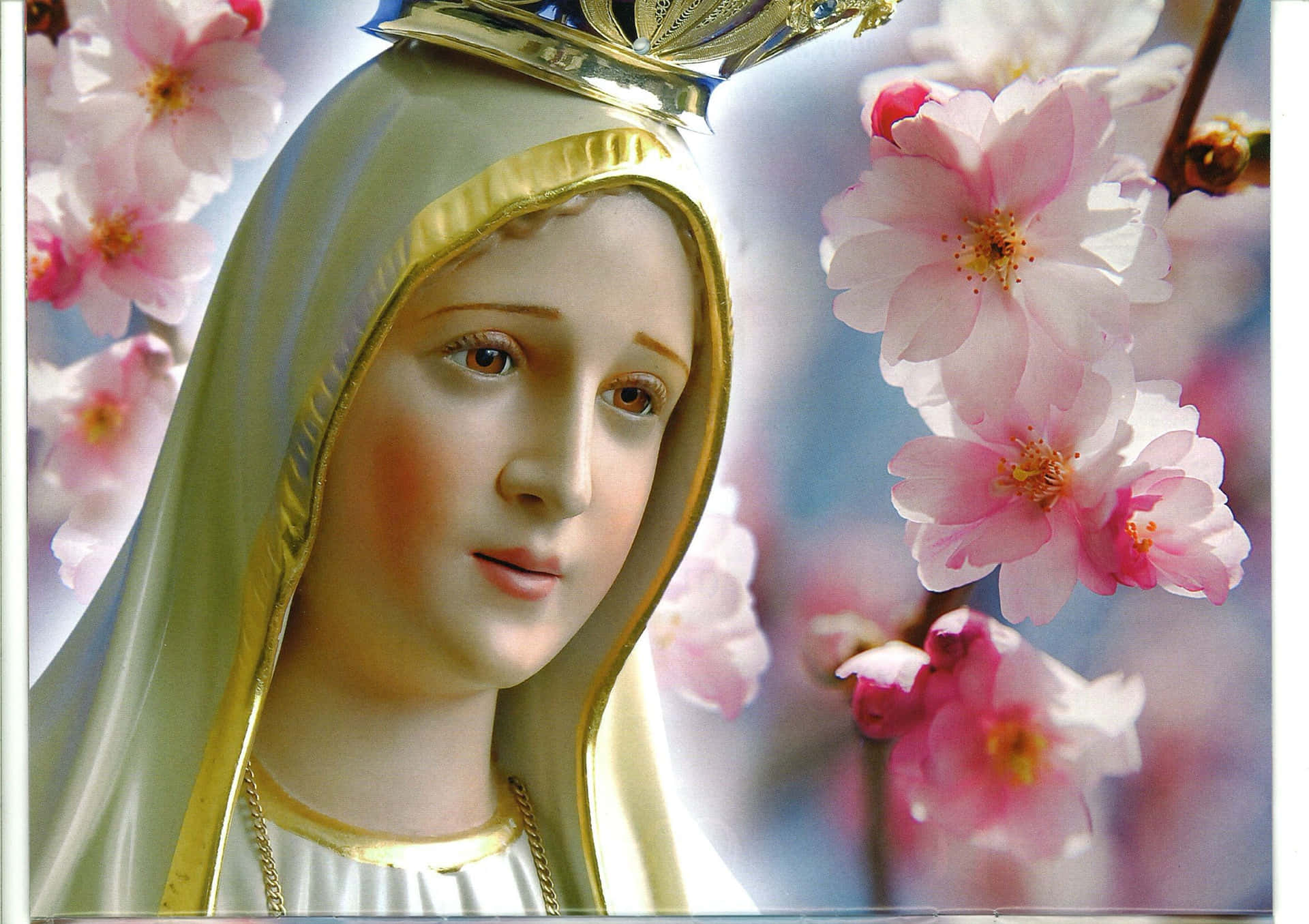
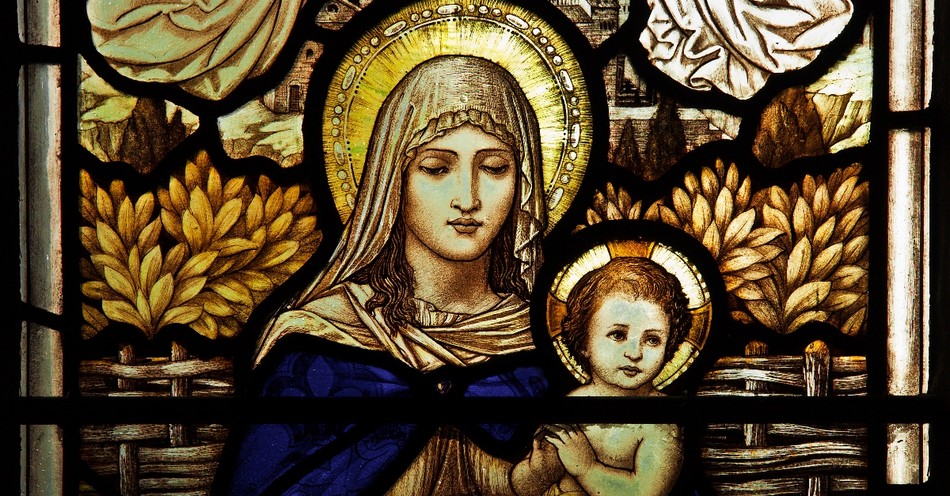
Mary, Our Queen and Mother, holds a special place in the hearts of Christians around the world. As a devout Catholic, I find great comfort and inspiration in contemplating the life of the Blessed Virgin Mary. ๐
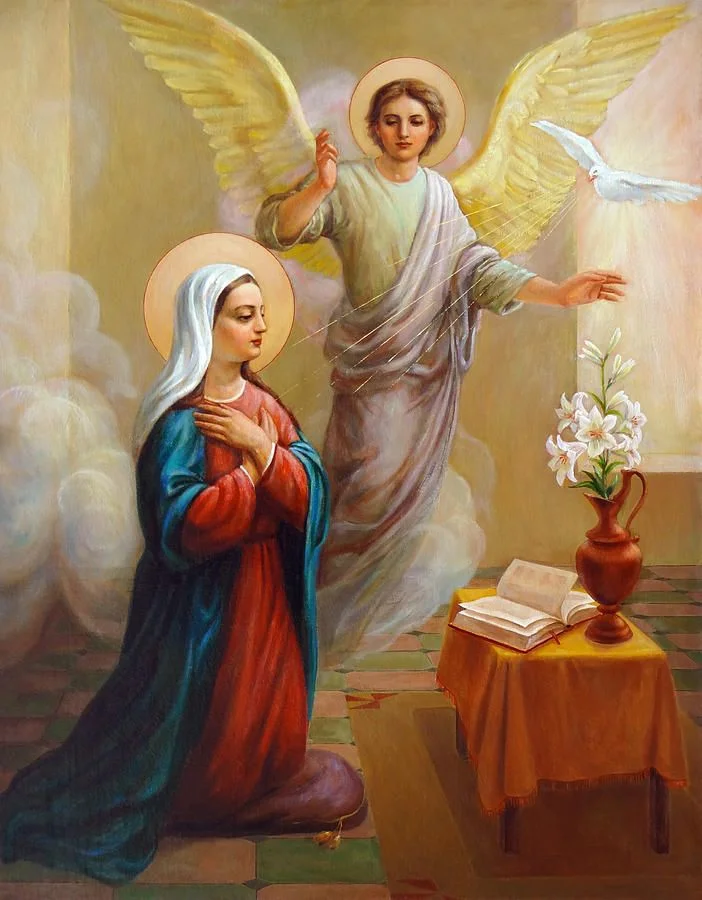
Throughout the Bible, we see how Mary's role as the Mother of God is highlighted. From the Annunciation (Luke 1:26-38) to the Visitation (Luke 1:39-56), she embraced her divine calling with humility and faith. ๐
One of the most beautiful aspects of Mary's story is her perpetual virginity. In the Gospel of Matthew, it is clear that Joseph did not have marital relations with her until after Jesus' birth (Matthew 1:25). This affirms the belief that Mary remained a virgin throughout her life. ๐ท
Some may question this teaching, but it is important to remember that the Bible is not the only source of truth for Catholic Christians. The Catechism of the Catholic Church, in paragraph 499, states, "The deepening of faith in the virginal motherhood led the Church to confess Mary's real and perpetual virginity even in the act of giving birth to the Son of God made man." ๐
Moreover, when Jesus was dying on the cross, He entrusted Mary to the care of the beloved disciple, John (John 19:26-27). This demonstrates the unique role Mary plays as the spiritual mother of all humanity. ๐
In Catholic tradition, Mary is referred to as the "Queen of Heaven" and "Mother of the Church." This honor is not based solely on human devotion but is deeply rooted in scriptural imagery. In the book of Revelation, Mary is portrayed as a woman clothed with the sun, with the moon under her feet, and a crown of twelve stars on her head (Revelation 12:1). ๐๐๐
The lives of Catholic saints provide us with further insight into the significance of Mary's role as Queen and Mother. St. Louis de Montfort, a great Marian devotee, said, "Mary is the Queen of heaven and earth by grace as Jesus is the King by nature and by conquest." ๐น
St. Maximilian Kolbe, another esteemed saint, emphasized Mary's role in our spiritual lives. He stated, "Never be afraid of loving the Blessed Virgin too much. You can never love her more than Jesus did." ๐
Our love and devotion to Mary should never be a hindrance to our love for Jesus. On the contrary, Mary leads us closer to Jesus, just as she did at the wedding in Cana (John 2:1-12) when she told the servants, "Do whatever he tells you." Mary's guidance points us to her Son. ๐ท๐๏ธ
It is also important to recognize that our Catholic faith does not worship Mary but honors her as the most perfect disciple and the first among the redeemed. The Catechism of the Catholic Church states in paragraph 971, "The Church's devotion to the Blessed Virgin is intrinsic to Christian worship."
๐ธ Mary's intercession has been a source of comfort and miracles for countless Catholics throughout history. Just as she interceded at the Wedding at Cana, she continues to intercede for us in heaven. ๐ธ
Through the rosary, Catholics meditate on the mysteries of the life of Jesus, guided by the prayers of Mary. This powerful devotion strengthens our spiritual connection to both Jesus and Mary. ๐ฟ
In moments of doubt or difficulty, turning to Mary can bring us solace and hope. She understands our sorrows and joys, as she witnessed the suffering and resurrection of her Son. ๐
As we honor Mary, Our Queen and Mother, let us recognize her as a guiding light on our journey of faith. She reminds us of the beauty and power of embracing God's will, just like she did when she said, "Behold, I am the handmaid of the Lord; let it be to me according to your word" (Luke 1:38). ๐
So, dear reader, what are your thoughts on Mary, Our Queen and Mother? How has her example influenced your spiritual journey? Feel free to share your insights and experiences. ๐น๐๐
Updated at: 2025-06-19 15:28:11 (9 months ago by Melkisedeck Leon Shine)
This article investigates the reported miraculous occurrences associated with Marian shrines, examining the interwoven sociological and theological frameworks that underpin their significance. We will define key concepts to establish a robust analytical foundation. A miracle, in this context, is defined as an event exceeding the capabilities of natural laws, attributed to divine intervention. A Marian shrine is a consecrated site linked to apparitions or significant events involving the Virgin Mary. Intercession refers to Mary's mediating role between humanity and God, as understood within Catholic theology. The analysis will draw upon established sociological theories, such as Durkheim's concept of collective effervescence, to understand the shared religious experience at these locations, alongside psychological perspectives on faith healing and placebo effects. Further, theological interpretations of Marian apparitions and their position within Catholic doctrine will be explored. The framework for this investigation employs a mixed-methods approach, integrating quantitative data analysis with qualitative research methodologies to provide a comprehensive analysis of the multifaceted nature of reported events and experiences.
Marian shrines function as significant centers of Catholic faith, attracting millions of pilgrims annually. Their enduring appeal can be illuminated through Durkheim's theory of collective effervescence, which posits that shared religious experiences generate heightened emotional and social energy. The collective belief in Mary's intercession and the possibility of miracles cultivates a powerful sense of community and shared purpose among pilgrims. This shared experience reinforces individual faith and creates a potent emotional context conducive to reported miraculous healings and spiritual transformations. Empirical evidence, such as numerous testimonials of healing and spiritual renewal, supports this interpretation. Furthermore, the well-documented psychological phenomenon of placebo effects plays a role in perceived healings; the fervent expectation of healing, fueled by faith, can trigger the body's inherent restorative mechanisms. This interaction between belief, expectation, and physiological responses aligns with the biopsychosocial model of health, which acknowledges the integrated influence of biological, psychological, and social factors on health outcomes. The concept of social contagion, where emotions and behaviors spread rapidly among individuals in close proximity, further strengthens the impact of collective belief in these settings.
Several prominent Marian shrines exemplify the interplay between faith, collective belief, and reported miracles. Our Lady of Guadalupe in Mexico City, with its iconic image deeply embedded in national identity, serves as a powerful symbol of faith, attracting immense pilgrimage. The reported healing properties of the water at Lourdes, France, exemplify the intersection of faith, expectation, and potential psychosomatic effects. The apparition at Fatima, Portugal, and its widely reported "Miracle of the Sun," represent a potent example of a mass witnessed event shaping faith and belief systems. Similar collective experiences are reported in Medjugorje, Bosnia and Herzegovina, known for its ongoing apparitions, and Knock, Ireland, where a silent apparition offered comfort and solace. These case studies demonstrate the varied expressions of faith and the diverse contexts in which reported miracles occur, highlighting the need for comparative analyses to understand the specific social, cultural, and historical factors influencing these phenomena.
The recitation of the rosary, a central devotional practice at many Marian shrines, holds considerable significance. This repetitive prayer fosters a meditative state, potentially contributing to spiritual experiences and feelings of peace and tranquility. The Rosary of the Seven Sorrows allows for contemplation of Mary's suffering, enabling individuals to connect their own struggles with hers and find solace in her resilience. The intensity of prayer and devotion at these sites is perceived as enhancing the likelihood of divine intervention, leading to reported miracles of healing and religious conversion. From a psychological perspective, these rituals can be seen as contributing to a sense of control and agency, which can be particularly helpful for individuals facing uncertainty or hardship.
Reported miracles at Marian shrines frequently involve physical healing alongside emotional and spiritual transformations. The theological concept of Mary's intercession positions her as a powerful advocate mediating between humanity and God. This belief profoundly influences experiences at these shrines, offering hope for healing and restoration to those suffering emotionally, physically, or spiritually. Reported conversions further highlight the transformative potential of faith and the central role of Mary's intercession in these spiritual journeys. From a psychological standpoint, the sense of connection with a higher power, facilitated by the belief in intercession, can offer comfort, meaning, and purpose, contributing to improved mental and emotional well-being. This integration of theological and psychological perspectives provides a more complete understanding of the multifaceted nature of the reported healings and transformations.
The pilgrimage itself constitutes a profound spiritual undertaking. The journey to a Marian shrine provides a period of introspection, prayer, and respite from daily stressors. This focused devotion contributes to spiritual growth, strengthens one's relationship with God, and reinforces faith. Social interactions with fellow pilgrims further enhance the transformative impact of pilgrimage. The experience can be analyzed through the lens of symbolic interactionism, which emphasizes the meaning-making processes within social interactions. The shared experiences and symbols associated with the pilgrimage create a powerful sense of collective identity and shared purpose, contributing to individual and collective transformation. This transformative potential is consistent with theories of rites of passage, where significant life transitions are marked by ritual and social participation, resulting in personal growth and integration into the community.
The reported miracles at Marian shrines reflect a complex interaction between faith, collective belief, psychological processes, and theological interpretations. Although scientific explanations may account for some reported healings, the enduring significance of these sites lies in their capacity to foster strong communities, shared experiences, and profound spiritual transformations. Future research should incorporate more robust methodologies, employing mixed-methods approaches, combining quantitative data on reported healings with in-depth qualitative studies of pilgrims' subjective experiences. This will allow for a more nuanced and comprehensive understanding of the multidimensional aspects of this phenomenon. Furthermore, research should explore the cultural and socio-economic factors impacting the popularity and perceived efficacy of Marian shrines in diverse contexts. A longitudinal study, tracking the experiences of pilgrims over time, could illuminate the long-term effects of these visits on faith, well-being, and social connections. This enhanced research design should also consider comparative analysis of different Marian shrines, identifying factors that contribute to variations in reported experiences and outcomes.
The findings suggest that the importance of Marian shrines extends beyond the literal interpretation of miracles. The social and spiritual benefitsโincluding strengthened faith, community building, and emotional healingโunderscore their substantial role in religious practice. These findings highlight the need for continued theological reflection on Mary's role within the Catholic Church, and for further psychological and sociological research into faith-based healing and community formation. A focus on the social network analysis of pilgrims could reveal the social capital generated through these shared experiences and the potential for long-term positive effects on social cohesion and support networks.
Reader Pool: Considering the complex interplay of faith, psychology, and sociology within the context of Marian shrines, what novel research methodologies could be employed to more effectively measure the impact of these sites on individuals' spiritual and psychosocial well-being?
Updated at: 2025-06-21 00:59:45 (9 months ago by Melkisedeck Leon Shine)
This article explores the theological concept of Mary as Mediatrix, examining her role within the Christian faith, particularly within Catholic theology. We will define key terms, analyze biblical and theological foundations, and explore the implications of this doctrine for personal spiritual growth. Key concepts include mediation (the act of intervening or interceding on behalf of others), intercession (prayer on behalf of another), and grace (God's unmerited favor and divine assistance). We will also touch upon relevant theological frameworks such as the Marian doctrines within Catholicism.
The foundational basis for understanding Mary's role as Mediatrix lies in her divine motherhood. Luke 1:43, where Elizabeth calls Mary "the mother of my Lord," establishes Mary's unique position in the history of salvation. This title, "Mother of God" (Theotokos), emphasizes her role in the Incarnation โ God becoming man in Jesus Christ. This divine motherhood is not merely a biological fact, but a theological reality that underscores Mary's intimate relationship with Christ and her participation in the redemptive work of God. Applying the Trinitarian model of God here, this highlights the co-operation of the Divine and human in the redemptive work.
Catholic theology affirms Mary's role as Mediatrix, clarifying that her mediation doesn't supersede or diminish Christ's unique mediation. Instead, it complements and enhances it. As the Catechism of the Catholic Church states, Mary's mediation flows from her motherhood and her complete union with God's will. This mediation is understood not as a substitution for Christ's role, but as a participation in his grace. The concept of *subsidiarity* can be applied here, where God primarily acts, but uses secondary means (in this case Mary's role) to achieve his goal of salvation. Applying the ecclesiological models of the church as both a maternal and mystical body of Christ, Mary is understood as co-operating in her maternal role with the mediatorial role of Christ.
The wedding at Cana (John 2:1-12) provides a powerful example of Mary's intercession. Her request to Jesus to address the lack of wine illustrates her awareness of human needs and her confident approach to her Son. This episode demonstrates Mary's active role in God's plan, not merely as a passive observer, but as a participant who collaborates in bringing about God's grace. Theological analysis of this event, and other instances in scripture and tradition, shows that Mary's intercession is not based on her inherent power, but on her intimate relationship with Jesus and her unwavering faith. Her role demonstrates *vicarious participation*, where she participates in the effects of Christ's mediation.
Devotional practices, such as the Rosary, further highlight Mary's role as Mediatrix. The Rosary's repetitive prayers, especially the "Hail Mary," invoke Mary's intercession, seeking her help in bringing our petitions to Christ. This practice is based on the theological understanding of the communion of saints, implying a collaborative network of intercession, where Mary's role is particularly emphasized due to her unique relationship with Christ.
The doctrine of the Assumption of Mary, affirming her bodily ascension into heaven, underscores her unique relationship with Christ and her role in the eschatological reality of the Church's ultimate destiny. The doctrine of perpetual virginity, asserting that Mary remained a virgin before, during, and after the birth of Jesus, emphasizes the purity and holiness with which she cooperated in the Incarnation. Both doctrines serve to highlight her unique place in the history of salvation and her ongoing role as a model of faith and obedience. These doctrines are also illustrative of the concept of the *Immaculate Conception*, which emphasizes her sinless nature from the moment of her conception.
Mary's "Fiat," her "yes" to God's will (Luke 1:38), exemplifies the pinnacle of faith and obedience. Her complete surrender to God's plan serves as a powerful model for all Christians. Her life embodies the virtues of humility, trust, and unwavering faith, showing us the importance of surrendering to God's plan amidst life's challenges. Analyzing Maryโs response using the lens of *virtue ethics* provides a framework for Christian life.
The concept of Mary as Mediatrix, while a source of ongoing theological discussion, presents a rich tapestry of theological insights that emphasize the collaboration between Mary, the Church, and Christ within the work of salvation. Understanding Mary's role as Mediatrix can profoundly impact personal spiritual lives by fostering a deeper devotion to Christ and a more mature understanding of God's grace. Further research might explore the comparative theological perspectives on Mary's role across various Christian denominations, enriching the discussion. This would also include a critical evaluation of potential misinterpretations and excesses surrounding Marian devotion. The impact of emphasizing Mary's role should be carefully considered, ensuring that it always points toward Christ as the ultimate mediator and source of grace.
Reader Pool: How does the concept of Mary's mediation, as presented in this article, impact your understanding of the relationship between Mary, Christ, and the believer?
Updated at: 2023-08-05 13:20:26 (2 years ago by Melkisedeck Leon Shine)
The Devotion to Our Lady of Lourdes: Healing and Renewal
๐น Introduction: Our Lady of Lourdes holds a special place in the hearts of millions of Catholics around the world. This devotion centers around the apparitions of the Blessed Virgin Mary to a young girl named Bernadette Soubirous in Lourdes, France, in 1858. These apparitions have become a source of healing and renewal for countless individuals seeking solace and faith.
๐ The Power of Prayer: One of the main aspects of the devotion to Our Lady of Lourdes is the power of prayer. Catholics believe that by turning to the intercession of the Blessed Virgin Mary, they can find comfort, solace, and even physical healing. The act of prayer itself is a powerful way to connect with the divine and seek guidance in times of need.
๐ง The Healing Waters: Lourdes is renowned for its miraculous healing waters. According to the accounts of Bernadette, Our Lady directed her to a spring, which still flows today, and encouraged her to drink from it and bathe in its waters. Many pilgrims flock to Lourdes in search of physical healing, and numerous cases of unexplained medical recoveries have been reported.
๐ Biblical Examples: The devotion to Our Lady of Lourdes is deeply rooted in biblical teachings. Throughout the Bible, we see examples of Mary's intercession and her role as a motherly figure to all believers. In the Gospel of John, Jesus entrusted His mother to the care of the beloved disciple, symbolizing her maternal role in the spiritual life of the faithful.
๐ Mary, Mother of God: As Catholics, we hold a deep love and reverence for the Virgin Mary, the Mother of God. She is not only the mother of Jesus, but also our spiritual mother, who cares for us in times of joy and sorrow. The devotion to Our Lady of Lourdes allows us to deepen our relationship with Mary and seek her guidance and intercession.
๐ฟ Healing of Body and Soul: The devotion to Our Lady of Lourdes encompasses both physical and spiritual healing. It is believed that through Mary's intercession, we can find healing not only for our bodily ailments but also for the wounds of our souls. The waters of Lourdes symbolize the cleansing and renewal of our spirits, reminding us of the healing power of God's love and mercy.
๐๏ธ The Peace of Mary: Our Lady of Lourdes brings a sense of peace and comfort to those who turn to her in prayer. Just as Mary stood at the foot of the Cross, she stands with us in our trials and tribulations, offering her motherly support and guidance. In times of turmoil, the devotion to Our Lady of Lourdes can bring a sense of serenity and tranquility to our hearts.
๐น The Rosary: The recitation of the Rosary is an integral part of the devotion to Our Lady of Lourdes. This beautiful prayer allows us to meditate on the life of Jesus and seek the intercession of Mary. By praying the Rosary, we can find solace in Mary's loving presence and experience the transformative power of this spiritual practice.
๐ The Sacrament of Reconciliation: Alongside prayer and devotion, the sacrament of reconciliation plays a vital role in the healing and renewal offered by Our Lady of Lourdes. By confessing our sins and seeking God's forgiveness, we can experience a profound healing of our souls and a restoration of our relationship with Him.
๐ The Catechism of the Catholic Church states, "Mary's function as mother of men in no way obscures or diminishes this unique mediation of Christ but rather shows its power. All her saving influence on men originates... from the divine pleasure. This is the special aspect of the mediation of the Mother of God in the economy of grace" (CCC 970).
๐น Saint Bernadette and the Miraculous Apparitions: The young girl Bernadette Soubirous played a crucial role in the apparitions of Our Lady of Lourdes. Despite facing skepticism and doubt, her unwavering faith and devotion to Mary have inspired countless believers. St. Bernadette's humble example reminds us of the power of faith and the transformative impact it can have on our lives.
๐๏ธ "Do whatever He tells you": These words spoken by Mary at the Wedding at Cana (John 2:5) encapsulate the essence of the devotion to Our Lady of Lourdes. Mary always directs us towards her Son, Jesus, and encourages us to follow His teachings. By imitating Mary's obedience and trust in God, we can experience healing and renewal in our own lives.
๐ซ The Universal Appeal: The devotion to Our Lady of Lourdes transcends borders, cultures, and languages. Millions of pilgrims from all walks of life come to Lourdes each year, seeking healing and renewal. This international community of faith demonstrates the universal appeal and power of Mary's intercession, which knows no boundaries.
๐ "Hail Mary, Full of Grace": The angel Gabriel's greeting to Mary (Luke 1:28) is echoed in the prayers and hymns of the faithful. The devotion to Our Lady of Lourdes invites us to contemplate the immense grace bestowed upon Mary and, in turn, upon all believers. Through her intercession, we can receive the grace necessary for healing and renewal in our lives.
๐บ Conclusion: The devotion to Our Lady of Lourdes offers a pathway to healing and renewal for those who seek solace and faith in their lives. Through prayer, the healing waters of Lourdes, and the intercession of Mary, we can experience the transformative power of God's love. May the devotion to Our Lady of Lourdes inspire us to deepen our faith, trust in God's mercy, and seek healing in all aspects of our being.
๐น What are your thoughts on the devotion to Our Lady of Lourdes? Have you experienced healing and renewal through her intercession? Share your thoughts and experiences below!
Updated at: 2025-06-19 15:28:34 (9 months ago by Melkisedeck Leon Shine)
```htmlMary's Intercession: A Pathway to Divine Grace
Introduction
Within the framework of Catholic theology, the Virgin Mary, Mother of God, occupies a position of profound reverence and devotion. This stems from her unique relationship with Jesus Christ and the belief in her capacity to intercede on behalf of humanity. This exploration delves into the theological underpinnings of Marian intercession, examining its significance as a conduit to experiencing divine grace. Key concepts analyzed include the theological understanding of intercession, the role of Mary within the ecclesiology of the Catholic Church, and the application of Marian devotion in personal spiritual growth. The concept of *grace*, as understood within Catholic tradition, refers to the free and undeserved gift of God's love and divine assistance, enabling spiritual growth and salvation. Intercession, in this context, is the act of praying on behalf of another, invoking divine assistance for their needs. This article will demonstrate how the concept of Mary's intercession functions within a robust theological framework and how this impacts the lived experience of Catholic believers.
1. Mary's Unique Filial Relationship with Christ
The cornerstone of Mary's role as intercessor rests upon her singular status as the Mother of God (Theotokos), a title formally affirmed by the Church. This unique maternal bond with Jesus Christ provides the basis for her intercession. Applying the sociological concept of kinship and patronage, Mary's relationship with Jesus forms a powerful network of influence. Just as a mother advocates for her child, Mary's maternal intercession for humanity draws upon this intimate connection, enabling a pathway for divine grace.
2. Mary as a Model of Humility and Obedience
Mary's unwavering humility, exemplified in her acceptance of God's will ("Behold, I am the handmaid of the Lord; let it be to me according to your word" - Luke 1:38), serves as a potent model for believers. Her humble obedience to the divine plan underscores the importance of surrender and receptivity to God's grace. This aligns with the theological virtue of humility, a key component of spiritual maturity and a prerequisite for receiving divine grace. The virtue of humility, understood through the lens of virtue ethics, promotes self-awareness and a recognition of one's dependence on God's grace.
3. The Wedding at Cana: A Manifestation of Intercessory Power
The miracle at the Wedding at Cana (John 2:1-11) provides a powerful illustration of Mary's intercessory capacity. By bringing the needs of the wedding party to Jesus, Mary facilitates the first miracle in the Gospel of John. This narrative exemplifies the effectiveness of Mary's intercession as a means of obtaining divine intervention and grace. Analyzing this event through the lens of narrative theology, we can identify it as a pivotal moment demonstrating the efficacy of prayer and faith and Mary's role in fostering divine intervention.
4. The Rosary: A Structured Practice of Marian Devotion
The Rosary, a traditional Catholic devotion, provides a structured framework for contemplating the life of Christ through the lens of Mary. Each Hail Mary serves as a petition for her intercession, effectively connecting the believer with Jesus. Applying the principles of contemplative prayer, the Rosary functions as a meditative practice that fosters a deeper relationship with both Jesus and Mary, promoting spiritual growth and a greater receptivity to divine grace. The repetitive nature of the Rosary may be understood through the psychological lens of mindfulness practice, promoting inner peace and spiritual awareness.
5. Mary as the New Ark of the Covenant: A Symbol of God's Presence
The Catholic Church views Mary as the "New Ark of the Covenant," signifying her role as a vessel of God's presence and grace. The Catechism of the Catholic Church highlights Mary's complete adherence to the Father's will, echoing the theological concept of divine election and the importance of faithful obedience. In comparing her to the Ark of the Covenant from the Old Testament, we understand Mary as a living symbol of the presence of God within the Church, connecting humanity to the divine through her intercession.
6. The Witness of Saints: Historical Evidence of Marian Intercession
The profound devotion to Maryโs intercession throughout history, as evidenced by the testimonies of numerous saints, strengthens the belief in her powerful influence. The accounts of saints such as Saint Maximilian Kolbe demonstrate the widespread acceptance and effectiveness of this aspect of Marian piety. Examining these accounts offers valuable insights into the historical development and the enduring significance of Marian devotion in the Catholic Church. This resonates with the historical-critical method, providing insight into how Maryโs role has been interpreted and experienced across centuries.
7. Marian Apparitions and Messages: Contemporary Manifestations of Grace
Approved Marian apparitions, such as those at Lourdes and Fatima, reinforce Mary's ongoing role as an intercessor. These apparitions often convey messages of faith, repentance, and hope, inviting believers to experience the transformative power of God's grace. Applying the principles of religious studies and phenomenology, these apparitions can be interpreted as powerful expressions of religious experience and provide compelling evidence for the ongoing relevance of Marian devotion.
8. The Assumption: A Celebration of Mary's Glorified Intercession
The dogma of the Assumption, proclaiming Mary's bodily and spiritual ascension into heaven, underscores her unique place within God's plan of salvation. This event highlights Mary's continued intercession from a state of eternal glory, providing assurance of her ongoing capacity to mediate on behalf of humanity. This dogma, understood within the framework of systematic theology, provides a powerful affirmation of Mary's elevated status within the Church and her unwavering role in mediating God's grace.
9. Mary's Role within the Mystical Body of Christ
Mary's participation in Christ's redemptive work establishes her as a spiritual mother to all believers. This concept underscores the integral role of Mary within the Mystical Body of Christ. Catholic theology positions her as a model of faith, charity, and obedience, serving as a guiding figure for all who seek a deeper relationship with God. Applying ecclesiological frameworks, we observe her role as a mediating figure between humanity and Christ, facilitating access to divine grace within the community of faith.
10. The Efficacy of Mary's Intercession: Trust and Confidence in Divine Action
Maryโs intercession's efficacy stems from her uniquely close relationship with Jesus. Turning to her with trust and confidence reflects faith in her capacity to guide us toward Godโs grace, invoking the concept of *fides implicita*, or implicit faith. This illustrates the powerful dynamic of intercessory prayer and the unwavering belief in the effectiveness of turning to Mary for divine help. Understanding this through the lens of pastoral theology reinforces the importance of faith and trust in spiritual practice.
Conclusion and Recommendations
The theological exploration of Mary's intercession reveals a profound and multifaceted role within Catholic spirituality. Her unique relationship with Jesus, coupled with her exemplary humility and obedience, provides a compelling framework for understanding her capacity to intercede on behalf of humanity. Through devotions such as the Rosary, and the contemplation of her life, believers can actively cultivate a deeper relationship with God, experiencing His grace and mercy. Further research could explore the psychological and sociological impacts of Marian devotion, examining its influence on individual spiritual development and community cohesion. The efficacy of Mary's intercession, as understood through the lens of theological reflection and the rich tapestry of Catholic tradition, offers a powerful pathway for believers to encounter the transformative power of divine grace and to deepen their relationship with God through the mediating influence of Mary.
Reader Pool: What are the potential limitations or criticisms of the concept of Mary's intercession, and how might these be addressed within a contemporary theological context?
```
Updated at: 2023-08-05 13:19:43 (2 years ago by Melkisedeck Leon Shine)
Mary, Mother of Perpetual Help: A Source of Comfort ๐
When we think of the Virgin Mary, a sense of peace and serenity washes over us. As Catholics, we hold a special place in our hearts for Mary, the Mother of God. Her unwavering faith and unconditional love for her son Jesus make her a source of comfort and inspiration in our lives.
Throughout the Bible, we see countless examples of Mary's profound role in salvation history. From the Annunciation, where she humbly accepted the call to become the mother of Jesus (Luke 1:26-38), to her presence at the foot of the cross, enduring unimaginable pain as her son suffered for our sins (John 19:25-27), Mary's unwavering faith in God's plan serves as a beacon of hope for us all.
The Catechism of the Catholic Church beautifully describes Mary's role in God's plan of salvation: "Mary's role in the Church is inseparable from her union with Christ and flows directly from it" (CCC 964). This reminds us that Mary's relationship with Jesus is not just a historical event, but a living reality that we can still experience today.
As Catholics, we turn to Mary in times of need, seeking her intercession and comfort. The image of Mary, Mother of Perpetual Help, is particularly special to us. This icon, depicting Mary holding the child Jesus, reminds us that she is always there to help us and guide us towards her son.
In the Gospel of John, Jesus entrusted Mary to be the mother of all believers when He said to the beloved disciple, "Here is your mother" (John 19:27). This signifies that Mary's role extends beyond her earthly life and into our lives as well.
The devotion to Mary, Mother of Perpetual Help, has been cherished by Catholics for centuries. This icon, believed to have been created in the 15th century, has brought comfort and solace to countless individuals. Its vibrant colors and tender depiction of Mary and Jesus serve as a visual reminder of the love and compassion they have for us.
Saint Alphonsus Liguori, a great saint of the Catholic Church, once said, "If you ever feel distressed during your day, call upon our Lady. Just say this simple prayer: 'Mary, Mother of Jesus, please be a mother to me now.' I must admit, this prayer has never failed me."
In times of uncertainty and despair, we can find solace in Mary's ever-present love and guidance. Just as a mother comforts her child, Mary offers us the comfort and reassurance we need to navigate life's challenges. We can confide in her, knowing that she understands our struggles and desires to bring us closer to her son.
The rosary, a powerful prayer tool in the Catholic faith, is another way we can seek comfort through Mary's intercession. By meditating on the mysteries of the rosary, we are invited to reflect on key moments in the life of Jesus and Mary, deepening our connection to them and finding solace in their presence.
The Catechism of the Catholic Church states, "By asking Mary to pray for us, we acknowledge ourselves to be poor sinners and we address ourselves to the 'Mother of Mercy,' the All-Holy One" (CCC 2677). Mary's intercession is a reminder that she is always ready to assist us and bring our needs before her Son.
Saints throughout history have also testified to the comforting presence of Mary in their lives. Saint Padre Pio once said, "Love the Madonna and pray the Rosary, for her Rosary is the weapon against the evils of the world today. All graces given by God pass through the Blessed Mother."
Mary, Mother of Perpetual Help, reminds us that we are never alone in our struggles. She is a constant source of comfort, guiding us towards her Son and interceding for us before the throne of God. Like a loving mother, she desires nothing more than our happiness and eternal salvation.
So, dear friends, in times of turmoil and uncertainty, let us turn to Mary, the Mother of Perpetual Help. Let us seek her intercession, pour out our hearts to her, and trust in her maternal care. Just as she comforted and supported Jesus throughout His life, she is here for us, offering her motherly comfort and guidance.
What does Mary, Mother of Perpetual Help, mean to you? How has her intercession and comfort impacted your life? Share your thoughts and experiences in the comments below. Let us continue to honor and cherish the blessed Virgin Mary, our source of comfort and inspiration. ๐น
May the loving presence of Mary, Mother of Perpetual Help, bring you peace, comfort, and guidance in all aspects of your life. May her intercession lead you closer to her Son, Jesus, and may you always find solace in her tender embrace.
Updated at: 2025-06-21 13:54:30 (9 months ago by Melkisedeck Leon Shine)
The title "Queen of Heaven," attributed to the Virgin Mary within Catholic tradition, signifies a profound theological concept requiring careful analysis. This essay explores the multifaceted meaning of this title, examining its scriptural underpinnings, theological interpretations, and significance within Catholic spirituality. Key concepts such as Marian doctrines, biblical hermeneutics, and the role of intercession within the Catholic faith will be central to this exploration. We will examine how these concepts are applied and understood within the context of Catholic belief and practice.
The Assumption and its Theological Significance: The doctrine of the Assumption, central to understanding Mary's elevated status, asserts that Mary, after her earthly life, was taken body and soul into heavenly glory. This belief, while not explicitly stated in scripture, is supported through a tradition rooted in biblical typology and theological reflection. The Book of Revelation's depiction of a woman clothed with the sun, reminiscent of Mary's role in the birth of Christ, serves as a foundational text for this interpretation. The concept aligns with the principle of plenitude, suggesting that the mother of God should participate fully in the salvific work of Christ, culminating in her bodily glorification, echoing Christ's own resurrection. This understanding is further solidified by the Catechism of the Catholic Church, which positions Maryโs assumption as a singular participation in her sonโs resurrection and a prefiguration of the resurrection of all believers.
Biblical and Patristic Interpretations: The "Queen of Heaven" title draws upon biblical imagery and early Church interpretations. The angel Gabriel's greeting to Mary in Luke 1:28, "Hail, full of grace, the Lord is with you," underscores her unique election and holiness, foreshadowing her elevated role. Early Church Fathers, such as Saint Augustine and Saint Jerome, contributed to the development of Marian theology, viewing Mary as the "New Eve," whose obedience countered Eve's disobedience, thereby restoring humanity's relationship with God. These interpretations, developed over centuries, have shaped the understanding of Mary's place within the divine economy of salvation.
Mary's Queenship and Intercession: The concept of Mary's queenship is not one of earthly dominion but rather of spiritual authority. She is seen as the "Queen of all creation" and "Queen of saints," reflecting her unique relationship with Jesus. Her role as intercessor aligns with the Catholic understanding of the communion of saints, whereby believers can invoke the prayers of those already in heaven to assist them in their spiritual journey. Mary's intercession is viewed not as bypassing God, but rather as reflecting the filial piety and unity within the Blessed Trinity.
Mary as Spiritual Mother and the Concept of Perpetual Virginity: The belief in Mary's perpetual virginity reinforces her purity and sacredness. Her status as ever-virgin, Mother of God, reflects the theological understanding of the Incarnation and highlights her unique role in Godโs plan. Further emphasizing her importance is the scene at the foot of the cross, where Jesus entrusts Mary to John as a mother figure to the whole Church, showcasing her ongoing role as spiritual mother to believers and emphasizing her position of loving advocacy.
Avoiding Misinterpretations: It's crucial to emphasize that the devotion to Mary as "Queen of Heaven" does not diminish the worship due to God alone. This devotion is understood as a form of hyperdulia, a high level of veneration reserved for Mary, distinct from the latria, or worship, reserved exclusively for God. This distinction highlights the importance of maintaining proper theological balance.
The title "Queen of Heaven" applied to Mary is a rich theological concept, deeply rooted in biblical typology, patristic tradition, and the development of Marian doctrine. Its significance lies not in assigning Mary earthly authority, but in recognizing her unique role in the salvation history of mankind. Her assumed role as Queen of Heaven, born from a synthesis of scripture, tradition, and theological reflection, reinforces her elevated position within the Catholic faith, fostering piety and devotion. It emphasizes the importance of prayer, intercession, and following the example of a model of faith, obedience, and commitment to God. Further research into the evolution of Marian doctrines across different cultural and historical contexts would enhance our understanding of the diverse interpretations of Maryโs elevated status. This research could explore the development of Marian theology through the lenses of feminist theology and comparative religion to gain a better understanding of the global perceptions of Mary.
Reader Pool: Considering the diverse interpretations of Mary's role within Christianity and other religious traditions, how might a comparative theological analysis inform our understanding of the "Queen of Heaven" title and its implications?
Updated at: 2025-06-21 12:34:18 (9 months ago by Melkisedeck Leon Shine)
Introduction
The Virgin Mary occupies a position of profound reverence within Roman Catholicism. This article undertakes a systematic theological analysis of Mary's elevated status, specifically focusing on the multifaceted concept of her queenship. We will explore its scriptural foundations, its doctrinal evolution, and its significant implications for Catholic spirituality and practice. Central to this examination are key Marian doctrines โ the Immaculate Conception, Perpetual Virginity, and the Assumption โ alongside core tenets of Christology (the study of Jesus Christ) and the vital role of intercessory prayer within the Catholic faith. Our analysis will leverage established theological frameworks and contextualize these concepts within the historical development of Catholic doctrine and the rich tapestry of Marian piety.
1. Theotokos: Mary's Role in the Incarnation
The Council of Ephesus (431 CE) bestowed upon Mary the title "Theotokos," signifying "God-bearer." This christological affirmation is paramount to understanding Mary's unique place within the divine economy of salvation. The designation explicitly acknowledges the divinity of Jesus Christ, thereby establishing Mary as the mother of the incarnate Son of God. This conciliar decision exemplifies the crucial process of applying conciliar pronouncements to refine and solidify theological comprehension, showcasing the dynamic interaction between scriptural exegesis and rational theological discourse within the Church. This highlights the ecclesiological principle of developing doctrine through reasoned dialogue and reflection on sacred scripture and tradition.
2. Perpetual Virginity: Purity and the Vessel of Grace
The doctrine of Mary's perpetual virginity, while not explicitly detailed in every biblical passage, constitutes a deeply entrenched belief within the Catholic tradition. This belief underscores her purity and holiness, presenting her as the uniquely chosen vessel through which God entered the world. This exemplifies the application of tradition and theological hermeneutics (interpretation) to expand upon scriptural narratives. The Church's understanding of Marian theology has evolved over centuries, demonstrating a dynamic interplay between scriptural interpretation and theological reflection, particularly regarding the interpretation and application of Matthew 1:25.
3. Mary as the New Eve: A Typological Reversal
The comparison between Mary and Eve offers a compelling theological framework for comprehending Maryโs significance. While Eve's disobedience initiated humanity's fall from grace, Mary's obedience, expressed in her "fiat" ("Let it be") at the Annunciation, is viewed as reversing this trajectory, ushering in salvation through her Son. This interpretation employs typology, a hermeneutical approach that identifies parallels between Old Testament figures and events and their New Testament counterparts. This typological lens emphasizes the redemptive work of Jesus Christ, with Mary playing a crucial mediatory role in God's plan of salvation.
4. The Assumption: Bodily Glorification and the Apex of Queenship
Pope Pius XII proclaimed the dogma of the Assumption in 1950, asserting Mary's bodily ascension into heaven. Rooted in early Christian tradition and harmonizing with the belief in Christ's resurrection, this doctrine elevates Mary to a position of unparalleled glory and prefigures the ultimate destiny of all believers. This exemplifies how theological reflection, informed by tradition and scripture, leads to the development of new doctrines that further articulate and clarify the Church's understanding of faith. The papal declaration showcases the application of papal authority in defining and clarifying theological concepts, thereby ensuring doctrinal consistency across the Church.
5. Queenship: Intercession and Divine Mediation
The title "Queen of Heaven and Earth" reflects Mary's exalted position and her role as intercessor for humanity. This builds upon the understanding of Maryโs integral part in the economy of salvation. The concept of a queen interceding for her people draws parallels with earthly monarchies, offering a relatable analogy for Mary's advocacy before her Son. This analogy, while providing a tangible framework, does not diminish the transcendent nature of Mary's queenship, illustrating a creative theological approach to communicating complex theological truths. This concept also touches on the theological principle of analogy, using familiar concepts to understand the divine.
6. Marian Piety and the Saints: A Legacy of Faith
The profound devotion to Mary expressed by countless saints throughout Church history underscores the transformative impact of her role on the spiritual lives of believers. These expressions of piety offer tangible examples of the belief's influence on personal faith, providing invaluable insights into the lived experience of Marian devotion. The examination of the writings and actions of the saints provides a significant sociological and anthropological perspective for understanding the development and impact of Marian theology within the context of religious practice. This approach uses historical data to shed light on a theological concept.
7. Spiritual Motherhood: A Bond of Spiritual Kinship
Jesus' entrustment of Mary to John at the crucifixion ("Woman, behold your son!... Behold your mother!") suggests a spiritual motherhood extending to all believers. This maternal role fosters a profound spiritual connection between believers and Mary. This application of biblical interpretation and theological reflection establishes the concept of spiritual motherhood within the Catholic faith, further enriching the understanding of Maryโs role in the life of the believer. This uses the biblical narrative to construct a theological understanding.
8. Intercessory Power: Cana and Beyond
The miracle at Cana, where Mary intercedes with Jesus, exemplifies her intercessory role. Her actions serve as a model for the faithful, highlighting the power of prayer and the importance of seeking Mary's intercession. This application of a scriptural event demonstrates the value of using biblical narratives and imagery to illustrate and emphasize theological concepts, connecting abstract theological ideas to concrete, relatable examples. This showcases the importance of practical application of theological concepts.
Conclusion and Recommendations
The Catholic belief in Mary's elevated role is deeply rooted in scripture, tradition, and reasoned theological reflection. This analysis has demonstrated how various theological concepts and hermeneutical methods illuminate her position as Queen of All Creation. Future research could profitably explore the diverse manifestations of Marian devotion across various cultural contexts, analyzing how the concept of Mary's queenship has been interpreted and adapted in different parts of the world. A comparative theological study examining variations in Marian theology across different Christian denominations could provide further insight into the distinctive perspectives on Maryโs role within the Catholic tradition. A significant area for further investigation is the intercessory role of Mary, analyzing its perceived efficacy, its psychological impact, and its broader theological implications within the framework of prayer and faith. In approaching these topics, theological accuracy must be balanced with pastoral sensitivity and cultural nuance.
Reader Pool:
How might a comprehensive understanding of the theological constructs surrounding Mary's role as Queen of Heaven and Earth contribute to a more nuanced and enriching experience of Catholic faith and practice in the 21st century?
Updated at: 2025-06-22 10:01:23 (9 months ago by Melkisedeck Leon Shine)
This essay examines the pivotal role of the Virgin Mary (Theotokos) within the Christian soteriological framework, employing theological principles and models to illuminate her significance. Key concepts such as soteriology (the study of salvation), Christology (the study of Christ), and Mariology (the study of Mary) will be explored, demonstrating their interconnectedness in understanding Mary's contribution to humanity's redemption. The analysis will move chronologically through key Marian events, interpreting them through established theological lenses.
Conclusions and Recommendations: This analysis demonstrates the profound and multifaceted role of the Virgin Mary within the Christian soteriological framework. Her significance extends beyond historical events, shaping theological doctrines and influencing Christian spirituality across diverse contexts. Further research could explore the evolving interpretations of Marian theology across different cultural and historical periods. Developing interfaith dialogues which explore shared understandings of motherhood and spiritual guidance would be invaluable. The integration of Marian themes within contemporary socio-political debates concerning justice and equality, and in promoting ecumenical dialogue could yield significant impact. The application of Mary's example of faith and compassion in addressing contemporary global challenges offers a path for increased societal reconciliation and healing. Her influence offers a potent model for fostering positive societal change.
Reader Pool: Considering the multifaceted interpretations and evolving roles attributed to the Virgin Mary throughout history and across various theological perspectives, what are the most significant challenges and opportunities in contemporary Marian theology?
Updated at: 2023-08-05 13:19:32 (2 years ago by Melkisedeck Leon Shine)
๐ Mary's Assumed Role as Queen of Heaven ๐
When it comes to the role of the Virgin Mary, there is no denying the immense love and devotion that Catholics hold for her. At the center of this devotion is Mary's assumed role as the Queen of Heaven. But what does this title mean and why is it so significant in Christian Catholic spirituality?
1๏ธโฃ According to Catholic belief, Mary's assumption into Heaven is a testament to her special place in God's plan for salvation. Just as Jesus ascended into Heaven after his resurrection, Mary, the Mother of God, was also assumed into Heaven, body and soul.
2๏ธโฃ The assumption of Mary is not explicitly mentioned in the Bible, but it is deeply rooted in tradition and supported by biblical evidence. For instance, in the book of Revelation, we read about a woman crowned with twelve stars who gives birth to a male child. This woman is often interpreted as Mary, symbolizing her exalted status in Heaven.
3๏ธโฃ The Catechism of the Catholic Church teaches that Mary's assumption is a "singular participation" in her Son's resurrection and an anticipation of the future resurrection of all believers. This elevates her to a unique position among the saints and confirms her role as Queen of Heaven.
4๏ธโฃ Throughout the centuries, numerous Catholic saints and theologians have written about Mary's queenship. Saint John Damascene, for example, referred to her as the "Queen of all creation." Saint Louis de Montfort described her as the "Queen of saints" and the "Queen of angels."
5๏ธโฃ In Catholic spirituality, Mary's queenship is seen as a reflection of her close relationship with Jesus and her role as the Mother of God. Just as a queen holds a special place of honor and authority in a kingdom, Mary holds a unique position of intercession and mediation before her Son.
6๏ธโฃ In the Gospel of Luke, the angel Gabriel greeted Mary with the words, "Hail, full of grace, the Lord is with you" (Luke 1:28). This greeting emphasizes Mary's unique role in God's plan and her holiness, which further supports her title as Queen of Heaven.
7๏ธโฃ Mary's assumption and queenship are also connected to her perpetual virginity. Catholics believe that Mary, being the Mother of God, remained a virgin throughout her life and did not have any other children besides Jesus. This further emphasizes her purity and exalted status.
8๏ธโฃ Jesus, in his infinite wisdom, entrusted Mary as our spiritual mother while he was dying on the cross. He said to John, "Behold, your mother" (John 19:27). This demonstrates Jesus' desire for us to turn to Mary as a motherly intercessor and advocate in our spiritual journey.
9๏ธโฃ The early Church Fathers, such as Saint Augustine and Saint Jerome, also recognized Mary's queenship and her role as the New Eve. Just as Eve's disobedience brought sin into the world, Mary's obedience to God's will through her "yes" at the Annunciation reversed the effects of sin and brought forth salvation.
๐ The devotion to the Queen of Heaven is not meant to detract from the worship and adoration due to God alone. Instead, it serves as a way for Catholics to honor Mary as the most beloved and exalted creature, while acknowledging her unique relationship with her Son.
๐ Ultimately, the role of Mary as the Queen of Heaven invites us to deepen our relationship with her, seeking her intercession and following her example of faith and obedience to God. She stands as a powerful advocate for all believers, guiding us on our spiritual journey towards eternal life.
What are your thoughts on Mary's assumed role as Queen of Heaven? Do you find comfort and inspiration in her intercession and motherly love? Let us know your opinion!