The Blessed Virgin Mary: A Channel of God's Grace
Updated at: 2023-08-05 13:19:31 (2 years ago by Melkisedeck Leon Shine)
The Blessed Virgin Mary: A Channel of God's Grace
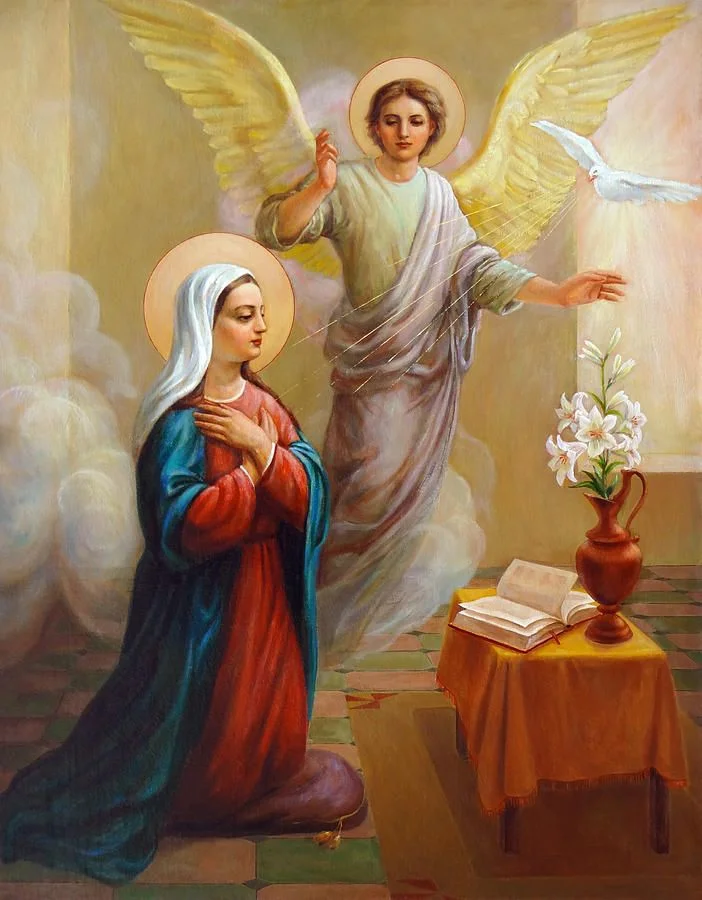
"Hail Mary, full of grace, the Lord is with thee!" These words, spoken by the angel Gabriel, forever changed the course of human history. π
The Virgin Mary, the mother of Jesus, holds a special place in the hearts of Catholics around the world. She is seen as a channel of God's grace, a vessel through which His love and blessings flow. πΉ
In the Bible, we see numerous examples of Mary's role as a channel of God's grace. From the moment of the Annunciation, when she humbly accepted God's plan for her life, to the wedding at Cana, where she interceded on behalf of the newlyweds, Mary's presence was a source of blessing. π
One of the most profound biblical examples of Mary's role as a channel of God's grace can be found in the Magnificat, her beautiful prayer of praise and thanksgiving. In Luke 1:46-55, Mary proclaims, "My soul magnifies the Lord, and my spirit rejoices in God my Savior." This prayer reminds us that Mary's faith and trust in God allowed her to be open to His grace and love. π
The Catechism of the Catholic Church teaches us that Mary is "the Mother of God" and "the model of the Church's faith." She is not only the physical mother of Jesus, but also the spiritual mother of all believers. Through her maternal intercession, she brings us closer to her son and helps us grow in holiness. πΊ
Throughout history, countless saints and theologians have recognized the important role of Mary in our spiritual journey. St. Louis de Montfort, for example, wrote extensively about Mary's role as a channel of God's grace in his book "True Devotion to Mary." He encourages us to entrust ourselves to Mary's care, knowing that she will lead us closer to Jesus. β€οΈ
The devotion to the Blessed Virgin Mary is deeply rooted in the Catholic tradition. From the earliest centuries, Christians have looked to Mary as a source of comfort, guidance, and intercession. Her gentle presence and unwavering faith are a shining example for all believers. βͺ
Mary's unique role as the Mother of God sets her apart from any other human being. She was chosen by God to be the vessel through which His Son would enter the world, bringing salvation to all. As Catholics, we deeply honor and love Mary, recognizing her as a powerful advocate and intercessor before God. π
In the words of St. Bernard of Clairvaux, a great medieval saint, "Of Mary there is never enough." This simple yet profound statement reminds us that Mary's love and grace are limitless. No matter how much we turn to her, she always has more to give. π·
The Rosary, a beloved Catholic prayer, is a beautiful way to honor and seek the intercession of the Blessed Virgin Mary. Through meditating on the mysteries of Christ's life, death, and resurrection, we unite ourselves with Mary and open our hearts to God's grace. πΏ
The Catholic Church teaches that Mary's role as a channel of God's grace is not limited to the past. She continues to intercede for us and bring us closer to her Son in the present. Just as she stood at the foot of the cross, offering her love and support to Jesus, she stands with us in our joys and sorrows today. πΉ
As Christians, we are called to imitate Mary's faith, humility, and love for God. Just as she said "yes" to God's plan for her life, we too must surrender ourselves to His will and trust in His providence. Mary shows us that through our openness to God's grace, miracles can happen. π
The devotion to Mary is not meant to detract from our worship of God, but rather to enhance it. She leads us closer to her Son, pointing us always towards Jesus. In the words of Pope Francis, "The Church is like Mary, her mother and model: a Church that is a mother, that has children, that has a mother's heart." π
In conclusion, the Blessed Virgin Mary is indeed a channel of God's grace. Her complete trust in God, her unwavering faith, and her motherly love make her a powerful intercessor on our behalf. Let us turn to her with confidence, knowing that she will guide us closer to her Son and shower us with God's abundant grace. π
What are your thoughts on the Blessed Virgin Mary as a channel of God's grace? How has her presence influenced your spiritual journey? Share your reflections and experiences in the comments below. π
Updated at: 2023-08-05 13:20:20 (2 years ago by Melkisedeck Leon Shine)
Title: The Power of Devotion to Our Lady of Fatima
Introduction: π Welcome, dear readers, to an enlightening journey into the power of devotion to Our Lady of Fatima! As a devoted Christian Roman Catholic, I am excited to share with you the profound impact that devotion to the Blessed Virgin Mary can have on our lives. Let us explore the significance of this devotion and how it can strengthen our spiritual journey.
The Divine Connection: π Our devotion to Our Lady of Fatima establishes a special connection with the Virgin Mary, the Mother of God. Just as Mary played a pivotal role in God's plan for our salvation by accepting to be the mother of Jesus, she intercedes for us before her Son in heaven. This devotion draws us closer to the heart of our faith.
The Example of Mary: πΊ Our Lady of Fatima serves as an example of pure devotion and unwavering faith. Her humble response to the angel Gabriel's message teaches us to surrender ourselves completely to God's will, just as she did when she said, "Behold, I am the handmaid of the Lord; let it be done to me according to your word" (Luke 1:38). We can learn from her obedience and trust in God.
The Miracle of Fatima: β¨ The apparitions of Our Lady of Fatima in 1917 in Portugal were a powerful manifestation of divine grace. Three young shepherd children, Lucia, Francisco, and Jacinta, were blessed to witness these apparitions. Mary's message during these extraordinary events emphasized the importance of prayer, conversion, and peace, offering hope and encouragement to all.
The Power of Prayer: π Our devotion to Our Lady of Fatima strengthens our prayer life. Mary invites us to embrace the rosary, a powerful tool that unites us with the mysteries of Christ's life. Through the rosary, we can meditate on the joyful, sorrowful, glorious, and luminous moments of Jesus' journey on earth, deepening our spirituality and relationship with God.
The Call to Conversion: π Our Lady of Fatima's message resounds with the call to conversion and repentance. She reminds us of the importance of examining our lives, recognizing our sins, and seeking forgiveness. By turning away from sin and embracing God's mercy, we open ourselves to a transformative journey of faith.
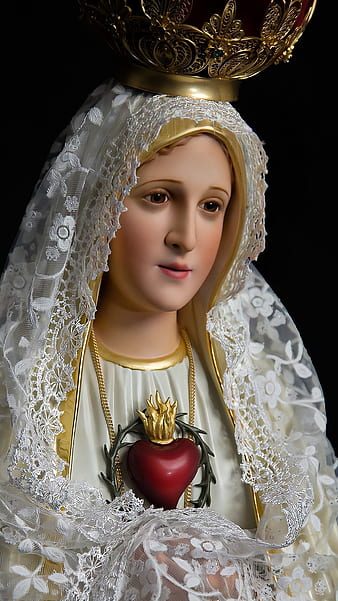
The Promise of Peace: π Mary's message at Fatima emphasized the urgent need for peace in the world. She called for prayer, penance, and devotion to her Immaculate Heart as a means to obtain peace. Our devotion to Our Lady of Fatima inspires us to become ambassadors of peace, spreading love, compassion, and understanding in our daily lives.
Protection and Intercession: π‘οΈ Our Lady of Fatima is a powerful advocate who intercedes for us before God. Just as Mary cared for Jesus throughout his life, she watches over us as her children. We can confidently turn to her in times of trouble, seeking her protection, solace, and guidance, knowing that she will bring our petitions to her Son.
The Healing Power of Fatima: π Devotion to Our Lady of Fatima carries the potential for physical, emotional, and spiritual healing. Countless testimonies have illustrated the miraculous healings and graces bestowed upon those who earnestly seek Our Lady's intercession. By opening our hearts in faith, we allow her maternal love to envelop us.
Inspiration for Family Life: πͺ Our devotion to Our Lady of Fatima can deeply impact our family life. Just as Mary cared for her own family, she guides us in nurturing love, harmony, and faith within our own homes. The Fatima message encourages family prayer, especially the Rosary, which strengthens the bonds between family members and fosters spiritual growth.
The Communion of Saints: β Our devotion to Our Lady of Fatima also connects us with the vast network of saints and holy men and women who have gone before us. Their example and intercession inspire us to persevere in faith, reminding us that we are not alone on our spiritual journey.
Mary, the Mother of God: π Our devotion to Our Lady of Fatima reaffirms the central place of Mary in the Christian faith. She is not only the Mother of Jesus but also our spiritual mother. As the Catechism of the Catholic Church beautifully states, "By her complete adherence to the Father's will, to His Son's redemptive work, and to every prompting of the Holy Spirit, the Virgin Mary is the Church's model of faith and charity" (CCC 967).
The Role of Scripture: π The Bible provides numerous instances highlighting Mary's significance. From her role in the Annunciation (Luke 1:26-38) to her presence at the foot of the cross (John 19:26-27), Mary's obedience, faithfulness, and love stand as a testament to her unique role in salvation history.
The Saints and Marian Devotion: π Throughout history, countless saints have demonstrated deep devotion to Mary. St. Louis de Montfort, St. Maximilian Kolbe, and St. John Paul II are just a few examples of saints who have experienced the transformative power of Marian devotion and actively promoted it.
The Call to Holiness: πΉ Our devotion to Our Lady of Fatima inspires us to strive for holiness, following Mary's example as a model of virtue. Through her intercession and guidance, we are encouraged to grow in love, humility, patience, and charity, seeking to become more Christ-like in our thoughts, words, and actions.
Your Thoughts: π€ Now, dear readers, I would love to hear your thoughts on the power of devotion to Our Lady of Fatima. Has Marian devotion played a significant role in your own spiritual journey? How has it impacted your relationship with God and others? Share your insights and experiences below!
Updated at: 2025-07-14 12:26:28 (1 year ago by Melkisedeck Leon Shine)
```htmlIn Christian theology, particularly within the Roman Catholic tradition, the Virgin Mary occupies a position of profound significance within what is known as the divine economy of salvation β God's overarching plan for the redemption of humanity. This plan unfolds through key moments and figures, and Mary's role, characterized by grace, obedience, and unique privilege, is central to understanding the incarnation and subsequent salvation offered through Jesus Christ. We will explore the multifaceted dimensions of Mary's involvement, highlighting her indispensable contribution to the salvific narrative.
The Annunciation: A Paradigm of Obedience and Faith: The narrative commences with the Annunciation, as recounted in the Gospel of Luke (1:26-38). The angel Gabriel's appearance to Mary, her acceptance of God's call to conceive Jesus through the Holy Spirit, marks a pivotal juncture. This moment embodies the concept of *fiat*, or "let it be done," demonstrating Mary's unwavering faith and obedience to the divine will. This event is a practical application of covenant theology, where God initiates a promise and Mary's "yes" is the human response, setting in motion the fulfillment of salvation history. Like in Finding Strength in Transition: A Biblical Guide to Navigating Change with Faith, Mary embraced a life-altering change with faith.
The Immaculate Conception: Divine Preparation: The doctrine of the Immaculate Conception, formally defined in Catholic dogma, posits that Mary was conceived without original sin. This is not to suggest that Mary didn't need salvation, but rather that she was redeemed in a unique and prevenient way, in anticipation of the merits of her Son. This grace prepared her to be a worthy vessel for the incarnation, aligning with the theological principle of *gratia praeveniens* β the grace that precedes and enables human action toward God. This preparation mirrors the proactive approach needed in other areas, like 15 Proven Strategies for Proactive Business Risk Mitigation, where preparation is key to success.
The Mother of God (Theotokos): Incarnation and Divine-Human Union: Mary's title as *Theotokos*, Greek for "God-bearer" or "Mother of God," affirmed at the Council of Ephesus, underscores the profound reality of the Incarnation. Through Mary, God the Son took on human flesh (John 1:14), uniting divinity and humanity in the person of Jesus Christ. This concept illustrates the hypostatic union β the union of Christ's two natures, human and divine, in one person. Mary's motherhood is not merely biological; it's the foundational condition for the enfleshment of the Word. This role highlights the power and significance of motherhood, echoing themes found in Parenting Styles Today: A Comprehensive Guide for Modern Families.
Perpetual Virginity: A Sign of Consecration: The doctrine of Mary's perpetual virginity asserts that she remained a virgin before, during, and after the birth of Jesus. This belief signifies her complete consecration to God and her unique role in salvation history. While debated among various Christian denominations, it's understood within the Catholic tradition as a sign of her total dedication to God's plan, unburdened by other earthly ties. This notion resonates with the idea of focusing on one's strengths, as highlighted in Unlocking Career Success: A Strengths-Based Approach.
The Visitation: Recognizing the Divine Presence: Mary's visit to her cousin Elizabeth (Luke 1:39-45) is a powerful encounter. Elizabeth's recognition of Mary as the Mother of God, and the leaping of John the Baptist in her womb, demonstrate the recognition of Jesus' divine presence even before birth. This episode showcases the concept of *koinonia* β a fellowship or communion centered on shared faith and recognition of the sacred. This also highlights the power of connection, similar to the bonds explored in Long-Distance Friendships: Proven Ways to Build Deep Connections.
The Magnificat: A Song of Liberation and Justice: Mary's Magnificat (Luke 1:46-55) is a revolutionary prayer that expresses her humility, gratitude, and profound understanding of God's preferential option for the poor and marginalized. It echoes themes of social justice and liberation, reflecting a world turned upside down by God's grace. This prayer is a testament to the power of faith in action, reminiscent of the principles of Unlocking Africa's Potential: 15 Mindset Shifts for Unity and Prosperity, which calls for a transformed mindset to achieve societal change.
The Nativity: Humility and Fulfillment: The birth of Jesus in a humble stable in Bethlehem (Luke 2:1-20) underscores the paradox of God's incarnation β divine majesty entering the world in poverty and simplicity. Mary's role in this event is crucial, as she nurtures and protects the infant Jesus, fulfilling ancient prophecies and initiating the era of salvation. This moment symbolizes new beginnings, much like the fresh starts explored in Transform Your Life: A Practical Guide to Breaking Bad Habits.
The Presentation in the Temple: Prophecy and Foreshadowing: Mary and Joseph's presentation of Jesus in the Temple (Luke 2:22-35) is a significant event. Simeon's prophecy foretells both Jesus' destiny and the suffering Mary will endure, highlighting her participation in Christ's redemptive mission. This foreshadowing introduces the theme of *compassion*, Mary's willingness to share in her Son's suffering for the sake of humanity.
The Flight into Egypt: Protection and Perseverance: The Holy Family's flight into Egypt (Matthew 2:13-15) demonstrates their vulnerability and the threats faced by Jesus from the very beginning. Mary's role is that of a protector, safeguarding her Son from harm and persevering through hardship. This act of protecting the vulnerable resonates with themes of nurturing and safeguarding those in need.
The Finding in the Temple: Maternal Concern and Divine Wisdom: The story of finding Jesus in the Temple (Luke 2:41-52) reveals Mary's maternal concern and her eventual understanding of Jesus' unique relationship with God. This event underscores the tension between Jesus' earthly family and his divine mission, highlighting the gradual unfolding of Mary's understanding of God's plan. It highlights the importance of understanding and communication within family dynamics.
The Wedding at Cana: Intercession and Manifestation of Glory: At the Wedding at Cana (John 2:1-12), Mary's intercession prompts Jesus to perform his first public miracle, turning water into wine. This event demonstrates Mary's role as an advocate and intercessor, highlighting her concern for the needs of others and her ability to mediate divine grace. This illustrates the power of proactive problem-solving and resourcefulness.
The Crucifixion: Co-Redemptrix and Spiritual Motherhood: Mary's presence at the foot of the Cross (John 19:25-27) marks the culmination of her participation in Christ's redemptive suffering. Her unwavering faith and sorrowful compassion exemplify her role as *Co-Redemptrix* (a debated title) and spiritual mother of all believers. Jesus' entrustment of Mary to John signifies the extension of her motherhood to the entire Church. The crucifixion highlights the themes of resilience and finding strength in difficult times, as explored in Heartbreak to Healing: Finding Strength and Resilience Through Gratitude.
The Assumption: Triumph and Eschatological Hope: The Assumption of Mary, body and soul, into heaven signifies her complete union with God and her triumph over death. This event foreshadows the ultimate destiny of all believers and offers hope for the resurrection of the body. The Assumption emphasizes the themes of hope and eternal life.
The Coronation: Queen of Heaven and Earth: Mary's coronation as Queen of Heaven and Earth recognizes her exalted status and her continued intercession for all believers. This title acknowledges her unique role in God's plan and her ongoing concern for the welfare of humanity. This event symbolizes recognition of hard work and dedication.
The Rosary: A Pathway to Contemplation and Intercession: The Rosary, a prayer deeply rooted in Marian devotion, provides a structured pathway to contemplate the mysteries of Christ's life through the eyes of Mary. Through the repetition of Hail Mary prayers, believers honor Mary and seek her intercession, fostering a deeper connection with Jesus. The Rosary serves as a tool for mindfulness and spiritual reflection.
Conclusion and Recommendations
The Virgin Mary's role in God's plan of salvation is undeniably significant, intricately woven into the fabric of Christian belief and practice. Her acceptance of God's will, her unique privileges, and her unwavering faith make her a model for all believers. Reflecting on Mary's significance invites a deeper understanding of the Incarnation, the redemptive power of Christ's sacrifice, and the call to discipleship.
Recommendations: Further research could explore the varying perspectives on Mary's role across different Christian denominations, fostering ecumenical dialogue and a richer understanding of her significance. Additionally, studying the impact of Marian devotion on art, literature, and culture can provide valuable insights into her enduring influence. Examining the psychological and sociological aspects of Marian devotion can also offer a nuanced perspective on its appeal and impact on individuals and communities.
Impacts and Applicability: Understanding Mary's role has profound implications for personal faith, spiritual growth, and engagement with the world. Her example encourages humility, obedience, and a willingness to embrace God's will, even when it is challenging. Her intercessory role offers comfort and hope, fostering a sense of connection with the divine. Practically, emulating Mary's virtues can lead to more compassionate, empathetic, and service-oriented lives.
Further Research: Future research could delve into the historical context of Marian doctrines, tracing their development and evolution over time. Comparative studies examining Marian devotion in different cultural contexts could also provide valuable insights into its adaptability and relevance in diverse settings.
Reader Pool: How might a deeper understanding of Mary's role in salvation history influence one's personal spiritual journey and engagement with social justice issues?
Related Posts
Updated at: 2025-06-19 15:43:38 (1 year ago by Melkisedeck Leon Shine)
```htmlThis discourse explores the multifaceted role of Mary within Catholic theology, examining her significance as an advocate and protector of believers. We will analyze her unique position, utilizing theological concepts and principles to illuminate her importance in the spiritual lives of Catholics. Key terms such as intercession (the act of pleading on behalf of another), Theotokos (God-bearer), and Immaculate Conception will be defined and applied to contextualize Mary's role.
Mary's Unique Ontological Status and the Example of Faith
Mary's pivotal role as the Theotokos, the Mother of God, establishes her unparalleled position within Christian history and theology. Luke 1:43, where Elizabeth proclaims Mary as the mother of her Lord, underscores this divine maternity. This unique status is not merely biological; it establishes her as intrinsically linked to the divine plan of salvation. Furthermore, Mary's unwavering obedience to God's will, as exemplified by her acceptance of Gabriel's annunciation (Luke 1:38), "Behold, I am the handmaid of the Lord; let it be to me according to your word," provides a powerful model of faith and submission to divine providence. This illustrates the theological concept of kenosis, the self-emptying of one's will for the sake of God's, a principle central to Christian spirituality.
Mary as Intercessor: A Mediatory Role within the Communion of Saints
The Catholic Church affirms Mary's role as an intercessor, based on scriptural examples like her intervention at the wedding at Cana (John 2:3). This intercessory role, rooted in the concept of the Communion of Saints, posits that those in heaven, through their union with Christ, can pray for and advocate on behalf of those still on Earth. The Catechism of the Catholic Church reinforces this concept, highlighting Mary as a model of faith and charity. The Hail Mary prayer encapsulates this understanding, directly requesting Mary's intercession. This concept of mediation is not seen to contradict Christ's unique role as sole mediator, rather, it is understood as a collaborative act within the overall economy of salvation.
Mary's Protective Role and the Development of Marian Piety
Mary's role as protector is evident in various titles bestowed upon her, such as "Queen of Heaven." This title symbolizes her guardianship over humanity, reflecting the maternal protection associated with the archetype of the divine feminine. The devotion to the Immaculate Heart of Mary highlights her compassionate love for humanity and her sorrow for sin. This devotion underscores the potential for human reconciliation and divine mercy, reflecting the core tenets of Catholic soteriology. Furthermore, the emphasis on Mary's perpetual virginity underscores her complete consecration to God, enhancing her symbolic purity and serving as an aspirational model of holiness within the theological framework of Christian ethics.
Mary's Significance Across Christian Traditions
The veneration of Mary transcends denominational boundaries. The Orthodox tradition venerates her as the Theotokos, emphasizing her crucial role in the Incarnation. The similarities and differences in Marian piety across various Christian traditions illustrate the evolving interpretations of scripture and the diverse ways in which believers engage with their faith. This demonstrates the dynamic nature of religious interpretation and the ongoing dialogue within Christianity.
Mary as a Pathway to Christ: Avoiding Misinterpretations
It is essential to clarify that Mary's role as advocate does not diminish the centrality of Jesus Christ as the sole mediator between God and humanity. Rather, Mary's intercession is understood as a guiding path towards Christ, fostering a deeper relationship with Him. The devotion to Mary is not an obstacle but a means to spiritual growth, aligning with the concept of via negativaβfinding God through what He is notβand emphasizing the importance of spiritual practices within the context of sacramental theology.
Conclusion and Recommendations
Maryβs significance in Catholic theology extends far beyond a simple veneration. Her role as intercessor, protector, and exemplar of faith forms an integral component of Catholic spirituality. Further research could explore the evolution of Marian doctrines across historical periods, analyzing the social and cultural factors influencing these developments. A comparative theological study examining Marian piety across various Christian traditions would provide valuable insights into the diverse interpretations of Mary's role and their impact on Christian life. Understanding Mary's role necessitates a nuanced understanding of scripture, tradition, and the evolving theological discourse within the Church, emphasizing the importance of ecumenical dialogue and respectful interfaith engagement.
Reader Pool: In what ways do you believe the concept of Mary as an intercessor complements or challenges the understanding of Christ's unique mediatorial role within Christian theology?
```
Updated at: 2023-08-05 13:20:23 (2 years ago by Melkisedeck Leon Shine)
The Assumed Role of Mary in Christian Art and Iconography
πΉβοΈ Mary, the Mother of God, holds a special place in the hearts of Christians around the world. Her role as the mother of Jesus and her unwavering faith have made her an enduring symbol of love, devotion, and purity. Through the centuries, artists have sought to capture her essence in their paintings, sculptures, and icons. In this article, we will explore the assumed role of Mary in Christian art and iconography, and celebrate the beauty and significance she holds in the spiritual realm.
Mary as the Mother of God: According to Christian belief, Mary conceived Jesus through the power of the Holy Spirit, remaining a virgin before, during, and after the birth of her divine son. This exalted role has been depicted in countless artworks, such as Leonardo da Vinci's famous painting, "The Annunciation," which portrays the angel Gabriel announcing Mary's conception.
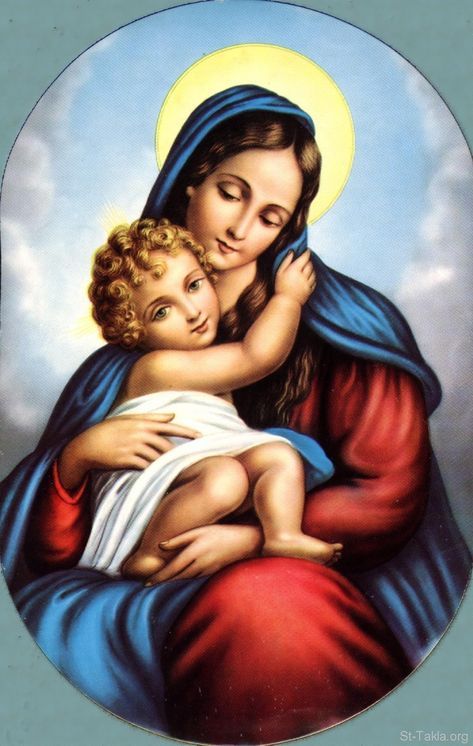
The Madonna and Child: One of the most iconic representations of Mary is that of the Madonna and Child. This image depicts Mary cradling the infant Jesus in her arms, symbolizing her role as the nurturing and loving mother. Artists have depicted this scene in various styles and mediums, each highlighting the tenderness and deep connection between mother and child.
Mary as the Immaculate Conception: The doctrine of the Immaculate Conception teaches that Mary was conceived without original sin, preparing her to be the vessel through which God's salvation would enter the world. This belief has been expressed in many artworks, such as BartolomΓ© Esteban Murillo's painting, "The Immaculate Conception," which portrays Mary standing on a crescent moon, surrounded by angels.
The Pieta: Perhaps one of the most poignant and heart-wrenching representations of Mary is the Pieta, which portrays her holding the lifeless body of Jesus after his crucifixion. This powerful image, sculpted by Michelangelo, captures the profound sorrow and grief of a mother who has lost her beloved son.
The Assumption of Mary: According to Catholic tradition, Mary was assumed body and soul into heaven at the end of her earthly life. This belief has been celebrated in numerous artworks, such as Titian's painting, "Assumption of the Virgin," which depicts Mary being lifted up by a host of angels.
The Coronation of Mary: In some Christian traditions, Mary is believed to have been crowned as the Queen of Heaven and Earth. This belief is often depicted in artworks, with Mary wearing a crown and surrounded by hosts of angels and saints. One notable example is the painting "Coronation of the Virgin" by Diego VelΓ‘zquez.
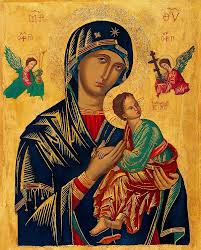
Mary as the Mediatrix: Catholic teaching holds that Mary plays a unique role in interceding for humanity. This belief is often represented in artworks, with Mary depicted as the bridge between heaven and earth, bringing the prayers of the faithful to God. A well-known example is the icon of Our Lady of Perpetual Help, which shows Mary holding the infant Jesus, while angels display symbols of his impending passion.
The Visitation: The visitation of Mary to her cousin Elizabeth, as described in the Gospel of Luke, has been a popular subject in Christian art. This joyful encounter between the two women, both pregnant with miraculous children, is often depicted with great warmth and intimacy, emphasizing the bond between Mary and Elizabeth.
The Seven Sorrows of Mary: Another common theme in Christian art is the depiction of Mary's seven sorrows. These include the prophecy of Simeon, the flight into Egypt, and Jesus' crucifixion. The Seven Sorrows have been a powerful devotion for many Catholics, and artists have conveyed the deep emotional pain of Mary through their works.
The Rosary: The use of the rosary, a prayer devotion that focuses on the life of Jesus and Mary, has influenced Christian art as well. Many artworks feature Mary holding a rosary, symbolizing her role as the guide and intercessor for those who pray the rosary.
The Magnificat: Mary's prayer of praise and gratitude, known as the Magnificat, has inspired artists to depict her in a posture of worship and adoration. This prayer, found in the Gospel of Luke, highlights Mary's humility and her acknowledgment of God's greatness.
The Assumption of Mary in the Catechism of the Catholic Church: "Finally the Immaculate Virgin, preserved free from all stain of original sin, when the course of her earthly life was finished, was taken up body and soul into heavenly glory, and exalted by the Lord as Queen over all things, so that she might be the more fully conformed to her Son, the Lord of lords and conqueror of sin and death" (CCC, 966).
The Love of Mary: Throughout Christian history, countless saints and faithful followers have expressed their deep love and devotion to Mary. This love is reflected in the art and iconography dedicated to her, as believers seek to honor and emulate her virtues.
The Influence of Mary in Christian Spirituality: Mary's role in Christian art and iconography extends beyond visual representation. She serves as a powerful example of faith, obedience, and love for God. Many Christians turn to Mary as a source of inspiration and guidance in their spiritual journeys.
Opinion: What are your thoughts on the role of Mary in Christian art and iconography? Do you find her representations in art inspiring and meaningful? How has Mary influenced your own spiritual journey? Share your thoughts and experiences below! ππΉβοΈ
Updated at: 2023-08-05 13:19:15 (2 years ago by Melkisedeck Leon Shine)
Mary: Our Advocate and Protector
πΉπ The role of Mary in the Catholic faith is one that holds great significance and importance. As the Mother of God, she is not only a revered figure but also an advocate and protector for all believers. Let us delve into the reasons why Mary is such a beloved and cherished figure in our spiritual journey.
1οΈβ£ Mary's unique role as the Mother of God sets her apart from any other woman in history. As stated in Luke 1:43, Elizabeth proclaims, "And why has this happened to me, that the mother of my Lord comes to me?" Mary is not just the mother of Jesus, but the mother of our Lord and Savior.
2οΈβ£ Throughout the Bible, we see Mary's unwavering faith and obedience to God's will. When the angel Gabriel appeared to her and announced that she would conceive and bear a son, she humbly accepted, saying, "Behold, I am the handmaid of the Lord; let it be to me according to your word" (Luke 1:38). Mary's submission to God's plan serves as an example for us to trust in His divine guidance.
3οΈβ£ Mary's intercession on behalf of humanity is a testament to her role as our advocate. Just as she interceded at the wedding at Cana, saying to Jesus, "They have no wine" (John 2:3), she continues to intercede for us in heaven, presenting our needs to her Son.
4οΈβ£ The Catechism of the Catholic Church reveals Mary's intercessory role, stating that "The Virgin Mary is the Church's model of faith and charity." Her prayers are not only heard by God but are also powerful in obtaining graces for us.
5οΈβ£ One of the most well-known prayers in Catholicism, the Hail Mary, exemplifies our devotion to Mary. In this prayer, we honor her as the "Mother of God" and ask for her intercession, saying, "Pray for us sinners, now and at the hour of our death."
6οΈβ£ The saints of the Catholic Church also recognized the importance of Mary in our spiritual journey. St. Louis de Montfort wrote, "Mary is the safest, easiest, shortest and most perfect way of approaching Jesus." By seeking her guidance and protection, we draw closer to Christ.
7οΈβ£ Mary's role as our protector is evident in her title as the "Queen of Heaven." Just as a queen protects and cares for her subjects, Mary watches over us, ensuring our spiritual well-being.
8οΈβ£ The devotion to the Immaculate Heart of Mary reminds us of her deep love for humanity. In this devotion, we offer our prayers and acts of reparation to console her heart, wounded by the sins of humanity.
9οΈβ£ The significance of Mary's perpetual virginity is often misunderstood. The Catholic Church teaches that Mary remained a virgin before, during, and after the birth of Jesus. This emphasizes her complete dedication to God and her unique role as the Mother of God.
π The love and respect for Mary extend beyond the Catholic Church. In the Orthodox tradition, Mary is venerated as the Theotokos, meaning "God-bearer." This title emphasizes her role in giving birth to Jesus, who is fully God and fully human.
1οΈβ£1οΈβ£ Mary's role as our advocate does not diminish the importance of Jesus as our sole mediator. Rather, Mary leads us to Jesus and helps us deepen our relationship with Him. As St. Maximilian Kolbe once said, "Never be afraid of loving the Blessed Virgin Mary too much. You can never love her more than Jesus did."
1οΈβ£2οΈβ£ The devotion to Mary is not an obstacle but a means to grow closer to Christ. By seeking her guidance and protection, we acknowledge our need for the intercession of the saints and the communion of saints.
1οΈβ£3οΈβ£ Through Mary's immaculate heart, we are reminded of the purity and holiness that we should strive for in our own lives. Her example challenges us to embrace virtue and reject sin.
1οΈβ£4οΈβ£ The Visitation, when Mary visited her cousin Elizabeth, is a beautiful example of Mary's role as our advocate. As Elizabeth exclaimed, "Blessed are you among women, and blessed is the fruit of your womb!" (Luke 1:42), we too are blessed by Mary's intercession.
1οΈβ£5οΈβ£ In conclusion, Mary holds a special place in our faith as our advocate and protector. Her unwavering faith, obedience to God's will, and intercessory role make her a beloved figure in our spiritual journey. Embracing her as our mother and seeking her guidance leads us closer to Jesus and deepens our relationship with Him.
What are your thoughts on Mary's role as our advocate and protector? How has her intercession impacted your spiritual life?
Updated at: 2025-06-21 19:12:52 (1 year ago by Melkisedeck Leon Shine)
```htmlMary's Intercession: A Conduit to Divine Grace
Introduction
Within the Catholic theological framework, the Virgin Mary, Mother of God, occupies a position of profound reverence and significance. This stems not only from her unique relationship with Jesus Christ but also from the widely held belief in her capacity to intercede on behalf of humanity, acting as a mediator between God and humankind. This exploration delves into the multifaceted concept of Marian intercession, examining its theological underpinnings, scriptural examples, devotional practices, and implications for spiritual growth, utilizing relevant theological concepts such as substitutionary atonement and the communicatio idiomatum.
1. Christological Foundation: The Theotokos and Communicatio Idiomatum
The cornerstone of Marian intercession rests on the Christological doctrine of the TheotokosβGod-bearer. This title, formally affirmed by the Church, emphasizes Mary's unique ontological relationship with Jesus Christ. The concept of communicatio idiomatum, or the communication of properties, suggests that, due to the hypostatic union of divinity and humanity in Christ, certain attributes, though strictly belonging to one nature, can be attributed to the other. While not possessing divine nature herself, Mary's intimate connection with the divine Son allows for a unique form of intercession, a petitionary conduit facilitated by her maternal bond.
2. Exemplary Humility and Surrender to Divine Will
Mary's unwavering humility, exemplified by her Fiat ("Let it be to me according to your word," Luke 1:38), serves as a powerful model for faithful response to God's grace. Her complete surrender to the divine plan demonstrates the virtue of obedience and trust necessary for effective spiritual collaboration. This humble acceptance illustrates the theological principle of kenosis (self-emptying), mirroring Christ's own self-sacrifice, and highlighting the importance of human receptivity to divine action.
3. Scriptural Manifestations of Intercession: The Wedding at Cana
The Wedding at Cana (John 2:1-11) provides a compelling scriptural example of Mary's intercession. Her appeal to Jesus, "They have no wine," highlights her awareness of human need and her willingness to advocate for others before her Son. This act underscores the efficacy of prayerful petition, illustrating how intercessory prayer, rooted in faith and empathy, can unlock divine intervention and bring about miraculous results. This event can be understood through the lens of substitutionary atonement, where Mary acts as an advocate, representing the needs of others before the divine Judge.
4. The Rosary: A Structured Framework for Marian Contemplation
The Rosary, a traditional Catholic devotion, provides a structured framework for meditating on the life of Christ through the lens of Mary's experience. This devotional practice embodies a principle of participatory prayer where the believer actively engages with the narrative of salvation, enhancing their understanding and deepening their relationship with both Christ and Mary. The repetitive nature of the prayer fosters contemplative union, facilitating a more profound connection to the divine and promoting spiritual transformation through the lens of intercessory prayer.
5. Marian Apparitions and Messages: Ongoing Manifestation of Divine Will
Numerous Marian apparitions, such as Lourdes and Fatima, serve as further affirmation of Mary's ongoing role in guiding humanity. These events, while not universally accepted as divinely sanctioned, are nevertheless significant within the Catholic tradition, illustrating the ongoing engagement of Mary within the divine economy of salvation. The messages often emphasize prayer, repentance, and devotion to the Sacred Heart of Jesus, reinforcing the core tenets of the faith and highlighting the importance of personal spiritual growth and transformation.
6. Mary as a Model for the Church: The New Ark of the Covenant
Mary's unwavering faith, obedience, and love serve as an ideal model for the Church. Her role as the "new Ark of the Covenant" symbolizes her safeguarding and nurturing role regarding the presence of God within the faithful. This analogy highlights her crucial role in the Church's mission of proclaiming the Gospel and leading humanity toward spiritual fulfillment.
7. Mary's Role in the Mystical Body of Christ: A Mother's Loving Intercession
The concept of the Mystical Body of Christ emphasizes the interconnectedness of all believers within the Church. Mary's role as a spiritual mother within this body signifies her ongoing concern for and involvement in the lives of all her spiritual children. Her intercession becomes a powerful force, acting as a conduit of divine grace, fostering spiritual growth, and providing comfort and guidance in times of trial.
8. The Assumption of Mary: Glorification of a Faithful Servant
The dogma of the Assumption, which celebrates Mary's bodily and spiritual ascension into heaven, emphasizes her unique sanctity and her ultimate union with God. This glorification underscores the power of unwavering faith and obedience, highlighting the rewards that await those who faithfully follow Godβs will. It also strengthens the belief in her continuous intercession on behalf of humanity from her position in heavenly glory.
9. The Efficacy of Marian Intercession: A Theological Perspective
The theological understanding of Marian intercession does not imply that Mary possesses independent power to influence God, but rather that her prayers, fueled by her perfect union with God, are particularly effective due to her unique relationship with Jesus Christ. It is a petitionary act, an embodiment of faith and reliance on the divine grace available through Christ's sacrifice and mediation.
Conclusion and Recommendations
The concept of Mary's intercession presents a rich theological landscape, grounded in scriptural narratives, devotional practices, and theological reflection. Understanding her role necessitates a careful consideration of Christological principles, highlighting the intimate connection between Mary and Jesus. Further research should explore the interrelationship between Marian devotion and lived experiences of grace, perhaps through qualitative studies examining personal testimonies and spiritual journeys. This may shed light on the psychological and sociological dimensions of Marian piety, thereby enriching our understanding of its impact on faith formation and spiritual development. The practical application of these theological insights lies in fostering a deep personal devotion, coupled with a commitment to living a life of faith and obedience. This involves actively engaging in prayer, particularly the Rosary, and seeking to emulate Mary's humility, faith, and unwavering commitment to God's will. Furthermore, recognizing Mary's role as a model within the Mystical Body of Christ can strengthen communal bonds, fostering a spirit of intercessory prayer within the Church.
Reader Pool: Considering the multifaceted theological arguments presented, how might a nuanced understanding of Marian intercession inform contemporary approaches to interfaith dialogue and ecumenical engagement?
```
Updated at: 2025-06-05 14:50:55 (1 year ago by Melkisedeck Leon Shine)
```htmlThis article explores the multifaceted role of Mary within the theological framework of salvation history, employing key concepts from Catholic theology and relevant biblical interpretations. We will define key terms such as "economy of salvation," "intercession," and "Marian devotion" to establish a clear understanding of the subject matter.
Defining Key Concepts: The "economy of salvation" refers to God's plan of redemption, encompassing creation, the fall, the incarnation, Christ's ministry, death and resurrection, and the ultimate consummation of all things. "Intercession" describes the act of pleading on behalf of another, while "Marian devotion" encompasses various practices and beliefs centered on the veneration of Mary, mother of Jesus.
Mary's pivotal role in the economy of salvation stems from her unique status as the Theotokos, the God-bearer (Luke 1:43). This designation, established within the early Church, signifies her unparalleled participation in God's redemptive plan. The Annunciation narrative (Luke 1:26-38) exemplifies her complete submission to God's will ("fiat"), positioning her as the quintessential model of faith and obedience. This act of obedience, interpreted through the lens of theosis (deification), highlights her active cooperation in the Incarnation, initiating the process of humanity's reconciliation with God.
Mary's unwavering faith, as demonstrated in her acceptance of the Angel Gabriel's message, serves as a powerful example for believers. This resonates with the concept of "kenosis," or self-emptying, which Christ himself embodied. Mary's self-emptying surrender to God's plan directly parallels Christ's sacrifice, highlighting her crucial role in the redemptive process. Further, understanding Mary through the lens of typology reveals her as the "New Eve," contrasting the disobedience of Eve that led to the fall with Mary's obedience which facilitated humanity's redemption. This understanding aligns with the soteriological model that emphasizes the restoration of the broken relationship between God and humanity.
Catholic theology posits Mary's continued intercession on behalf of humanity. This is based on her ongoing communion with God and her intimate relationship with Jesus. Her intercession is not a substitution for personal prayer or a bypassing of Christ's mediatorial role; rather, it is a reflection of her ongoing maternal concern for humanity. This theological perspective resonates with the concept of "communion of saints," highlighting the interconnectedness of believers in their shared journey toward salvation. The various forms of Marian devotion, such as the Rosary and other Marian prayers, are understood as expressions of this belief and acts of spiritual communion with Mary.
Mary's role extends beyond her earthly life, culminating in her heavenly coronation as the Queen of Heaven (Revelation 12:1). This title, though symbolic, emphasizes her exalted position in the eschatological vision of the Church. Her presence in heavenly glory underscores the ultimate triumph of God's plan, emphasizing the complete restoration of creation and the eternal communion of the redeemed. This aligns with the ecclesiological understanding of the Church as the Mystical Body of Christ, with Mary occupying a place of honor within this heavenly community.
It is crucial to distinguish between the veneration of Mary and the worship of God. Catholic tradition unequivocally reserves worship for God alone; the veneration of Mary is an act of profound respect and honor given to the mother of God and a key figure in salvation history. This aligns with the principle of latria (worship due to God alone) and dulia (veneration accorded to saints and angels). This distinction is essential for maintaining the correct theological perspective on Maryβs role.
Maryβs role in the economy of salvation is a complex and deeply significant theological topic. Her unwavering faith, obedience, and active participation in God's redemptive plan make her a central figure in Catholic theology. Understanding her role allows for a richer appreciation of God's love and the power of human cooperation in God's grace. Future research could explore the comparative theological perspectives on Mary's role across different Christian denominations and investigate the evolving interpretations of Marian devotion throughout history. The emphasis should always remain on Jesus Christ as the ultimate source of salvation, with Mary's role being understood within the context of Christ's redemptive work.
Reader Pool: How might a deeper understanding of Mary's role within the systematic theology of salvation impact contemporary pastoral practice and spiritual formation?
```
Updated at: 2023-08-05 13:20:18 (2 years ago by Melkisedeck Leon Shine)
Title: The Rosary: A Path to Meditating on Christ's Life with Mary
Introduction: πΉπ The Rosary is a beautiful and powerful prayer that allows us to journey with Mary, the Mother of God, as we reflect on the life of her son, Jesus Christ. It is a powerful tool for deepening our relationship with Christ and finding solace in the loving embrace of Mary's intercession. Let us embark on this spiritual journey together and explore the joys of meditating on Christ's life with our beloved Mother Mary.
Mary: The Beloved Mother of God: πποΈ In the Catholic tradition, Mary holds a special place of honor as the Mother of God. Through her immaculate conception, she was chosen by God to bear His Son, Jesus Christ, into the world. This unique relationship between Mary and Jesus provides us with a profound opportunity to connect with Christ through the intercession of His mother.
The Joyful Mysteries: π«πΊ The Joyful Mysteries of the Rosary invite us to reflect on the early life of Jesus, from His miraculous conception to His presentation in the temple. As we meditate on each mystery, we can imagine ourselves alongside Mary, experiencing her joy, wonder, and awe as she witnessed the fulfillment of God's plan for salvation.
The Sorrowful Mysteries: ππΏ The Sorrowful Mysteries take us through the painful events leading to Christ's crucifixion. As we meditate on His suffering, we can draw strength from Mary's unwavering faith and unyielding love for her Son. She stood by Him at the foot of the cross, sharing in His pain and offering her own heartache for the redemption of humanity.
The Glorious Mysteries: β¨π The Glorious Mysteries celebrate Christ's triumph over death and His resurrection. Through Mary's presence at the empty tomb and her assumption into heaven, we are reminded of the hope and joy that await us in eternal life. Meditating on these mysteries allows us to share in Mary's exultation and trust in God's promise of salvation.
The Luminous Mysteries: π βͺοΈ Introduced by Pope St. John Paul II, the Luminous Mysteries shed light on Jesus' public ministry. These mysteries invite us to contemplate the miracles, teachings, and transformative moments in Christ's life. Mary, as a faithful disciple, was present at many of these events, serving as a model of faith and humility.
Mary's Role as Mediatrix: ππ As Catholics, we believe that Mary, as the Mother of God, has a unique role in interceding for us. Through the Rosary, we entrust our intentions and prayers to her, confident in her ability to present them to her Son. This beautiful relationship between Mary and Jesus allows us to experience their love and guidance in our lives.
The Rosary as a Path to Spiritual Growth: πΏπΊ The Rosary is not simply a rote recitation of prayers but a pathway to deepening our spiritual connection with Christ. Through the repetition of the prayers, we create a space for silence and contemplation, allowing the mysteries of Christ's life to penetrate our hearts and transform us from within.
Quotes from the Bible: πβοΈ "And the angel said to her, 'Do not be afraid, Mary, for you have found favor with God. And behold, you will conceive in your womb and bear a son, and you shall call his name Jesus.'" - Luke 1:30-31
Quotes from the Catechism of the Catholic Church: πποΈ "The Rosary... is a summary of the whole Gospel. Its prayer is the power of God for the destruction of strongholds." - CCC 971
Quotes from Catholic Saints: ππ« "Never be afraid of loving the Blessed Virgin too much. You can never love her more than Jesus did." - St. Maximilian Kolbe
The Rosary as a Source of Peace: π«β¨ In a world filled with chaos and uncertainty, the Rosary offers a balm for our souls. It provides a sense of peace that transcends the challenges we face, a peace that can only be found in the loving presence of Christ and the intercession of Mary.
The Communal Power of the Rosary: ππΊ The Rosary is not solely an individual prayer but can also be prayed in community. Coming together to pray the Rosary fosters unity, as we join our hearts and intentions with others around the world. It reminds us that we are part of the mystical body of Christ, connected through our shared devotion to Mary.
The Rosary as a Daily Habit: ππΏ Incorporating the Rosary into our daily routine allows us to cultivate a consistent prayer life and deepen our relationship with Christ. It can be a source of comfort, strength, and spiritual nourishment, providing us with a tangible connection to the divine.
Mary's Example of Humility: ππ Mary's humility serves as an inspiration to us all. Despite being chosen by God for the extraordinary role of being the Mother of God, she remained humble and obedient to His will. Through the Rosary, we can learn from Mary's example and strive to emulate her humility in our own lives.
Conclusion: πΉπ The Rosary is a beautiful gift given to us by our heavenly Mother, Mary. It is a path that leads us closer to Christ, allowing us to meditate on His life and teachings with the guidance and intercession of His beloved mother. Let us embrace this sacred prayer, and may it bring us ever closer to the heart of our Savior. How has the Rosary impacted your spiritual journey? Share your thoughts and experiences below. πΉπ
Updated at: 2025-06-05 11:05:40 (1 year ago by Melkisedeck Leon Shine)
```htmlIntroduction: Defining Key Concepts
This discourse examines the Roman Catholic dogma of the Assumption of Mary, exploring its theological underpinnings and significance within the broader context of Christian faith. We will define key concepts such as dogma (a doctrine formally declared to be divinely revealed truth), Immaculate Conception (the belief that Mary was conceived without original sin), and intercession (the act of praying to a saint to request divine favor). Understanding these foundational concepts is crucial for a nuanced analysis of Mary's Assumption and its implications. The application of theological frameworks and models will be employed to analyze this significant event within the Catholic faith. We will utilize the lens of systematic theology to examine scriptural allusions, ecclesiological pronouncements, and patristic interpretations to construct a comprehensive understanding.
Mary's Unique Role and the Immaculate Conception
The doctrine of the Immaculate Conception, preceding the Assumption, posits Mary's exemption from original sin. This theological construct, foundational to the Catholic understanding of Mary, positions her as uniquely prepared for her role as Theotokos (God-bearer). The Immaculate Conception, viewed through the lens of soteriology (the study of salvation), highlights Mary's complete freedom from sin's taint, a prerequisite for her role in the divine plan of redemption. This purity, therefore, becomes a crucial element in understanding her subsequent elevation to heavenly glory. Employing the concept of hamartiology (the study of sin), we see the contrast between humanity's inherent sinfulness and Mary's exceptional grace, setting the stage for the theological explanation of her assumption.
Theological Implications of Mary's Bond with Jesus
Mary's intimate relationship with Jesus, the pivotal figure in Christian soteriology, is inextricably linked to her Assumption. As the mother of the incarnate Son of God, Mary's participation in the redemptive act is unparalleled. Applying Christological principles, Maryβs role becomes not merely biological but profoundly salvific. Her profound connection with Jesus, reflecting the unique bond between mother and son, underscores the appropriateness of her elevation to heavenly glory. This can be understood through the framework of ecclesiology (the study of the church) whereby Mary serves as a quintessential model of faith and obedience. This deeply personal yet divinely ordained relationship provides a powerful theological rationale for the Assumption.
Scriptural Allusions and Ecclesiological Affirmations
While the Assumption isn't explicitly stated in biblical scripture, several passages offer symbolic allusions to Mary's heavenly destiny. Revelation 12:1, depicting a woman clothed with the sun, provides a powerful visual metaphor interpreted by the Church as prefiguring the Assumption. Employing hermeneutical principles, one can explore how this symbolic language mirrors the theological concept of the heavenly realm. Further, the dogmatic definition of the Assumption by the Catholic Church, based on Sacred Tradition and theological reflection, affirms this belief as divinely revealed truth, thus integrating it firmly into the broader structure of Catholic doctrine. The application of the Magisterium (the teaching authority of the Church) reinforces the legitimacy and authority of this doctrine.
Patristic Interpretations and Theological Development
The historical development of the doctrine is evident in the writings of early Church Fathers, such as St. John Damascene, whose theological reflections on Maryβs purity and freedom from corruption foreshadowed the later dogmatic definition. Using a historical-critical approach, we see how the belief in the Assumption evolved organically within the Church's theological tradition, gaining increasing affirmation through centuries of contemplation and discourse. The lens of patristics (the study of early Church Fathers) provides valuable context for understanding the historical evolution and theological foundation of this belief.
Eschatological Hope and the Transformation of Humanity
Mary's Assumption serves not merely as a unique event, but as a powerful eschatological (end-times) symbol offering hope for humanity's ultimate destiny. Her bodily assumption prefigures the resurrection and glorification of believers. This event is seen as a foretaste of the transfiguration of the human body, offering believers a powerful image of hope and anticipation for their own eventual heavenly transformation, aligning the concept with the hope of resurrection as described in the Pauline epistles and other New Testament texts.
God's Love, Mary's Intercession, and the Call to Holiness
The Assumption is understood as an expression of God's boundless love for Mary and for humanity as a whole. Furthermore, it underscores the role of Mary as intercessor, demonstrating her continued advocacy for the faithful after her death. Following the tradition of Marian devotion, this intercessory role strengthens the bond between the faithful and the heavenly realm. The doctrine is used to inspire holiness by presenting Mary as a model of faith, obedience, and devotion, providing a model to be emulated in personal spiritual growth. This inspires the faithful to strive for a life of virtue and closeness to God, mirroring Mary's own life.
Conclusion and Recommendations
The Assumption of Mary, a central tenet of Catholic faith, is more than a historical event; it is a rich theological concept encapsulating numerous themes. This exploration has showcased the doctrine's theological underpinnings, its scriptural allusions, historical development, and eschatological implications. The concept is powerfully symbolic, serving as a source of hope and inspiration for believers. Further research could explore comparative theology, examining the ways other Christian denominations interpret Mary's life and role, while maintaining focus on rigorous theological methodology to enrich and deepen our understanding of the Assumption. The impact of this doctrine on the spiritual life of Catholics underscores its importance in shaping religious practices and devotion.
Reader Pool:
Considering the theological arguments presented, how might a deeper understanding of the Assumption of Mary contribute to a richer understanding of Christian eschatology and the hope of human transformation?
```