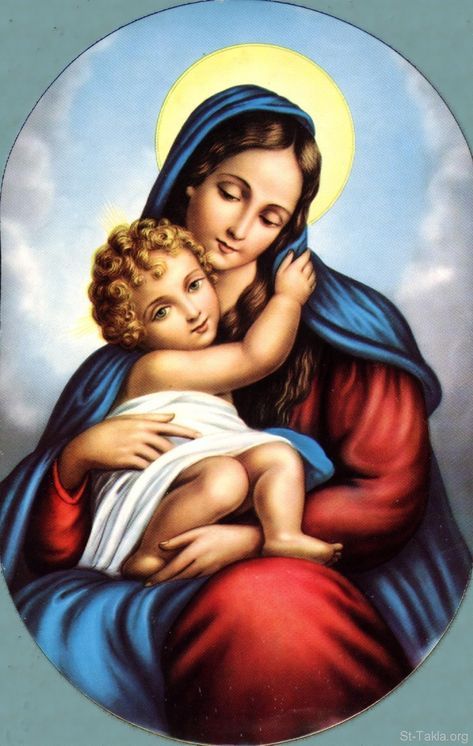
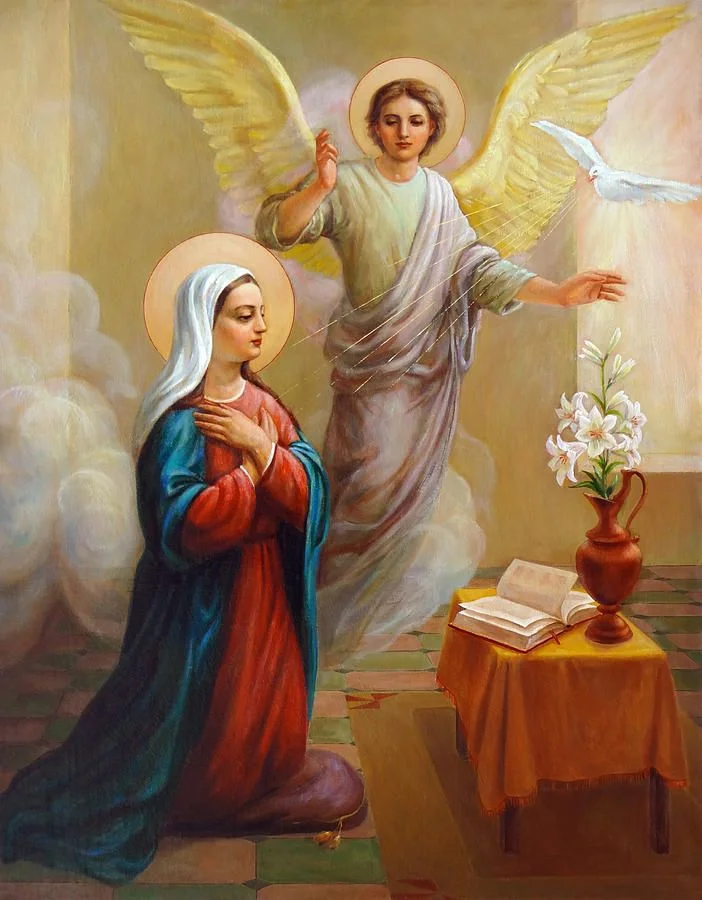
Mary, Our Queen and Mother
Updated at: 2023-08-05 13:19:22 (3 years ago by Melkisedeck Leon Shine)
πΉMary, Our Queen and MotherπΉ
Mary, Our Queen and Mother, holds a special place in the hearts of Christians around the world. As a devout Catholic, I find great comfort and inspiration in contemplating the life of the Blessed Virgin Mary. π
Throughout the Bible, we see how Mary's role as the Mother of God is highlighted. From the Annunciation (Luke 1:26-38) to the Visitation (Luke 1:39-56), she embraced her divine calling with humility and faith. π
One of the most beautiful aspects of Mary's story is her perpetual virginity. In the Gospel of Matthew, it is clear that Joseph did not have marital relations with her until after Jesus' birth (Matthew 1:25). This affirms the belief that Mary remained a virgin throughout her life. π·
Some may question this teaching, but it is important to remember that the Bible is not the only source of truth for Catholic Christians. The Catechism of the Catholic Church, in paragraph 499, states, "The deepening of faith in the virginal motherhood led the Church to confess Mary's real and perpetual virginity even in the act of giving birth to the Son of God made man." π
Moreover, when Jesus was dying on the cross, He entrusted Mary to the care of the beloved disciple, John (John 19:26-27). This demonstrates the unique role Mary plays as the spiritual mother of all humanity. π
In Catholic tradition, Mary is referred to as the "Queen of Heaven" and "Mother of the Church." This honor is not based solely on human devotion but is deeply rooted in scriptural imagery. In the book of Revelation, Mary is portrayed as a woman clothed with the sun, with the moon under her feet, and a crown of twelve stars on her head (Revelation 12:1). πππ
The lives of Catholic saints provide us with further insight into the significance of Mary's role as Queen and Mother. St. Louis de Montfort, a great Marian devotee, said, "Mary is the Queen of heaven and earth by grace as Jesus is the King by nature and by conquest." πΉ
St. Maximilian Kolbe, another esteemed saint, emphasized Mary's role in our spiritual lives. He stated, "Never be afraid of loving the Blessed Virgin too much. You can never love her more than Jesus did." π
Our love and devotion to Mary should never be a hindrance to our love for Jesus. On the contrary, Mary leads us closer to Jesus, just as she did at the wedding in Cana (John 2:1-12) when she told the servants, "Do whatever he tells you." Mary's guidance points us to her Son. π·ποΈ
It is also important to recognize that our Catholic faith does not worship Mary but honors her as the most perfect disciple and the first among the redeemed. The Catechism of the Catholic Church states in paragraph 971, "The Church's devotion to the Blessed Virgin is intrinsic to Christian worship."
πΈ Mary's intercession has been a source of comfort and miracles for countless Catholics throughout history. Just as she interceded at the Wedding at Cana, she continues to intercede for us in heaven. πΈ
Through the rosary, Catholics meditate on the mysteries of the life of Jesus, guided by the prayers of Mary. This powerful devotion strengthens our spiritual connection to both Jesus and Mary. πΏ
In moments of doubt or difficulty, turning to Mary can bring us solace and hope. She understands our sorrows and joys, as she witnessed the suffering and resurrection of her Son. π
As we honor Mary, Our Queen and Mother, let us recognize her as a guiding light on our journey of faith. She reminds us of the beauty and power of embracing God's will, just like she did when she said, "Behold, I am the handmaid of the Lord; let it be to me according to your word" (Luke 1:38). π
So, dear reader, what are your thoughts on Mary, Our Queen and Mother? How has her example influenced your spiritual journey? Feel free to share your insights and experiences. πΉππ
Updated at: 2025-06-05 10:56:14 (1 year ago by Melkisedeck Leon Shine)
This article explores the theological concept of Mary, the mother of Jesus, as a conduit of divine grace within Catholic theology. We will examine key biblical passages, theological interpretations, and devotional practices to analyze her role in Christian spirituality. Central to this discussion are the concepts of theosis (the process of becoming more like God), intercession (prayer on behalf of others), and Marian devotion (religious practices centered on Mary). These concepts provide a framework for understanding the multifaceted role Mary plays within the Catholic faith.
1. The Annunciation and the Incarnation: The Foundation of Marian Theology
The angel Gabriel's greeting to Mary, "Hail, full of grace, the Lord is with thee," (Luke 1:28) marks the pivotal moment of the Annunciation. This salutation, rich in theological significance, establishes Mary's unique relationship with God and her pivotal role in the Incarnation. The acceptance of the divine mandateβchoosing to bear the Son of Godβpositions Mary as a crucial instrument in God's redemptive plan. This event is a cornerstone of Marian theology, showcasing Mary's complete surrender to God's will and her role as the Theotokos (God-bearer).
2. Mary as Intercessor: A Model of Faith and Prayer
The episode at the wedding feast in Cana (John 2:1-11), where Mary intercedes with Jesus on behalf of the wedding party, illustrates her role as a powerful intercessor. This event demonstrates not only her understanding of Jesus's divine power but also her compassionate concern for others and her faith in her Son's ability to perform miracles. Applying this concept practically, we see Mary's intercession as a powerful model for prayer: her actions highlight the importance of unwavering faith and persistent prayer in seeking divine intervention.
3. The Magnificat: A Proclamation of Divine Grace and Humility
Mary's Magnificat (Luke 1:46-55) is a profound prayer of praise and thanksgiving, reflecting the principles of kenosis (self-emptying) and theosis. Her humble acceptance of God's grace and her acknowledgment of His power are central to this prayer. This prayer serves as a potent example of recognizing the transformative power of grace, highlighting the importance of humility and receptivity in the pursuit of spiritual growth. The Magnificat underscores Mary's deep understanding of God's plan and her willingness to participate actively in it.
4. Marian Theology in the Catechism of the Catholic Church
The Catechism of the Catholic Church formally recognizes Mary as "the Mother of God" and "the model of the Church's faith." This declaration establishes the theological basis for Marian devotion, emphasizing Mary's unique position within Christian theology. The Church's recognition of Mary's role is not merely sentimental; it's grounded in scripture and tradition, recognizing her profound contribution to salvation history. The Catholic Church's understanding of Mary supports the concept of the Church as a "mother" reflecting nurturing and caring characteristics.
5. Marian Devotion Throughout History: Influential Figures and Practices
The history of Christianity is replete with examples of Marian devotion. The writings of saints like Louis de Montfort, who emphasizes entrusting oneself to Mary's maternal care in his "True Devotion to Mary," highlight the enduring significance of Marian piety. The Rosary, a traditional Catholic prayer, provides a structured framework for meditation on the mysteries of Christ's life, emphasizing Mary's role as a companion on the spiritual journey. These devotional practices offer practical avenues for spiritual development, fostering a deeper connection with God through Mary's intercession.
6. Mary: A Model of Faith and Obedience
Mary's response to the angel Gabriel, "Behold, I am the handmaid of the Lord; let it be to me according to your word" (Luke 1:38), exemplifies absolute faith and obedience to God's will. This willingness to submit completely to God's plan showcases the transformative potential of faith and the importance of surrendering personal will to God's divine plan. Mary's example serves as a model for all Christians, encouraging us to embrace God's will with humility and trust.
7. Mary's Continuing Intercession: Present and Future
Catholic belief affirms that Mary's intercession is not confined to the past; she continues to pray for humanity and advocates before God. This belief reinforces the concept of the Communion of Saints, highlighting the interconnectedness of believers in prayer and mutual support. This concept invites believers to engage in a continual dialogue of faith, recognizing Maryβs role as a spiritual mentor.
Conclusions and Recommendations
The examination of Marian theology reveals Mary's multifaceted role as a conduit of divine grace. From the Annunciation to her continuing intercession, her life offers a powerful model of faith, obedience, and humble service to God. Marian devotion, when properly understood, is not about venerating Mary herself but about acknowledging her unique place in salvation history and seeking her intercession to draw closer to Christ. Further research should explore the diverse expressions of Marian devotion across different cultures and theological traditions, emphasizing the universality and cultural relevance of Marian piety.
Reader Pool: How might a deeper understanding of Mary's role within the broader context of Catholic ecclesiology enrich personal spiritual growth and the development of community?
Updated at: 2023-08-05 13:20:18 (3 years ago by Melkisedeck Leon Shine)
πΉMary's Role as a Model of Faith for All BelieversπΉ
As a devout Christian, there is no doubt that the Virgin Mary holds a special place in my heart. She is not only the Mother of God, but also a shining example of faith for all believers. Throughout the Bible, we see countless instances where Mary's unwavering trust in God serves as a model for us to follow. Let's explore some of these points and dive deeper into the incredible role Mary plays in our spiritual lives.
1οΈβ£ The Annunciation: One of the most iconic events in Mary's life is when the angel Gabriel appeared to her and announced that she would conceive a child by the Holy Spirit. Despite the confusion and uncertainty that must have overwhelmed her, Mary responded with complete surrender, saying, "Behold, I am the handmaid of the Lord; let it be to me according to your word" (Luke 1:38). Her resolute faith in God's plan is truly inspiring.
2οΈβ£ The Magnificat: In the Gospel of Luke, we find Mary's beautiful hymn of praise known as the Magnificat. This eloquent expression of gratitude and humility demonstrates Mary's deep spiritual understanding and trust in God's providence. Through her words, we are reminded of the importance of surrendering to God's will and magnifying His greatness in our lives.
3οΈβ£ The Wedding at Cana: At the wedding feast in Cana, Mary's role as intercessor shines brightly. When the wine ran out, she turned to Jesus and said, "They have no wine." Even though Jesus initially replied, "Woman, what does this have to do with me?" (John 2:4), Mary trusted in His power and told the servants, "Do whatever he tells you" (John 2:5). As a result, Jesus performed His first miracle, turning water into wine. Mary's unwavering faith in her Son's ability to provide is a powerful reminder for us to turn to Jesus in all our needs.
4οΈβ£ The Crucifixion: Mary's faith was tested like no other when she witnessed the crucifixion of her Son, Jesus. Despite the immense pain and sorrow she must have felt, Mary remained steadfast in her trust in God's plan. Standing at the foot of the cross, she became not only the Mother of God but also the Mother of all believers, as Jesus entrusted her to John and, by extension, to each of us (John 19:26-27). In her sorrow, Mary teaches us to find comfort and strength in the midst of our own sufferings.
5οΈβ£ The Assumption: The Assumption of Mary, dogmatically defined by the Catholic Church, affirms that at the end of her earthly life, Mary was taken body and soul into heavenly glory. This great privilege bestowed upon her by God further emphasizes her unique role as a model of faith. Just as Mary was assumed into heaven, we too aspire to follow her example and strive for eternal life with God.
The Catechism of the Catholic Church beautifully summarizes Mary's role, stating, "By her complete adherence to the Father's will, to his Son's redemptive work, and to every prompting of the Holy Spirit, the Virgin Mary is the Church's model of faith and charity" (CCC 967). Through her obedience, trust, and love for God, Mary exemplifies what it means to live a life centered on faith.
It is worth mentioning that the Catholic Church honors Mary as the Immaculate Conception, a belief that she was preserved from the stain of original sin from the moment of her conception. This unique privilege further underscores her role as a model of faith and purity.
When we reflect on Mary's life, we cannot help but be filled with admiration and gratitude for her unwavering faith. She teaches us to trust in God's plan, to surrender our lives to His will, and to intercede for others with love and compassion. Mary's example is a guiding light for all believers, reminding us of the power of faith in our spiritual journey.
So, dear friend, what are your thoughts on Mary's role as a model of faith? How has her example influenced your own spiritual life? Let us continue to seek her intercession and strive to imitate her unwavering trust in God. ππΉ
Updated at: 2023-08-05 13:20:09 (3 years ago by Melkisedeck Leon Shine)
Mary's Sorrows: Finding Comfort in Our Grief
Introduction: πβ¨ Grief is an inevitable part of life, a heavy burden that we all must bear at some point. In times of sorrow, it can be challenging to find solace and hope. However, as Roman Catholics, we have a source of inspiration and comfort in the life of the Virgin Mary, the Mother of God. Throughout her journey, Mary experienced immense sorrows, yet she found strength and consolation in her faith. In this article, we will explore Mary's sorrows and how we can find comfort and guidance in our own grief through her example.
Mary's Sorrows: A Path to Redemption πΉπ The sorrows of Mary are beautifully depicted in the Catholic devotion known as the "Seven Sorrows of Mary." These sorrows include the Prophecy of Simeon, the Flight into Egypt, the Loss of the Child Jesus in the Temple, Mary's encounter with Jesus on the way to Calvary, the Crucifixion, the Deposition from the Cross, and the Burial of Jesus. Each of these sorrows represents a unique aspect of Mary's life, filled with pain and anguish, yet intertwined with hope and redemption.
The Prophecy of Simeon: A Mother's Heartache πβ€οΈ One of the first sorrows Mary experienced was the Prophecy of Simeon, which is described in the Gospel of Luke. Simeon told Mary that a sword would pierce her own soul, foreshadowing the pain she would endure as the mother of Jesus. This sorrow reminds us that even in our darkest moments, God is with us. Just as Mary found solace in her unwavering faith, we too can find comfort in knowing that God walks beside us on our journey of grief.
The Flight into Egypt: Seeking Refuge πΏπ° Another sorrowful event in Mary's life was the Flight into Egypt, when she had to flee with Joseph and the infant Jesus to escape King Herod's cruelty. This experience teaches us the importance of seeking refuge and finding solace in God's presence. When we face adversity or find ourselves in unfamiliar territory, we can turn to Mary for guidance, knowing that she too sought refuge and safety during challenging times.
The Loss of the Child Jesus in the Temple: A Mother's Anxiety π°π Imagine the fear and anxiety Mary felt when she realized she had lost Jesus, only to find Him days later teaching in the temple. This sorrow reminds us that even in our moments of doubt or loss, God is always present, patiently guiding us back to Him. Just as Mary found Jesus, we too can find solace in knowing that God will lead us out of the darkness and into His loving embrace.
Mary's Encounter with Jesus on the way to Calvary: Sharing in His Suffering ππ One of the most painful sorrows of Mary was witnessing her beloved Son's journey to Calvary. As she walked alongside Jesus, she experienced unimaginable pain and sorrow. Yet, through her suffering, Mary united herself with Christ's redemptive sacrifice. This sorrow teaches us the power of embracing our own suffering and offering it up to God for the salvation of souls.
The Crucifixion: The Ultimate Sacrifice πβͺ Mary stood at the foot of the cross, witnessing the crucifixion of her Son. This sorrow represents the immense sacrifice Jesus made for our salvation. Mary's presence reminds us of the depth of God's love for us and His willingness to endure unimaginable suffering on our behalf. In times of grief, we can turn to Mary, knowing that she experienced the weight of sorrow and can intercede for us before her Son.
The Deposition from the Cross: A Mother's Heartbreak ππ After Jesus breathed His last breath, Mary held His lifeless body in her arms. This sorrow represents a mother's heartbreak, the pain of losing a child. In moments of grief and loss, we can turn to Mary, knowing that she understands the depth of our sorrow. She can comfort us and offer us the strength to carry on, just as she did during her own moments of despair.
The Burial of Jesus: A Mother's Love β€οΈπ The final sorrow of Mary was the burial of Jesus. She laid her Son's body to rest, experiencing the profound grief and emptiness that comes with losing a loved one. However, even in this sorrow, we find hope. Mary's faith and trust in God's plan remind us that death is not the end. It is a passage towards eternal life with our Heavenly Father.
Finding Comfort in Mary's Sorrows πΉποΈ Through the sorrows of Mary, we can find solace and strength in our own grief. The Catechism of the Catholic Church teaches us that Mary "intercedes for the community of believers" (CCC 969). She is a loving and compassionate mother, always ready to offer comfort and guidance to those who seek her intercession.
Mary's Example for our Lives ππ Mary's sorrows teach us valuable lessons about finding comfort in our grief. She shows us the importance of trust in God's plan, even when faced with overwhelming sorrow. She reminds us that we are never alone in our suffering, as God walks beside us every step of the way. Mary's unwavering faith and love for her Son inspire us to embrace our own sorrows with hope and trust in God's providence.
Conclusion: Your Thoughts? πβ¨ As we reflect on Mary's sorrows, let us embrace her as our spiritual mother and turn to her in times of grief. Let us remember that she understands the depth of our sorrow and is always ready to intercede on our behalf. How has Mary's example impacted your own journey of grief? How do you find comfort in her sorrows? Share your thoughts and experiences below.
Updated at: 2025-06-05 11:02:40 (1 year ago by Melkisedeck Leon Shine)
```htmlThis article explores the profound spiritual significance of consecration to the Immaculate Heart of Mary within the Catholic faith. We will analyze this devotion through the lens of theological principles, examining its impact on personal spirituality and its role in fostering a deeper relationship with God. Key concepts such as Marian devotion, sacramental theology, and the concept of divine grace will be central to this discussion.
Marian Devotion and the Immaculate Heart: Marian devotion, the veneration of Mary, mother of Jesus, is a cornerstone of Catholic tradition. The Immaculate Heart, symbolizing Mary's purity and unwavering love for God and humanity, is a potent focal point for this devotion. This devotion is not mere sentimentality; it's rooted in the belief that Mary's life and intercession provide a powerful pathway to divine grace and spiritual growth. This is supported by the theological understanding of the communion of saints, where the faithful believe in the interconnectedness of all believers, both living and deceased, in a shared spiritual journey.
Spiritual Transformation through Consecration: The act of consecrating oneself to the Immaculate Heart of Mary is an act of complete surrender and entrustment. This aligns with the theological principle of kenosis β the self-emptying of one's will to embrace God's will. This process fosters a strengthened relationship with Mary, seen as a spiritual mother, offering comfort, guidance, and protection (similar to the concept of maternal care in attachment theory). The psychological implications include increased feelings of security and empowerment.
Aligning with Divine Will: Mary's unwavering obedience to God's plan, as exemplified in the Magnificat (Luke 1:46-55), serves as a model for consecration. By consecrating oneself, one actively submits to God's plan, allowing for a deeper understanding of one's vocation and purpose. This surrender mirrors the theological concept of divine providence, recognizing God's active and guiding presence in human life.
Mary's Intercessory Role: The belief in Mary's intercession is central to Catholic theology. Her unique relationship with Christ grants her a powerful ability to bring prayers and petitions before God. Consecration enhances this intercession, strengthening the spiritual link between the individual and the divine. This echoes the concept of mediatorship, where Mary acts as a bridge between humanity and God.
Receiving Abundant Grace: Consecration opens the individual to the flow of grace, a free and undeserved gift from God. This grace strengthens faith, fosters virtue, and empowers spiritual growth. The sacramental nature of the consecration act underscores this belief in the tangible presence of grace.
Cultivating Devotion and Love: Consecration cultivates profound love and devotion to Mary. This deepening relationship facilitates spiritual growth by fostering empathy, compassion, and a heightened awareness of God's love. This mirrors the concept of spiritual maturity, characterized by a strong, loving bond with the divine.
Becoming an Instrument of God's Mission: Through consecration, individuals become active participants in Mary's mission, working to bring others closer to God. This reflects the call to discipleship and the importance of bearing witness to one's faith.
Scriptural Basis and Theological Support: The scriptural account of Mary's "Fiat" ("Let it be," Luke 1:38) lays the foundation for her role in salvation history. This is further supported by the Catechism of the Catholic Churchβs affirmation of the importance of Marian devotion, emphasizing her role as the "Mother of God".
Historical Examples and Miraculous Accounts: The lives of saints, such as Maximilian Kolbe, and accounts of miraculous events associated with Marian apparitions, like those at Fatima and Lourdes, highlight the powerful impact of devotion to the Immaculate Heart. These events can be seen through the lens of faith healing and the power of religious experience to transform lives.
Experiencing Shared Joy and Sorrow: Consecration involves sharing in both the joys and sorrows of Mary's life, particularly her suffering at the foot of the cross. This identification with Maryβs experiences facilitates spiritual growth through empathy and self-sacrifice.
Personal Transformation and Holiness: Through consecration, individuals strive to emulate Maryβs virtues: humility, purity, and obedience. This imitation cultivates spiritual transformation and promotes a life of greater holiness, reflecting a theological emphasis on sanctification.
Consecration to the Immaculate Heart of Mary is a profoundly transformative spiritual practice deeply rooted in Catholic theology and tradition. Through an analysis incorporating theological concepts like kenosis, divine grace, mediatorship, and the communion of saints, we have shown its power to strengthen faith, foster spiritual growth, and deepen the relationship with God. Further research could explore the psychological and emotional impacts of consecration using quantitative methodologies, such as surveys and questionnaires, to measure changes in participantsβ levels of faith, hope, and well-being. This would allow for a more comprehensive understanding of the holistic effects of this devotion, bridging the gap between spiritual and psychological realms. The applicability of this devotion is broad, reaching individuals seeking spiritual enrichment and a deeper connection with their faith.
Reader Pool: Considering the multifaceted nature of faith and spirituality, how might the integration of psychological research enhance our understanding and appreciation of the transformative power of consecration to the Immaculate Heart of Mary?
```
Updated at: 2025-06-05 10:59:16 (1 year ago by Melkisedeck Leon Shine)
```htmlIntroduction: This paper explores the profound impact of devotion to Our Lady of Fatima, examining its theological underpinnings and practical applications within the framework of Catholic Marian theology. Key concepts, such as intercession (the act of a saint pleading on behalf of another before God), divine grace (God's unmerited favor), and theosis (deification or union with God), will be central to this analysis. We will explore how devotion to Mary, specifically as manifested in the Fatima apparitions, can facilitate spiritual growth, promote peace, and foster a deeper relationship with the divine.
The Marian Intercessory Role and the Fatima Apparitions: The Catholic tradition emphasizes Mary's role as intercessor, a concept deeply rooted in scripture and theological tradition. The Fatima apparitions (1917), a pivotal event in modern Marian history, highlight Mary's continued concern for humanity. This event, witnessed by three children, served as a powerful manifestation of divine grace, reinforcing Mary's mediatorial role and emphasizing the importance of prayer, conversion, and peace. This aligns with the theological principle of divine pedagogyβGod's gradual revelation of himself through history and sacred scripture.
Mary as a Model of Faith and Obedience: Mary's unwavering obedience to God's will, as exemplified in the Annunciation (Luke 1:38), provides a powerful example of faith and surrender. This resonates with the concept of kenosis (self-emptying), a Christological concept also applicable to Mary's life, demonstrating her complete submission to the divine plan of salvation. Her life serves as a model for believers striving for deeper spiritual union through self-emptying and obedience.
The Power of Prayer and the Rosary: Devotion to Our Lady of Fatima often involves the recitation of the Rosary, a contemplative prayer that meditates on the mysteries of Christ's life. This practice fosters contemplation and strengthens the relationship between believer and God. Through repeated prayer and mindful reflection on the life of Christ, the believer engages in a process of lectio divina (divine reading), deepening their spiritual understanding and promoting a closer union with the divine.
The Call to Conversion and Repentance: The Fatima message strongly emphasizes the need for conversion and repentance. This aligns with the central message of the Gospel, calling for a turning away from sin and a return to God's grace. This process of conversion can be understood through the lens of metanoia (a transformation of the mind and heart), highlighting the importance of spiritual renewal and moral reformation.
Promoting Peace and Social Justice: The Fatima apparitions stressed the importance of peace and prayer for peace. This resonates with Catholic Social Teaching, which emphasizes the dignity of the human person and the pursuit of justice and peace. Our Lady of Fatima's message encourages us to be agents of peace and reconciliation, working towards social justice and a more equitable world.
Seeking Mary's Maternal Protection and Intercession: Devotion to Mary fosters a sense of trust and reliance on her maternal care. This aligns with the concept of Mary as the βMother of the Church,β offering spiritual guidance and protection. This trust allows believers to approach God with confidence, knowing that they are supported by Mary's powerful intercession.
Spiritual and Physical Healing: Many testimonies attribute physical, emotional, and spiritual healing to the intercession of Our Lady of Fatima. While these claims require careful discernment, they highlight the power of faith and prayer in promoting healing and well-being. This aligns with the concept of sacramental efficacy, recognizing the potential for spiritual practices to facilitate healing and grace.
Strengthening Family Life and Promoting Holiness: Devotion to Our Lady of Fatima can strengthen family life through shared prayer and devotion. Mary's example of nurturing and caring for Jesus underscores the importance of faith-based family unity. Moreover, this devotion promotes a life of holiness, striving for virtue and imitating Christ, a process that reflects the concept of sanctification β the ongoing process of becoming holy through God's grace.
Conclusion and Recommendations: This exploration of devotion to Our Lady of Fatima reveals its profound theological significance and its practical application in promoting spiritual growth, fostering peace, and strengthening faith. Further research could delve into empirical studies on the impact of Marian devotion on various aspects of well-being. The Fatima message serves as a timeless reminder of the importance of prayer, conversion, and the pursuit of peace. Integrating Marian devotion into pastoral care and spiritual direction can be beneficial for personal growth and community building. Promoting the principles of conversion, prayer, and peace through programs rooted in the message of Fatima can significantly impact individuals and communities.
Reader Pool: Considering the theological and historical context presented, what are your thoughts on the efficacy of Marian devotion in promoting individual and societal transformation?
```
Updated at: 2025-06-19 15:43:38 (1 year ago by Melkisedeck Leon Shine)
```htmlThis discourse explores the multifaceted role of Mary within Catholic theology, examining her significance as an advocate and protector of believers. We will analyze her unique position, utilizing theological concepts and principles to illuminate her importance in the spiritual lives of Catholics. Key terms such as intercession (the act of pleading on behalf of another), Theotokos (God-bearer), and Immaculate Conception will be defined and applied to contextualize Mary's role.
Mary's Unique Ontological Status and the Example of Faith
Mary's pivotal role as the Theotokos, the Mother of God, establishes her unparalleled position within Christian history and theology. Luke 1:43, where Elizabeth proclaims Mary as the mother of her Lord, underscores this divine maternity. This unique status is not merely biological; it establishes her as intrinsically linked to the divine plan of salvation. Furthermore, Mary's unwavering obedience to God's will, as exemplified by her acceptance of Gabriel's annunciation (Luke 1:38), "Behold, I am the handmaid of the Lord; let it be to me according to your word," provides a powerful model of faith and submission to divine providence. This illustrates the theological concept of kenosis, the self-emptying of one's will for the sake of God's, a principle central to Christian spirituality.
Mary as Intercessor: A Mediatory Role within the Communion of Saints
The Catholic Church affirms Mary's role as an intercessor, based on scriptural examples like her intervention at the wedding at Cana (John 2:3). This intercessory role, rooted in the concept of the Communion of Saints, posits that those in heaven, through their union with Christ, can pray for and advocate on behalf of those still on Earth. The Catechism of the Catholic Church reinforces this concept, highlighting Mary as a model of faith and charity. The Hail Mary prayer encapsulates this understanding, directly requesting Mary's intercession. This concept of mediation is not seen to contradict Christ's unique role as sole mediator, rather, it is understood as a collaborative act within the overall economy of salvation.
Mary's Protective Role and the Development of Marian Piety
Mary's role as protector is evident in various titles bestowed upon her, such as "Queen of Heaven." This title symbolizes her guardianship over humanity, reflecting the maternal protection associated with the archetype of the divine feminine. The devotion to the Immaculate Heart of Mary highlights her compassionate love for humanity and her sorrow for sin. This devotion underscores the potential for human reconciliation and divine mercy, reflecting the core tenets of Catholic soteriology. Furthermore, the emphasis on Mary's perpetual virginity underscores her complete consecration to God, enhancing her symbolic purity and serving as an aspirational model of holiness within the theological framework of Christian ethics.
Mary's Significance Across Christian Traditions
The veneration of Mary transcends denominational boundaries. The Orthodox tradition venerates her as the Theotokos, emphasizing her crucial role in the Incarnation. The similarities and differences in Marian piety across various Christian traditions illustrate the evolving interpretations of scripture and the diverse ways in which believers engage with their faith. This demonstrates the dynamic nature of religious interpretation and the ongoing dialogue within Christianity.
Mary as a Pathway to Christ: Avoiding Misinterpretations
It is essential to clarify that Mary's role as advocate does not diminish the centrality of Jesus Christ as the sole mediator between God and humanity. Rather, Mary's intercession is understood as a guiding path towards Christ, fostering a deeper relationship with Him. The devotion to Mary is not an obstacle but a means to spiritual growth, aligning with the concept of via negativaβfinding God through what He is notβand emphasizing the importance of spiritual practices within the context of sacramental theology.
Conclusion and Recommendations
Maryβs significance in Catholic theology extends far beyond a simple veneration. Her role as intercessor, protector, and exemplar of faith forms an integral component of Catholic spirituality. Further research could explore the evolution of Marian doctrines across historical periods, analyzing the social and cultural factors influencing these developments. A comparative theological study examining Marian piety across various Christian traditions would provide valuable insights into the diverse interpretations of Mary's role and their impact on Christian life. Understanding Mary's role necessitates a nuanced understanding of scripture, tradition, and the evolving theological discourse within the Church, emphasizing the importance of ecumenical dialogue and respectful interfaith engagement.
Reader Pool: In what ways do you believe the concept of Mary as an intercessor complements or challenges the understanding of Christ's unique mediatorial role within Christian theology?
```
Updated at: 2023-08-05 13:20:23 (3 years ago by Melkisedeck Leon Shine)
The Assumed Role of Mary in Christian Art and Iconography
πΉβοΈ Mary, the Mother of God, holds a special place in the hearts of Christians around the world. Her role as the mother of Jesus and her unwavering faith have made her an enduring symbol of love, devotion, and purity. Through the centuries, artists have sought to capture her essence in their paintings, sculptures, and icons. In this article, we will explore the assumed role of Mary in Christian art and iconography, and celebrate the beauty and significance she holds in the spiritual realm.
Mary as the Mother of God: According to Christian belief, Mary conceived Jesus through the power of the Holy Spirit, remaining a virgin before, during, and after the birth of her divine son. This exalted role has been depicted in countless artworks, such as Leonardo da Vinci's famous painting, "The Annunciation," which portrays the angel Gabriel announcing Mary's conception.
The Madonna and Child: One of the most iconic representations of Mary is that of the Madonna and Child. This image depicts Mary cradling the infant Jesus in her arms, symbolizing her role as the nurturing and loving mother. Artists have depicted this scene in various styles and mediums, each highlighting the tenderness and deep connection between mother and child.
Mary as the Immaculate Conception: The doctrine of the Immaculate Conception teaches that Mary was conceived without original sin, preparing her to be the vessel through which God's salvation would enter the world. This belief has been expressed in many artworks, such as BartolomΓ© Esteban Murillo's painting, "The Immaculate Conception," which portrays Mary standing on a crescent moon, surrounded by angels.
The Pieta: Perhaps one of the most poignant and heart-wrenching representations of Mary is the Pieta, which portrays her holding the lifeless body of Jesus after his crucifixion. This powerful image, sculpted by Michelangelo, captures the profound sorrow and grief of a mother who has lost her beloved son.
The Assumption of Mary: According to Catholic tradition, Mary was assumed body and soul into heaven at the end of her earthly life. This belief has been celebrated in numerous artworks, such as Titian's painting, "Assumption of the Virgin," which depicts Mary being lifted up by a host of angels.
The Coronation of Mary: In some Christian traditions, Mary is believed to have been crowned as the Queen of Heaven and Earth. This belief is often depicted in artworks, with Mary wearing a crown and surrounded by hosts of angels and saints. One notable example is the painting "Coronation of the Virgin" by Diego VelΓ‘zquez.
Mary as the Mediatrix: Catholic teaching holds that Mary plays a unique role in interceding for humanity. This belief is often represented in artworks, with Mary depicted as the bridge between heaven and earth, bringing the prayers of the faithful to God. A well-known example is the icon of Our Lady of Perpetual Help, which shows Mary holding the infant Jesus, while angels display symbols of his impending passion.
The Visitation: The visitation of Mary to her cousin Elizabeth, as described in the Gospel of Luke, has been a popular subject in Christian art. This joyful encounter between the two women, both pregnant with miraculous children, is often depicted with great warmth and intimacy, emphasizing the bond between Mary and Elizabeth.
The Seven Sorrows of Mary: Another common theme in Christian art is the depiction of Mary's seven sorrows. These include the prophecy of Simeon, the flight into Egypt, and Jesus' crucifixion. The Seven Sorrows have been a powerful devotion for many Catholics, and artists have conveyed the deep emotional pain of Mary through their works.
The Rosary: The use of the rosary, a prayer devotion that focuses on the life of Jesus and Mary, has influenced Christian art as well. Many artworks feature Mary holding a rosary, symbolizing her role as the guide and intercessor for those who pray the rosary.
The Magnificat: Mary's prayer of praise and gratitude, known as the Magnificat, has inspired artists to depict her in a posture of worship and adoration. This prayer, found in the Gospel of Luke, highlights Mary's humility and her acknowledgment of God's greatness.
The Assumption of Mary in the Catechism of the Catholic Church: "Finally the Immaculate Virgin, preserved free from all stain of original sin, when the course of her earthly life was finished, was taken up body and soul into heavenly glory, and exalted by the Lord as Queen over all things, so that she might be the more fully conformed to her Son, the Lord of lords and conqueror of sin and death" (CCC, 966).
The Love of Mary: Throughout Christian history, countless saints and faithful followers have expressed their deep love and devotion to Mary. This love is reflected in the art and iconography dedicated to her, as believers seek to honor and emulate her virtues.
The Influence of Mary in Christian Spirituality: Mary's role in Christian art and iconography extends beyond visual representation. She serves as a powerful example of faith, obedience, and love for God. Many Christians turn to Mary as a source of inspiration and guidance in their spiritual journeys.
Opinion: What are your thoughts on the role of Mary in Christian art and iconography? Do you find her representations in art inspiring and meaningful? How has Mary influenced your own spiritual journey? Share your thoughts and experiences below! ππΉβοΈ
Updated at: 2023-08-05 13:19:56 (3 years ago by Melkisedeck Leon Shine)
The Power of Pilgrimage to Marian Shrines πΉππ»
Introduction: Pilgrimages have always been an essential part of the Catholic faith, allowing believers to embark on a spiritual journey to deepen their connection with God and the saints. Among these holy sites, Marian shrines hold a special place of reverence and devotion. βͺοΈπΆπ»ββοΈ
The Importance of Marian Shrines: Marian shrines are dedicated to the Blessed Virgin Mary, the Mother of God. Throughout history, countless miracles, healings, and spiritual encounters have been reported by pilgrims who visit these sacred places. ππ»β¨
Mary's Role in Salvation: As a devout Catholic, I firmly believe that Mary holds a unique and powerful intercessory role in our salvation. Just as she stood by Jesus' side during His earthly life, she continues to guide and protect us as our spiritual mother. ππ©βπ¦
Biblical Examples: The Bible itself provides evidence of the significance of Mary's role. In the Gospel of Luke, the angel Gabriel greets Mary with the words, "Hail, full of grace, the Lord is with you" (Luke 1:28). This demonstrates her special favor with God and her pivotal role in the plan of salvation. ππΌπ»
The Power of Pilgrimage: Pilgrimage to Marian shrines allows us to experience the power of Mary's intercession in a tangible way. By physically visiting these holy sites, we open ourselves up to the grace and blessings that flow through her. It is a powerful spiritual journey that can transform our lives. ππ»β¨
Witnessing Miracles: Throughout history, numerous miracles have been attributed to the intercession of the Blessed Virgin Mary. From physical healings to conversions of hearts, these extraordinary events serve as a testament to her powerful intercession. πΉππ»
The Catechism of the Catholic Church: The Catechism affirms the importance of pilgrimages, stating that they can be "expressions of the condition of the pilgrim's life, which is to be a journeying toward God" (CCC 2691). This further emphasizes the spiritual significance of embarking on a pilgrimage to a Marian shrine. πππ»
Lourdes: A Testament to Mary's Power: One prominent example of a Marian shrine is Lourdes, where the Blessed Virgin Mary appeared to Saint Bernadette Soubirous in 1858. Since then, countless pilgrims have flocked to Lourdes, seeking healing and solace. The miraculous healings that have occurred there are a powerful testament to Mary's intercession. ππ¦
Fatima: A Call for Conversion: Another renowned Marian shrine is Fatima, where the Virgin Mary appeared to three shepherd children in 1917. Mary's message at Fatima called for repentance and conversion, emphasizing the importance of prayer and sacrifice. The devotion and prayers of pilgrims to Fatima continue to bring about spiritual transformation in the lives of many. ππ
Our Lady of Guadalupe: Patroness of the Americas: The story of Our Lady of Guadalupe is a remarkable example of Mary's love and care for all her children. Appearing to Saint Juan Diego in Mexico in 1531, she left an image of herself imprinted on his cloak. This image has become one of the most venerated and recognizable icons of the Catholic faith, illustrating Mary's special role as the Patroness of the Americas. πΉπ
The Pilgrim's Journey: Embarking on a pilgrimage to a Marian shrine is not merely a physical journey; it is a profound spiritual experience. It is an opportunity to detach ourselves from the distractions of everyday life and focus on our relationship with God through the intercession of the Blessed Virgin Mary. πΆπ»ββοΈπ£
Deepening Faith and Devotion: Pilgrimage allows us to immerse ourselves fully in our faith. By participating in the sacred rituals, praying the rosary, and reflecting on Mary's life, we can deepen our devotion and experience a renewed sense of spiritual vitality. ππ»β¨
The Communion of Saints: Throughout our pilgrimage, we are joined by a community of fellow believers and saints who have gone before us. We can seek their intercession and learn from their examples of faith, drawing strength and inspiration from their presence. ππ₯
A Call to All: Whether we have the opportunity to physically visit a Marian shrine or not, the power of Mary's intercession is accessible to all. Through prayer and devotion, we can invite her into our lives, seeking her guidance and protection. Mary, the Mother of God, is always ready to intercede for her children. ππ»π
Conclusion: In conclusion, the power of pilgrimage to Marian shrines is undeniable. Through these sacred journeys, we can experience the love and intercession of the Blessed Virgin Mary in a profound way. I encourage you to consider embarking on a pilgrimage to a Marian shrine or incorporating devotion to Mary into your spiritual life. May you be blessed abundantly through her powerful intercession! πΉππ»
What are your thoughts on pilgrimage to Marian shrines? Have you ever experienced a pilgrimage and felt the presence of Mary? Share your experiences and reflections below! ππ
Updated at: 2023-08-05 13:20:29 (3 years ago by Melkisedeck Leon Shine)
The Miracles of Mary: A Testament of God's Love β€οΈ
Mary, the Mother of God, holds a special place in the hearts of Christians worldwide. π As the chosen vessel through which the Son of God entered the world, her life is filled with countless miracles and blessings that reflect God's immense love for humanity.
From the very moment of the Annunciation, when the Angel Gabriel visited Mary, we witness the first miracle of her immaculate conception. π The Holy Spirit overshadowed her, ensuring that she was free from original sin, making her the perfect vessel to bear our Savior, Jesus Christ.
Mary's faith and obedience are truly inspiring. When she proclaimed, "Behold, I am the handmaid of the Lord; let it be to me according to your word" (Luke 1:38), she showed her complete trust in God's plan for her life. πΉ This act of surrender brought forth the miracle of the Incarnation, as Jesus was conceived in her womb.
The miracles surrounding Mary's pregnancy didn't stop there. When she visited her relative Elizabeth, who was also with child, the unborn John the Baptist leaped in Elizabeth's womb at the sound of Mary's greeting. This encounter, known as the Visitation, is a beautiful example of the sanctity of life and the power of Mary's presence. πΆπΊ
As Jesus grew, Mary continued to be a steadfast pillar of support, witnessing and participating in His miracles. One of the most well-known miracles associated with Mary is the wedding at Cana, where Jesus turned water into wine at her intercession. This event not only showcased Mary's deep love and concern for others but also revealed her unique role as a powerful intercessor. π·π§
Throughout the centuries, many miracles have been attributed to Mary's intercession. Her maternal love and compassion know no bounds, and she continues to manifest her power to those who seek her help. π
The devotion to Mary has been an integral part of the Catholic Church since its inception. The Catechism of the Catholic Church states, "From the most ancient times, the Blessed Virgin has been honored with the title of 'Mother of God,' to whose protection the faithful fly in all their dangers and needs" (CCC 971). π
Saints and visionaries have also shared accounts of miraculous encounters with Mary. The beloved Saint Bernadette Soubirous witnessed the apparitions of Mary in Lourdes, France, where the Virgin Mary revealed herself as "the Immaculate Conception." This miraculous event has led to numerous healings and conversions for those who visit the Lourdes grotto. πΏπ§
The rosary, a powerful prayer invoking the intercession of Mary, has been a source of countless miracles and graces. Through meditating on the mysteries of the life of Christ, we can deepen our relationship with Mary and experience the transformative power of her intercession. πΏπΉ
The Catholic Church affirms Mary's perpetual virginity, a belief held since the earliest days of Christianity. Just as the angel Gabriel declared, "Do not be afraid, Mary, for you have found favor with God. And behold, you will conceive in your womb and bear a son" (Luke 1:30-31), Mary remained a virgin before, during, and after the birth of Jesus. π«πΆ
Mary's role as the Mother of God is beautifully depicted in the Gospel of John, where Jesus, hanging on the cross, entrusted her to John, saying, "Woman, behold, your son!" Then he said to the disciple, "Behold, your mother!" (John 19:26-27). This moment signifies Mary's universal motherhood, as she becomes the mother of all believers. ππ©
The early Church Fathers recognized Mary's extraordinary holiness and her role as the New Eve. Saint Irenaeus, a second-century bishop, wrote, "For what the virgin Eve had bound fast through unbelief, this did the virgin Mary set free through faith" (Against Heresies, III, 22:4). Mary's faithfulness and obedience reversed the consequences of Eve's disobedience, bringing about the miracle of redemption. ππΊ
Mary's miracles continue to this day, as believers around the world experience her loving guidance and intercession. Countless testimonies of physical healings, emotional conversions, and spiritual transformations bear witness to her powerful presence in our lives. ππ
As we reflect on the miracles of Mary, we are reminded of God's infinite love for His creation. Through her faith, humility, and unwavering trust in God's plan, Mary became a living testament of His grace and mercy. Her miracles guide us to a deeper relationship with Jesus, encouraging us to entrust our lives to Him, just as she did. πΉβ€οΈ
What are your thoughts on the miracles of Mary? Have you experienced her intercession in your own life? Share your insights and experiences in the comments below! ππ