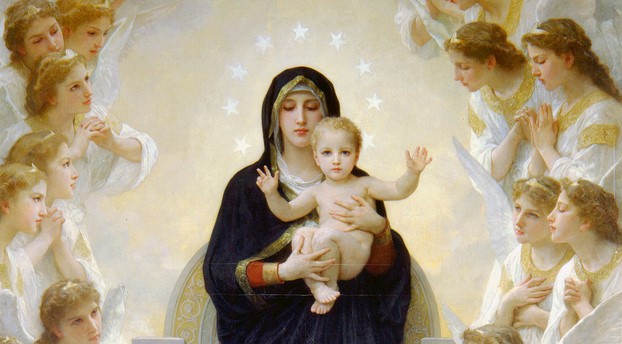
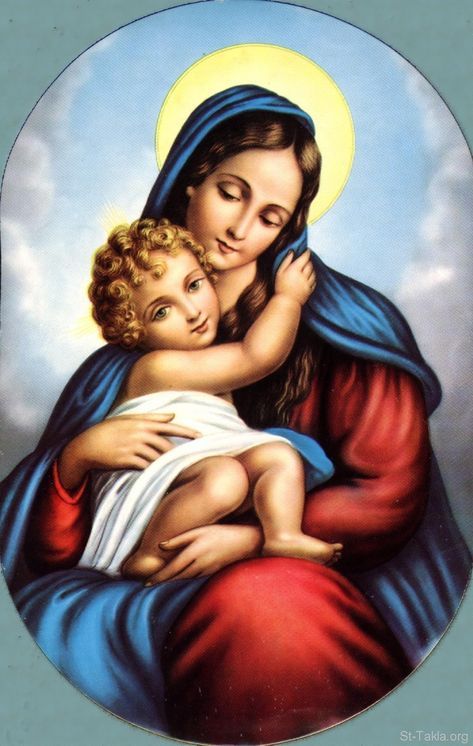
Mary, Mother of Sorrows: A Companion in Our Suffering
Updated at: 2023-08-05 13:19:39 (2 years ago by Melkisedeck Leon Shine)
Mary, Mother of Sorrows: A Companion in Our Suffering ๐๐
The Virgin Mary, Mother of God, holds a special place in the hearts of Christians around the world. ๐ Her unwavering faith and courage serve as a beacon of hope and inspiration for those navigating the trials and tribulations of life.
In times of suffering, we can turn to Mary as a compassionate companion on our journey. ๐น She understands our pain, having endured unimaginable sorrows throughout her life.
One example of Mary's profound suffering can be found in the biblical account of her standing at the foot of the Cross during Jesus' crucifixion. As Jesus hung there, she witnessed her beloved son's agony and death. Yet, even in the midst of her own heartbreak, she remained steadfast in her faith. ๐
The Catechism of the Catholic Church beautifully describes Mary's role as a companion in our suffering, stating, "In her acceptance of this sorrowful burden, Mary became the Mother of all the living." (CCC 964) ๐
Mary's sorrows did not end with the crucifixion. She experienced the pain of exile in Egypt, the anxiety of losing Jesus in the temple, and the sorrow of witnessing his brutal crucifixion. ๐บ These experiences allow her to empathize with us during our own times of sorrow.
Just as Mary was present with Jesus during his moments of suffering, she is also present with us in our own pain. Her compassion knows no bounds, and she intercedes for us before her Son, seeking comfort and healing for our wounded souls. ๐
The saints have also recognized Mary's role as a companion in suffering. Saint Alphonsus Liguori once said, "The sorrows of Mary were the martyrs of her heart." ๐ Her deep love for humanity led her to share in our pain, offering solace and understanding.
Mary's willingness to embrace her sorrows serves as an example for us all. ๐น She teaches us that in our own suffering, we can find meaning and purpose if we unite our pain with the redemptive suffering of Christ on the Cross.
The Rosary, a powerful devotion in the Catholic Church, offers us a way to meditate on the sorrows of Mary. Through the Sorrowful Mysteries, we can reflect on her journey of suffering and find solace in her company. ๐ฟ
The Gospel of Luke tells us that Mary treasured and pondered all these things in her heart (Luke 2:19). As we face our own trials, we can follow in Mary's footsteps by entrusting our sorrows to her and allowing her to lead us closer to her Son.
Pope Francis has often spoken about the importance of turning to Mary in our times of need. In his encyclical "Lumen Fidei," he writes, "In the faith of the Virgin Mary, we find a model of how to communicate with God when darkness sets in." ๐
The Catholic Church holds a deep reverence for Mary, recognizing her as the Mother of God and the Queen of Heaven. Her maternal love extends to all of humanity, and she intercedes for us with her Son, Jesus Christ. ๐น
Through her sufferings, Mary teaches us perseverance, trust, and surrender to God's will. She reminds us that even in the midst of our pain, there is hope and redemption.
So, dear reader, when you find yourself in the midst of suffering, remember that Mary is there to accompany you. Turn to her in prayer, pour out your heart to her, and allow her to guide you closer to her Son. ๐
What are your thoughts on Mary, the Mother of Sorrows? How has she been a companion in your own journey of suffering? Share your experiences and insights below. ๐น๐ค
Updated at: 2023-08-05 13:19:31 (2 years ago by Melkisedeck Leon Shine)
The Blessed Virgin Mary: A Channel of God's Grace
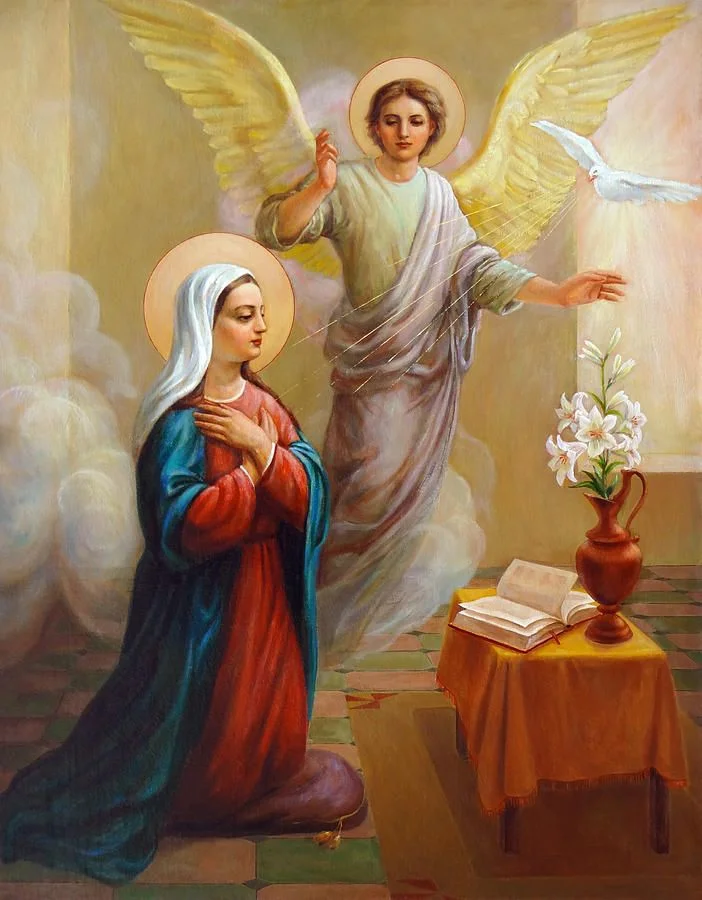
"Hail Mary, full of grace, the Lord is with thee!" These words, spoken by the angel Gabriel, forever changed the course of human history. ๐
The Virgin Mary, the mother of Jesus, holds a special place in the hearts of Catholics around the world. She is seen as a channel of God's grace, a vessel through which His love and blessings flow. ๐น
In the Bible, we see numerous examples of Mary's role as a channel of God's grace. From the moment of the Annunciation, when she humbly accepted God's plan for her life, to the wedding at Cana, where she interceded on behalf of the newlyweds, Mary's presence was a source of blessing. ๐
One of the most profound biblical examples of Mary's role as a channel of God's grace can be found in the Magnificat, her beautiful prayer of praise and thanksgiving. In Luke 1:46-55, Mary proclaims, "My soul magnifies the Lord, and my spirit rejoices in God my Savior." This prayer reminds us that Mary's faith and trust in God allowed her to be open to His grace and love. ๐
The Catechism of the Catholic Church teaches us that Mary is "the Mother of God" and "the model of the Church's faith." She is not only the physical mother of Jesus, but also the spiritual mother of all believers. Through her maternal intercession, she brings us closer to her son and helps us grow in holiness. ๐บ
Throughout history, countless saints and theologians have recognized the important role of Mary in our spiritual journey. St. Louis de Montfort, for example, wrote extensively about Mary's role as a channel of God's grace in his book "True Devotion to Mary." He encourages us to entrust ourselves to Mary's care, knowing that she will lead us closer to Jesus. โค๏ธ
The devotion to the Blessed Virgin Mary is deeply rooted in the Catholic tradition. From the earliest centuries, Christians have looked to Mary as a source of comfort, guidance, and intercession. Her gentle presence and unwavering faith are a shining example for all believers. โช
Mary's unique role as the Mother of God sets her apart from any other human being. She was chosen by God to be the vessel through which His Son would enter the world, bringing salvation to all. As Catholics, we deeply honor and love Mary, recognizing her as a powerful advocate and intercessor before God. ๐
In the words of St. Bernard of Clairvaux, a great medieval saint, "Of Mary there is never enough." This simple yet profound statement reminds us that Mary's love and grace are limitless. No matter how much we turn to her, she always has more to give. ๐ท
The Rosary, a beloved Catholic prayer, is a beautiful way to honor and seek the intercession of the Blessed Virgin Mary. Through meditating on the mysteries of Christ's life, death, and resurrection, we unite ourselves with Mary and open our hearts to God's grace. ๐ฟ
The Catholic Church teaches that Mary's role as a channel of God's grace is not limited to the past. She continues to intercede for us and bring us closer to her Son in the present. Just as she stood at the foot of the cross, offering her love and support to Jesus, she stands with us in our joys and sorrows today. ๐น
As Christians, we are called to imitate Mary's faith, humility, and love for God. Just as she said "yes" to God's plan for her life, we too must surrender ourselves to His will and trust in His providence. Mary shows us that through our openness to God's grace, miracles can happen. ๐
The devotion to Mary is not meant to detract from our worship of God, but rather to enhance it. She leads us closer to her Son, pointing us always towards Jesus. In the words of Pope Francis, "The Church is like Mary, her mother and model: a Church that is a mother, that has children, that has a mother's heart." ๐
In conclusion, the Blessed Virgin Mary is indeed a channel of God's grace. Her complete trust in God, her unwavering faith, and her motherly love make her a powerful intercessor on our behalf. Let us turn to her with confidence, knowing that she will guide us closer to her Son and shower us with God's abundant grace. ๐
What are your thoughts on the Blessed Virgin Mary as a channel of God's grace? How has her presence influenced your spiritual journey? Share your reflections and experiences in the comments below. ๐
Updated at: 2023-08-05 13:20:31 (2 years ago by Melkisedeck Leon Shine)
๐Mary, Mother of God: Our Guide to Eternal Joy๐
๐น Introduction: The significance of Virgin Mary in Christian Catholicism cannot be overstated. Throughout history, she has been venerated as the Mother of God and the perfect model of faith and virtue. Let us explore how Mary, our beloved guide, can lead us to eternal joy.
๐๐ผ Mary's Immaculate Conception: Unlike any other human being, Mary was conceived without the stain of original sin, making her the perfect vessel for carrying and nurturing the Son of God. Her purity and holiness set her apart.
๐ Mary as the Mother of God: Mary's divine motherhood is a cornerstone of the Christian faith. The Bible clearly states in Luke 1:43, "And why is this granted me, that the mother of my Lord should come to me?" Mary's unique role as the Mother of Jesus emphasizes her closeness to God and her intercessory power.
๐ Mary's Fiat: In Luke 1:38, Mary humbly accepts God's plan for her life, saying, "Behold, I am the handmaid of the Lord; let it be to me according to your word." Her complete surrender to God's will teaches us the importance of trust, obedience, and humility in our own lives.
๐น Mary as Our Intercessor: Just as Mary interceded on behalf of the couple at the wedding in Cana, she continues to intercede for us before her Son, Jesus. The Catechism of the Catholic Church beautifully states in paragraph 2677, "By asking Mary to pray for us, we acknowledge ourselves to be poor sinners and we address ourselves to the 'Mother of Mercy', the All-Holy One."
๐๏ธ Mary's Role in Salvation: Mary's "yes" to God's plan brought salvation to the world. Through her cooperation, Jesus Christ, our Savior, was born. She is truly the Mother of our redemption, and her unwavering faith inspires us to draw closer to Christ.
๐ A Life of Virtue: Mary's life was a shining example of holiness and virtue. She exhibited qualities such as purity, humility, compassion, and obedience. As we strive to live a Christ-centered life, we can turn to Mary as a guide in cultivating these virtues.
๐บ Mary and the Rosary: The Rosary is a powerful prayer that allows us to meditate on the life of Jesus through the eyes of Mary. By praying the Rosary, we deepen our relationship with Christ and draw closer to our Heavenly Mother.
โช Mary and the Church: Mary has a special place in the heart of the Church. She is the perfect model of discipleship and an example of faithfulness to God's mission. As we navigate our spiritual journey, we look to Mary as a guide and advocate.
๐ Marian Apparitions: Throughout history, Mary has appeared to various individuals, delivering messages of hope, repentance, and conversion. These apparitions serve as a reminder of Mary's maternal love for us and her desire to lead us to eternal joy.
๐ Saints' Devotion to Mary: Numerous Catholic saints have expressed their deep devotion to Mary. St. Louis de Montfort, for example, wrote extensively about consecration to Mary and the benefits of entrusting oneself to her care.
๐น Mary as Our Mother: Jesus, while on the cross, entrusted Mary to the care of the beloved disciple, saying, "Behold, your mother" (John 19:27). In that moment, Mary became our spiritual mother, guiding and nurturing us in our journey towards Heaven.
๐๐ผ The Prayers of Mary: Mary's prayers are powerful and efficacious. Just as she interceded for the wedding couple at Cana, she intercedes for us in our time of need. Let us turn to her with confidence, knowing that she will bring our petitions before her Son.
๐ Mary's Love for All: Mary's love extends to all of humanity, regardless of our shortcomings or sins. She invites us to approach her with childlike trust, knowing that she will lead us to her Son, who is the source of eternal joy.
๐ Conclusion: Mary, Mother of God, is a guiding light in our journey towards eternal joy. Through her example, intercession, and love, she leads us closer to Jesus. Let us embrace her motherly care and seek her guidance as we strive to live a life pleasing to God.
๐น What are your thoughts on the immense love and guidance that Mary, Mother of God, provides for us? How has she influenced your spiritual journey? Share your thoughts and experiences below! ๐๐ผ
Updated at: 2023-08-05 13:19:23 (2 years ago by Melkisedeck Leon Shine)
The Rosary: A Powerful Prayer Honoring Mary ๐น๐ซ
Introduction: The Rosary is a beautiful and powerful prayer that holds a special place in the hearts of millions of Catholic Christians around the world. ๐โจ It is a prayer that encompasses the life and teachings of Jesus Christ through the intercession of the Blessed Virgin Mary, the Mother of God. ๐โค๏ธ In this article, we will explore the significance of the Rosary and why it is considered a powerful means of honoring Mary.
The Rosary as a Devotion to Mary: The Rosary is not only a prayer, but also a devotion that encapsulates deep love and reverence for the Blessed Virgin Mary. ๐ฟ๐ Catholics believe that Mary, as the Mother of God, holds a special place in salvation history and plays a vital role in the lives of believers. ๐ By praying the Rosary, we honor Mary's role in the life, death, and resurrection of her son, Jesus.
Biblical Basis for Honoring Mary: The honor and veneration given to Mary in the Rosary can be found in various biblical passages. One such example is the Annunciation, where the angel Gabriel greets Mary with the words, "Hail, full of grace, the Lord is with you" (Luke 1:28). ๐๏ธ This indicates that Mary was chosen by God to bear the Son of God, making her worthy of our veneration and honor.
The Joyful Mysteries: The Rosary is divided into four sets of mysteries: the Joyful, Sorrowful, Glorious, and Luminous. The Joyful Mysteries focus on the joyful events in the life of Jesus and Mary, such as the Annunciation, the Visitation, and the Birth of Jesus. By meditating on these mysteries while praying the Rosary, we deepen our understanding of the profound love and joy that Mary experienced as the mother of Jesus. ๐๐
The Sorrowful Mysteries: The Sorrowful Mysteries invite us to meditate on the suffering and sacrifice of Jesus, as well as the immense sorrow that Mary endured as she stood at the foot of the Cross. Through these mysteries, we express our gratitude to Mary for her unwavering faith and strength in the face of immense pain and loss. ๐น๐
The Glorious Mysteries: The Glorious Mysteries bring to mind the triumph of Jesus over death and the glory of His Resurrection. They also remind us of Mary's participation in the joy of her Son's victory. As we reflect on these mysteries, we honor Mary's role as the first disciple and her unwavering faith in the promise of eternal life. ๐โจ
The Luminous Mysteries: The Luminous Mysteries were added to the Rosary by Pope Saint John Paul II in 2002. These mysteries shed light on the public ministry of Jesus, including His baptism, the Wedding at Cana, and the proclamation of the Kingdom of God. Through these mysteries, we honor Mary's presence and support throughout Jesus' ministry, as she played an integral role in His mission. ๐ซ๐
The Rosary as a Powerful Prayer: Praying the Rosary is not only a means of honoring Mary but is also a powerful prayer that brings us closer to Jesus. The repetition of the Hail Marys allows us to enter into a state of deep meditation and contemplation, fostering a sense of peace and connection with God. ๐๐ซ The Rosary has been known to bring comfort, solace, and strength to those who pray it with a sincere heart.
The Intercession of Mary: In Catholic theology, Mary is believed to intercede for us and bring our prayers before her Son, Jesus. This belief is rooted in her unique role as the Mother of God and her unwavering faith. Through the Rosary, we ask Mary to intercede for us, to guide us, and to help us grow in our relationship with Christ. ๐น๐
The Catechism of the Catholic Church: According to the Catechism of the Catholic Church, the Rosary is a form of prayer that brings about the following spiritual benefits: "among the Roman Catholic faithful, [it] occupies a place of honor because it favors the meditation of the Gospel in union with Mary, who was more intimately united with her son Jesus." (CCC 2708) ๐๐ฟ
Saints and the Rosary: Throughout history, numerous saints have testified to the power and efficacy of the Rosary. Saint Padre Pio once said, "The Rosary is the weapon for these times." ๐ก๏ธ๐ซ Saints such as Saint Dominic, Saint Louis de Montfort, and Saint Teresa of Calcutta were known for their devotion to the Rosary and attributed many graces and blessings to its practice.
Conclusion: The Rosary is a beautiful and powerful prayer that allows us to honor Mary, the Mother of God, while deepening our relationship with Jesus. It is a devotion that invites us to meditate on the mysteries of Christ's life, death, and resurrection, with the loving guidance of Mary. ๐น๐๏ธ Praying the Rosary brings us peace, strength, and a deeper understanding of God's love for us. Have you experienced the power of the Rosary in your spiritual journey? Share your thoughts and experiences below! ๐โค๏ธ
Updated at: 2023-08-05 13:20:27 (2 years ago by Melkisedeck Leon Shine)
The Significance of Marian Dogmas in Catholic Theology
๐ Introduction: The Virgin Mary holds a special place in the heart of every Catholic believer. As the Mother of God, her role in salvation history is profound and her impact on Catholic theology cannot be overstated. In this article, we will delve into the significance of Marian dogmas in Catholic theology, exploring their biblical and historical basis, and understanding their importance in our spiritual journey.
1๏ธโฃ The Immaculate Conception: One of the most cherished Marian dogmas is the belief that Mary was conceived without original sin. This emphasizes her purity and sets her apart as the vessel chosen by God to bring forth His Son into the world. It is a testament to God's grace and the unique role Mary played in our salvation.
2๏ธโฃ Biblical Basis: Although the term "Immaculate Conception" is not explicitly mentioned in the Bible, its roots can be found in the angel Gabriel's greeting to Mary in Luke 1:28. He addresses her as "full of grace," indicating her sinlessness from the moment of her conception. This belief was further developed and defined by the Church over time.
3๏ธโฃ Perpetual Virginity: Another important Marian dogma is the belief that Mary remained a virgin before, during, and after the birth of Jesus. This affirms her unique role as the Mother of God and upholds her perpetual purity. Mary's virginity reflects her complete dedication to God and her immaculate character.
4๏ธโฃ Biblical Examples: The perpetual virginity of Mary is supported by biblical evidence. In Matthew 1:18, it is stated that Joseph did not have any marital relations with Mary until she gave birth to Jesus, implying that they did not have sexual relations afterwards. This highlights the divine nature of Jesus' conception and the uniqueness of Mary's motherhood.
5๏ธโฃ The Assumption: The Assumption of Mary teaches that at the end of her earthly life, Mary was taken body and soul into heaven. This dogma highlights her exalted role as the Queen of Heaven and her participation in the resurrection of the body. It is a beautiful affirmation of Mary's close union with her Son.
6๏ธโฃ Catechism of the Catholic Church: The Catechism of the Catholic Church states, "The Assumption of the Blessed Virgin is a singular participation in her Son's resurrection and an anticipation of the resurrection of other Christians" (CCC 966). It reminds us of the hope we have in the resurrection and the promise of eternal life.
7๏ธโฃ Historical Basis: The belief in the Assumption of Mary has its roots in early Christian tradition and has been celebrated since the earliest centuries of the Church. It was officially proclaimed as a dogma by Pope Pius XII in 1950, solidifying the significance of this belief for Catholics worldwide.
8๏ธโฃ The Mother of God: One of the most fundamental beliefs about Mary in Catholic theology is her title as the Mother of God. This emphasizes her unique relationship with Jesus, who is both fully human and fully divine. Mary's role as the Mother of God displays her intimate connection with our Savior.
9๏ธโฃ Bible Verses: The title "Mother of God" can be traced back to the Council of Ephesus in 431 AD, where it was affirmed to combat heretical teachings. The Bible supports this title in Luke 1:43, when Elizabeth, filled with the Holy Spirit, proclaims, "And why is this granted to me that the mother of my Lord should come to me?"
๐ Devotion to Mary: Marian dogmas play a significant role in fostering devotion to the Virgin Mary. Catholics honor her as the greatest of all saints and seek her intercession in their prayers. This devotion brings comfort, guidance, and a deeper connection to Mary as a mother figure in our spiritual journey.
๐น Saints' Witnesses: Throughout history, countless saints have testified to the importance of Marian dogmas. They saw in Mary a powerful advocate, a source of inspiration, and a role model of faith. St. Maximilian Kolbe, for example, had a deep devotion to Mary and saw her as the perfect example of selfless love.
๐ A Divine Model: The significance of Marian dogmas in Catholic theology goes beyond mere theological debates. It is an invitation to follow Mary's example of faithfulness, humility, and surrender to God's will. Mary's "yes" to God's plan for her life serves as a model for us to say "yes" to God in our own lives.
โจ Conclusion: The Marian dogmas hold a special place in Catholic theology, affirming Mary's unique role in salvation history and her close relationship with her Son, Jesus. These dogmas remind us of the grace and love poured out upon Mary, and they invite us to deepen our devotion to her as a spiritual mother. What are your thoughts on the significance of Marian dogmas in Catholic theology? How has your relationship with Mary impacted your faith journey? Share your opinions and experiences below!
Updated at: 2025-06-21 14:42:26 (9 months ago by Melkisedeck Leon Shine)
Article Title: Mary: A Marian Christological Framework for Navigating Life's Adversities
Introduction: This article explores the multifaceted role of Mary, the Mother of Jesus, within Roman Catholic theology, examining her significance as a source of guidance and support in confronting life's challenges. Key concepts, such as Marian Christology, intercessory prayer, and the application of spiritual models like the Rosary, will be analyzed within the context of lived experience and theological frameworks. We will explore how Maryโs life and example, as understood through various theological doctrines and devotional practices, offer a path to spiritual resilience and growth.
Mary's Role within Marian Christology: Central to Roman Catholic understanding is the unique position of Mary as the Theotokos (God-bearer), the Mother of God. This christological foundation underpins her role as a model of faith and obedience. Mary's unwavering acceptance of God's will, as exemplified by her "fiat" ("let it be") at the Annunciation (Luke 1:38), serves as a paradigm of surrender and trust. This resonates with the theological concept of *kenosis*โthe self-emptying of Christโreflecting a mirroring of humility and devotion in Mary's life. Her virtues, often highlighted in Marian devotions, represent ideals of faith, hope, and charity, offering a practical model for Christian living. This model functions as a blueprint for cultivating spiritual virtues and confronting personal challenges within a faith-based framework.
The Efficacy of Marian Intercession: The Catholic Church teaches that Mary, as the Mother of God, occupies a unique position of privilege before God. This doctrine supports the concept of intercessory prayer to Mary, based on the understanding that she continues to advocate for humanity before her Son. This practice aligns with sociological theories of social support networks, where the perceived presence of a powerful advocate provides comfort and hope during times of hardship. The belief in Mary's intercession provides a form of emotional and spiritual sustenance, enabling individuals to navigate adversity with increased resilience. The wedding at Cana (John 2:1-11) serves as a pivotal example illustrating Mary's intercessory power and her concern for humanity's needs. Her intercession functions as a spiritual lifeline, facilitating communication with God through prayer and devotion. This aligns with psychological theories of attachment, where secure attachment figures provide support and encouragement.
The Rosary: A Structured Approach to Spiritual Growth: The Rosary, a traditional Catholic devotion, provides a structured framework for meditating on the life of Christ through the lens of Maryโs experiences. This structured prayer involves contemplative reflection on specific events (mysteries) in the lives of Jesus and Mary. This application of mindful prayer can be analyzed through cognitive behavioral therapy (CBT) principles, where focused contemplation allows individuals to regulate emotions and confront negative thought patterns. The repetitive nature of the prayers enhances meditative focus, enabling spiritual growth and fostering a deeper connection with God through Mary's intercession. The act of repeating prayers fosters mindfulness and tranquility, allowing for greater emotional self-regulation, a critical element in navigating challenges effectively.
Marian Apparitions and their Psychological and Sociological Impact: Throughout history, reported Marian apparitions have profoundly influenced individuals and communities. These apparitions, such as those at Lourdes and Fatima, often carry messages of hope, repentance, and faith. The sociological impact of these events is significant; they unite communities, promote prayer, and inspire acts of charity. From a psychological perspective, belief in these apparitions offers a sense of hope and divine guidance for those encountering adversity. The sense of community and shared spiritual experiences fosters a sense of belonging and support, aligning with social identity theory in reducing feelings of isolation and vulnerability.
Mary's Magnificat: A Testament to Faith and Humility: Mary's Magnificat (Luke 1:46-55) is a powerful hymn of praise that highlights themes of faith, humility, and God's justice. Its contemplative recitation allows for deeper introspection and a re-centering of one's perspective on adversity. The Magnificat's message can be viewed through a lens of positive psychology, reminding individuals of the potential for positive growth and transformation, even amid hardship. By embracing the themes of humility, gratitude, and faith, individuals can foster inner strength and resilience, which are essential in navigating lifeโs complexities. This reinforces the concept of meaning-making and positive coping strategies which are vital for psychological well-being.
Doctrinal Foundations: The Immaculate Conception and the Assumption: Two significant Marian dogmasโthe Immaculate Conception and the Assumptionโdeepen our understanding of Mary's role within salvation history. The Immaculate Conception asserts Mary's freedom from original sin, highlighting her unique role as Godโs chosen vessel. The Assumption emphasizes the bodily and spiritual glorification of Mary, foreshadowing the hope of resurrection for all believers. These doctrines provide a theological framework for contemplating spiritual ideals of holiness and transcendence. These provide powerful symbolic reminders of spiritual aspirations and the ultimate triumph of good over evil, offering hope and strength to individuals facing challenges.
Mary as Spiritual Mother: The concept of Mary as spiritual mother builds upon her role as the Mother of God, extending her maternal care to all believers. This resonates with the notion of spiritual mentoring and guidance, and offers a model for supportive relationships within the Christian community. The analogy of a maternal figure provides comfort and security, offering a sense of belonging and emotional securityโimportant elements in navigating difficult periods. This spiritual mothering extends emotional sustenance and guidance to individuals, bolstering their ability to persevere through difficulties. This aligns with attachment theory, indicating a supportive environment promotes healthier coping mechanisms.
Conclusion and Recommendations: Mary, as understood within the framework of Marian Christology, provides a rich source of inspiration and guidance for navigating life's challenges. Her life serves as a testament to faith, hope, and unwavering devotion to God's will. The practices of intercessory prayer, the Rosary, and contemplative reflection on Marian themes offer practical pathways to spiritual growth and resilience. Further research could explore the comparative effectiveness of these spiritual practices as coping mechanisms during times of hardship, comparing them to established secular therapeutic interventions. Examining the cultural and societal influences on Marian devotion across various contexts would also provide valuable insights. The integration of spiritual and psychological approaches to well-being holds considerable promise for supporting individuals experiencing adversity. This study encourages the application of Maryโs example as a practical model of virtue and spiritual resilience, providing comfort, hope, and strength for navigating lifeโs inherent complexities.
Reader Pool: How might integrating theological concepts like Marian Christology and intercessory prayer with established psychological and sociological frameworks provide more holistic support for individuals facing personal crises?
Updated at: 2023-08-05 13:19:53 (2 years ago by Melkisedeck Leon Shine)
Mary's Mediation: A Bridge to God's Grace
๐ Introduction
In the realm of Christianity, few figures hold as much reverence and devotion as the Virgin Mary, the Mother of God. She is a beacon of hope and a symbol of God's grace and love towards humanity. One aspect of Mary's role that devout Catholics hold dear is her ability to mediate between us and God. This article aims to explore the significance of Mary's mediation and how it can be a bridge to experiencing God's grace in our lives. ๐น๐๐ป
The foundation of Mary's mediation lies in her unique role as the Mother of God. This title, affirmed by the Church, signifies her intimate connection to Jesus Christ. Just as a mother can intercede for her child, Mary, as the Mother of God, holds a special place in interceding for us to her divine son. This bond allows her to guide us on our spiritual journey and direct our prayers towards Jesus. ๐ธโจ
One of the reasons why Mary's mediation is so powerful is her unwavering humility. In the Gospel of Luke, we witness Mary's humble acceptance of God's will when she says, "Behold, I am the handmaid of the Lord; let it be to me according to your word" (Luke 1:38). Her humble disposition serves as an inspiration for us to surrender ourselves to God's plan and seek her guidance in doing so. ๐๐บ
A prime example of Mary's mediation can be found in the Wedding at Cana. When the hosts ran out of wine, Mary interceded with Jesus on their behalf, saying, "They have no wine" (John 2:3). As a result, Jesus performed his first miracle, turning water into wine. This incident showcases Mary's ability to present our needs to Jesus and obtain his grace and blessings for us. ๐ทโจ
The Rosary is a cherished Catholic devotion that exemplifies Mary's mediation. By praying the Rosary, we enter into a profound spiritual experience, meditating on the life of Christ through the eyes of Mary. Each Hail Mary is a way to seek her intercession and invite her to connect us with Jesus. Through the Rosary, Mary becomes a bridge that leads us closer to God's grace. ๐ฟ๐น
Just as the Ark of the Covenant was a sacred vessel that carried the presence of God in the Old Testament, Mary is seen as the new Ark of the Covenant in the New Testament. The Catechism of the Catholic Church states, "By her complete adherence to the Father's will, to his Son's redemptive work, and to every prompting of the Holy Spirit, the Virgin Mary is the Church's model of faith and charity" (CCC 967). Mary's role as the New Ark emphasizes her capacity to intercede for us and bring us closer to God's grace. ๐๐๐ป
Throughout history, numerous Catholic saints have testified to the powerful intercession of the Virgin Mary. Saint Maximilian Kolbe, a martyr of Auschwitz, once said, "Never be afraid of loving the Blessed Virgin too much. You can never love her more than Jesus did." This demonstrates the deep love and devotion that saints have had towards Mary and the belief in her mediation as a means to experience God's grace. ๐โญ๏ธ
Mary's mediation is further affirmed through various approved apparitions and messages attributed to her. From Lourdes to Fatima, countless individuals have reported encounters with the Virgin Mary, where she imparts messages of love, mercy, and the importance of prayer. These apparitions serve as a reminder of Mary's ongoing role in mediating between us and God, leading us on the path to his grace. ๐ซ๐น
The Assumption of Mary is another aspect that emphasizes her unique role in God's plan. As declared by Pope Pius XII in 1950, Mary was assumed body and soul into heaven after her earthly life. This event highlights her special place in God's eternal plan and confirms her ability to intercede for us from the heavenly realms. The Assumption further solidifies Mary's role as the bridge to God's grace. ๐๐บ
The Catechism states that Mary's participation in the redemptive work of Christ makes her "a mother to us in the order of grace" (CCC 968). As members of the Mystical Body of Christ, we are united with Mary as our spiritual mother, and we can seek her intercession to experience God's grace in our lives. Mary's mediation becomes a channel through which God's abundant love and mercy flow. ๐โจ
Mary's intercession holds great power due to her intimate relationship with Jesus. Just as a child may beseech their loving mother for help, we can turn to Mary with trust and confidence, knowing that she always leads us to her Son. Through her intercession, we can obtain the graces we need to navigate life's challenges and experience the transformative power of God's love. ๐๐๐ป
๐น Conclusion
Mary's mediation is a precious gift bestowed upon us by God. Through her unique role as the Mother of God, her humility, and her unwavering love for humanity, she stands as a bridge that connects us to God's grace. By seeking her intercession, praying the Rosary, and contemplating her example, we open our hearts to receive the abundant blessings and love that God desires to bestow upon us. May we always turn to Mary as the loving mother she is, trusting in her mediation to lead us to God's everlasting grace. What are your thoughts on Mary's mediation? How has she played a role in your spiritual journey? ๐น๐
Updated at: 2025-06-20 23:53:04 (9 months ago by Melkisedeck Leon Shine)
```htmlIntroduction: This discourse examines the pivotal role of Mary, the Mother of God, within the framework of Christian theology, specifically her function as the "New Eve" in restoring humanity's fractured relationship with the divine. Key concepts such as the Immaculate Conception, the doctrine of original sin, and the concept of theosis (deification) will be explored to illuminate Mary's significance. We will analyze her actions and titles as presented in scripture and tradition, illustrating their theological implications and practical application for the believer.
The Immaculate Conception and Original Sin: The doctrine of the Immaculate Conception posits that Mary was conceived without original sin, a state unique among humanity. This theological construct, rooted in the belief in the inherent corruption of human nature since the Fall, highlights Mary's exceptional purity and suitability as the Theotokos (God-bearer). Original sin, as described by Augustine, is a state of spiritual corruption inherited from Adam and Eve, separating humanity from God. Mary's exemption from this condition renders her the ideal vessel for the incarnation of God's Son. This concept can be understood through the lens of Augustinian theology, emphasizing the radical nature of divine grace in overcoming humanityโs inherent weakness.
Mary's Fiat: Obedience and the Incarnation: Mary's response to the angel Gabriel's annunciation โ "Let it be to me according to your word" (Luke 1:38) โ is pivotal. Her "fiat," or complete surrender to God's will, represents the antithesis of Eve's disobedience in the Garden of Eden. This act of radical obedience is not merely passive compliance; it represents an active participation in God's redemptive plan, making her instrumental in the Incarnation. This act directly counters the disobedience of Eve, initiating the reversal of the Fallโs effects according to a soteriological perspective.
The Annunciation and the Reversal of the Fall: The Annunciation, mirroring the fall in the Garden of Eden, reveals a profound reversal. Where Eve's disobedience brought about sin and death, Mary's obedience ushered in salvation through the birth of Jesus Christ. This event can be analyzed using the Christological framework, emphasizing Jesusโ role as the โnew Adam,โ undoing the consequences of Adamโs actions. The juxtaposition of these two events underscores the transformative power of divine grace and the central role Mary played in the restoration of humanity.
Mary as the New Ark of the Covenant: In the Old Testament, the Ark of the Covenant symbolized God's presence among His people. Mary, as the Theotokos, becomes the "New Ark," carrying within her the incarnate Word of God. This metaphorical comparison emphasizes the sacredness and importance of Mary's role in mediating God's presence in the world. This parallels the Ark's importance in Old Testament narratives, highlighting the continuity of God's relationship with humanity through the covenants.
The Visitation: The Spreading of Grace: The Visitation narrative, where Mary visits her cousin Elizabeth, showcases Mary as a bearer of grace and sanctification. Elizabeth's recognition of Mary's blessedness signifies the transformative impact of Mary's obedience and the subsequent incarnation. This event highlights Maryโs role not just as the vessel for Christ but also as a conduit of divine grace to others, impacting those around her.
Mary's Intercession: Advocacy and Mediation: Mary's intercession, exemplified by her actions at the wedding at Cana, demonstrates her role as advocate and mediator before God. The belief in her ongoing intercession, rooted in her maternal relationship with Jesus, affirms her continued presence and influence in the lives of believers. This aspect of Maryโs role draws on the concept of intercession found throughout scripture and tradition, emphasizing the communal nature of prayer and the supportive role of the saints.
Mary as Our Mother: Spiritual Maternity and Guidance: Jesus entrusting Mary to John at the crucifixion (John 19:27) establishes Mary as the spiritual mother of humanity. This title underscores her continuous care, guidance, and protection of all believers. The concept of spiritual maternity offers solace and a profound sense of belonging within the faith community, providing a framework for understanding Maryโs ongoing role in the spiritual lives of individuals.
Mary, Queen of Heaven and Earth: Exalted Role and Reign: The title "Queen of Heaven and Earth" acknowledges Mary's exalted position and influence in the divine realm. This title reflects her unique relationship with Jesus and her participation in the eternal kingdom. It signifies Maryโs ultimate triumph over sin and death, and her role as intercessor in the Heavenly realm.
The Assumption: Bodily Glory and Hope for the Faithful: The dogma of the Assumption โ Mary's bodily assumption into heaven โ underscores her unique place in salvation history and offers hope of bodily resurrection for believers. This belief inspires a life oriented towards holiness and emphasizes the ultimate victory over death and decay, offering comfort and hope of future reunion with God.
Devotions to Mary: Rosary and Marian Piety: Devotional practices, such as the Rosary, strengthen the relationship between the believer and Mary, enhancing communion with God. The Rosary's structure allows for contemplative prayer focusing on pivotal events in Christ's life, reinforcing the bonds between Mary, Christ, and the faithful. These practices draw on established methods of spiritual formation and contemplation, supporting a deeper relationship with the divine.
The Catechism and Sainthood: Testimony and Tradition: The Catechism of the Catholic Church and the testimony of countless saints confirm Maryโs significance in salvation history, emphasizing the consistency of her role within Catholic teaching and practice. These attestations provide a rich tapestry of theological reflections and lived experiences, deepening the understanding of Maryโs role and impact on Christian belief.
Conclusion and Recommendations: Mary's role as the New Eve is not simply a historical narrative; it offers a powerful spiritual framework for understanding God's grace and humanityโs redemption. Her obedience, purity, and unwavering faith present a model for Christian living, while her intercession offers comfort and support to believers. Further research could explore the comparative analysis of Maryโs role across different Christian denominations, examining the variations in interpretations and impact on community practices. Additionally, comparative studies of Marian devotion in different cultural contexts could yield rich insights into the adaptability and enduring relevance of Mary's role across various societies and times. The implications for contemporary spirituality are significant, offering a path toward a deeper relationship with God through Maryโs example and intercession.
Reader Pool: Considering Mary's multifaceted roles within Christian theology, how might a reassessment of her symbolic significance contribute to a more nuanced understanding of the broader narrative of salvation?
```
Updated at: 2023-08-05 13:19:16 (2 years ago by Melkisedeck Leon Shine)
Title: How Mary's Faith Empowers Us Today
Introduction: In the realm of Christian spirituality, the figure of Mary, the Mother of God, holds a special place. Her unwavering faith and devotion continue to inspire and empower believers even to this day. As a devout Roman Catholic, I am deeply moved by Mary's profound influence in my spiritual journey. In this article, we will explore fifteen points on how Mary's faith continues to empower us in our daily lives. ๐โค๏ธ
Mary's Obedience to God's Will: Mary's unwavering obedience to God's will, as demonstrated in the Annunciation, serves as a powerful example to us all. Her response, "Let it be done to me according to your word" (Luke 1:38), teaches us the importance of surrendering to God's plan for our lives. ๐
Her Role as the Mother of God: Mary's unique role as the Mother of God allows us to approach her with our prayers and concerns. Just as a mother cares for her children, Mary intercedes for us before her Son, Jesus. She is our heavenly advocate and source of comfort. ๐น๐
Mary's Humility: Despite her exalted status, Mary's humility shines through in her Magnificat (Luke 1:46-55). Her recognition that "all generations will call me blessed" (Luke 1:48) showcases her deep understanding of God's grace and her willingness to be a humble servant. ๐๏ธ
The Power of Mary's Intercession: Throughout history, countless miracles have been attributed to Mary's intercession. By seeking her guidance and asking for her prayers, we tap into a powerful source of spiritual assistance. Mary's intercession strengthens our faith and provides comfort in times of need. ๐๐ซ
Mary's Example of Purity: Mary's perpetual virginity is a testament to her purity and devotion to God. Her immaculate heart serves as an inspiration for us to strive for purity in our thoughts, words, and actions. Mary teaches us to guard our hearts and seek holiness in all aspects of life. ๐บโจ
The Gift of Motherly Love: As a mother, Mary's love extends to all humanity. She embraces us as her children, offering comfort, compassion, and guidance. Just as Mary cared for Jesus, she cares for each of us, nurturing our spiritual growth and leading us closer to her Son. ๐น๐ค
Mary's Resilience in Suffering: Mary's unwavering faith was evident in her presence at the foot of the cross during Jesus' crucifixion (John 19:25-27). Despite unimaginable pain and sorrow, Mary's strength and trust in God's plan inspire us to persevere through our own trials and tribulations. ๐๏ธ๐ข
The Joyful Mysteries: Meditating on Mary's joyful mysteries, such as the Annunciation and the Nativity, fills our hearts with joy and hope. By reflecting on these moments of Mary's life, we are reminded of the joy that comes from embracing God's plan and allowing Him to work in our lives. ๐๐
The Assumption of Mary: The Assumption of Mary into heaven, body and soul, affirms her special place in salvation history. It reminds us that as faithful disciples, we too have the hope of eternal life with God. Mary's assumption encourages us to live our lives in a way that leads us to heaven. ๐๐
Mary's Role as Our Spiritual Mother: In his final moments on the cross, Jesus entrusted Mary to humanity, saying, "Woman, behold your son" (John 19:26). This act establishes Mary as our spiritual mother, guiding and nurturing us in our journey of faith. She leads us closer to her Son, providing spiritual nourishment along the way. ๐น๐ช
The Rosary and Mary's Loving Presence: The rosary, a powerful prayer devoted to Mary, allows us to meditate on the significant moments of Jesus' life. Through the recitation of the rosary, Mary's loving presence surrounds us, bringing us peace, strength, and clarity. ๐ฟ๐
Mary's Fiat as a Model of Trust: Mary's fiat, her "yes" to God's plan, teaches us the importance of trust and surrender in our own lives. By emulating her example, we learn to place our complete trust in God's providence and surrender our own desires to His perfect will. ๐๐ซ
Mary's Perseverance in Prayer: Mary's persistence in prayer, as seen in her intercession at the wedding at Cana (John 2:1-11), reminds us of the power of prayer and the importance of turning to Mary for guidance in our own prayer lives. ๐น๐
The Miraculous Medal and Mary's Protection: The Miraculous Medal, given to Saint Catherine Labourรฉ by the Blessed Virgin Mary, serves as a tangible reminder of Mary's protective presence in our lives. Wearing or carrying this medal symbolizes our trust in Mary's intercession and her maternal care. ๐๐ต
Our Lady of Guadalupe and Mary's Universal Love: The apparition of Our Lady of Guadalupe in Mexico demonstrates Mary's universal love for all people. As the patroness of the Americas, Mary's message of love and unity transcends cultures, languages, and borders, reminding us that we are all part of one global family. ๐โค๏ธ
Conclusion: Mary's faith continues to inspire and empower us today, as we strive to live out our Christian calling. Her unwavering devotion, intercession, and loving presence in our lives provide comfort, strength, and guidance. As a fellow believer, I encourage you to reflect on Mary's example and invite her into your own spiritual journey. How has Mary's faith impacted your life? Share your thoughts and experiences in the comments below. ๐น๐โจ
Updated at: 2025-06-21 23:06:30 (9 months ago by Melkisedeck Leon Shine)
Introduction: Defining Key Concepts
This discourse examines the multifaceted role of Mary, Mother of God, within the Catholic Church, focusing on her function as a unifying figure. We will explore her theological significance, drawing upon biblical accounts, ecclesiological pronouncements, and the lived experiences of Catholic believers. Key concepts underpinning this analysis include Mariology (the theological study of Mary), Ecclesiology (the study of the Church), and the application of Social Identity Theory to understand the unifying aspects of shared religious beliefs and practices. Furthermore, the concept of intercession, Mary's role in mediating between God and humanity, will be central to this exploration.
Mary's Theological Significance and Her Role in Salvation History
Catholic theology posits Mary's unique role in salvation history, beginning with the Annunciation (Luke 1:28). The angel Gabriel's greeting, "Hail, full of grace," underscores Mary's divinely chosen status as the Theotokos, the "God-bearer." This pivotal event, interpreted through the lens of incarnational theology, highlights the divine initiative in human salvation, manifested through Mary's consent. Her subsequent Magnificat (Luke 1:46-55), a hymn of praise reflecting both humility and profound faith, further illustrates her integral role in God's redemptive plan. Analyzing Mary's response through the framework of virtue ethics reveals her exemplary qualities of faith, hope, and charity.
The Proclamation of Mary as "Mother of the Church" and its Ecclesiological Implications
Pope Paul VI's 1964 declaration of Mary as "Mother of the Church" (Mater Ecclesiae) significantly enhances her ecclesiological status. This title transcends a purely symbolic role, signifying her active participation in the life of the Church. Her maternal care, as depicted in the Gospels, extends beyond her earthly relationship with Jesus to encompass all believers. Understanding this through the prism of sacramental theology illuminates Mary's role as a mediator of grace, facilitating a closer relationship between humanity and God. Applying the concept of spiritual motherhood, we see Mary not just as the mother of Christ, but as the mother of the faithful, guiding and nurturing the Church.
Mary as a Unifying Force: Devotion, Intercession, and the Lived Experience of Faith
Mary's role as a unifying force within the Catholic faith stems from her position as a pivotal figure in salvation history and her continuous intercession for the faithful. Devotional practices, such as the Rosary and the Hail Mary, foster a sense of shared identity and communal spirituality amongst Catholics. These practices function according to the social identity theory where shared beliefs and rituals create a sense of belonging and cohesiveness. The powerful narratives surrounding Marian apparitions, from Guadalupe to Lourdes, further solidify her presence and generate a sense of collective faith and hope, emphasizing the relational aspect of spiritual life. Analyzing Marian apparitions through a sociological lens can offer insights into their impact on collective belief systems and cultural identity.
Mary's Influence on Spiritual Formation: Holiness, Obedience, and the Example of Fiat
Mary's life embodies a profound example of holiness, obedience, and trust in Godโs will, as evident in her fiat, her "yes" to God's plan (Luke 1:38). Her unwavering faith serves as a powerful model for spiritual growth and a testament to the transformative power of divine grace. Analyzing her actions through the lens of spiritual formation, specifically models of spiritual disciplines and growth, we see the impact of her complete surrender to God's will on her life and how it serves as a pattern for believers. Her example inspires personal transformation by encouraging the adoption of faith, humility, and devotion to God's will, which can be interpreted through various theological frameworks of virtue and transformation.
Mary's Role in the Eucharist and the Ongoing Presence of Christ
Mary's intimate connection to the Eucharist underscores her profound role in the Catholic faith. Just as she bore Jesus in her womb, she is believed to spiritually participate in every celebration of the Mass. This connection emphasizes the Real Presence of Christ, fostering a deeper understanding of the Eucharist's centrality to Catholic life. Analyzing this connection through the lens of eucharistic theology, we find that Mary's presence at the Mass underscores the importance of the sacramental life and deepens the meaning of Christ's sacrifice.
Conclusions and Recommendations
Mary, Mother of the Church, serves as a powerful unifying figure within Catholicism. Her theological significance, as established through scriptural analysis and ecclesiological pronouncements, provides a foundation for understanding her ongoing role in the Churchโs life. Her maternal role, manifested in various devotional practices and the shared faith of believers, fosters a sense of community and belonging. Further research could explore the cross-cultural impact of Marian devotion, exploring how Maryโs role as a unifying figure transcends different socio-cultural contexts. Additionally, research into the psychological and sociological effects of Marian devotion on the mental and emotional wellbeing of individuals would be beneficial. Finally, examining how the concept of spiritual motherhood is interpreted and applied in diverse theological traditions and communities can broaden our understanding of her unifying role across different religious backgrounds.
Reader Pool:
Considering the multifaceted nature of Mary's role within Catholic theology, how might a deeper exploration of her significance contribute to fostering unity and dialogue within and beyond the Catholic Church?