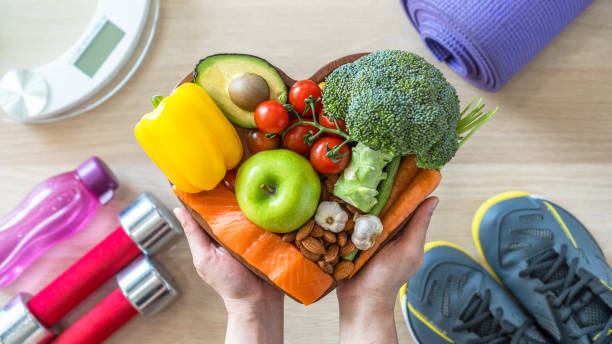
15 Self-Love Strategies for a Positive Body Image
Updated at: 2025-03-01 19:52:48 (1 year ago by Melkisedeck Leon Shine)
In a world obsessed with unrealistic beauty standards, cultivating a positive body image is a powerful act of self-love. This isn't about conforming to societal expectations; it's about celebrating your unique beauty and appreciating your body for its incredible capabilities and inherent worth. This comprehensive guide provides fifteen practical steps to help you develop a healthier, more positive relationship with yourself, fostering self-acceptance and confidence.
Embracing your body is a journey, not a destination. Challenges will arise, but consistent self-compassion and these actionable strategies will empower you to navigate them with resilience and grace. Let's embark on this transformative journey together.
Celebrate Your Body's Functionality: Shift your focus from aesthetics to the amazing things your body can do. Appreciate its strength, resilience, and capacity for movement, creativity, and connection. Acknowledge its power, not just its appearance.
Cultivate a Positive Digital Ecosystem: Consciously curate your online experience. Follow body-positive influencers and accounts that champion self-acceptance and showcase diverse representations of beauty. Unfollow any accounts that trigger negative self-comparison or promote unrealistic ideals.
Prioritize Self-Care as a Non-Negotiable: Self-care isn't selfish; it's vital for your well-being. Integrate regular practices that nourish your mind and body β a soothing bath, a rejuvenating yoga session, mindful time in nature. Make self-care a consistent part of your routine.
Challenge and Replace Negative Self-Talk: Negative thoughts about your body are often deeply ingrained. Actively challenge these thoughts by replacing them with positive affirmations and self-compassionate statements. Begin with small steps and gradually build your self-love.
Dress to Express Your Authentic Self: Clothing is a powerful tool for self-expression. Wear clothes that make you feel comfortable, confident, and truly reflect who you are. Let your style showcase your individuality and celebrate your unique personality.
Focus on Your Strengths and Achievements: Instead of fixating on perceived flaws, highlight your talents, skills, and accomplishments. Celebrate your unique strengths and acknowledge your achievements, both large and small. This reinforces your self-worth and builds confidence.
Nurture a Supportive Community: Surround yourself with individuals who love and support you unconditionally. Their positive influence will reinforce your self-worth and provide a safety net during challenging times. Choose your connections wisely.
Practice Mindfulness and Gratitude Daily: Take time each day to appreciate your body and all it does for you. Practice gratitude for your health, strength, and resilience. This mindful approach fosters self-acceptance and appreciation.
Engage in Activities that Bring You Joy: Pursue activities that spark joy and a sense of accomplishment. Whether it's dancing, painting, playing sports, or anything that ignites your passion, engaging in hobbies boosts self-esteem and fosters a positive self-image.
Resist the Trap of Social Comparison: Remember that everyone's journey is unique. Comparing yourself to others is a path to unhappiness. Focus on your own progress and celebrate your individuality. Your journey is your own.
Practice Intuitive Eating for Nourishment: Listen to your body's hunger and fullness cues. Nourish yourself with foods that energize and sustain you. Avoid restrictive diets that can negatively impact your body image and self-esteem. Focus on nourishing your body, not depriving it.
Reject Unrealistic Beauty Standards: Actively challenge unrealistic beauty standards by embracing diversity and celebrating all body shapes, sizes, and colors. Beauty exists in all its forms, and societal standards are often limiting and unrealistic.
Recognize Your Inherent Worth: Your worth is not determined by your physical appearance. Focus on cultivating your personality, talents, and skills. Invest in your personal growth and discover the multifaceted beauty within you. You are inherently valuable.
Create a Visually Positive Environment: Surround yourself with positive reminders of self-love and acceptance. Create a vision board, display inspirational quotes, or use positive affirmations as your screensavers. Let your environment support your self-love journey.
Seek Professional Guidance When Needed: If you're struggling with body image issues or self-esteem, don't hesitate to seek professional help. A therapist or counselor can provide invaluable support and guidance on your path to self-acceptance.
Embracing a positive body image is a continuous process of self-discovery and self-acceptance. Be patient with yourself, celebrate your progress, and remember that you are worthy of love and acceptance, precisely as you are. Share your journey and inspire others by sharing your experiences in the comments below.
Updated at: 2023-08-05 22:26:19 (2 years ago by Melkisedeck Leon Shine)
The Link Between Weight Management and Mental Health
In today's fast-paced and stress-filled world, maintaining a healthy weight can often feel like an uphill battle. But did you know that there is a strong link between weight management and mental health? As AckySHINE, a health and wellness expert, I am here to shed light on this important connection and provide you with valuable advice on how to improve both your physical and mental well-being. So, let's dive right in and explore the fascinating relationship between weight management and mental health.
π It's no secret that a healthy weight is crucial for overall well-being. Excess weight can lead to a myriad of health issues, such as heart disease, diabetes, and joint problems. But what many people fail to realize is that being overweight or obese can also have a significant impact on mental health.
π§ Numerous studies have shown a strong association between obesity and mental health disorders such as depression, anxiety, and low self-esteem. It's a vicious cycle - poor mental health can lead to overeating and weight gain, which in turn exacerbates mental health issues.
π On the flip side, maintaining a healthy weight can have a positive impact on mental health. Regular exercise releases endorphins, also known as the "feel-good" hormones, which can help alleviate symptoms of depression and boost overall mood.
π‘ Additionally, losing weight and achieving a healthier body can boost self-confidence and improve self-esteem. When you feel good about yourself physically, it's easier to feel good mentally as well.
πββοΈ Exercise is not only beneficial for weight management but also for mental health. Engaging in physical activity increases blood flow to the brain, promoting better cognitive function and reducing the risk of cognitive decline.
π½οΈ A healthy, balanced diet is essential for weight management and mental health. Nutrient-rich foods provide the necessary fuel for our bodies and brains to function optimally.
π« However, it's important to remember that occasional indulgences are perfectly okay. Restrictive diets can be mentally draining and may even lead to disordered eating patterns. Balance is key!
π€ Quality sleep plays a vital role in both weight management and mental health. Lack of sleep has been linked to weight gain, increased cravings for unhealthy foods, and heightened stress levels.
π Stress is a common trigger for emotional eating, which can hinder weight management efforts. Finding healthy coping mechanisms for stress, such as meditation, deep breathing exercises, or engaging in hobbies, is crucial for maintaining a healthy weight and mental well-being.
π§ββοΈ Mindfulness practices, such as yoga or meditation, can also help improve body image and promote a positive relationship with food. By being more present in the moment, we can develop a better understanding of our bodies' needs and make healthier choices.
π± Social support is another important aspect of weight management and mental health. Surrounding yourself with a supportive network of friends and family can make the journey towards a healthier lifestyle more enjoyable and less overwhelming.
πͺ Building resilience is key when it comes to weight management and mental health. Acknowledge that setbacks may happen, but don't let them discourage you. Learn from them, adjust your approach if needed, and keep moving forward.
π€ Seeking professional help, such as a registered dietitian or therapist, can be incredibly beneficial on your journey towards weight management and improved mental health. These experts can provide personalized guidance and support tailored to your specific needs.
π Remember, the goal should always be progress, not perfection. Celebrate small victories along the way and be kind to yourself. You deserve to feel happy, healthy, and confident.
π€ Now, dear readers, what are your thoughts on the link between weight management and mental health? Have you noticed any changes in your own mental well-being when you prioritize a healthy weight? I would love to hear your experiences and opinions!
In conclusion, the link between weight management and mental health is undeniable. Taking care of our physical well-being goes hand in hand with nurturing our mental well-being. By adopting healthy habits, seeking support, and prioritizing self-care, we can achieve a balanced and fulfilling life. Remember, you are capable of achieving your goals, and you deserve to live a happy and healthy life.
Updated at: 2023-08-05 22:27:24 (2 years ago by Melkisedeck Leon Shine)
Body Image and Self-Esteem: Building a Strong Foundation
π Introduction: Hey there, beautiful souls! It's AckySHINE here, your go-to expert on all things related to body image and self-esteem. I wanted to take a moment and shed some light on this important topic that affects us all. In today's society, there is an immense pressure to conform to certain beauty standards, which often leads to low self-esteem and negative body image. But fear not, my friends, because I'm here to guide you on the path to building a strong foundation of body positivity and self-confidence. So let's dive right in, shall we?
π Understand the Impact: As AckySHINE, I advise you to first understand the impact that body image and self-esteem have on your overall well-being. The way you perceive yourself, both physically and mentally, can greatly affect your happiness and quality of life. When you have a positive body image and high self-esteem, you are more likely to feel confident, resilient, and capable of achieving your goals. On the other hand, negative body image and low self-esteem can lead to feelings of inadequacy, anxiety, and even depression. It's important to recognize the power these factors hold and take charge of nurturing a positive mindset.
π Embrace Your Uniqueness: One of the key steps in building a strong foundation of body image and self-esteem is learning to embrace your uniqueness. We are all beautifully unique individuals, and as AckySHINE, I recommend celebrating your own special qualities. It's time to let go of comparing yourself to others and instead focus on your own strengths and talents. Remember, the world would be a dull place if we were all the same. So, embrace your quirks, embrace your flaws, and embrace the magnificent person you are!
π Surround Yourself with Positivity: As AckySHINE, I believe in the power of positive surroundings. Surrounding yourself with positive influences can do wonders for your body image and self-esteem. Seek out friends and loved ones who uplift and support you, rather than tearing you down. Engage in activities that bring you joy and make you feel good about yourself. And don't forget the power of positive affirmations! Repeat empowering statements to yourself, like "I am beautiful," "I am worthy," and "I am enough." Surround yourself with positivity, and watch your self-esteem soar!
π Practice Self-Care: Self-care is a vital component in building a strong foundation of body image and self-esteem. Taking care of your physical and mental well-being is essential for nurturing a positive self-image. As AckySHINE, I recommend incorporating self-care activities into your daily routine. This can include anything from exercising regularly, eating nourishing foods, getting enough sleep, practicing mindfulness or meditation, and engaging in activities that bring you joy. Remember, self-care is not selfish; it's necessary for your overall happiness and confidence.
π Challenge Negative Thoughts: Negative thoughts can be a major roadblock to building a strong foundation of body image and self-esteem. As AckySHINE, I encourage you to challenge these thoughts and replace them with positive ones. Whenever a negative thought about your body or self-worth arises, acknowledge it and then consciously choose to replace it with a positive affirmation. For example, if you catch yourself thinking, "I'm so fat," replace it with, "I am beautiful just the way I am." Practice this regularly, and you'll find that your mindset and self-esteem gradually improve.
π Set Realistic Goals: Setting realistic goals is crucial in building a strong foundation of body image and self-esteem. Instead of striving for perfection, focus on achievable and meaningful goals that enhance your well-being. For example, if you want to improve your physical fitness, set realistic exercise and nutrition goals that align with your lifestyle and health. By setting small, attainable goals and celebrating your progress along the way, you'll boost your self-esteem and build a positive body image.
π Avoid Comparisons: In our social media-driven world, it's easy to fall into the trap of comparing ourselves to others. But as AckySHINE, I recommend avoiding this harmful habit. Remember, social media often portrays a filtered and curated version of reality. Comparing yourself to what you see online is an unfair and unrealistic standard to hold yourself to. Focus on your own journey, your own progress, and your own uniqueness. Comparison is the thief of joy, so let's focus on embracing our own beauty instead.
π Seek Support: If you find yourself struggling with body image and self-esteem issues, don't be afraid to seek support. Reach out to trusted friends, family members, or even professionals who can provide guidance and understanding. Remember, asking for help is a sign of strength, not weakness. Surround yourself with a support system that uplifts and encourages you on your journey towards self-love and acceptance.
π Practice Gratitude: Practicing gratitude is a powerful tool in building a strong foundation of body image and self-esteem. As AckySHINE, I recommend taking a moment each day to reflect on the things you are grateful for. This simple practice can shift your focus from what you lack to what you have, fostering a sense of contentment and self-acceptance. Whether it's appreciating your body's strength, your unique talents, or the love and support of those around you, gratitude can work wonders for your self-esteem.
π Challenge Society's Beauty Standards: As AckySHINE, I urge you to challenge society's narrow beauty standards. Recognize that beauty comes in all shapes, sizes, colors, and ages. Surround yourself with diverse representations of beauty and support brands and influencers who promote inclusivity and body positivity. Remember, your worth is not determined by your appearance, but by the kindness, love, and compassion you bring into the world.
π Focus on Inner Qualities: While it's natural to care about our outward appearance, it's important to shift the focus to our inner qualities. As AckySHINE, I believe that true beauty shines from within. Cultivate qualities like kindness, empathy, and resilience, and let these qualities be your guiding light. When you prioritize inner qualities over external validation, you'll find that your self-esteem flourishes and your body image becomes less important.
π Practice Mindfulness: Mindfulness is a powerful practice that can help build a strong foundation of body image and self-esteem. As AckySHINE, I recommend incorporating mindfulness techniques into your daily life. This can include activities like meditation, deep breathing exercises, or simply taking a few moments each day to tune into your thoughts and emotions. By practicing mindfulness, you'll develop a deeper connection with your body, appreciate its unique qualities, and cultivate a sense of acceptance and love.
π Surround Yourself with Inspiration: Surrounding yourself with inspirational content can uplift your spirit and boost your self-esteem. As AckySHINE, I recommend following social media accounts, reading books, or listening to podcasts that promote body positivity and self-love. Fill your feed with diverse representations of beauty, inspiring stories, and empowering messages. Let these sources of inspiration remind you that you are worthy, beautiful, and deserving of love and acceptance.
π Conclusion: So there you have it, my friends! As AckySHINE, I've provided you with some valuable advice on building a strong foundation of body image and self-esteem. Remember, it's a journey, and it takes time and practice to nurture a positive mindset. But with patience, self-love, and the support of a positive community, you can overcome the negative influences and build an unshakeable foundation of body positivity and self-confidence. You are worthy, you are beautiful, and you deserve to shine bright!
But now I want to hear from you! What are your thoughts on body image and self-esteem? How do you practice self-love and build a positive body image? Share your opinions in the comments below! ππ
Updated at: 2025-05-15 13:43:30 (10 months ago by Melkisedeck Leon Shine)
Negative body image, a pervasive societal issue significantly impacting well-being, particularly among young people, necessitates a comprehensive approach to foster supportive environments promoting positive self-perception and acceptance. This article presents actionable strategies grounded in relevant psychological and sociological theories to cultivate such environments.
1. Understanding the Socio-Cultural Landscape: The Foundation of Intervention
Addressing negative body image requires a nuanced understanding of its socio-cultural underpinnings. The cultivation of positive body image necessitates acknowledging the pervasive influence of media representations, societal beauty standards, and cultural norms on body perception (Social Cognitive Theory). Educational initiatives should highlight the constructed nature of these ideals, emphasizing their disconnect from biological reality and their role in perpetuating unrealistic expectations and dissatisfaction. This foundational knowledge informs the development of effective and empathetic intervention strategies. For instance, critical media literacy programs equip individuals with the tools to deconstruct and resist the influence of idealized body images prevalent in advertising and entertainment.
2. Challenging Hegemonic Beauty Standards and Embracing Body Diversity
Actively challenging unrealistic beauty standards promoted by mass media and societal norms is paramount. This involves promoting the concept of body diversity, emphasizing that beauty encompasses a wide spectrum of shapes, sizes, ethnicities, and abilities. This approach aligns with the principles of social justice and challenges the dominance of a narrow, exclusionary aesthetic ideal (Critical Race Theory, Feminist Theory). Practical applications include showcasing diverse body types in marketing, media, and public spaces, challenging the homogeneity often presented. Furthermore, promoting body neutrality β an appreciation for bodies for their function and capabilities, rather than solely for aesthetics - can foster self-acceptance and reduce the pressure to conform to dominant beauty standards.
3. Prioritizing Holistic Well-being over Appearance-Based Evaluation
Shifting the focus from superficial appearance to overall well-being is crucial (Self-Determination Theory). This entails encouraging physical and mental health practices, including exercise, mindfulness, and balanced nutrition, rather than fixating on achieving a specific body type. This holistic approach fosters a healthier self-relationship and moves away from the problematic emphasis on appearance as a primary determinant of self-worth. In practical terms, this means promoting activities that enhance well-being, such as yoga, mindful eating, and community engagement, while discouraging restrictive dieting or obsessive exercise regimes often associated with disordered eating.
4. The Power of Authentic Affirmation and Meaningful Compliments
Compliments should transcend physical attributes; focusing instead on achievements, skills, talents, and personality traits. This reinforces the idea that self-worth extends far beyond physical appearance (Positive Psychology). Practical application involves shifting the focus of praise from appearance to character and accomplishments. For example, instead of saying "You look great!", try "I admire your dedication to your work." This approach strengthens self-esteem and promotes a sense of value independent of physical characteristics.
5. Self-Care as a Cornerstone of Positive Body Image
Promoting self-care practices that nurture the mind, body, and spirit is essential (Humanistic Psychology). This includes activities that bring joy, such as exercise, meditation, creative pursuits, and spending time in nature. Encouraging self-compassion and self-acceptance are vital components. In practice, this can be implemented through workshops teaching stress management techniques, mindfulness exercises, and encouraging exploration of personal interests and hobbies.
6. Fostering Conscious Communication and Avoiding Body Shaming
Mindful language use is crucial, avoiding body-shaming or negative comments about appearance. Creating a positive and respectful communication environment necessitates active efforts to counter negative body talk (Communication Theory). This includes educating individuals on the harmful effects of body shaming and encouraging empathy and understanding. This may involve implementing communication guidelines in various settings (schools, workplaces) promoting respectful dialogue about body image.
7. Leading by Example: Modeling Self-Acceptance and Self-Love
Demonstrating self-acceptance and self-love through personal actions serves as a powerful role model (Social Learning Theory). This encourages others to embrace their unique qualities, regardless of societal expectations. In practice, leaders and influential figures should openly express their self-acceptance, model healthy behaviors, and promote body positivity through their public actions and statements.
8. Creating Inclusive and Supportive Dialogue Spaces
Establishing safe and non-judgmental spaces for open dialogue on body image is critical. Open communication allows for understanding and support (Relational Dialectics Theory). Creating such environments might involve establishing support groups, utilizing online platforms for anonymous sharing, and providing opportunities for safe and facilitated discussions.
9. Cultivating Positive Self-Talk and Self-Compassion
Replacing negative self-talk with positive affirmations helps build self-esteem and self-compassion (Cognitive Behavioral Therapy). This involves teaching individuals techniques for identifying and challenging negative thoughts, replacing them with more realistic and positive self-statements. Practical applications include cognitive restructuring exercises, journaling prompts, and mindfulness practices aimed at promoting self-kindness and acceptance.
10. Media Literacy: Deconstructing and Resisting Media Influence
Developing critical thinking skills regarding media consumption is crucial (Cultivation Theory). Educating individuals on recognizing the unrealistic and often manipulated images in media helps reduce their impact on body image. This might involve workshops on media literacy, analyzing media messages critically, and promoting alternative representations of body diversity.
11. Empowering Community-Based Initiatives and Professional Support
Supporting and participating in body-positive movements promotes inclusivity and diversity (Community Psychology). Furthermore, recognizing the need for professional help for severe body image issues necessitates referring individuals to qualified therapists or counselors. This involves collaboration with community organizations, promoting body-positive events, and raising awareness about available mental health resources.
Conclusion and Recommendations
Building supportive environments for positive body image demands a comprehensive, multi-pronged approach integrating education, empathy, and a firm commitment to self-acceptance. The integration of various psychological and sociological theories provides a robust framework for intervention. Future research should focus on longitudinal studies to assess the long-term effectiveness of these strategies across diverse populations. Furthermore, exploring culturally sensitive interventions that address the unique challenges faced by various communities is crucial. The impact of implementing these recommendations can range from improved individual well-being and self-esteem to a broader societal shift towards more inclusive and body-positive norms. The ultimate aim is to cultivate a society where everyone feels valued, accepted, and confident in their own skin.
Reader Pool: What additional strategies or theoretical frameworks do you believe are essential for effectively cultivating a culture of body positivity, and how could these be implemented in real-world settings?
Updated at: 2023-08-05 22:27:08 (2 years ago by Melkisedeck Leon Shine)
Dealing with Body Image Pressures in Society
In today's society, there is an overwhelming pressure to conform to certain beauty standards and have the "perfect" body. This can lead to feelings of insecurity, low self-esteem, and even mental health issues. As AckySHINE, I am here to provide you with some helpful tips and advice on how to deal with body image pressures in society. So, let's dive in and learn how to embrace and love ourselves just the way we are!
Acknowledge the unrealistic standards: π€·ββοΈ As AckySHINE, I recommend recognizing that the beauty standards set by society are often unattainable and unrealistic. Remember that the images we see in magazines and on social media are heavily edited and may not reflect reality. By acknowledging this, you can start to shift your perception of beauty.
Surround yourself with positive influences: π Surrounding yourself with positive influences who celebrate diversity and promote body positivity can greatly impact how you feel about yourself. Follow social media accounts that promote self-love, body acceptance, and diverse body types. This will help to normalize different body shapes and sizes.
Focus on self-care: πββοΈ Engaging in self-care activities can boost your self-esteem and help you feel more confident in your own skin. Take time to pamper yourself, whether it's through indulging in a relaxing bath, practicing mindfulness, or treating yourself to your favorite hobbies. Remember, self-care is not selfish, it's essential!
Challenge negative thoughts: π§ As AckySHINE, I advise challenging negative thoughts about your body. Whenever you find yourself thinking negatively, try to reframe those thoughts into positive affirmations. For example, instead of thinking "I hate my thighs," replace it with "My thighs are strong and allow me to do the things I love."
Practice gratitude for your body: π Take a moment each day to express gratitude for your body and all it does for you. Whether it's the ability to walk, dance, or simply breathe, appreciating your body's capabilities can help you develop a more positive body image.
Surround yourself with supportive friends and family: π Having a strong support system is crucial when dealing with body image pressures. Surround yourself with friends and family who love and accept you for who you are. They can provide emotional support and remind you of your worth beyond your physical appearance.
Engage in physical activities you enjoy: ποΈββοΈ Finding joy in physical activities that you genuinely enjoy can help shift your focus from appearance to strength and overall well-being. Whether it's dancing, swimming, or hiking, find an activity that brings you joy and helps you connect with your body in a positive way.
Educate yourself about media manipulation: π Learning about media manipulation and the ways in which images are altered can help you develop a critical eye. Understanding that many images in the media are not realistic can help you separate fact from fiction and appreciate your own unique beauty.
Limit exposure to triggering content: π΅ If certain types of media or content trigger negative thoughts and feelings about your body, it's important to limit your exposure to those sources. Unfollow accounts or mute keywords that make you feel insecure or unhappy.
Seek professional help if needed: π If body image issues are significantly impacting your mental health and daily life, it may be beneficial to seek professional help. Reach out to a therapist or counselor who specializes in body image and self-esteem issues. They can provide guidance and support tailored to your specific needs.
Practice self-compassion: π Being kind and compassionate towards yourself is essential when dealing with body image pressures. Treat yourself with the same love and understanding you would show to a friend. Remember that nobody is perfect, and it's okay to have days where you don't feel your best.
Remind yourself of your unique qualities: π Instead of focusing solely on your appearance, remind yourself of all the other qualities that make you unique and special. Whether it's your sense of humor, intelligence, or kindness, acknowledging these traits can help shift your focus away from physical appearance.
Stop comparing yourself to others: π« Comparison is the thief of joy, as they say. As AckySHINE, I recommend avoiding the trap of comparing yourself to others. Each person is on their own unique journey, and everyone's body is different. Embrace your own beauty and celebrate your individuality.
Be aware of your social media consumption: π± Social media can be a double-edged sword when it comes to body image. While it can provide a platform for body positivity, it can also perpetuate unrealistic beauty standards. Be mindful of how much time you spend on social media and the impact it has on your mental well-being.
Embrace body positivity movements: β¨ Lastly, embrace and support the body positivity movement. Engage with content that promotes body acceptance and self-love. By being part of this movement, you can contribute to a society that values diversity and challenges harmful beauty standards.
In conclusion, dealing with body image pressures in society can be challenging, but it's important to remember that you are not alone. Taking steps to challenge negative thoughts, surround yourself with positive influences, and practice self-care can help you develop a healthier body image. Remember, your worth is not determined by your appearance, but by the amazing person you are inside. As AckySHINE, I recommend embracing your uniqueness and loving yourself just the way you are!
What are your thoughts on dealing with body image pressures in society? How do you practice self-love and acceptance? Share your opinions and experiences in the comments below!
Updated at: 2025-03-01 20:30:31 (1 year ago by Melkisedeck Leon Shine)
Embracing body positivity and achieving weight management goals is a deeply personal journey, one often navigated more effectively with a strong support system. A supportive network provides invaluable encouragement, motivation, and accountability, easing the challenges and celebrating the triumphs along the way. This article outlines fifteen practical strategies to build a thriving support network tailored to your individual needs.
1. Define Your Wellness Vision: Before seeking support, clarify your objectives. Whether it's weight loss, increased fitness, enhanced self-image, or a combination thereof, a defined goal helps attract like-minded individuals who share your aspirations.
2. Surround Yourself with Positivity: Cultivate relationships with individuals who embody positivity and champion your journey. Seek out friends, family, or online communities that resonate with your values and goals. Their positive energy can be a powerful source of inspiration during challenging moments.
3. Engage in Shared Activities: Join group fitness classes, weight management support groups, or recreational sports teams. Shared experiences create connections and foster a sense of belonging, enhancing motivation and commitment.
4. Leverage the Power of Social Media: Utilize social media platforms to connect with others on a similar path. Follow accounts promoting body positivity, healthy living, and weight management strategies. Engage in discussions, share your progress, and build relationships with supportive individuals.
5. Attend Educational Events: Seek out local workshops and seminars focusing on body positivity and weight management. These events provide valuable information, connect you with experts, and offer opportunities to network with others striving towards similar goals.
6. Find a Workout Partner: Exercising with a friend boosts enjoyment and accountability. Mutual encouragement and shared commitment facilitate adherence to your fitness routine.
7. Connect Through Online Communities: Online support groups offer a convenient and accessible platform to connect with individuals facing similar challenges. Platforms like Reddit, Facebook groups, or specialized forums provide a safe space for sharing experiences, seeking advice, and offering mutual support.
8. Share Your Journey Authentically: Openly share your experiences, both triumphs and struggles, with your support network. Vulnerability fosters deeper connections and allows you to receive empathy and understanding while potentially inspiring others.
9. Seek Mentorship: Connect with individuals who have successfully navigated their own body positivity and weight management journeys. A mentor can provide valuable guidance, share practical advice, and offer encouragement during challenging times.
10. Participate in In-Person Support Groups: Many communities offer in-person support groups focused on body positivity and weight management. These groups provide opportunities for face-to-face connection, sharing experiences, and learning from guest speakers or facilitators.
11. Continuously Expand Your Knowledge: Stay informed about the latest research, trends, and techniques related to body positivity and weight management. Knowledge empowers you to make informed decisions and effectively support others.
12. Celebrate Every Milestone: Acknowledge and celebrate every achievement, no matter how small. Sharing successes with your support network reinforces positive momentum and fosters mutual encouragement.
13. Clearly Communicate Your Needs: Open and honest communication is vital. Clearly articulate the type of support you needβwhether it's active listening, gentle encouragement, or celebratory acknowledgment of progress.
14. Offer Reciprocal Support: Building a strong support network is a two-way street. Actively support and encourage others on their journeys. Reciprocal support strengthens bonds and creates a more cohesive and supportive community.
15. Maintain Consistent Engagement: Nurture your support network through regular contact, whether through in-person meetings, online interactions, or virtual check-ins. Consistent engagement strengthens bonds and ensures ongoing support during both highs and lows.
Building a supportive community requires time and dedication, but the rewards are profound. Surround yourself with individuals who uplift and inspire you, and actively seek new connections. Together, we can foster a culture of body positivity and sustainable weight wellness.
We encourage you to share your experiences and insights in the comments below. How have you cultivated a supportive network for your well-being journey? What strategies have proven most effective for you? Let's learn from each other and continue to grow together on this path toward a healthier and happier life.
Updated at: 2023-08-05 22:27:20 (2 years ago by Melkisedeck Leon Shine)
Breaking Free from Society's Beauty Standards
In today's society, beauty standards seem to loom over us wherever we turn. From flawless skin to the perfect body shape, we are bombarded with images and messages telling us what is deemed beautiful. But what if I told you that it's time to break free from these societal norms and embrace your unique beauty? As AckySHINE, I advise you to challenge these standards and redefine beauty on your own terms. Here are 15 points to help you on your journey:
Embrace self-acceptance π: The first step towards breaking free from society's beauty standards is accepting and loving yourself just the way you are. Embrace your unique features, flaws, and all. Remember, you are more than just your appearance.
Celebrate diversity β¨: Beauty comes in all shapes, sizes, colors, and forms. Instead of striving for a narrow definition of beauty, celebrate the diversity that exists in the world. Every individual has their own unique beauty that deserves to be recognized and appreciated.
Challenge unrealistic expectations π«: Society often sets unrealistic expectations when it comes to beauty. As AckySHINE, I recommend questioning these expectations and understanding that they are often unattainable or even unhealthy. Don't let them define your worth.
Shift the focus to inner beauty π: While physical appearance may catch someone's attention, it's inner beauty that truly shines through. Cultivate qualities like kindness, compassion, and confidence, as they are what make you truly beautiful.
Surround yourself with positive influences π: Surround yourself with people and media that promote body positivity and self-love. Follow social media accounts that uplift and inspire you rather than ones that make you feel inadequate.
Practice self-care π§ββοΈ: Taking care of yourself physically, mentally, and emotionally is key to feeling beautiful from within. Engage in activities that bring you joy, practice mindfulness, and prioritize your well-being.
Define your own standards π: As AckySHINE, I recommend setting your own standards of beauty based on what makes you feel confident and happy. Don't let others dictate how you should look or what is considered attractive.
Challenge beauty stereotypes π©: Society often perpetuates stereotypes about beauty, such as associating certain hair colors, body types, or features with attractiveness. Break free from these stereotypes and embrace your own unique beauty.
Emphasize inner strengths πͺ: Beauty is not solely about physical appearance. Acknowledge and highlight your inner strengths, talents, and skills. When you feel good about yourself from within, it radiates outwardly.
Support body positivity movements π―ββοΈ: Join the body positivity movement by supporting brands, organizations, and individuals who promote self-love and acceptance. By doing so, you contribute to a more inclusive and diverse definition of beauty.
Educate yourself π: Learn about the history of beauty standards and how they have evolved over time. Understanding their origins can help you challenge and deconstruct them more effectively.
Be a role model π: By embracing your own unique beauty and confidently expressing yourself, you become a role model for others. Inspire those around you to break free from society's beauty standards and embrace their own individuality.
Encourage others π€: Spread positivity and encourage others to love themselves just the way they are. Compliment others on their unique features and strengths, helping them see their own beauty.
Practice self-affirmations π£οΈ: Affirmations are a powerful tool for reprogramming your mindset. Repeat positive affirmations about your beauty and worth regularly to build self-confidence and challenge negative self-talk.
Remember, beauty is subjective πΊ: Beauty is subjective and varies from person to person. There is no one-size-fits-all definition. Embrace the fact that everyone has their own unique preferences and opinions on what they find beautiful.
In conclusion, breaking free from society's beauty standards is a liberating journey towards self-acceptance and embracing your own unique beauty. As AckySHINE, I recommend challenging unrealistic expectations, celebrating diversity, and shifting the focus to inner beauty. Surround yourself with positive influences, define your own standards, and support body positivity movements. Remember, beauty is subjective, so embrace your individuality and shine brightly. What are your thoughts on breaking free from society's beauty standards?
Updated at: 2023-08-05 22:26:34 (2 years ago by Melkisedeck Leon Shine)
Setting Boundaries: Protecting Your Body Image from External Influences
In this day and age, it can be challenging to maintain a positive body image. With social media bombarding us with images of supposedly perfect bodies, it's easy to fall into the trap of comparing ourselves and feeling inadequate. However, as AckySHINE, I am here to tell you that you have the power to protect your body image from external influences. By setting boundaries and focusing on self-love, you can embrace your uniqueness and feel confident in your own skin. Let's dive into some practical tips on how to do just that!
πΈ Limit your exposure to unrealistic beauty standards: One of the biggest culprits of negative body image is social media. Take control of your feed by unfollowing accounts that promote unrealistic beauty standards and instead follow those that embrace diversity and body positivity.
πͺ Surround yourself with positive influences: Seek out friends and role models who uplift and inspire you. Surrounding yourself with a supportive community can help you stay focused on your own journey and resist the urge to compare yourself to others.
π Stop negative self-talk: We are often our own worst critics. It's time to break the habit of negative self-talk and replace it with self-love and acceptance. Treat yourself with kindness and remind yourself of your unique qualities and strengths.
π« Say no to body-shaming conversations: As AckySHINE, I recommend avoiding conversations that revolve around criticizing others' bodies or engaging in self-deprecating jokes. These conversations only perpetuate negative body image and can harm your own self-esteem.
π§ββοΈ Practice mindfulness and self-care: Take time each day to connect with yourself and prioritize self-care. Engage in activities that make you feel good, whether it's going for a walk, practicing yoga, or taking a long bath. Acknowledge and appreciate your body for all that it does for you.
πͺ Set boundaries with toxic people: It's important to distance yourself from individuals who consistently bring you down or make you feel insecure about your body. Surround yourself with people who appreciate and respect you for who you are.
βοΈ Keep a gratitude journal: Take a few minutes each day to write down things you are grateful for about your body. This practice can help shift your focus from negativity to appreciation and build a healthier body image over time.
π Embrace diversity: Remember that beauty comes in all shapes, sizes, and colors. Celebrate and appreciate the diversity of bodies around you, including your own. Realize that there is no one "ideal" body type.
π Focus on your strengths: Instead of fixating on perceived flaws, AckySHINE recommends shifting your focus to your strengths and talents. What makes you unique? What are you good at? Embrace these qualities and let them shine.
π Dress for yourself: Wear clothes that make you feel confident and comfortable, regardless of societal beauty standards. Dressing for yourself and expressing your personal style can boost your body image and enhance your self-esteem.
π Reject diet culture: Diets and extreme weight loss measures can be detrimental to both physical and mental health. Instead of focusing on restrictive diets, prioritize nourishing your body with balanced meals and regular exercise for overall well-being.
π Seek professional help if needed: If negative body image is significantly impacting your daily life and self-esteem, consider seeking support from a mental health professional. They can provide guidance and strategies to help you overcome these struggles.
π€ Spread body positivity: Be an advocate for body positivity in your own circle. Challenge harmful beauty standards and encourage others to embrace their bodies as well. Together, we can create a more inclusive and accepting society.
π Celebrate your achievements: Acknowledge and celebrate your accomplishments, both big and small. Your worth is not solely determined by your appearance but by your unique qualities, talents, and achievements.
πΊ Love yourself unconditionally: At the end of the day, the most important relationship you have is the one with yourself. As AckySHINE, I encourage you to love and accept yourself unconditionally, flaws and all. Embrace your body image journey and remember that you are worthy of love and respect.
In conclusion, protecting your body image from external influences is a journey that requires setting boundaries, practicing self-love, and surrounding yourself with positivity. It's about embracing your uniqueness and celebrating your body for all that it is. Remember, you have the power to define your own beauty and worth. So, why not take that first step towards a healthier body image today?
What are your thoughts on setting boundaries to protect your body image? How do you personally maintain a positive body image? Share your opinions in the comments below!
Updated at: 2025-03-01 11:57:30 (1 year ago by Melkisedeck Leon Shine)
Food transcends mere sustenance; it's an experience, a pleasure, a form of self-expression. Yet, modern society often fosters guilt and shame around food enjoyment. The pervasive influence of diet culture, with its restrictive eating patterns and demonization of entire food groups, negatively impacts both mental and physical well-being. This article, written by nutrition expert AckySHINE, offers a roadmap to achieving a balanced and guilt-free relationship with food.
Moderation, Not Deprivation: A Foundation for Healthy Eating
The key is moderation, not deprivation. Allow yourself to enjoy all types of food, but in sensible portions. Occasional indulgences are perfectly acceptable and can even prevent the development of unhealthy food relationships. Balance is the ultimate goal.
Listen to Your Body's Wisdom: The Power of Mindful Eating
Your body is remarkably intuitive. It signals hunger and fullness. Practice mindful eating, paying close attention to these internal cues. Eat when you're genuinely hungry and stop when you feel comfortably satisfied. This intuitive approach helps you savor your food without overconsumption.
Nourishment over Numbers: Prioritizing Whole Foods
Shift your focus from calorie counting and labeling foods as "good" or "bad" to nourishment. Prioritize foods that genuinely nourish your body and mind β fruits, vegetables, whole grains, and lean proteins. This approach allows for occasional treats without guilt.
Planning for Pleasure: Embracing Special Occasions
Plan for special occasions and events. Knowing a birthday party or holiday feast is approaching allows you to consciously indulge without the guilt of spontaneity. This planned approach maintains control and prevents feelings of deprivation.
The Mind-Body Connection: Integrating Physical Activity
Regular physical activity benefits not only physical health but also mental well-being. Find enjoyable activities and incorporate them into your routine. This balance between food enjoyment and physical activity promotes a holistic approach to health.
Reframing Your Food Relationship: Ditching the "Good" vs. "Bad" Labels
The "good" vs. "bad" food mentality creates an unhealthy relationship with food. Reject this dichotomy. All foods can be part of a balanced diet. Removing the guilt associated with certain foods allows for enjoyment without self-recrimination.
Permission to Indulge: Embracing Occasional Treats
Life's too short for complete food deprivation. Give yourself permission for occasional indulgences. This approach satisfies cravings and eliminates the guilt often associated with "forbidden" foods.
Self-Compassion: Kindness Towards Yourself
Practice self-compassion. Guilt and shame are counterproductive to a healthy food relationship. Treat yourself with the same kindness and understanding you'd offer a friend. Remember, occasional missteps are part of the learning process.
Cooking as a Culinary Adventure: Exploring New Recipes
Experimenting with new recipes and home cooking offers a guilt-free way to enjoy food. Explore diverse cuisines and incorporate healthy ingredients. The creative process of cooking can transform mealtimes into joyful experiences.
The Social Aspect of Food: Sharing Meals with Loved Ones
Food is inherently social. Sharing meals fosters connection and creates a joyful, community-oriented experience. Enjoy the social aspect of food as much as its nutritional value.
Seeking Professional Guidance: When to Ask for Help
If you struggle with guilt or have an unhealthy relationship with food, seek professional help. Consult a registered dietitian or therapist specializing in intuitive eating. They offer valuable support and guidance in navigating these challenges.
Beyond Nutrition: Food's Cultural and Sensory Significance
Food extends beyond nutrition; it encompasses culture, tradition, and sensory pleasure. Embrace the joy food brings, whether it's a simple home-cooked meal or a special occasion dessert. Savor the flavors and appreciate the overall experience.
Challenging Societal Norms: Redefining Your Relationship with Food
Diet culture exerts a significant influence. Actively challenge these societal norms and redefine your personal relationship with food. Your worth isn't defined by your weight or food choices. You are more than a number on a scale or the size of your clothing.
Building a Supportive Network: Surrounding Yourself with Positivity
Surround yourself with positive influences who support your journey towards a balanced relationship with food. Seek out individuals who promote a healthy perspective and provide encouragement.
Celebrating Milestones: Acknowledging Your Progress
Reflect on your progress and celebrate every step toward a guilt-free food relationship. Acknowledge your successes, whether it's trying a new recipe or enjoying a dessert without shame. Celebrate your wins to reinforce positive habits.
Achieving a balanced and guilt-free relationship with food is entirely attainable. By embracing moderation, listening to your body, prioritizing nourishment, and practicing self-compassion, you can cultivate a healthy and sustainable approach to food. Remember to be kind to yourself, seek help when needed, and celebrate your ongoing progress. Enjoy your food without guilt!
Share your thoughts on achieving a balanced and guilt-free relationship with food in the comments below!
Updated at: 2025-02-21 19:45:46 (1 year ago by Melkisedeck Leon Shine)
Food: it's nourishment, pleasure, and self-expression all rolled into one. Yet, in our diet-obsessed culture, the simple act of enjoying food often carries an unwelcome burden of guilt and shame. This pervasive negativity, fueled by restrictive eating habits and the demonization of entire food groups, can severely impact both mental and physical well-being. As a nutrition expert, I'm here to help you navigate this challenge and discover the joy of guilt-free eating.
Moderation, Not Deprivation: A Foundation for Healthy Eating
The key isn't eliminating certain foods but practicing mindful moderation. Allow yourself to savor all types of food, but in sensible portions. Occasional indulgences are not the enemy; they're part of a balanced and sustainable approach to nutrition. It's about finding harmony, not restriction.
Listen to Your Body: The Wisdom Within
Your body is a remarkable instrument, intrinsically aware of its needs. Embrace mindful eating β pay attention to your hunger and fullness cues. Eat when you're truly hungry and stop when you're comfortably satisfied. This intuitive approach helps you enjoy your food without overconsumption.
Nourishment Over Numbers: Prioritizing Whole Foods
Move beyond calorie counting and the "good" vs. "bad" food dichotomy. Focus instead on nourishing your body and mind with nutrient-rich choices. Fill your plate with fruits, vegetables, whole grains, and lean proteins. This foundation supports your overall health and allows for guilt-free enjoyment of occasional treats.
Planning for Pleasure: Mastering Special Occasions
Life is filled with celebrations and special occasions. Plan ahead to incorporate these events into your healthy eating routine without feeling deprived. By consciously making room for celebratory meals, you can enjoy them fully without the guilt of disrupting your overall healthy habits.
The Power of Movement: Integrating Physical Activity
Regular exercise is crucial for both physical health and mental well-being. Find activities you enjoy and integrate them into your routine. This holistic approach fosters a healthy balance between enjoying food and maintaining a healthy lifestyle. Exercise isn't about punishment; itβs about nurturing your body.
Reframing Your Food Relationship: Beyond "Good" and "Bad"
The "good" vs. "bad" food mentality fosters a negative and restrictive relationship with food. Release yourself from this judgmental framework. All foods can fit into a balanced diet. By eliminating the guilt associated with certain foods, you create space for mindful enjoyment.
Permission to Indulge: Embracing Occasional Treats
Life is short. Don't deprive yourself of the foods you genuinely love. Grant yourself permission for occasional indulgences. This conscious approach helps you satisfy cravings without guilt, fostering a healthier relationship with food.
Self-Compassion: Kindness Towards Yourself
Practice self-compassion. Guilt and shame are unproductive emotions in the context of enjoying food. Treat yourself with the same kindness and understanding you would offer a friend. Remember, setbacks are part of the journey, not failures.
The Culinary Adventure: Cooking and Exploring Flavors
Cooking at home empowers you to explore new flavors and experiment with healthy ingredients. Try different cuisines, learn new techniques, and find joy in the process of creating delicious and nourishing meals.
Shared Meals: Food as Connection
Food is more than sustenance; itβs a powerful tool for connection. Share meals with loved ones. These shared experiences create a sense of community and make enjoying food a more meaningful and joyful event.
Seeking Support: Professional Guidance When Needed
If you struggle with an unhealthy relationship with food or persistent feelings of guilt, don't hesitate to seek professional help. A registered dietitian or therapist specializing in intuitive eating can provide invaluable support and guidance.
Food's Rich Tapestry: Beyond Nutrition
Food is so much more than nutrients; it's embedded in culture, tradition, and personal memories. Embrace the joy food brings to your life. Savor the flavors, appreciate the experiences, and let food nourish your soul as well as your body.
Challenging Societal Norms: Defining Your Own Path
Diet culture's pervasive influence can be challenging to navigate. Challenge societal norms and redefine your relationship with food on your own terms. Your worth is not defined by your weight or the foods you eat.
Positive Influences: Building a Supportive Network
Surround yourself with people who support your journey to a balanced and healthy relationship with food. Seek out individuals who promote a positive and inclusive approach to nutrition and well-being.
Celebrating Milestones: Acknowledging Your Progress
Reflect on your progress and celebrate every step towards a healthier relationship with food. Acknowledge your achievements, no matter how small. Every mindful choice, every delicious meal enjoyed without guilt, is a victory worth celebrating.
Achieving a balanced and guilt-free relationship with food is attainable. By embracing moderation, listening to your body, and prioritizing nourishment, you can create a sustainable and joyful approach to eating. Be kind to yourself, seek support when needed, and savor the journey. Enjoy that slice of cake β guilt-free!
What are your thoughts on achieving a balanced and joyful relationship with food? Share your experiences and insights in the comments below!