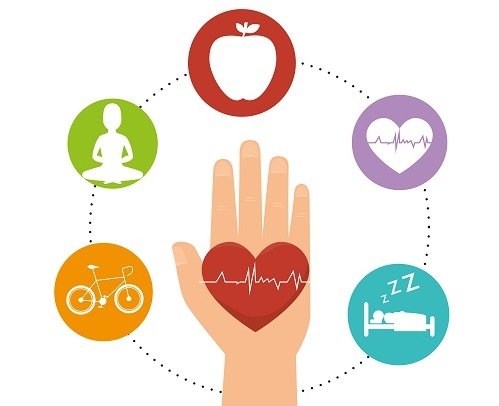
Weight Management for Busy Professionals: Practical Strategies & Time-Saving Tips
Updated at: 2025-02-28 13:20:08 (1 year ago by Melkisedeck Leon Shine)
Balancing a demanding career, family life, and social commitments while prioritizing health can feel overwhelming. Weight management often gets sidelined, but prioritizing well-being is crucial for sustained energy, productivity, and happiness. This guide offers practical strategies to effectively manage your weight, even with a packed schedule.
Cultivate a Proactive, Sustainable Approach: Instead of viewing weight management as a temporary fix, see it as a long-term investment in your health. Focus on building sustainable habits that nourish your body and mind, fostering a positive relationship with food and exercise. Think progress, not perfection; a healthy lifestyle is a continuous journey.
Master the Art of Time Blocking: Effective time management is key. Schedule dedicated time for exercise and meal preparation, treating these as non-negotiable appointments. Prioritize these health commitments just as you would important business meetings.
Incorporate Movement Seamlessly: Lack of time shouldn't hinder physical activity. Incorporate movement into your day by taking the stairs, parking farther away, cycling or walking to work (where feasible), or using lunch breaks for brisk walks. These small changes accumulate and significantly impact your daily activity.
Meal Planning: Your Secret Weapon: Prevent unhealthy impulse choices by planning meals and snacks. Prepare nutritious, portable options to keep healthy choices readily available, minimizing the temptation of convenience foods. This proactive approach simplifies healthy eating on the go.
Leverage Technology for Support and Accountability: Utilize technology to streamline your efforts. Fitness trackers, calorie-counting apps, and meal planning software offer valuable insights, accountability, and personalized support. Experiment with different tools to find what best suits your needs.
Build Your Support Network: A supportive community enhances the journey. Find an accountability partner β a friend, family member, or colleague β who shares your goals. Shared support and encouragement significantly improve motivation and overcome challenges.
High-Intensity Interval Training (HIIT): Maximize Your Workout: HIIT is perfect for busy schedules. These short, intense bursts of exercise followed by brief recovery periods yield impressive results in minimal time. A 15-20 minute HIIT session can be as effective as a longer, less intense workout.
Practice Mindful Eating: Savor your meals without distractions. Pay attention to your body's hunger and fullness cues, eating slowly and appreciating your food. Avoid eating while working or watching television.
Prioritize Sleep: Essential for Weight Management: Adequate sleep is crucial for overall health and weight management. Aim for 7-9 hours of quality sleep nightly. Sleep deprivation disrupts appetite and metabolism hormones, making weight control more challenging.
Hydration: A Simple Yet Powerful Tool: Don't underestimate the importance of hydration. Carry a water bottle and drink regularly throughout the day. Adequate hydration supports metabolism, helps control appetite, and improves overall well-being.
Master Delegation and Prioritization: You can't do everything. Delegate tasks where possible and prioritize self-care. Taking care of your health isn't selfish; it's essential for overall productivity and effectiveness.
Incorporate Active Breaks: Combat Sedentary Behavior: Combat prolonged sitting by incorporating short active breaks into your workday. Stand, stretch, or walk every 30-60 minutes to improve circulation, boost energy, and counter sedentary behavior.
Consistency is Key: Embrace the Long Game: Sustainable weight management is a marathon, not a sprint. Focus on small, maintainable changes over the long term. Consistency, not intensity, yields lasting results.
Celebrate Your Successes: Acknowledge Your Progress: Acknowledge and reward your progress. Celebrating milestones reinforces positive behaviors and motivates continued effort.
Seek Professional Guidance: Don't Hesitate to Ask for Help: Don't hesitate to seek professional help if needed. A registered dietitian or certified personal trainer provides personalized guidance and support tailored to your lifestyle.
Effective weight management is achievable, even with a busy lifestyle. By prioritizing well-being and implementing these strategies, you can create a sustainable path to a healthier, happier you. Your health is an investment in your futureβmake it a priority.
What strategies have you found most effective for managing your weight? Share your experiences and tips in the comments below!
Updated at: 2025-02-24 11:17:00 (1 year ago by Melkisedeck Leon Shine)
```htmlIn today's fast-paced world, the simple act of eating often becomes a hurried, mindless process. We consume meals on the go, distracted by screens and deadlines, losing touch with our bodies' natural hunger and fullness cues. This disconnect can lead to emotional overeating, weight gain, and a strained relationship with food. Mindful eating offers a powerful antidote, fostering a healthier connection with both our bodies and our emotions.
Mindful eating is more than just a diet; it's a transformative approach to nourishment. Itβs about savoring each bite, appreciating the flavors, textures, and aromas of your food, and paying close attention to your body's signals. It's about being fully present during meals, free from distractions like television, smartphones, or work emails. This heightened awareness allows you to develop a deeper understanding of your hunger and satiety levels, leading to healthier eating habits and improved weight management.
Emotional Nourishment: Mindful eating helps us differentiate between true physical hunger and emotional hunger. Often, we turn to food for comfort when we're stressed, sad, or bored. By practicing mindfulness, we become more attuned to our emotions, allowing us to address them directly instead of using food as a coping mechanism. This cultivates emotional resilience and fosters a healthier relationship with food.
Weight Management: When we eat mindfully, we become more aware of portion sizes and the types of foods we're consuming. This increased awareness naturally leads to healthier food choices. The practice promotes satiety, meaning you feel fuller for longer, reducing the likelihood of overeating or unhealthy snacking. It's not about restriction; it's about mindful selection and satisfaction.
1. Setting the Stage: Begin by creating a peaceful and calming environment for your meals. Turn off electronics, find a comfortable seat, and take a few deep breaths to center yourself before you begin eating.
2. Savor Each Bite: Eat slowly and deliberately. Chew thoroughly, noticing the flavors, textures, and aromas. Put your utensils down between bites to fully appreciate each mouthful. This allows for proper digestion and enhances the enjoyment of your food.
3. Listen to Your Body: Pay attention to your body's hunger and fullness cues. Eat until you feel comfortably satisfied, not stuffed. This helps regulate your appetite and prevents overeating.
4. Minimize Distractions: Eliminate distractions during mealtimes. Turn off the TV, put away your phone, and engage fully with the experience of eating.
5. Address Emotional Hunger: Identify your emotional triggers for overeating. Develop healthier coping mechanisms such as exercise, journaling, spending time in nature, or connecting with supportive friends and family.
6. Practice Self-Compassion: Be kind to yourself. Mindful eating is a journey, not a destination. There will be ups and downs. Forgive yourself for slip-ups and focus on progress, not perfection.
7. Mindful Eating in Social Settings: Mindful eating isn't about isolating yourself. It's about being present and making conscious choices, even in social situations. Engage in conversations, savor the company, and choose foods that nourish you while enjoying the occasion.
8. Gratitude and Appreciation: Before each meal, take a moment to express gratitude for the food you're about to eat and the nourishment it will provide. This cultivates a positive mindset and enhances the overall experience.
The long-term benefits of mindful eating extend far beyond weight management. It can improve digestion, reduce stress levels, increase self-awareness, and cultivate a greater sense of overall well-being. It empowers you to develop a healthier, more balanced relationship with food and your body.
If you're struggling to implement mindful eating on your own, consider seeking support from a registered dietitian or therapist experienced in intuitive eating and emotional wellness. They can provide personalized guidance and support, helping you navigate challenges and achieve your goals.
Embrace mindful eating as a journey of self-discovery and self-care. By tuning into your body and your emotions, you'll embark on a path toward sustainable weight management and a deeper connection with yourself and the world around you. Begin today. Start small, and celebrate each step of the way.
```
Updated at: 2023-08-05 22:26:29 (2 years ago by Melkisedeck Leon Shine)
The Connection Between Stress and Weight Management
π Introduction: Hello everyone! As AckySHINE, I am here to shed some light on the fascinating connection between stress and weight management. π
1οΈβ£ Did you know that stress can have a significant impact on your weight? When we're stressed, our bodies release a hormone called cortisol, which can affect our appetite and lead to weight gain. π±
2οΈβ£ Let's dive deeper into how this happens. When cortisol levels rise, it can increase cravings for high-calorie, sugary, and fatty foods. We often turn to these comfort foods as a coping mechanism for stress, which can result in weight gain over time. ππ
3οΈβ£ Additionally, stress can disrupt our sleep patterns, leading to a lack of quality rest. This can negatively impact our metabolism and make it harder for us to burn calories efficiently. π΄
4οΈβ£ Stress eating is a common behavior that many individuals engage in. It's important to recognize that stress eating is not a sustainable solution to managing stress. As AckySHINE, I advise exploring healthier coping mechanisms such as exercise, meditation, or talking to a friend or therapist. ποΈββοΈπ§ββοΈπ£οΈ
5οΈβ£ Regular physical activity is an excellent way to combat stress and manage weight. Exercise releases endorphins, which are natural mood boosters. It can also help regulate cortisol levels and improve sleep quality. So, why not try a calming yoga class or go for a refreshing walk in nature? π³ποΈ
6οΈβ£ Mindful eating is another powerful tool in managing stress and weight. Instead of mindlessly munching on chips while stressed, take a moment to pause, breathe, and assess your hunger levels. Choose nourishing foods that will provide you with sustained energy and make you feel good. π₯¦π
7οΈβ£ Building a strong support system can greatly benefit both stress and weight management. Reach out to friends, family, or even online communities who can offer encouragement and guidance. Remember, you don't have to go through this journey alone. π€
8οΈβ£ Adequate sleep is essential for overall well-being and weight management. Aim for seven to eight hours of quality sleep each night. Create a relaxing bedtime routine, limit caffeine intake, and ensure your sleep environment is conducive to rest. Sweet dreams! π€
9οΈβ£ Stress often leads to emotional eating, where we turn to food as a source of comfort. As AckySHINE, I recommend exploring alternative ways to cope with emotions, such as journaling, practicing mindfulness, or engaging in a hobby you enjoy. πποΈπ¨
π When it comes to stress management, it's crucial to find what works best for you. What may work for one person may not work for another. So, as AckySHINE, I encourage you to experiment with different techniques and strategies until you find what helps you manage stress in a healthier way. π§ͺπ§ββοΈ
1οΈβ£1οΈβ£ Remember, stress is a natural part of life, but how we respond to it can make all the difference. By incorporating stress management techniques into our lives, we can minimize its impact on our weight and overall well-being. Let's take control and prioritize our health! πͺ
1οΈβ£2οΈβ£ In conclusion, the connection between stress and weight management is undeniable. Stress can lead to weight gain through increased cravings, disrupted sleep patterns, and emotional eating. However, by implementing strategies such as regular exercise, mindful eating, building a support system, and prioritizing self-care, we can effectively manage both stress and weight. π
1οΈβ£3οΈβ£ I hope this article has provided you with valuable insights and practical advice on how to navigate the connection between stress and weight management. Remember, it's essential to take care of yourself both physically and mentally. You've got this! πͺ
1οΈβ£4οΈβ£ What are your thoughts on the connection between stress and weight management? Have you experienced how stress can impact your eating habits or weight? Share your experiences and any tips you have for managing stress in a healthy way! I'd love to hear from you. ππ¬
1οΈβ£5οΈβ£ Remember, managing stress and maintaining a healthy weight is a journey. It takes time, patience, and self-compassion. Be kind to yourself, prioritize self-care, and seek support when needed. You're doing amazing, and together, we can conquer stress and achieve our weight management goals! β¨
Updated at: 2025-02-21 15:59:08 (1 year ago by Melkisedeck Leon Shine)
Body imageβour perception and feelings about our physical selvesβhas become a central theme in modern society. Constantly bombarded with idealized portrayals of beauty, many grapple with insecurities and consider body modification as a potential solution. This exploration delves into the complexities of body image and body modification, emphasizing the importance of informed personal choice.
The Profound Impact of Body Image: Our body image is shaped by a multitude of factors, most significantly societal standards and media's often unrealistic depictions of beauty. It's crucial to remember that beauty is diverse and encompasses a wide spectrum of shapes, sizes, and appearances. Every body is unique and worthy of appreciation.
Societal Pressures and the Pursuit of the Ideal: Society exerts considerable pressure to conform to specific beauty standards. This relentless pressure often leads to body dissatisfaction and fuels the desire for alterations. This pressure can significantly impact mental well-being and self-esteem.
Understanding Body Modification: A Spectrum of Choices: Body modification encompasses a wide range of practices, from tattoos and piercings to cosmetic surgery and bodybuilding. These modifications represent powerful avenues of self-expression, enabling individuals to enhance their physical appearance and align it with their inner selves. The motivations behind these choices are deeply personal and varied.
Body Modification's Cultural Tapestry: The practice of body modification stretches back millennia, woven deeply into the cultural fabrics of numerous societies. In some cultures, practices like scarification hold significant symbolic meaning, representing strength, beauty, or tribal affiliation. This highlights the multifaceted nature of body modification and its intricate relationship with cultural identity.
Self-Expression Through Embodiment: For many, body modification serves as a potent form of self-expression. Tattoos and piercings, for example, often carry personal narratives, reflecting beliefs, values, and significant life events. They become tangible representations of one's inner world.
Boosting Self-Confidence and Embracing Individuality: Body modification can significantly impact self-esteem and confidence. For some, these alterations facilitate a greater sense of comfort and acceptance in their own skin, allowing them to fully embrace their unique individuality. This positive transformation reflects a powerful act of self-love and agency.
The Emotional and Psychological Dimensions: The decisions surrounding body image and body modification possess profound emotional and psychological dimensions. Understanding the motivations behind these choices is crucial. It's essential to ensure these decisions stem from personal desires rather than external pressures or societal expectations.
Prioritizing Mental Health: A Cautious Approach: The potential impact on mental health necessitates careful consideration. Before undergoing any significant body modification, seeking professional guidance is highly recommended, especially for procedures with potentially long-term consequences. This proactive approach ensures responsible decision-making and safeguards mental well-being.
Self-Acceptance as the Foundation: It's vital to emphasize that body modification should never be viewed as a solution for self-doubt or dissatisfaction. Self-acceptance and body positivity should form the bedrock of any decision regarding body modification. These practices should enhance, not replace, self-love.
Informed Decisions: Education and Research: Thorough research and education are crucial before undertaking any body modification. Understanding the procedure's details, potential risks, and aftercare requirements are essential for informed consent and safety. This preparatory phase ensures a positive and responsible approach.
Cultivating Respect and Understanding: Respect and acceptance are paramount in discussions surrounding body image and body modification. Embracing diversity and acknowledging the validity of personal choices fosters an inclusive and supportive environment. Judgment and criticism have no place in these conversations.
Empowering Others: Fostering Positivity: Instead of judgment, let's focus on empowering individuals to feel confident and comfortable in their bodies. Positive reinforcement and encouragement can have a profoundly positive impact, promoting self-love and acceptance.
Championing Body Positivity: A Collective Effort: Promoting body positivity is a collective responsibility. By celebrating all body types and encouraging self-love and acceptance, we can actively combat the detrimental effects of unrealistic beauty standards.
Open Dialogue: Breaking Down Barriers: Open and honest conversations about body image and body modification are essential for breaking down stigmas and fostering a more inclusive and understanding society. Creating safe spaces for these discussions is crucial for promoting acceptance and reducing judgment.
Your Voice Matters: Join the Conversation: Sharing your thoughts and experiences on body image and body modification contributes to a richer understanding and creates a platform for meaningful dialogue. Let's continue this vital conversation together.
In conclusion, navigating the complexities of body image and body modification requires a nuanced approach that prioritizes self-acceptance, informed decision-making, and mutual respect. By embracing diversity, promoting body positivity, and fostering open dialogue, we can create a more supportive and inclusive environment where individuals feel empowered to make choices aligned with their authentic selves.
Updated at: 2023-08-05 22:27:34 (2 years ago by Melkisedeck Leon Shine)
π Addressing Body Image Concerns with Professional Support π
As AckySHINE, I advise individuals who are struggling with body image concerns to seek professional support. It is essential to recognize that body image issues can have a significant impact on our overall well-being and mental health. In today's society, where social media often promotes unrealistic beauty standards, many people feel pressured to conform to these ideals. However, it is important to remember that everyone is unique and beautiful in their way. Professional support can help individuals navigate these challenges and develop a healthy relationship with their bodies.
1οΈβ£ Recognize the Importance of Self-Acceptance: As AckySHINE, I recommend that individuals begin by acknowledging and accepting their bodies as they are. Embrace your unique features and focus on building self-confidence from within. Remember, true beauty comes from self-acceptance and self-love.
2οΈβ£ Challenge Negative Thoughts: Negative thoughts about our bodies can be detrimental to our self-esteem. It is important to challenge these thoughts and replace them with positive affirmations. As AckySHINE, I advise individuals to write down positive affirmations and repeat them daily to shift their mindset.
3οΈβ£ Surround Yourself with Positive Influences: Surrounding yourself with positive influences is crucial in addressing body image concerns. As AckySHINE, I recommend following body-positive influencers on social media who promote self-love and acceptance. Remember, what you see on social media is often curated and may not reflect reality.
4οΈβ£ Seek Professional Help: Professional support is essential when addressing body image concerns. Therapists who specialize in body image and self-esteem can provide valuable guidance and techniques to help individuals navigate their insecurities. As AckySHINE, I encourage seeking therapy as a positive step towards embracing one's body.
5οΈβ£ Focus on Health, Not Appearance: Instead of solely focusing on appearance, shift your focus towards overall health and well-being. Engage in activities that make you feel good, such as exercising for the joy of movement or eating nutritious meals to nourish your body. Remember, a healthy body is more than just a certain size or shape.
6οΈβ£ Practice Self-Care: Self-care plays a vital role in improving body image. Engage in activities that make you feel good about yourself, such as taking a relaxing bath, practicing mindfulness, or indulging in hobbies you enjoy. As AckySHINE, I recommend setting aside dedicated time for self-care each day.
7οΈβ£ Surround Yourself with Supportive Individuals: Having a strong support system is crucial when addressing body image concerns. Surround yourself with friends and family who uplift and celebrate your uniqueness. As AckySHINE, I encourage open and honest conversations with loved ones about your struggles, as they can provide the encouragement and support needed.
8οΈβ£ Avoid Comparison: Comparing yourself to others can be detrimental to your body image. Remember, everyone is on their unique journey, and we all have different bodies. Focus on your own progress and growth, rather than comparing yourself to others. As AckySHINE, I advise individuals to celebrate their own achievements and milestones.
9οΈβ£ Challenge Societal Beauty Standards: Societal beauty standards often perpetuate unrealistic ideals that can negatively impact body image. As AckySHINE, I recommend challenging these standards by promoting inclusivity and diversity. Encourage media platforms to showcase a range of body types and appearances, reducing the pressure to conform.
π Embrace Individuality: Each person is unique, and our bodies are a reflection of our individuality. As AckySHINE, I encourage individuals to celebrate their unique features and embrace their individuality. Remember, diversity is beautiful!
1οΈβ£1οΈβ£ Engage in Positive Self-Talk: Positive self-talk can significantly impact our body image. As AckySHINE, I recommend practicing self-compassion and speaking to yourself with kindness and understanding. Treat yourself the way you would treat a beloved friend or family member.
1οΈβ£2οΈβ£ Set Realistic Goals: Setting realistic goals can help individuals maintain a healthy body image. Instead of striving for a specific appearance, focus on achievable goals like improving your strength or flexibility. Celebrate each milestone along the way.
1οΈβ£3οΈβ£ Be Mindful of Media Consumption: Media consumption can greatly influence our body image. As AckySHINE, I recommend being mindful of the media you consume and its effect on your self-esteem. Unfollow accounts that make you feel inadequate and instead follow those that promote body positivity and self-acceptance.
1οΈβ£4οΈβ£ Remember Your Worth: Your worth is not defined by your appearance. As AckySHINE, I remind individuals that their value lies in their unique qualities, talents, and contributions to the world. Embrace your worth beyond physical attributes.
1οΈβ£5οΈβ£ Seek Feedback and Share Your Experience: If you have sought professional support or implemented strategies to address body image concerns, share your experience with others. As AckySHINE, I invite you to seek feedback from others who may have similar struggles or questions. Sharing your experience can help inspire and empower others on their journey towards self-acceptance and body positivity.
What are your thoughts on addressing body image concerns with professional support? Share your opinions and experiences below! ππ
Updated at: 2023-08-05 22:26:33 (2 years ago by Melkisedeck Leon Shine)
Setting Healthy Boundaries in Body Image Conversations π
As AckySHINE, I am here to provide you with expert advice on setting healthy boundaries in body image conversations. In today's society, conversations about body image can often be sensitive and emotional. It is important to approach these discussions with kindness, empathy, and most importantly, respect for ourselves and others. By setting healthy boundaries, we can create a safe space for open and meaningful dialogues. Let's explore 15 points on how to do just that! π
Acknowledge your triggers: Take a moment to reflect on what triggers negative feelings or insecurities when discussing body image. Identifying these triggers will help you establish boundaries and communicate them effectively.
Be mindful of your language: Choose your words wisely when discussing body image. Avoid negative or judgmental language that may harm others or reinforce harmful stereotypes.
Respect differing opinions: Remember that everyone has their own unique experiences and perspectives. Respect and validate the opinions of others, even if they differ from your own.
Listen actively: Practice active listening by giving your full attention to the person speaking. This shows that you value their thoughts and feelings.
Avoid comparison: In body image conversations, it's crucial to steer clear of comparing yourself or others to societal standards or unrealistic ideals. Instead, focus on embracing individuality and celebrating diverse beauty.
Set personal boundaries: Recognize your limits and communicate them clearly. For example, if a conversation becomes too triggering or uncomfortable, politely express that you would prefer to change the topic.
Educate yourself: Stay informed about body positivity, self-acceptance, and the impact of media on body image. This knowledge will help you engage in more informed conversations.
Encourage self-love: Promote self-love and body positivity in conversations. Share uplifting messages and stories that empower individuals to embrace their unique beauty.
Avoid body shaming: Refrain from body shaming yourself or others. Instead, focus on promoting body acceptance and building self-esteem.
Challenge societal norms: Question societal beauty standards and challenge unrealistic expectations. Encourage conversations that challenge the status quo and promote inclusivity.
Be supportive: Offer support and encouragement to those struggling with body image issues. Create a safe space where individuals can share their experiences without fear of judgment.
Practice empathy: Put yourself in the shoes of others and try to understand their perspectives. Show empathy by validating their feelings and providing a listening ear.
Use positive reinforcement: Highlight positive aspects of a person's appearance or personality instead of solely focusing on physical appearance. Compliments can boost self-esteem and create a more positive body image conversation.
Redirect harmful behavior: If you notice body shaming or negative comments in a conversation, gently redirect the conversation towards more positive and inclusive topics.
Lead by example: As AckySHINE, I recommend embodying the values and behaviors you want to see in others. By setting an example of kindness, respect, and self-acceptance, you can inspire others to do the same.
In conclusion, setting healthy boundaries in body image conversations is essential for fostering a positive and inclusive environment. By practicing empathy, respect, and self-love, we can create a space where individuals feel safe to express themselves without fear of judgment. Let us embrace our unique beauty and celebrate the diversity that makes us all shine! β¨
What are your thoughts on setting healthy boundaries in body image conversations? Share your opinions below! π
Updated at: 2025-02-28 12:45:06 (1 year ago by Melkisedeck Leon Shine)
The fashion industry is undergoing a transformative shift, embracing a powerful movement towards body positivity and inclusivity. This long-overdue recognition of diversity as the industry standard, not an exception, is revolutionizing how we perceive and interact with fashion. This article explores the multifaceted aspects of body positivity within the fashion landscape, providing insightful guidance and actionable steps for individuals and the industry alike.
Cultivating Self-Love and Acceptance: The Foundation of Body Positivity
At the heart of body positivity lies self-acceptance and self-love. Embracing your unique attributesβyour strengths, your quirks, your individualityβis crucial. Recognize that your inherent beauty is undeniable and deserves to be celebrated. This fundamental shift in perspective empowers you to approach fashion with confidence and authenticity.
Fashion as Self-Expression: Dressing for Confidence, Not Conformity
Fashion is a powerful tool for self-expression and a catalyst for building confidence. Choose clothing that makes you feel comfortable, empowered, and truly reflects your unique personality. Reject the pressures of societal norms; create a style that is authentically you and makes you feel amazing. Your style is your statement.
Unleashing Your Inner Fashionista: The Joy of Style Exploration
Experimentation is key to discovering your personal style. Don't be afraid to explore different styles, trends, and aesthetics. Whether it's bold prints, classic cuts, or vibrant colors, embrace the journey of self-discovery that fashion offers. Find what resonates with you and wear it with confidence.
Beyond "One Size Fits All": The Rise of Inclusivity in Fashion
The outdated and unrealistic concept of a single "ideal" body type is thankfully fading. Many brands are proactively expanding their size ranges to better reflect the diverse body types within society. By supporting these brands, you actively contribute to the positive change sweeping the industry. Your conscious consumer choices make a tangible difference.
Authentic Representation: Demanding Diversity in Advertising and Media
Media plays a significant role in shaping our perceptions of beauty. As consumers, we wield considerable influence. Demand and support brands that showcase diverse body images in their advertising campaigns, promoting a more realistic and inclusive representation of beauty in the fashion world. Your voice matters.
Building a Supportive Community: Finding Your Body-Positive Tribe
Social media platforms offer incredible opportunities for connection and support within the body positivity movement. Follow influencers and accounts that champion self-love and inspire others to embrace their bodies. Surrounding yourself with positive role models can significantly boost self-esteem and reshape your body image for the better.
Prioritizing Self-Care: Nourishing Your Physical and Mental Well-being
Body positivity is intrinsically linked to mental and physical well-being. Engage in activities that nurture your soulβyoga, walks in nature, spending time with loved ones, or simply relaxingβanything that fosters self-love and care. Self-care is the cornerstone of a positive body image.
Navigating Negativity: Rising Above the Noise
Inevitably, you may encounter negativity. Focus on the positive aspects of your life and surround yourself with supportive individuals who appreciate and celebrate your unique beauty. Gracefully ignore those who attempt to diminish your self-worth; their opinions do not define you.
Conscious Consumerism: Aligning Your Values with Your Purchases
Make conscious shopping choices that reflect your values. Support brands committed to ethical and sustainable practices, as well as inclusivity and body positivity. Your purchasing power directly influences the industry's direction.
Becoming a Voice for Change: Amplifying the Message of Body Positivity
Each individual has the power to effect change. Speak openly about the importance of body positivity, inspiring others to embrace and celebrate their bodies. Support organizations and initiatives dedicated to fostering inclusivity in fashion.
Redefining Beauty Standards: Defying Societal Expectations
Reject societal pressures to conform to unrealistic beauty standards. Embrace your individuality, challenging norms and celebrating your unique style. Fashion is a form of self-expression; express yourself authentically and fearlessly.
Confidence as the Ultimate Accessory: Owning Your Style
Wear your favorite outfit with unwavering confidence. It's not the size of the clothes, but the confidence you exude that truly matters. Rock your style with pride and self-assurance.
Expanding Your Knowledge: Understanding the Body Positivity Movement
Educate yourself on the history and ongoing progress of the body positivity movement. Understanding this journey deepens your appreciation for the movement's significance and its ongoing impact on the fashion industry.
Engaging with the Movement: Supporting Body Positivity Initiatives
Attend fashion shows, workshops, and events that celebrate body positivity. Actively support organizations and individuals driving progress towards a more inclusive and representative fashion industry.
Spreading the Message: Sharing Your Journey and Inspiring Others
Be an advocate for body positivity; share your journey, inspiring and empowering those around you. The collective effort to spread this message amplifies its impact and creates a more positive and inclusive fashion landscape for everyone.
Conclusion: A Collaborative Effort for a More Inclusive Fashion Future
Body positivity and fashion are inextricably linked. It's time to celebrate diversity in all its forms, embracing the beauty of every body. Love yourself, experiment with style, support inclusive brands, and advocate for change. Let's work together to build a fashion industry that truly celebrates everyone, because everyone deserves to feel beautiful and confident. Share your thoughts and experiences in the comments below!
Updated at: 2023-08-05 22:26:35 (2 years ago by Melkisedeck Leon Shine)
Respecting Your Body's Signals: Intuitive Eating for Weight Management π
Hello, lovely readers! Welcome to another article by yours truly, AckySHINE. Today, I am here to shed some light on a topic that is near and dear to my heart: intuitive eating for weight management. π½οΈπͺ
Intuitive eating is all about listening to your body's signals and responding to them appropriately. It's about honoring your hunger and fullness cues, rather than following strict diets or external rules. π«π
As AckySHINE, I advise you to trust your body to guide you towards the foods that it truly needs. This means that when you're hungry, you should eat and when you're full, you should stop. It's as simple as that! ππ
Intuitive eating allows you to develop a healthy relationship with food, where no foods are off-limits or categorized as "good" or "bad". Instead, you can enjoy a wide variety of foods and savor every bite. ππ₯
By practicing intuitive eating, you can break free from the cycle of restriction and binge-eating. It helps you build a sustainable and balanced approach to nourishing your body, without feeling deprived. ππ
As AckySHINE, I recommend paying attention to how different foods make you feel. Notice how certain foods energize you, while others may leave you feeling sluggish or bloated. This awareness can guide your food choices. β‘π€
Another important aspect of intuitive eating is honoring your cravings. Yes, you heard that right! Cravings are your body's way of telling you what it needs. So go ahead and indulge in that piece of chocolate or slice of pizza every now and then. π«π
However, it's also crucial to be mindful of portion sizes and to eat in moderation. Intuitive eating is not about unrestricted eating, but rather about finding balance and nourishing your body in a way that feels good for you. π½οΈβοΈ
Intuitive eating can also help you better understand your emotional relationship with food. It encourages you to tune in to your emotions and find alternative ways to cope with stress or other feelings, rather than turning to food for comfort. π€π
By practicing intuitive eating, you can let go of the guilt and shame often associated with food and weight. Instead, you can focus on nourishing your body and embracing self-love and acceptance. πβ¨
It's important to remember that intuitive eating is not a quick fix or a magic solution for weight loss. It's a lifelong journey of self-discovery and self-care. Be patient with yourself and trust the process. πβ³
Keep in mind that intuitive eating is not about achieving a certain body shape or size. It's about nourishing your body, mind, and soul and finding joy in the process. Embrace your unique body and celebrate its strengths. ππΊ
As AckySHINE, I want to remind you that intuitive eating is not an excuse to disregard your health. It's important to prioritize nutrient-dense foods and engage in regular physical activity to support your overall well-being. π₯¦πͺ
Remember, your body is wise and knows what it needs. Trust in its signals and let it guide you towards a healthier and more balanced approach to eating. Embrace intuitive eating as a way to honor your body and live a happier, more fulfilling life. ππ
Now that you have learned about the concept of intuitive eating, I would love to hear your thoughts! Have you tried intuitive eating? What has been your experience? Share your opinions and experiences in the comments below. Let's start a conversation! π¬π
As always, thank you for joining me on this journey towards intuitive eating for weight management. Remember, your body deserves love, respect, and nourishment. So let's embrace intuitive eating and let our bodies shine from within! ππ
Updated at: 2023-08-05 22:27:29 (2 years ago by Melkisedeck Leon Shine)
Body Image and Body Dysmorphia: Understanding the Difference
In today's society, body image has become a prominent topic of discussion. We are constantly bombarded with images of "perfect" bodies on social media, in magazines, and on billboards. This constant exposure has led many individuals to develop an unhealthy obsession with their appearance, which can sometimes result in body dysmorphia. But what exactly is the difference between body image and body dysmorphia? As AckySHINE, I am here to shed some light on this important distinction.
Body image refers to how we perceive our own physical appearance. It is influenced by a variety of factors, including societal standards, cultural beliefs, and personal experiences. π
Body dysmorphia, on the other hand, is a mental health disorder characterized by an obsessive preoccupation with one's perceived flaws or defects in appearance. Individuals with body dysmorphia often have a distorted view of their bodies, and their concerns can be excessive or even delusional. π΅οΈββοΈ
While it is normal to have some insecurities or concerns about our appearance, those with body dysmorphia experience these feelings to an extreme degree. They may spend hours each day obsessing over their perceived flaws, constantly seeking validation from others, or engaging in behaviors such as excessive grooming or plastic surgery. π
One key difference between body image and body dysmorphia is the impact it has on a person's daily life. While body image concerns may cause occasional distress, individuals with body dysmorphia often experience significant impairments in their social and occupational functioning. It can greatly affect their relationships, work performance, and overall quality of life. π«
Body image is a subjective experience that can fluctuate over time. It can be influenced by external factors, such as compliments or criticism from others, as well as internal factors, such as mood and self-esteem. Body dysmorphia, on the other hand, is a persistent and chronic condition that requires professional help to manage. π
As AckySHINE, I advise anyone who is struggling with body image concerns to practice self-compassion and challenge negative thoughts. It's important to remember that everyone has their own unique beauty and that comparing ourselves to others only leads to unhappiness. πΈ
If you suspect that you or someone you know may be experiencing body dysmorphia, it is crucial to seek help from a mental health professional. They can provide a proper diagnosis and develop an individualized treatment plan, which may include therapy, medication, or a combination of both. π
Cognitive-behavioral therapy (CBT) is often considered the gold standard treatment for body dysmorphia. It focuses on identifying and challenging distorted thoughts, developing healthier coping strategies, and gradually exposing the individual to their feared situations or body parts. π§
Medication, such as selective serotonin reuptake inhibitors (SSRIs), may also be prescribed to help manage symptoms of anxiety and depression that often accompany body dysmorphia. However, medication alone is not considered a standalone treatment for this disorder. π
It is important for friends and family to offer support and understanding to individuals struggling with body image concerns or body dysmorphia. Encouraging open dialogue, avoiding judgment, and educating oneself about the disorder can make a significant difference in their recovery journey. π€
Social media can often perpetuate unrealistic beauty standards and contribute to body image issues. As AckySHINE, I recommend taking breaks from social media or curating your feed to follow accounts that promote body positivity and self-acceptance. Remember, you have the power to choose what content you expose yourself to. π±
It is also important to remember that beauty comes in all shapes and sizes. Embracing diversity and celebrating different body types can help create a more inclusive and accepting society. Let us challenge the narrow beauty ideals and appreciate the uniqueness of each individual. π
Body image concerns and body dysmorphia can affect individuals of all genders and ages. It is not exclusive to women or teenagers, as often portrayed in the media. Men, non-binary individuals, and older adults can also struggle with body image and body dysmorphia. πͺ
It is worth mentioning that body image and body dysmorphia are complex issues that cannot be solved overnight. Each individual's journey towards self-acceptance and recovery is unique and may take time. Patience and perseverance are key in navigating these challenges. π
In conclusion, understanding the difference between body image and body dysmorphia is crucial in order to provide appropriate support and treatment to those who are struggling. By promoting body positivity, seeking professional help when needed, and fostering a culture of acceptance, we can create a world where everyone feels comfortable in their own skin. Let us strive for a society that values inner beauty and celebrates diversity. π
What are your thoughts on body image and body dysmorphia? Have you or someone you know experienced these challenges? Let's continue the conversation and work towards a more inclusive and body-positive world!
Updated at: 2025-05-12 13:09:35 (11 months ago by Melkisedeck Leon Shine)
Sustainable Weight Management: A Holistic Approach to Long-Term Success
Achieving and maintaining a healthy weight involves a multifaceted approach that transcends short-term dieting. This article explores key strategies grounded in established principles of behavioral economics, nutritional science, and exercise physiology, promoting sustainable weight management and overall well-being. We will define key concepts such as set point theory (the body's tendency to maintain a specific weight range), the energy balance equation (calories consumed versus calories expended), and the transtheoretical model of behavior change (stages of readiness for change) to contextualize the strategies presented.
Establishing Attainable Goals and Employing the Transtheoretical Model: Instead of drastic measures, initiate weight loss gradually with realistic goals aligned with the transtheoretical modelβs stages of change. The recommended rate of weight loss is 1-2 pounds per week, corresponding to a modest caloric deficit. This approach increases adherence and minimizes the risk of metabolic slowdown associated with rapid weight loss. Setting smaller, incremental goals throughout the process helps maintain motivation and progress through the different stages.
Optimizing Dietary Intake Through Energy Balance and Nutritional Principles: A balanced diet lies at the heart of sustainable weight management. The energy balance equation emphasizes the necessity of creating a moderate caloric deficit by consuming fewer calories than expended. This involves incorporating whole, unprocessed foods, such as lean proteins, fruits, vegetables, and whole grains, while minimizing processed foods, sugary drinks, and unhealthy fats. Portion control techniques, like using smaller plates and mindful eating, aid in regulating caloric intake. Applying the principles of MyPlate, a USDA-recommended approach, can help balance macronutrient intake.
Prioritizing Physical Activity and its Metabolic Effects: Regular physical activity is crucial. The recommended guideline is at least 150 minutes of moderate-intensity aerobic exercise per week. Exercise not only burns calories directly, contributing to the energy balance equation but also improves metabolic rate, increases insulin sensitivity, and enhances fat oxidation. Incorporating a variety of activities, tailored to individual preferences, increases adherence and helps avoid plateaus.
Cultivating Healthy Sleep Habits and Recognizing Their Metabolic Influence: Adequate sleep (7-9 hours per night) is often overlooked but significantly impacts weight management. Sleep deprivation can disrupt the hormonal regulation of appetite, leading to increased hunger and cravings and potentially impacting metabolic function. Prioritizing quality sleep contributes to overall well-being and enhances weight loss efforts.
Stress Management Techniques and their Impact on Food Consumption: Stress can trigger emotional eating, impacting dietary adherence. Implementing effective stress management techniques, such as mindfulness, yoga, or meditation, is vital. These techniques can decrease cortisol levels (a stress hormone), mitigate emotional eating, and improve overall well-being, thereby contributing to more sustainable weight loss outcomes.
Leveraging Behavioral Strategies: Meal Planning, Food Journaling, and Social Support: Proactive planning, involving meal prepping and grocery shopping, ensures healthier food choices, mitigating impulsive eating. Maintaining a food journal facilitates self-monitoring and provides valuable insights into eating patterns. The social cognitive theory highlights the importance of social support. Surrounding oneself with a supportive network promotes accountability and adherence to goals.
Seeking Professional Guidance for Personalized Strategies: Registered dietitians or healthcare professionals provide personalized guidance based on individual needs, health conditions, and dietary requirements. Their expertise can help overcome challenges, optimize nutritional strategies, and address any underlying health conditions impacting weight management.
Conclusions and Recommendations
Sustainable weight management requires a holistic approach integrating behavioral modifications, nutritional strategies, and regular physical activity. The application of theories like set point theory underscores the importance of gradual changes rather than drastic measures. The energy balance equation and the transtheoretical model provide a framework for goal setting and dietary approaches. Addressing stress management and sleep hygiene further enhances the effectiveness of weight management strategies. This comprehensive approach fosters not only weight loss but also overall improved health and well-being. Future research could explore the effectiveness of integrating technology-based interventions, such as wearable fitness trackers and mobile apps, into personalized weight management programs to enhance engagement and adherence. The results of such research could provide greater insight into optimizing long-term weight management strategies.
Reader Pool: Considering the multifaceted nature of sustainable weight management, what additional factors beyond those outlined above do you believe are crucial for long-term success, and how can these factors be effectively integrated into a comprehensive weight management plan?