Je, kuna vipimo ambavyo vinaweza kugundua hali ya kuwepo kwa ualbino wakati kichanga kikiwa bado tumboni?



Updated at: 2024-05-25 16:24:10 (2 years ago by SW - Melkisedeck Shine)
Hakuna kipimo rahisi cha kuwezesha kuonyesha kama mama
mjamzito amebeba kinasaba cha ualbino. Lakini uwezekano upo,
kama wazazi watakuwa wamepata mtoto Albino. Uwezekano wa
kujua kama mimba inayofuatia kichanga kitakuwa na ualbino kwa
kutumia kipimo maalamu kinachovuta maji yaliyo kwenye mji wa
mimba na kupima hayo majimaji kuona kama kuna kinasaba cha
Albino. Hata hivyo, vipimo hivi ni vya gharama kubwa na kwa
kiasi kikubwa kwa sasa vinapatikana, katika hospitali kubwa
maalumu za nchi zilizoendelea (Ulaya, Marekani na kadhalika).

Updated at: 2025-05-26 10:31:22 (1 year ago by Melkisedeck Leon Shine)
```htmlIntroduction: This article examines the critical role of international collaboration in addressing the global challenge of deforestation and promoting large-scale reforestation efforts. We will define key concepts such as ecosystem services, sustainable resource management, and the principles of collaborative governance to understand the multifaceted nature of this complex issue. Ecosystem services refer to the myriad benefits humans derive from the natural environment, including clean air and water, climate regulation, and biodiversity. Sustainable resource management encompasses the responsible utilization of natural resources to meet present needs without compromising the ability of future generations to meet their own needs. Collaborative governance, a core principle explored herein, denotes the participatory and integrative approach necessary for effective international environmental initiatives.
The Imperative of Reforestation and Ecosystem Restoration: Deforestation significantly diminishes vital ecosystem services. Reforestation, the process of establishing forests on lands that have been deforested or degraded, is paramount for mitigating climate change, restoring biodiversity, and enhancing carbon sequestration. This aligns with ecological restoration principles, aiming to reinstate ecological integrity and functionality to degraded landscapes. International collaborations are crucial for maximizing the effectiveness and scale of these restoration endeavors, capitalizing on the combined resources and expertise of participating nations. The effectiveness of these efforts can be assessed using metrics such as carbon sequestration rates, biodiversity indices, and improvements in ecosystem services provision.
Sustainable Resource Management within a Global Framework: Achieving long-term environmental sustainability necessitates a paradigm shift towards responsible resource management. This aligns with the principles of sustainable development, emphasizing the interconnectedness of environmental, economic, and social considerations. International collaboration facilitates the exchange of best practices in sustainable forestry, minimizing the ecological footprint of human activities, and promoting circular economy principles to reduce waste and maximize resource utilization. The application of the triple bottom line framework (environmental, social, and economic) provides a comprehensive evaluation method for reforestation projects.
Global Environmental Governance and Collaborative Action: Environmental challenges, including deforestation, are inherently transboundary, requiring concerted global action. The framework of international environmental agreements and collaborative governance mechanisms is crucial for coordinating national policies, pooling resources, and sharing knowledge. This collaborative approach harnesses the power of collective action, overcoming challenges associated with individual nation-state efforts and promoting a shared sense of responsibility for global environmental stewardship. The success of such collaborations can be analyzed using frameworks like the Institutional Analysis and Development framework, which examines the influence of institutions on resource management outcomes.
Knowledge Exchange and Capacity Building: International collaborations provide an unparalleled opportunity for the transfer of knowledge and technological advancements. Sharing best practices in reforestation techniques, sustainable forest management, and monitoring technologies is essential for improving efficiency and effectiveness. Capacity building initiatives, such as training programs and workshops, empower local communities and institutions, ensuring long-term sustainability of reforestation efforts. The diffusion of innovation theory helps explain how new technologies and techniques are adopted and implemented across different contexts.
Case Studies: Illustrating Collaborative Successes: The Great Green Wall initiative, a pan-African effort to combat desertification through large-scale afforestation, exemplifies the power of international collaboration. Similarly, the Bonn Challenge, a global commitment to restore 350 million hectares of degraded and deforested land, showcases the potential of collaborative goal-setting and resource mobilization. The effectiveness of these initiatives can be assessed using impact assessment methodologies, evaluating ecological, social, and economic outcomes.
Financial Mechanisms and Resource Mobilization: Successful reforestation requires substantial financial investment. International collaborations facilitate access to diverse funding sources, including governmental aid, private sector investment, and philanthropic contributions. The establishment of effective financial mechanisms, such as green bonds and carbon markets, is crucial for ensuring the long-term financial sustainability of reforestation projects. Financial viability and return on investment analyses are crucial aspects of project planning and implementation.
Community Engagement and Stakeholder Participation: Successful reforestation initiatives prioritize the active involvement of local communities. Participatory approaches ensure projects align with the needs and priorities of local stakeholders, leading to enhanced project ownership, reduced conflict, and increased long-term success. This aligns with social equity principles, ensuring that the benefits of reforestation are shared equitably within communities.
Technological Innovations in Reforestation: Technological advancements, such as remote sensing, geographic information systems (GIS), and drone technology, significantly enhance the efficiency and effectiveness of reforestation. These tools improve site selection, monitoring, and evaluation, leading to more targeted and effective interventions. The application of precision forestry principles further optimizes resource allocation and enhances the success rate of reforestation efforts.
Building Resilient Ecosystems through a Holistic Approach: Reforestation should not merely focus on planting trees but also on building resilient and diverse ecosystems. A holistic approach considers factors such as species selection, soil health, water management, and climate change adaptation, ensuring the long-term sustainability of restored ecosystems. This aligns with ecological resilience principles, focusing on the ability of ecosystems to adapt to disturbances and maintain their functions.
Conclusion and Recommendations: International collaboration is indispensable for achieving global reforestation goals and ensuring a sustainable future. Further research is needed to refine methodologies for assessing the effectiveness of collaborative initiatives, optimize resource allocation, and develop robust financial mechanisms. Recommendations include strengthening existing international agreements, promoting knowledge sharing networks, investing in capacity building, and fostering participatory approaches to ensure long-term success. The adoption of adaptive management strategies is crucial, allowing for adjustments based on monitoring data and feedback. By emphasizing a holistic and collaborative approach, the global community can accelerate progress towards restoring vital forest ecosystems and ensuring a sustainable future for all.
Reader Pool: Considering the complexities of international collaboration in reforestation, what innovative strategies could be employed to enhance the effectiveness of financial mechanisms and resource mobilization for large-scale projects?
```
Updated at: 2024-05-23 16:06:05 (2 years ago by SW - Melkisedeck Shine)
Uwasilishaji wa Uendelevu Mkakati: Kuwasiliana Athari ya Mazingira 🌍
Leo tutajadili umuhimu wa uwasilishaji wa uendelevu mkakati katika kuwasiliana athari ya mazingira katika biashara yako. Kama mtaalamu wa biashara na ujasiriamali, napenda kushiriki nawe vidokezo muhimu juu ya jinsi ya kufanya hivyo.
Tambua athari za mazingira katika biashara yako 🌱: Kuanza kwa kuelewa jinsi biashara yako inavyoathiri mazingira. Je, unatumia rasilimali kwa ufanisi? Je, unajitahidi kupunguza uzalishaji wa gesi chafu? Tambua maeneo ambayo unaweza kuboresha ili kuhifadhi mazingira.
Andaa mkakati wa uendelevu 📝: Tengeneza mkakati wa uendelevu ambao unazingatia athari za mazingira. Hii ni pamoja na kutambua malengo na mikakati ya kupunguza uchafuzi wa mazingira, matumizi ya nishati mbadala, na upandaji miti.
Tumia njia za mawasiliano zinazofaa 📢: Chagua njia sahihi za kuwasiliana athari za mazingira kwa wadau wako. Inaweza kuwa kupitia tovuti yako, vyombo vya habari vya kijamii, au mikutano ya biashara. Hakikisha ujumbe wako ni rahisi kueleweka na unaonyesha umuhimu wa uendelevu.
Unda timu ya uendelevu 🤝: Chagua wafanyakazi ambao wana nia ya uendelevu na uwape majukumu ya kusimamia hatua za uendelevu. Kwa kuwa na timu ya uendelevu, utapata mawazo ya ubunifu na nguvu za kutekeleza mkakati wako.
Shirikiana na wadau wengine 🤝: Kufanya kazi na wadau wengine, kama vile wazalishaji wa malighafi au washirika wa biashara, inaweza kuwa na athari kubwa katika kuwasilisha athari ya mazingira. Pamoja, mnaweza kushirikiana katika kuboresha mazoea yenu ya uendelevu.
Fanya tathmini ya mazingira mara kwa mara 🔄: Endelea kufuatilia athari za biashara yako kwa mazingira na fanya tathmini mara kwa mara. Hii itakupa fursa ya kurekebisha na kuboresha mkakati wako wa uendelevu kulingana na mahitaji ya sasa.
Tumia teknolojia za kisasa 📲💡: Teknolojia za kisasa zinaweza kusaidia katika kuwasiliana athari za mazingira. Kwa mfano, programu za simu zinazoweza kufuatilia matumizi ya nishati au maombi ya wavuti yanayotoa taarifa za kampuni yako juu ya mikakati yako ya uendelevu.
Wekeza katika mafunzo ya wafanyakazi 👩💼👨💼: Jenga ufahamu na uelewa kwa wafanyakazi wako juu ya umuhimu wa uendelevu na athari za mazingira. Fanya mafunzo na semina ili kuwahamasisha kuchukua hatua kuelekea mazoea endelevu zaidi.
Weka mifano katika jamii 🌍: Kuwasiliana athari za mazingira si tu kwa wadau wako, lakini pia kwa jamii inayokuzunguka. Kwa kuweka mifano bora katika mazoea yako ya uendelevu, unaweza kuwa chanzo cha hamasa na kuvutia wateja wapya.
Jipange kwa ukuaji endelevu 📈: Kuwasilisha athari za mazingira kunaweza kuwa mkakati wa muda mrefu. Jipange kwa ukuaji endelevu na fikiria jinsi biashara yako inaweza kuwa na mchango chanya katika kuboresha mazingira.
Tafuta washirika wa maendeleo endelevu 🤝: Kujiunga na jumuiya za biashara au mashirika yanayojali mazingira inaweza kukusaidia kujenga mtandao na kupata msaada katika kuwasilisha athari za mazingira. Pamoja, mnaweza kushawishi sera za serikali na kukuza mazoea bora katika sekta yako.
Kumbuka, athari za mazingira ni uwekezaji 💰: Kuwasilisha athari za mazingira si tu jukumu la kimaadili, lakini pia inaweza kuwa fursa ya biashara. Wateja wanazidi kuchagua bidhaa na huduma zinazojali mazingira, na kuwekeza katika uendelevu kunaweza kuimarisha sifa yako na kukuletea faida ya kifedha.
Fanya utafiti wa soko 📊: Kuelewa mahitaji na matarajio ya wateja ni muhimu katika kuwasilisha athari za mazingira. Fanya utafiti wa soko ili kuona ni jinsi gani unaweza kutoa bidhaa na huduma zinazokidhi mahitaji ya wateja wanaojali uendelevu.
Endelea kujifunza na kuboresha 📚: Sekta ya biashara na uendelevu inabadilika kila wakati. Endelea kujifunza na kujiweka mbele kwa kusoma vitabu, kujiunga na semina, au kushiriki katika mitandao ya kitaaluma ili kuweka mkakati wako wa uendelevu uliobora.
Je, una mpango wa uendelevu katika biashara yako? Je, unatumia njia gani za kuwasilisha athari za mazingira? Tafadhali shiriki mawazo yako na uzoefu wako katika sehemu ya maoni ya chini. Je, una changamoto yoyote katika kuwasilisha athari za mazingira? Tuta furaha kusaidia! 🌿✨
Updated at: 2025-06-14 02:59:29 (11 months ago by Melkisedeck Leon Shine)
Marriage, a complex and dynamic interpersonal relationship characterized by commitment, shared experiences, and emotional intimacy, significantly benefits from a frequently underestimated yet crucial element: humor. This isn't simply lighthearted amusement; it represents a cultivated, shared sense of humor functioning as a cornerstone for strengthening relational bonds, enhancing communication, and fostering resilience against life's inevitable stressors. This discourse explores the multifaceted benefits of integrating humor into marital dynamics, drawing upon established theories of interpersonal relationships and well-being, specifically examining its application in enhancing relational positivity, strengthening attachment, improving communication, promoting psychological well-being, fostering resilience, and cultivating enduring shared memories.
Strengthening Attachment and Intimacy through Shared Positive Affect: Shared laughter creates positive co-created experiences, strengthening emotional bonds by reinforcing positive affect. This aligns with attachment theory, suggesting that secure attachment thrives on consistent positive interaction and shared emotional experiences. Moments of shared mirth serve as potent reminders of the relationship's joy and companionship, thereby solidifying the relational foundation. This positive feedback loop reinforces the couple’s attachment, increasing their emotional security, a concept clearly observable in long-term marriages where shared humorous memories significantly contribute to marital satisfaction. The strength of the bond is directly proportional to the frequency and intensity of these shared positive experiences.
Enhancing Relational Positivity and Emotional Regulation via Mood Repair: Shared laughter acts as a potent mood regulator, immediately mitigating tension and replacing stress with positive affect. This aligns with the principles of Emotion-Focused Therapy (EFT), which emphasizes emotional processing and regulation in healthy relationships. By shifting emotional states from negative to positive, laughter acts as a relational repair mechanism, transforming potential conflict into collaborative connection. This rapid recalibration of the emotional homeostasis within the dyad prevents escalation and fosters a more positive emotional climate. In couples' therapy, guided humor exercises effectively demonstrate this principle by breaking tension and encouraging emotional regulation during conflict resolution.
Facilitating Open Communication and Conflict Resolution through Humor's Disarming Effect: Humor serves as a crucial communication facilitator, lowering defensive mechanisms and creating a safe space for vulnerability. It reduces the perceived threat in challenging conversations, enabling honest dialogue. This aligns with communication accommodation theory, highlighting the importance of adapting communication styles for mutual understanding. In conflict situations, humor diffuses tension, preventing escalation and reframing the conflict from adversarial to collaborative problem-solving. Mediation techniques effectively utilize this approach, demonstrating humor's ability to disarm parties and facilitate productive dialogue. The reduction in perceived threat directly impacts the openness and honesty of communication.
Promoting Psychological and Physical Well-being through Stress Reduction and Endorphin Release: Laughter's benefits extend beyond emotional regulation, significantly improving both psychological and physical well-being. It acts as a natural stress reliever, reducing cortisol levels and promoting endorphin release, leading to improved mood and enhanced immune function. This aligns with psychoneuroimmunology, demonstrating the intricate link between psychological states and physical health. Humor’s stress-buffering effect is particularly crucial during marital stress, protecting the couple from chronic stress's detrimental effects. This biological stress reduction strategy is a significant contributor to overall health and well-being within the marital relationship.
Fostering Resilience and Adaptability through Cognitive Reappraisal: Humor equips couples with the resilience to navigate life's challenges. When facing adversity, laughter helps identify positive aspects, fostering a sense of shared strength and optimism. This aligns with cognitive appraisal in stress and coping theories. By reframing negative experiences and fostering a more positive outlook, humor enhances adaptability to life's changes and challenges. This resilient response to stress strengthens the marital bond through shared problem-solving and mutual support. The ability to reframe negative experiences directly impacts the couple's ability to cope with stressors.
Cultivating Enduring Memories and Shared Identity through Collective Narrative Building: Humorous experiences contribute to rich shared memories, reinforcing a couple’s collective identity. These positive shared memories strengthen the relational bond over time, providing a reservoir of positive affect during challenging periods. This aligns with social identity theory, suggesting shared experiences and memories contribute to group cohesion and belonging. The creation of these positive memories acts as relational capital, continually strengthening the marital bond. The shared narrative built through these experiences creates a deeper sense of unity and shared history.
Conclusion and Recommendations:
Integrating humor into marital dynamics isn't merely beneficial; it's crucial for a thriving partnership. Humor acts as a multifaceted tool enhancing emotional regulation, strengthening attachment, facilitating communication, promoting well-being, and building resilience. Future research should investigate specific humor types most beneficial for marital relationships and optimal methods for integrating humor into couples' therapy. Clinicians should incorporate humor-based interventions into their therapeutic approaches to enhance relationship satisfaction and marital well-being. Premarital counseling and marital enrichment programs should integrate humor-focused interventions to enhance long-term marital success. Promoting humor and positive communication in interpersonal relationships offers broader societal benefits given the contagious nature of joy. A longitudinal study examining the correlation between humor use and marital longevity would provide valuable insights. Furthermore, exploring cultural variations in the expression and impact of humor on marital relationships warrants further investigation. The development of standardized humor-based interventions for couples therapy requires further research to ensure efficacy and ethical application.
Reader Pool: Considering the multifaceted benefits of humor in marital relationships, as discussed in this article, what are your thoughts on the practical application of humor-based interventions in premarital counseling and ongoing marital enrichment programs?
Updated at: 2025-05-05 04:48:52 (1 year ago by Melkisedeck Leon Shine)
Africa's vast potential remains largely untapped, presenting an opportunity for transformative growth and unity. Achieving a prosperous and unified continent necessitates a paradigm shift, characterized by a collective embrace of a confident and empowered African identity. This ambitious vision is achievable through strategic interventions and unwavering commitment. The following strategic imperatives illuminate a pathway towards a brighter future for all Africans. This analysis will leverage relevant development theories and models to provide a framework for understanding and implementing these strategies.
1. Cultivating a Collective Identity and National Ownership: Progress hinges upon a robust sense of collective identity and national ownership. Social Identity Theory posits that shared identity fosters cooperation and collective action. By emphasizing shared values, history, and aspirations, a strong national consciousness can be fostered, facilitating collaborative efforts towards national development goals. This involves actively promoting narratives that celebrate African heritage and achievements, fostering a sense of collective efficacy and shared destiny.
2. Fostering Innovation and Technological Advancement: Africa's diverse cultural landscape provides a fertile ground for innovation. Applying the principles of Schumpeterian economics, which emphasizes the role of innovation in driving economic growth, requires strategic investments in research and development, coupled with supportive policies that incentivize entrepreneurship and technological adoption. This necessitates a shift towards a knowledge-based economy, where intellectual property rights are protected, and technology transfer initiatives are actively pursued. Further, adopting the "leapfrogging" development model can allow Africa to bypass some traditional developmental stages by directly adopting advanced technologies.
3. Investing in Human Capital Development through Quality Education: Human capital theory underscores the critical role of education in economic growth. Providing equitable access to high-quality education, encompassing universal basic education and access to tertiary education, equips individuals with the knowledge, skills, and critical thinking abilities necessary to thrive in a rapidly evolving global environment. This necessitates a focus on STEM education, digital literacy, and vocational training, coupled with ongoing professional development programs to ensure lifelong learning.
4. Leveraging Diversity for Inclusive Growth: Africa's diverse cultural mosaic presents a significant advantage, rather than a barrier. The concept of inclusive growth, central to sustainable development goals, emphasizes the importance of incorporating the contributions of all segments of society. This requires policies that address systemic inequalities and promote social cohesion, ensuring that all citizens have equal opportunities to participate in the economic and social life of the nation. This also includes recognizing and celebrating the contributions of marginalized groups, fostering a sense of belonging and shared identity.
5. Achieving Gender Equality for Sustainable Development: Gender equality is not merely a moral imperative but an essential driver of sustainable development. The empowerment of women and girls is crucial for unlocking the full potential of Africa's population. This requires addressing gender-based discrimination through targeted interventions that promote equal access to education, healthcare, economic opportunities, and political participation. The application of the capabilities approach, which emphasizes individual agency and freedom, provides a valuable framework for empowering women to achieve their full potential.
6. Promoting Entrepreneurship and Private Sector Development: Entrepreneurship is a key driver of economic growth and job creation. This necessitates creating a supportive ecosystem for entrepreneurs, including access to finance, mentorship programs, business development services, and regulatory frameworks that encourage innovation and competition. Importantly, this also requires addressing infrastructure deficits that hinder business development.
7. Strengthening Governance and Institutional Capacity: Good governance, transparency, and the rule of law are foundational for attracting foreign investment and ensuring sustainable development. This involves strengthening institutional capacity, enhancing transparency and accountability, combating corruption, and establishing an independent judiciary. The application of New Public Management principles can help improve the efficiency and effectiveness of public institutions.
8. Developing Modern and Robust Infrastructure: Investing in modern infrastructure, including transportation networks, energy infrastructure, and communication systems, is essential for facilitating trade, connecting communities, and attracting foreign investment. This includes adopting sustainable and climate-resilient infrastructure solutions, aligning with the Sustainable Development Goals.
9. Harnessing the Power of Digital Technologies: The digital revolution offers unprecedented opportunities for Africa’s development. This necessitates expanding internet access, investing in digital literacy, and promoting the development of digital technologies tailored to address local needs. This approach aligns with the principles of information and communication technologies for development (ICT4D).
10. Promoting Regional Integration and Pan-Africanism: Regional integration, underpinned by the principles of Pan-Africanism, fosters economic cooperation, strengthens collective bargaining power, and promotes a shared African identity on the global stage. This involves strengthening regional trade agreements, promoting cross-border infrastructure projects, and coordinating policies to address common challenges.
11. Learning from the Past to Inform Future Strategies: Analyzing historical experiences, both successes and failures, provides valuable insights for shaping future strategies. Understanding past developmental trajectories allows for avoiding repeated mistakes and adapting successful approaches to the contemporary context. Historical analysis should inform the design and implementation of policies aimed at achieving sustainable and inclusive growth.
12. Engaging the African Diaspora: The African diaspora represents a valuable resource for development. Strategic engagement with the diaspora can facilitate knowledge transfer, investment, and the sharing of best practices. This involves creating platforms for collaboration, facilitating investment opportunities, and promoting cultural exchange.
13. Advocating for African Interests on the Global Stage: A unified and coordinated approach is necessary to effectively advocate for Africa’s interests in international forums. This requires strengthening diplomatic ties, coordinating positions on key global issues, and advocating for fair trade practices, debt relief, and climate change mitigation.
14. Promoting a Culture of Achievement and Celebrating Successes: Recognizing and celebrating successes fosters a sense of optimism and inspires further progress. This involves highlighting achievements in various sectors, promoting positive narratives about Africa, and using success stories as motivation for continued development.
15. Fostering a Culture of Continuous Learning and Adaptability: Successful implementation of these strategies requires a commitment to continuous learning and adaptation. This involves investing in human capital development, fostering innovation, and adapting to changing circumstances. This ensures resilience and allows for a dynamic response to evolving challenges and opportunities.
Conclusions and Recommendations:
Realizing Africa's immense potential requires a concerted effort encompassing economic, social, and political reforms. The strategies outlined above, grounded in established development theories and models, provide a framework for achieving a unified, prosperous, and empowered Africa. Prioritizing investments in human capital, fostering good governance, promoting regional integration, and harnessing the power of technology are crucial for achieving sustainable and inclusive development. Further research should focus on developing effective mechanisms for monitoring and evaluating progress, ensuring accountability and adapting strategies as needed to meet evolving challenges. A collaborative approach, involving governments, civil society organizations, the private sector, and the African diaspora, is essential for successful implementation. Only through sustained collective action can Africa achieve its full potential and create a brighter future for generations to come.
Updated at: 2025-04-19 05:25:41 (1 year ago by Melkisedeck Leon Shine)
Embarking on the journey of aging is an exciting chapter, filled with opportunities for growth and fulfillment. As a nutrition expert, I'm dedicated to empowering you to thrive during this life stage, not just survive it. This article explores how optimizing your nutrition can significantly impact your health and well-being as you age. Healthy aging isn't simply about longevity; it's about living vibrantly and enjoying life to the fullest.
Prioritizing Colorful Produce: The Rainbow Diet
Incorporating a diverse range of fruits and vegetables into your daily diet is paramount. The vibrant colors signify a rich blend of vitamins, minerals, and antioxidants, all crucial for combating age-related diseases and promoting overall health. A colorful plate ensures a broader spectrum of beneficial nutrients, supporting your body's needs as it changes.
Maintaining Muscle Mass: The Importance of Protein
While muscle loss is a natural part of aging, it's a process that can be significantly slowed down. Lean protein sources are essential for preserving muscle mass and strength, combating frailty, and maintaining independence. Excellent sources include fish, poultry, beans, lentils, and tofu. Aim for approximately 20-30 grams of protein per meal to support muscle health.
Healthy Fats: Fueling Brain and Body Function
Healthy fats are not the enemy; they're essential for optimal health. Avocados, nuts, seeds, and fatty fish like salmon are rich in essential fatty acids that support cognitive function, reduce inflammation, and protect against age-related cognitive decline. These fats play a crucial role in maintaining both physical and mental sharpness.
Hydration: The Often-Overlooked Essential
As we age, our thirst sensation can diminish, leading to increased risk of dehydration. Consciously drinking plenty of water throughout the day is vital for supporting digestion, joint health, and overall well-being. Aim for at least eight glasses of water daily, adjusting according to individual needs and activity levels.
Sustained Energy and Digestive Health: Whole Grains
Whole grains such as brown rice, quinoa, oats, and whole wheat bread provide sustained energy and fiber, crucial for healthy digestion and blood sugar regulation. These benefits help reduce the risk of chronic diseases such as type 2 diabetes and heart disease, common concerns as we age.
Cultivating a Thriving Gut Microbiome
The gut microbiome plays a critical role in nutrient absorption and overall health. Include probiotic-rich foods like yogurt, kefir, sauerkraut, and kimchi to support a healthy digestive system and boost immunity. A healthy gut contributes to overall well-being as we age.
Minimizing Processed Foods and Added Sugars
Processed foods and added sugars are major contributors to inflammation, weight gain, and the risk of chronic diseases. Prioritize whole, unprocessed foods, preparing meals at home whenever possible. Fresh, whole foods are your allies in healthy aging.
Bone Health: Calcium and Vitamin D
Osteoporosis and bone fractures become increasingly prevalent with age. Ensure adequate intake of calcium through dairy products, leafy greens, fortified plant milks, and consider calcium supplements if needed. Pair this with sufficient vitamin D, obtained through sunlight exposure or supplementation, to maximize calcium absorption and support bone health.
The Importance of Physical Activity
Regular physical activity is paramount for maintaining cardiovascular health, strength, and flexibility as we age. Engage in a variety of exercises tailored to your abilities and preferences. Combining regular exercise with a balanced diet is key to maintaining a healthy weight and preventing age-related diseases.
Cognitive and Social Engagement: Nurturing Mind and Spirit
Keeping your mind active through activities like puzzles, reading, learning new skills, and engaging in stimulating conversations is vital for cognitive health. Equally crucial is maintaining strong social connections with family, friends, and community groups to combat loneliness and enhance emotional well-being.
Personalized Supplementation: Seeking Professional Guidance
Consult a healthcare professional or registered dietitian to assess your individual nutritional needs. They can determine if supplementation is necessary to address any specific deficiencies and recommend appropriate options, ensuring a personalized approach to your health.
Mindful Eating: Savor the Experience
Practice mindful eating to better understand your body's hunger and fullness cues, preventing overeating. Savor the flavors, textures, and aromas of your food, transforming mealtimes into a positive and enjoyable experience.
Seeking Professional Nutrition Guidance
Registered dietitians and nutritionists provide tailored guidance, addressing specific dietary concerns and health conditions. They can create personalized nutrition plans to meet your unique needs and help you overcome any challenges.
Embracing a Positive Approach to Aging
Embrace the wisdom, experiences, and opportunities that come with age. A positive outlook significantly contributes to overall well-being and enhances the enjoyment of this life stage.
Building a Supportive Network
Connect with others on a similar journey. Support groups, community activities, and online forums offer a sense of belonging and provide valuable support and encouragement.
In conclusion, healthy aging is a journey best navigated with a focus on balanced nutrition, regular physical activity, and a positive mindset. By incorporating these strategies, you can nurture your body and mind, ensuring vibrant and fulfilling years ahead. Your health and happiness are worth celebrating!
What are your favorite strategies for maintaining healthy eating habits as you age? Share your experiences and wisdom in the comments below!

Updated at: 2024-05-25 15:23:55 (2 years ago by SW - Melkisedeck Shine)
Anayekupenda ni mimi,watakaokutamani ni wengi,tafuta dunia
nzima penzi langu la kweli huwezi kulipata,penzi langu
kwako ni nuru daima halizimiki.

Updated at: 2024-05-26 11:44:32 (2 years ago by DIN - Melkisedeck Leon Shine)
Jinsi ya Kuwa na Hekima katika Maamuzi ya Familia: Kufuata Neno la Mungu Pamoja! 🙏🏽😇📖
Karibu kwenye makala hii ambayo yenye lengo la kukusaidia kuwa na hekima katika maamuzi yako ya familia. Kama Wakristo, tunao wajibu wa kuongozwa na Neno la Mungu katika kila hatua ya maisha yetu, ikiwa ni pamoja na maamuzi ya familia. Tunahitaji hekima ya Mungu ili tuweze kufanya maamuzi sahihi na yenye baraka kwa familia zetu. Kwa hiyo, tuzungumze kuhusu jinsi tunavyoweza kufuata mwongozo wa Mungu katika kila hatua tunayochukua. 🤔🤲🌈
Jitahidi kusoma na kuelewa Neno la Mungu: Kusoma Biblia kwa mara kwa mara ni muhimu sana. Mungu amezungumza nasi kupitia Neno lake na anataka kujulikana kwetu. Tunapojifunza na kuelewa Neno la Mungu, tunaweza kupata mwongozo wake katika maamuzi yetu ya familia. Katika Zaburi 119:105, Biblia inasema, "Neno lako ni taa ya mguu wangu na nuru ya njia yangu." Je, unajisikiaje kuhusu kusoma na kuelewa Neno la Mungu? Je, unapata mwongozo gani kupitia hilo? 📚✝️🤷♀️
Omba hekima kutoka kwa Mungu: Tunahitaji kumwomba Mungu hekima yake katika maamuzi yetu ya familia. Yakobo 1:5 inasema, "Lakini mtu awaye yote akikosa hekima na aombe dua kwa Mungu, awapaye wote kwa ukarimu, wala hakemei, na itapewa." Mungu yupo tayari kutupatia hekima tunayohitaji, tunahitaji tu kuomba kwa imani. Je, umewahi kumwomba Mungu hekima yake katika maisha yako ya familia? Je, amekujibu vipi? 🙏🏽😊🙌
Sikiliza Roho Mtakatifu: Roho Mtakatifu ndiye mwongozo wetu wa ndani kutoka kwa Mungu. Tunapopokea Kristo mioyoni mwetu, tunapewa Roho Mtakatifu. Yohana 16:13 inasema, "Lakini yeye, Roho wa kweli, atakapokuja, atawaongoza awatie kwenye kweli yote; kwa kuwa hatanena kwa shauri lake, lakini yote atakayoyasikia atayanena, na mambo yajayo atawapasha habari." Je, unawasikiliza Roho Mtakatifu katika maamuzi yako ya familia? Unawezaje kutambua sauti yake? 🕊️👂🤔
Tafuta ushauri kutoka kwa wazee wa kanisa: Wakati mwingine tunaweza kuhitaji ushauri kutoka kwa wazee wa kanisa ambao wamefundishwa na kujifunza Neno la Mungu kwa kina. Wazee wa kanisa wanaweza kutusaidia kuelewa kwa undani zaidi maagizo ya Mungu katika Neno lake na jinsi ya kuyatumia katika maamuzi yetu ya familia. Unajisikiaje kuhusu kutafuta ushauri wa wazee wa kanisa? Je, umewahi kufanya hivyo? 😇👵🏽👴🏽💒
Fuata mfano wa familia ya Yesu: Tunaweza kujifunza mengi kutoka kwa Yesu na familia yake. Yesu alikuwa mtiifu kwa Mungu na alifanya mapenzi yake katika kila hatua ya maisha yake. Kama wazazi, tunahitaji kuwaongoza watoto wetu katika njia njema ya Bwana na kuwafundisha kuwa na uhusiano wa karibu na Mungu. Je, unaweza kutaja mfano mmoja kutoka katika maisha ya Yesu ambao unataka kuiga katika familia yako? ✝️👪📖
Kuwa na mazungumzo ya kina na mwenzi wako: Ni muhimu sana kushirikiana na mwenzi wako katika maamuzi ya familia. Mungu aliwaumba mume na mke kuwa kitu kimoja na kuwa washirika wa maisha. Kwa hiyo, ni muhimu kuwasiliana na kuheshimiana. Kuwa wazi na mwenzi wako kuhusu maamuzi yako, na pia kusikiliza maoni yake. Je, unawasiliana vipi na mwenzi wako katika maamuzi yenu ya familia? Je, kuna mazoea mazuri ambayo unaweza kushiriki? 💑🗣️👫
Thamini maadili ya Kikristo: Kama Wakristo, tunahitaji kuishi kulingana na maadili ya Kikristo. Mungu ametupa mwongozo katika Neno lake juu ya jinsi ya kuishi maisha yanayompendeza. Tunapaswa kuzingatia maadili haya katika maamuzi yetu ya familia. Je, kuna maadili ya Kikristo ambayo unahisi ni muhimu katika maisha yako ya familia? Je, unafuata maadili haya katika maamuzi yako ya familia? 📖✝️👪
Tafakari juu ya maamuzi yako kwa sala: Kabla ya kufanya maamuzi muhimu, ni muhimu kutafakari juu yao kwa sala. Tunahitaji kuzingatia mwongozo wa Mungu na kuomba hekima yake kabla ya kuchukua hatua. Sala inatuwezesha kutafakari juu ya maamuzi yetu na kujiweka wazi kusikia sauti ya Mungu. Je, unapenda kufanya sala ya kutafakari juu ya maamuzi yako ya familia? 🙏🏽🌟🤔
Jitahidi kufanya maamuzi kwa umoja: Umefikiria umoja katika maamuzi yako ya familia? Kufanya maamuzi kwa pamoja na kwa umoja ni muhimu katika kuhakikisha kuwa familia inafanya maamuzi yenye hekima. Tunahitaji kuwa na uelewa na uvumilivu kuelekea maoni ya kila mmoja na kujaribu kufikia muafaka. Je, una mazoea gani katika kuhakikisha maamuzi ya umoja katika familia yako? 👪🤝💞
Usikilize sauti ya watoto wako: Watoto ni zawadi kutoka kwa Mungu na inafaa kuwasikiliza. Wanapoibua maswali au maoni, tunahitaji kuwapa nafasi ya kuzungumza na kuelezea hisia zao. Kusikiliza watoto wetu husaidia kujenga uhusiano mzuri na kuwapa uhuru wa kujieleza. Je, unahisi umuhimu wa kusikiliza sauti ya watoto wako katika maamuzi ya familia? 🧒👂🗣️
Usifanye maamuzi ya haraka-haraka: Wakati mwingine tunaweza kujikuta tukifanya maamuzi ya haraka-haraka bila kufikiria kwa kina. Ni muhimu kuchukua muda wa kutosha kufikiria na kusali kabla ya kufanya maamuzi muhimu ya familia. Mungu anatuita tuwe wenye hekima na si wenye haraka. Je, umewahi kufanya maamuzi ya haraka-haraka ambayo ulijutia baadaye? 🤔⏳🤷♀️
Waulize wengine kuhusu uzoefu wao: Tunaweza kujifunza mengi kutoka kwa uzoefu wa wengine. Ni muhimu kuuliza wengine, kama wazee, marafiki, au familia, juu ya maamuzi kama hayo ambayo wamefanya hapo awali. Wanaweza kusaidia kwa kutoa ushauri au kuonyesha mifano kutoka uzoefu wao. Je, umewahi kuwauliza wengine kuhusu uzoefu wao katika maamuzi ya familia? Je, ulijifunza nini kutoka kwao? 👨👩👧👦🗣️🧐
Jitahidi kutafuta mapenzi ya Mungu: Tunapaswa kujitahidi kutafuta mapenzi ya Mungu katika kila hatua ya maisha yetu, ikiwa ni pamoja na maamuzi ya familia. Tunahitaji kuwa tayari kuachana na matakwa yetu na kufuata mapenzi ya Mungu. Yeremia 29:11 inasema, "Maana nayajua mawazo ninayowawazia ninyi, asema Bwana, ni mawazo ya amani, wala si ya mabaya, kuwapa ninyi tumaini siku zenu za mwisho." Je, unataka kuwa tayari kufuata mapenzi ya Mungu katika maamuzi yako ya familia? 🙏🏽✨🥰
Kuwa na subira: Wakati mwingine tunahitaji kuwa na subira katika kungoja mwongozo wa Mungu. Tunaweza kuwa na haraka ya kufanya maamuzi, lakini Mungu ana wakati wake kamili. Kusubiri kwa imani ndio njia bora ya kuhakikisha tunafanya maamuzi sahihi. Zaburi 27:14 inasema, "Uwe na moyo thabiti, uimarishe moyo wako; uwe na subira, umtumaini Bwana." Je, unajua jinsi ya kuwa na subira katika maamuzi yako ya familia? 🕊️⏳😌
Kuomba mwongozo wa Mungu: Mwisho, lakini sio kwa umuhimu, ni muhimu kuomba mwongozo wa Mungu katika kila hatua ya maamuzi ya familia. Mungu anatupenda na anataka kutuongoza katika njia sahihi. Tunahitaji kumwomba Mungu kwa imani na kumwamini kuwa atatuongoza. Je, ungeweza kuomba mwongozo wa Mungu kwa maamuzi yako ya familia? 🙏🏽💖✝️
Kwa hiyo, rafiki yangu, tunakualika kufuata Neno la Mungu katika maamuzi yako ya familia. Kumbuka kuwa unaweza kuwa na hekima kwa sababu unaweza kutegemea Neno la Mungu na kuomba mwongozo wake. Mungu anataka familia yako iwe na baraka na furaha. Tunakuombea upate hekima na mwongozo wa Mungu katika maamuzi yako ya familia. Amina! 🙏🏽😊💕
Barikiwa sana, rafiki yangu!

Updated at: 2023-07-16 17:14:10 (2 years ago by Melkisedeck Leon Shine)
The Path to Career Success: Strategies for Development and Growth
As AckySHINE, a career development and success expert, I am here to offer you some valuable advice on how to navigate the path to career success. Whether you are just starting out in your career or looking to advance to the next level, it is essential to have a plan in place to help you reach your goals. Here are 15 strategies for development and growth that will set you on the right track:
Set clear goals 🎯: Define what success means to you and set specific, measurable, achievable, relevant, and time-bound (SMART) goals. This will give you a clear direction to work towards.
Continuously learn and develop new skills 📚: The job market is constantly evolving, so it's important to stay ahead by acquiring new skills. Take advantage of online courses, workshops, and certifications to enhance your knowledge and expertise.
Seek feedback and learn from it 📝: Feedback is a valuable tool for growth. Actively seek feedback from your peers, mentors, and supervisors, and use it to improve your performance and develop professionally.
Build a strong professional network 🤝: Networking is crucial for career development. Attend industry events, join professional associations, and connect with like-minded individuals to expand your network and open up new opportunities.
Embrace challenges and take calculated risks 🚀: Step out of your comfort zone and take on challenging assignments or projects. This will help you develop new skills, gain experience, and demonstrate your ability to handle responsibilities.
Cultivate a positive attitude and mindset 🌞: Your attitude plays a significant role in your career success. Stay positive, embrace failures as learning experiences, and approach challenges with a growth mindset.
Showcase your achievements and skills effectively 🏆: Learn how to market yourself and highlight your accomplishments on your resume, LinkedIn profile, and during interviews. Make sure your skills and achievements align with the requirements of your desired career path.
Seek out mentors and role models 👥: Mentors can provide guidance, support, and valuable insights based on their own experiences. Find someone you admire in your field and learn from their successes and challenges.
Take advantage of professional development opportunities 📈: Many organizations offer workshops, seminars, and training programs to support employee growth. Take advantage of these opportunities to enhance your skills and knowledge.
Stay current with industry trends and developments 📰: To stay competitive in your field, it is essential to stay updated on the latest industry trends and developments. Read industry publications, follow thought leaders on social media, and attend conferences to stay informed.
Foster strong relationships with colleagues and supervisors 💼: Building positive relationships with your coworkers and supervisors can lead to valuable opportunities and advancement. Be a team player, offer support, and demonstrate your reliability and professionalism.
Seek out challenging assignments and projects 📊: Volunteering for projects that require you to stretch your skills and abilities can help you grow and develop. It also shows your dedication and commitment to your work.
Take care of your physical and mental well-being 🌱: A healthy work-life balance is crucial for long-term career success. Take breaks, prioritize self-care, and seek support when needed to ensure your well-being.
Stay adaptable and open to change 🔄: The business landscape is constantly evolving, and it's essential to be adaptable and open to change. Embrace new technologies, processes, and ways of working to stay relevant and competitive.
Never stop learning and growing 🌟: The journey to career success is ongoing. Always be open to learning, growing, and adapting to new challenges and opportunities.
Remember, everyone's path to career success is unique. It's essential to find strategies that work best for you and align with your goals and values. Reflect on your own experiences and consider which strategies resonate with you the most.
Now, I would love to hear from you. What strategies have you found most effective in your own career development and growth? Share your thoughts and experiences in the comments below!
Updated at: 2024-05-23 15:34:59 (2 years ago by SW - Melkisedeck Shine)
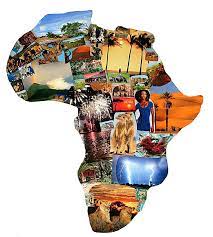
Kukuza Kubadilishana Utamaduni: Kuenzi Utofauti katika Muungano wa Mataifa ya Afrika 🌍🌟
Tunaishi katika bara lenye utajiri wa tamaduni tofauti, lugha, na desturi. Sasa ni wakati wa kuungana na kujenga Muungano wa Mataifa ya Afrika, ambao utatusaidia kuwa na sauti moja na kuwa taifa moja lenye nguvu katika jumuiya ya kimataifa. 🤝🌍
Ili kufikia lengo hili, tunahitaji kujenga misingi ya kuimarisha umoja wetu. Njia moja ni kukuza kubadilishana utamaduni, ambapo tunajifunza kutoka kwa tamaduni zetu tofauti na kuziunganisha pamoja. Hii itatuletea uelewa mzuri wa kila mmoja na kuimarisha umoja wetu. 🌍🌟
Suala la kwanza ni kukuza lugha ya Kiswahili kama lugha ya mawasiliano rasmi katika Muungano wa Mataifa ya Afrika. Lugha hii itatusaidia kuwasiliana na kuelewana vizuri, na kuondoa vizuizi vya lugha ambavyo vinatukabili sasa. 🗣️🌍
Pia tunapaswa kuthamini na kuenzi tamaduni zetu za asili. Tunaweza kufanya hivyo kwa kuanzisha shule na vyuo vya kukuza utamaduni wetu, kuwa na maonyesho ya sanaa na utamaduni, na kuhakikisha kuwa vijana wetu wanafahamu na kuthamini urithi wetu wa kitamaduni. 🎨🌍
Vilevile, tunaweza kushirikiana katika kukuza utalii wa kiutamaduni kwa kuimarisha miundombinu ya utalii, kuhifadhi maeneo ya kihistoria na kiasili, na kuanzisha vivutio vipya ambavyo vitawahamasisha watu kutembelea nchi zetu na kujifunza kuhusu tamaduni zetu. 🏛️🌍
Umoja wetu utakuwa imara zaidi ikiwa tutafanya kazi pamoja katika kuboresha ushirikiano wa kiuchumi kati ya nchi zetu. Tunaweza kuanzisha soko la pamoja la Afrika, ambalo litasaidia kuondoa vikwazo vya biashara na kusaidia ukuaji wa uchumi wetu. 💰🌍
Kuendeleza viwanda na uwekezaji katika sekta zote muhimu ni njia nyingine ya kujenga nguvu ya pamoja katika Muungano wa Mataifa ya Afrika. Tukishirikiana katika sekta ya kilimo, viwanda, na huduma, tutakuwa na uwezo wa kujitegemea kiuchumi na kuondoa umaskini katika bara letu. 🏭💪
Katika harakati za kujenga Muungano wa Mataifa ya Afrika, tunapaswa kujifunza kutoka kwa uzoefu wa mataifa mengine duniani. Tunaweza kuiga mfano wa Muungano wa Ulaya, ambapo nchi zilijitenga na kujenga taasisi za kisiasa na kiuchumi zinazofanya kazi kwa pamoja. 👥🌍
Umoja wetu utaleta faida nyingi, ikiwa ni pamoja na kuwa na sauti yenye nguvu katika masuala ya kimataifa. Tutaweza kushawishi sera na maamuzi ya kimataifa, na kusimama imara dhidi ya ubaguzi na unyonyaji wa taifa moja dhidi ya nyingine. 💪🌍
Kwa kujenga Muungano wa Mataifa ya Afrika, tutakuwa na uwezo wa kudhibiti rasilimali za bara letu kwa manufaa yetu wenyewe. Tutaweza kusimamia na kusimulia hadithi yetu kama Waafrika, na kufanya maamuzi yanayolingana na maslahi yetu. 💎🌍
Viongozi wetu wa zamani wametupa mifano ya uongozi imara na ujasiri. Kwao, tunapaswa kutafakari maneno ya Mwalimu Julius Nyerere: "Tuko karibu zaidi kuliko tulivyodhani." Haya ni maneno ya motisha kwetu sote kuendeleza ndoto yetu ya Muungano wa Mataifa ya Afrika. 🌟🌍
Kwa kufanya kazi kwa pamoja, tunaweza kuwa na umoja unaotuletea maendeleo na utulivu. Kuwa na Muungano wa Mataifa ya Afrika kutamaanisha kuwa hatutategemea tena misaada kutoka nje, bali tutakuwa na uwezo wa kusaidia wenyewe na kusaidiana katika nyakati ngumu. 💪🌍
Je, una ndoto ya kuona bara letu likiwa imara, lenye umoja, na lenye nguvu? Jiunge na harakati za kuijenga "The United States of Africa" na jiulize, "Ninaweza kufanya nini kuchangia?" Kila mmoja wetu ana jukumu muhimu katika kufanikisha ndoto hii. 🌟🌍
Tujenge uwezo wetu kwa kusoma vitabu na makala za kuelimisha kuhusu Muungano wa Mataifa ya Afrika. Tushiriki maarifa haya na marafiki zetu na tuwahamasishe kuwa sehemu ya ndoto hii. Pia, tushiriki makala hii kwa wengine ili kueneza ujumbe wa umoja wetu. 📚🌍
Tunapaswa kuwa na matumaini na kujiamini katika safari yetu ya kujenga Muungano wa Mataifa ya Afrika. Tuamini kuwa tunaweza kufanikisha ndoto hii na tuitie moyo Afrika nzima kuiunga mkono. Tuwe na moyo thabiti na tufanye kazi kwa bidii, kwani "The United States of Africa" ni ndoto inayoweza kutimia. 💪🌍