

Celebrating African Fashion: A Tapestry of Diversity, a Legacy of Unity
African fashion transcends mere clothing; it embodies a powerful narrative of the continent's rich cultural heritage and serves as a potent symbol of unity within an extraordinarily diverse landscape. This exploration analyzes the aesthetic and unifying potential of African fashion, demonstrating its capacity to bridge cultural divides and cultivate a stronger collective identity. We will define key concepts such as cultural identity, social cohesion, and economic empowerment within the context of African fashion, drawing on relevant sociological and economic theories to inform our analysis.
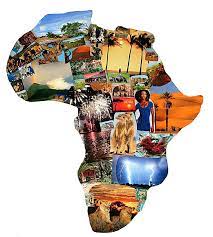
The remarkable diversity of African fashion reflects the continent's multifaceted cultural landscape, encompassing 54 nations, each with unique historical trajectories and cultural practices. The contrasting aesthetics – for instance, the flowing elegance of a Moroccan Kaftan versus the vibrant energy of a Nigerian Dashiki – exemplify this diversity. However, this diversity, rather than representing a source of division, should be viewed through the lens of social capital theory, which posits that diverse networks create opportunities for innovation and growth. Embracing this heterogeneity strengthens the collective African narrative, creating a rich tapestry of shared identity. This aligns with the concept of hybridity, where cultural mixing leads to new forms of expression and understanding.
African fashion acts as a powerful trans-geographical connector, fostering a sense of pan-African identity. Wearing traditional garments becomes a symbolic act, connecting individuals to a shared heritage and facilitating a silent dialogue of unity. This shared aesthetic transcends political and socio-economic boundaries, promoting social cohesion. This resonates with the principles of symbolic interactionism, where meaning is created and negotiated through shared symbols and interactions. The shared aesthetic of African fashion builds bridges and strengthens the sense of community.
The aspirational vision of unity championed by Nelson Mandela finds a compelling parallel in the unifying potential of African fashion. It mirrors the concept of restorative justice, where mending past wounds and promoting reconciliation are central. By embracing the philosophy of Ubuntu – the profound belief in shared humanity – we can harness the transformative capacity of fashion to construct a more harmonious and unified continent. This mirrors the concept of collective efficacy, where a shared belief in collective action leads to positive social outcomes.
History provides compelling examples of fashion's role in forging national and supranational identities. The adoption of common symbols, like flags and currencies, within the European Union demonstrates the power of shared aesthetics in building a collective identity. Similarly, African fashion can serve as a powerful unifying force, reminding us of our shared heritage and collective strength. This application of social identity theory highlights how shared symbols and practices foster a sense of belonging and unity.
Supporting local designers and artisans is paramount to promoting African unity through fashion. Investing in African-made garments signifies more than personal style; it represents an investment in the continent's economic empowerment and growth. This aligns with the principles of sustainable development, where economic progress is linked to social equity and environmental sustainability. By choosing African-made clothing, consumers directly contribute to the livelihoods of talented artisans and the broader economic development of African communities.
Fashion events such as Lagos and Cape Town Fashion Weeks serve as vital platforms for showcasing African talent and fostering unity within the fashion industry. These events provide a space for networking, idea exchange, and collaborative celebration of African artistry. This fosters the development of social networks, increasing social capital within the African fashion industry. Active participation strengthens the bonds that unite African creatives as a collective force.
Promoting unity transcends local communities; it constitutes a shared responsibility. African fashion choices can instigate conversations, educate others about the continent's diverse cultures, and cultivate a deeper understanding of its rich heritage. Wearing African garments with pride transforms individuals into cultural ambassadors, fostering a more nuanced global perspective on Africa. This reflects the concept of intercultural communication, where cross-cultural understanding is promoted through the exchange of symbols and ideas.
Envisioning a future where African fashion garners global recognition for its unparalleled craftsmanship and unique style, serving as a symbol of African excellence, is a realistic aspiration. This can be achieved by a collective effort in supporting designers and promoting the continent's heritage. Let us celebrate the beauty and diversity of African fashion, projecting a powerful image of a unified and prosperous Africa on the global stage. This requires a concerted strategy combining marketing, branding, and international collaboration.
In conclusion, African fashion serves as a powerful tool for fostering unity, economic empowerment, and cultural understanding on the continent. By strategically supporting local designers, promoting cross-cultural exchange through fashion events, and celebrating the continent’s rich diversity, we can collectively build a more unified and prosperous Africa. Further research could explore the quantitative impact of fashion initiatives on economic growth and social cohesion in specific African countries. This could involve case studies of successful fashion initiatives, examining their impact on employment, income generation, and social integration. The findings could inform the development of more effective policies and interventions aimed at harnessing the power of fashion for positive social and economic change.
Reader Pool: Considering the multifaceted nature of African identity and the complexities of achieving continental unity, how effectively does the concept of "African fashion" as a unifying force address the broader political, economic, and social challenges facing the continent?


No comments yet. Be the first to share your thoughts!