

Holistic Arthritis Pain Management: A Biopsychosocial Approach
Arthritis, a chronic inflammatory condition affecting joints, profoundly impacts physical functionality and overall well-being. This article proposes a comprehensive management strategy based on established health behavior models: the Biopsychosocial Model (BPM), emphasizing the interplay of biological, psychological, and social factors in health; the Health Belief Model (HBM), focusing on perceived susceptibility, severity, benefits, barriers, cues to action, and self-efficacy in influencing health behaviors; and Social Cognitive Theory (SCT), highlighting the reciprocal interaction between personal factors, environmental factors, and behavior. A crucial element within SCT is self-efficacy, representing an individual's belief in their capacity to successfully perform actions needed to achieve desired outcomes. These models provide a framework for understanding and addressing the complex challenges in arthritis management. The BPM acknowledges the multifaceted nature of the disease, requiring a holistic approach that integrates biological, psychological, and social factors, while the HBM and SCT guide strategies to improve patient adherence and self-management.
1. Shared Decision-Making and Optimized Therapeutic Interventions: A Patient-Centered Approach
Effective arthritis management begins with a collaborative patient-provider relationship. Shared decision-making, central to patient-centered care, empowers individuals in treatment planning. This approach, aligning with the HBM's emphasis on perceived benefits and control, mitigates potential barriers and improves treatment adherence. A thorough assessment of individual needs, preferences, and goals informs the selection of pharmacological and non-pharmacological interventions. Continuous monitoring of disease activity and treatment efficacy ensures optimal pain management and prevents disease progression. This collaborative approach fosters patient autonomy and improves treatment outcomes, illustrating principles of both the HBM and the BPM.
2. Multimodal Pain Management: Integrating Pharmacological and Non-Pharmacological Strategies
A multimodal approach to pain management, combining pharmacological and non-pharmacological interventions, is often necessary. This directly addresses the biological aspects of arthritis within the BPM framework. Pharmacological interventions, such as NSAIDs, corticosteroids, or DMARDs, are selected based on individual factors, potential drug interactions, and risk-benefit profiles. Non-pharmacological modalities, detailed below, enhance pain relief and improve functional capacity. This combined strategy leverages the strengths of different treatment modalities to provide comprehensive pain control and improve quality of life for patients.
3. Physical Therapy and Exercise: Enhancing Functional Capacity and Self-Efficacy
Structured physical therapy programs, employing principles of progressive overload and specificity from exercise physiology, are essential for improving joint mobility, muscle strength, and functional capacity. Low-impact aerobic exercise, strengthening, and range-of-motion exercises are crucial. This approach enhances self-efficacy (SCT) by demonstrating tangible improvements, reducing perceived barriers to activity (HBM), and aligns with personalized medicine principles. Regular physical activity also aids weight management, reducing stress on joints and potentially slowing disease progression. The improvements in physical function directly impact the patient's belief in their ability to manage the condition (self-efficacy).
4. Assistive Devices and Adaptive Strategies: Promoting Independence and Reducing Joint Stress
Assistive devices (canes, walkers, splints) and adaptive strategies reduce physical strain on affected joints, mitigating pain and improving independence. This approach directly addresses perceived barriers to daily functioning (HBM) and reinforces self-efficacy (SCT) by promoting autonomy. Occupational therapists guide the selection and proper use of assistive devices, ensuring optimal fit and functionality. This highlights the practical application of the HBM and SCT in improving daily living for arthritis patients.
5. Lifestyle Optimization: Nutritional Intake, Hydration, and Stress Management
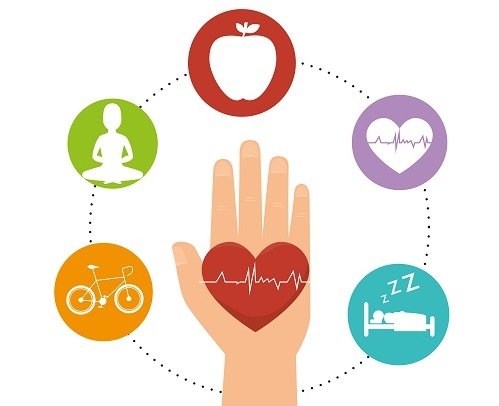
A healthy lifestyle is crucial for mitigating arthritic pain. A balanced diet, rich in anti-inflammatory foods (omega-3 fatty acids, antioxidants, fruits, vegetables), reduces inflammation. Adequate hydration supports joint lubrication. Effective stress management techniques (mindfulness, yoga, meditation) address the psychological dimension (BPM) and reduce stress's negative impact on inflammation and pain perception. These lifestyle changes enhance self-efficacy and improve overall well-being, demonstrating the interplay between biological and psychological factors.
6. Complementary and Integrative Medicine (CIM): An Evidence-Based Approach
While some individuals benefit from CIM (acupuncture, massage therapy), a cautious approach is necessary, only after consultation with a healthcare provider. Evidence-based integration of CIM ensures safety and effectiveness, considering potential drug interactions. Shared decision-making, guided by evidence and patient preferences, should govern CIM integration. This careful consideration highlights the importance of basing any treatment decisions on sound evidence and shared patient-provider dialogue.
Conclusion and Recommendations
Effective arthritis management necessitates a holistic, patient-centered approach, integrating biological, psychological, and social factors, guided by the BPM, HBM, and SCT. Future research should focus on developing personalized interventions based on individual patient data, leveraging technology for remote monitoring and support, and rigorously evaluating the long-term effectiveness and safety of CIM across diverse populations. Implementing a multifaceted strategy emphasizing shared decision-making and promoting self-management will significantly improve quality of life for arthritis patients. The development and implementation of accessible, effective management strategies will ultimately lead to better patient outcomes and optimize healthcare resource allocation. A key future direction is the integration of digital health technologies to enhance remote monitoring, personalized interventions, and patient education.
Reader Pool: Considering the limitations of current arthritis management approaches, what innovative, evidence-based strategies could significantly improve patient outcomes and facilitate more accessible, equitable care delivery?




No comments yet. Be the first to share your thoughts!