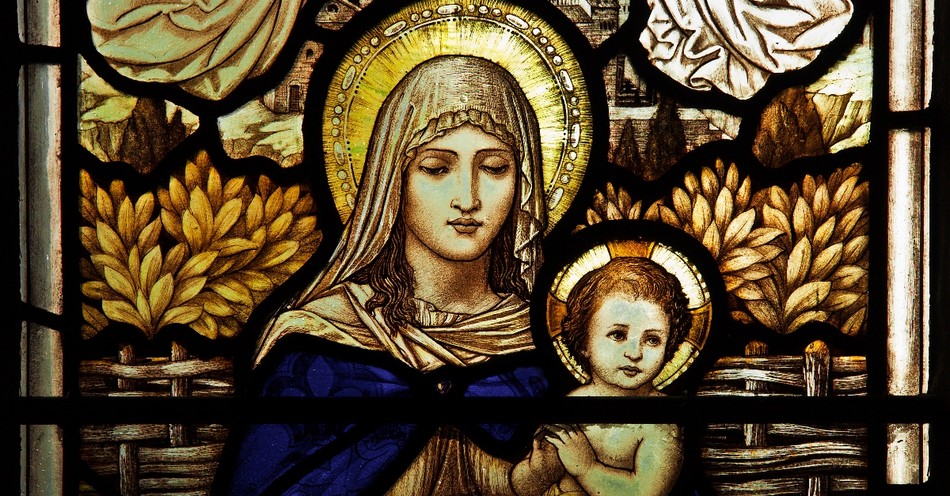
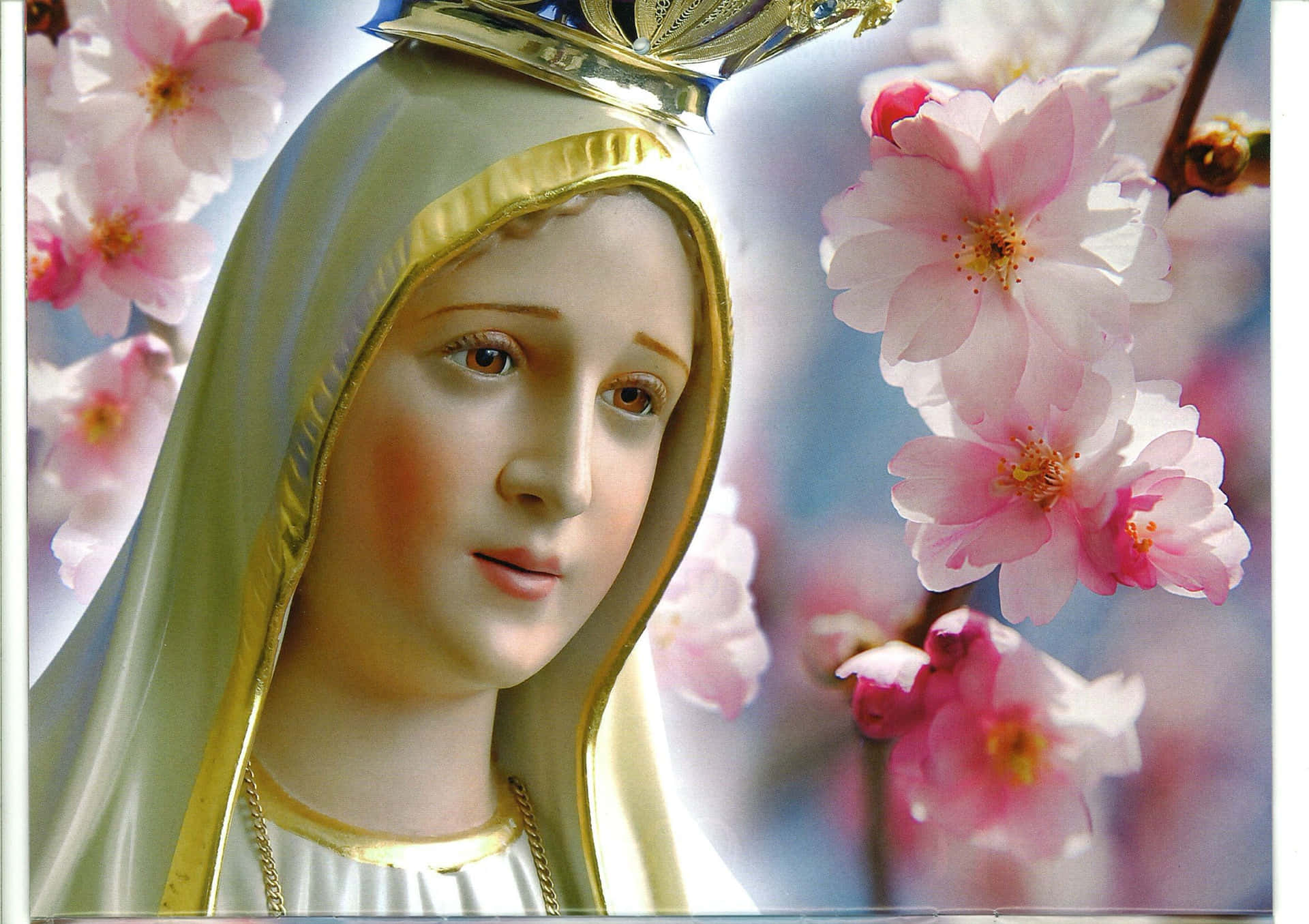
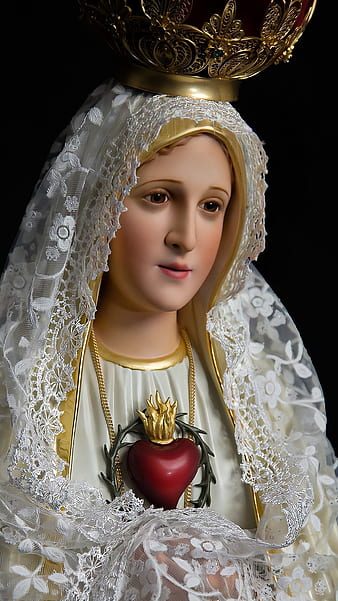
Mary's Role as a Model of Faith for All Believers
Updated at: 2023-08-05 13:20:18 (3 years ago by Melkisedeck Leon Shine)
πΉMary's Role as a Model of Faith for All BelieversπΉ
As a devout Christian, there is no doubt that the Virgin Mary holds a special place in my heart. She is not only the Mother of God, but also a shining example of faith for all believers. Throughout the Bible, we see countless instances where Mary's unwavering trust in God serves as a model for us to follow. Let's explore some of these points and dive deeper into the incredible role Mary plays in our spiritual lives.
1οΈβ£ The Annunciation: One of the most iconic events in Mary's life is when the angel Gabriel appeared to her and announced that she would conceive a child by the Holy Spirit. Despite the confusion and uncertainty that must have overwhelmed her, Mary responded with complete surrender, saying, "Behold, I am the handmaid of the Lord; let it be to me according to your word" (Luke 1:38). Her resolute faith in God's plan is truly inspiring.
2οΈβ£ The Magnificat: In the Gospel of Luke, we find Mary's beautiful hymn of praise known as the Magnificat. This eloquent expression of gratitude and humility demonstrates Mary's deep spiritual understanding and trust in God's providence. Through her words, we are reminded of the importance of surrendering to God's will and magnifying His greatness in our lives.
3οΈβ£ The Wedding at Cana: At the wedding feast in Cana, Mary's role as intercessor shines brightly. When the wine ran out, she turned to Jesus and said, "They have no wine." Even though Jesus initially replied, "Woman, what does this have to do with me?" (John 2:4), Mary trusted in His power and told the servants, "Do whatever he tells you" (John 2:5). As a result, Jesus performed His first miracle, turning water into wine. Mary's unwavering faith in her Son's ability to provide is a powerful reminder for us to turn to Jesus in all our needs.
4οΈβ£ The Crucifixion: Mary's faith was tested like no other when she witnessed the crucifixion of her Son, Jesus. Despite the immense pain and sorrow she must have felt, Mary remained steadfast in her trust in God's plan. Standing at the foot of the cross, she became not only the Mother of God but also the Mother of all believers, as Jesus entrusted her to John and, by extension, to each of us (John 19:26-27). In her sorrow, Mary teaches us to find comfort and strength in the midst of our own sufferings.
5οΈβ£ The Assumption: The Assumption of Mary, dogmatically defined by the Catholic Church, affirms that at the end of her earthly life, Mary was taken body and soul into heavenly glory. This great privilege bestowed upon her by God further emphasizes her unique role as a model of faith. Just as Mary was assumed into heaven, we too aspire to follow her example and strive for eternal life with God.
The Catechism of the Catholic Church beautifully summarizes Mary's role, stating, "By her complete adherence to the Father's will, to his Son's redemptive work, and to every prompting of the Holy Spirit, the Virgin Mary is the Church's model of faith and charity" (CCC 967). Through her obedience, trust, and love for God, Mary exemplifies what it means to live a life centered on faith.
It is worth mentioning that the Catholic Church honors Mary as the Immaculate Conception, a belief that she was preserved from the stain of original sin from the moment of her conception. This unique privilege further underscores her role as a model of faith and purity.
When we reflect on Mary's life, we cannot help but be filled with admiration and gratitude for her unwavering faith. She teaches us to trust in God's plan, to surrender our lives to His will, and to intercede for others with love and compassion. Mary's example is a guiding light for all believers, reminding us of the power of faith in our spiritual journey.
So, dear friend, what are your thoughts on Mary's role as a model of faith? How has her example influenced your own spiritual life? Let us continue to seek her intercession and strive to imitate her unwavering trust in God. ππΉ
Updated at: 2023-08-05 13:19:25 (3 years ago by Melkisedeck Leon Shine)
Mary's Fiat: A Model of Surrender and Obedience
π Introduction π In the story of Christianity, the Blessed Virgin Mary holds a special place as the Mother of God. Her unwavering faith, surrender, and obedience have made her a model for all believers to follow. Mary's "fiat," or her "yes" to God's plan, demonstrates the utmost trust in the divine will. Let us explore the beauty of Mary's surrender and obedience, and how we can apply these virtues in our own lives.
1οΈβ£ A Humble Heart π Mary's fiat was rooted in her deep humility. Despite being chosen to be the Mother of God, she never sought recognition or power. Instead, she embraced her role with grace and humility, recognizing that she was simply an instrument in God's divine plan. Her humility serves as a reminder to us all to be humble in our own lives and to trust in God's plan for us.
2οΈβ£ Surrendering to God's Will π Mary's fiat exemplifies her complete surrender to God's will. When the angel Gabriel appeared to her, announcing that she would bear a child, Mary's response was, "Behold, I am the handmaid of the Lord; let it be to me according to your word" (Luke 1:38). This profound act of surrender teaches us the importance of aligning our will with God's and trusting in His plan, even when it may be difficult or unknown to us.
3οΈβ£ Obedience in Action π Mary's obedience to God's will was unwavering. She willingly accepted the challenges and uncertainties that lay ahead, knowing that God was guiding her every step of the way. Her obedience allowed her to fulfill her role as the Mother of God and participate in the salvation of humanity. Just as Mary embraced obedience, we too are called to faithfully follow God's commandments and live in accordance with His teachings.
4οΈβ£ Biblical Examples βοΈ Throughout the Bible, we can find numerous examples of Mary's surrender and obedience. One such example can be seen at the Wedding at Cana (John 2:1-11). When the wine ran out, Mary turned to Jesus and said, "They have no wine." Even though Jesus initially responded, "Woman, what does this have to do with me?" Mary remained steadfast in her faith and obedience, telling the servants, "Do whatever he tells you." By trusting in Jesus and following His instructions, Mary played a pivotal role in the first public miracle performed by Jesus.
5οΈβ£ The Catechism's Wisdom π The Catechism of the Catholic Church beautifully articulates Mary's fiat and its significance: "By her complete adherence to the Father's will, to his Son's redemptive work, and to every prompting of the Holy Spirit, the Virgin Mary is the Church's model of faith and charity" (CCC 967). Mary's surrender and obedience serve as an inspiration for all believers, reminding us to align our lives with God's will and to trust in His guidance.
6οΈβ£ Saints and Mary's Fiat πΌ Throughout the history of the Catholic Church, many saints have looked to Mary as a model of surrender and obedience. Saint Therese of Lisieux, for example, had a deep devotion to the Blessed Virgin Mary and often prayed to her for guidance in her own spiritual journey. Saint Maximilian Kolbe also found inspiration in Mary's fiat, choosing to surrender his life in the place of a fellow prisoner in Auschwitz. These saints and many others have recognized the powerful example set by Mary and sought to emulate her virtues in their own lives.
7οΈβ£ Finding Strength in Surrender πͺ Surrendering to God's will does not mean giving up or losing control. On the contrary, it is an act of trust and a recognition that God's plan is far greater than our own. When we surrender to God, we find strength in knowing that He is in control and that He will guide us through any challenges we may face.
8οΈβ£ Embracing Obedience as Love β€οΈ Obedience is often seen as a restrictive concept, limiting our freedom and desires. However, Mary's obedience shows us that true obedience is an act of love. By following God's commandments and living according to His teachings, we show our love and gratitude for all that He has done for us. Obedience is not a burden, but rather a path to true freedom and fulfillment in our lives.
9οΈβ£ Mary, Our Loving Mother π©βπ§βπ¦ As Catholics, we have a special devotion to the Blessed Virgin Mary. She is not only the Mother of God but also our loving mother who intercedes for us and guides us along our spiritual journey. Just as a loving mother looks after her children, Mary watches over us and offers us her support and prayers. We can turn to her in times of need, seeking her intercession and following her example of surrender and obedience.
π€ Conclusion π€ Mary's fiat serves as a model of surrender and obedience for all believers. Her humility, surrender, and obedience are virtues that we can strive to emulate in our own lives. By trusting in God's plan, aligning our will with His, and obediently following His commandments, we can grow in faith and deepen our relationship with Him. Let us reflect on Mary's example and ask ourselves, are we willing to say "yes" to God's will in our own lives? π
What are your thoughts on Mary's surrender and obedience? How can you apply these virtues in your own life? Share your reflections and experiences below.
Updated at: 2025-06-05 10:37:00 (1 year ago by Melkisedeck Leon Shine)
```htmlIntroduction: Defining Key Concepts
This discourse examines the profound impact of pilgrimage to Marian shrines within the context of Catholic faith. We will define key concepts: Marian shrines, consecrated sites dedicated to the Blessed Virgin Mary; pilgrimage, a journey undertaken for spiritual growth and devotion; and intercession, the act of pleading on behalf of another. We will analyze the theological underpinnings of Marian devotion, the sociological aspects of pilgrimage, and the reported transformative experiences of pilgrims, drawing on relevant theological principles, sociological models, and case studies. The concept of liminality, the transitional state between one's everyday life and a sacred space, will be a key lens through which to analyze the pilgrimage experience.
Theological Foundation of Marian Devotion
The Catholic Church's veneration of Mary rests upon the biblical narrative, particularly the Annunciation (Luke 1:28) and her role in the life, death, and resurrection of Jesus Christ. Maryβs unique position as the Mother of God (Theotokos) is central to Catholic theology. The doctrine of the Immaculate Conception and the Assumption further emphasize her holiness and privileged position within the divine plan of salvation. Her role as intercessor, stemming from her intimate relationship with God and her compassion for humanity, forms the basis for many Marian devotions and pilgrimages.
The Socio-Psychological Dimensions of Pilgrimage
The act of pilgrimage itself can be analyzed through the lens of symbolic interactionism, a sociological perspective that emphasizes the construction of meaning through social interaction. Pilgrimage represents a powerful symbolic act, whereby individuals actively participate in constructing their spiritual identity and strengthening their relationship with the divine. Furthermore, pilgrimage provides a sense of community, fostering social bonds amongst fellow pilgrims. Victor Turner's concept of liminality provides a framework for understanding the transformative nature of the pilgrimage experience. The journey itself, the time spent at the shrine, and the return to daily life all constitute phases of liminality, allowing for a period of reflection, spiritual renewal, and a potential shift in perspective.
Marian Shrines as Sites of Grace and Healing
Numerous Marian shrines, such as Lourdes, Fatima, and Guadalupe, serve as focal points for pilgrimage. Each shrine holds unique historical significance and attracts pilgrims seeking spiritual healing, both physical and emotional. The reported miracles and healings associated with these sites are interpreted within the framework of divine grace and Mary's intercessory power. While scientifically verifiable evidence may be lacking, the subjective experiences of pilgrims and the social impact of these events contribute to the sustained significance of these sites. The experience of these shrines can be studied using phenomenological approaches which prioritize subjective lived experiences.
Lourdes, Fatima, and Guadalupe: Case Studies in Marian Piety
Lourdes, known for its miraculous healings, embodies the hope and faith associated with Marian intercession. The apparitions to Bernadette Soubirous continue to inspire pilgrims. Fatimaβs emphasis on prayer, penance, and conversion highlights the transformative potential of religious experiences. Finally, Our Lady of Guadalupe, a powerful symbol of faith in the Americas, emphasizes Mary's role as a unifying figure across cultures and communities. These case studies showcase the diverse ways in which Mary's presence is experienced and interpreted across geographical and cultural contexts.
The Pilgrimβs Journey: A Process of Spiritual Transformation
Pilgrimage transcends mere physical travel; it is a spiritual odyssey. Through acts of devotion such as prayer, the rosary, and reflection, pilgrims engage in a process of self-discovery and spiritual growth. The physical journey mirrors the spiritual journey, signifying a transition from a state of secular existence to a heightened state of spiritual awareness. This process aligns with theories of transformative learning, where individuals undergo significant shifts in their understanding of themselves and their relationship with the world.
Conclusion and Recommendations
This exploration reveals the multifaceted nature of Marian pilgrimage. Theological foundations, socio-psychological factors, and case studies from prominent Marian shrines demonstrate the enduring power of this spiritual practice. Further research could investigate the long-term impact of pilgrimage on participants' spiritual lives, applying quantitative methods to analyze changes in faith, practice, and well-being. Cross-cultural comparative studies could also enrich our understanding of the diverse expressions of Marian devotion and their socio-cultural contexts. These insights will aid in comprehending and respecting individual spiritual experiences within a broader theological and sociological framework, potentially improving pastoral care for individuals embarking on this spiritual journey. The findings may inform the design of spiritual programs and interventions that harness the transformative power of faith and pilgrimage for individual growth and community building.
Reader Pool:
Considering the theological and sociological perspectives presented, how might the concept of Marian pilgrimage be recontextualized within a contemporary, increasingly secular society?
```
Updated at: 2023-08-05 13:20:27 (3 years ago by Melkisedeck Leon Shine)
The Significance of Marian Dogmas in Catholic Theology
π Introduction: The Virgin Mary holds a special place in the heart of every Catholic believer. As the Mother of God, her role in salvation history is profound and her impact on Catholic theology cannot be overstated. In this article, we will delve into the significance of Marian dogmas in Catholic theology, exploring their biblical and historical basis, and understanding their importance in our spiritual journey.
1οΈβ£ The Immaculate Conception: One of the most cherished Marian dogmas is the belief that Mary was conceived without original sin. This emphasizes her purity and sets her apart as the vessel chosen by God to bring forth His Son into the world. It is a testament to God's grace and the unique role Mary played in our salvation.
2οΈβ£ Biblical Basis: Although the term "Immaculate Conception" is not explicitly mentioned in the Bible, its roots can be found in the angel Gabriel's greeting to Mary in Luke 1:28. He addresses her as "full of grace," indicating her sinlessness from the moment of her conception. This belief was further developed and defined by the Church over time.
3οΈβ£ Perpetual Virginity: Another important Marian dogma is the belief that Mary remained a virgin before, during, and after the birth of Jesus. This affirms her unique role as the Mother of God and upholds her perpetual purity. Mary's virginity reflects her complete dedication to God and her immaculate character.
4οΈβ£ Biblical Examples: The perpetual virginity of Mary is supported by biblical evidence. In Matthew 1:18, it is stated that Joseph did not have any marital relations with Mary until she gave birth to Jesus, implying that they did not have sexual relations afterwards. This highlights the divine nature of Jesus' conception and the uniqueness of Mary's motherhood.
5οΈβ£ The Assumption: The Assumption of Mary teaches that at the end of her earthly life, Mary was taken body and soul into heaven. This dogma highlights her exalted role as the Queen of Heaven and her participation in the resurrection of the body. It is a beautiful affirmation of Mary's close union with her Son.
6οΈβ£ Catechism of the Catholic Church: The Catechism of the Catholic Church states, "The Assumption of the Blessed Virgin is a singular participation in her Son's resurrection and an anticipation of the resurrection of other Christians" (CCC 966). It reminds us of the hope we have in the resurrection and the promise of eternal life.
7οΈβ£ Historical Basis: The belief in the Assumption of Mary has its roots in early Christian tradition and has been celebrated since the earliest centuries of the Church. It was officially proclaimed as a dogma by Pope Pius XII in 1950, solidifying the significance of this belief for Catholics worldwide.
8οΈβ£ The Mother of God: One of the most fundamental beliefs about Mary in Catholic theology is her title as the Mother of God. This emphasizes her unique relationship with Jesus, who is both fully human and fully divine. Mary's role as the Mother of God displays her intimate connection with our Savior.
9οΈβ£ Bible Verses: The title "Mother of God" can be traced back to the Council of Ephesus in 431 AD, where it was affirmed to combat heretical teachings. The Bible supports this title in Luke 1:43, when Elizabeth, filled with the Holy Spirit, proclaims, "And why is this granted to me that the mother of my Lord should come to me?"
π Devotion to Mary: Marian dogmas play a significant role in fostering devotion to the Virgin Mary. Catholics honor her as the greatest of all saints and seek her intercession in their prayers. This devotion brings comfort, guidance, and a deeper connection to Mary as a mother figure in our spiritual journey.
πΉ Saints' Witnesses: Throughout history, countless saints have testified to the importance of Marian dogmas. They saw in Mary a powerful advocate, a source of inspiration, and a role model of faith. St. Maximilian Kolbe, for example, had a deep devotion to Mary and saw her as the perfect example of selfless love.
π A Divine Model: The significance of Marian dogmas in Catholic theology goes beyond mere theological debates. It is an invitation to follow Mary's example of faithfulness, humility, and surrender to God's will. Mary's "yes" to God's plan for her life serves as a model for us to say "yes" to God in our own lives.
β¨ Conclusion: The Marian dogmas hold a special place in Catholic theology, affirming Mary's unique role in salvation history and her close relationship with her Son, Jesus. These dogmas remind us of the grace and love poured out upon Mary, and they invite us to deepen our devotion to her as a spiritual mother. What are your thoughts on the significance of Marian dogmas in Catholic theology? How has your relationship with Mary impacted your faith journey? Share your opinions and experiences below!
Updated at: 2025-06-05 10:02:40 (1 year ago by Melkisedeck Leon Shine)
The Rosary: A Marian Contemplative Practice and its Theological Significance
Introduction: Defining Key Concepts
This essay explores the Rosary, a Catholic devotional practice, examining its theological underpinnings and spiritual efficacy. We will analyze its structure, focusing on the various sets of mysteries and their symbolic significance within the broader context of Marian theology and Christology. Key concepts include Marian devotion, the understanding of Mary's role in salvation history; Christocentricity, emphasizing Christ as the central figure; and contemplative prayer, a method of prayer focused on reflective meditation and union with God. We will draw upon relevant theological principles and models, including the concept of intercessory prayer and the role of the sacraments in the Catholic faith. The application of these concepts will be demonstrated through an analysis of the Rosary's structure and its impact on spiritual development.
The Structure and Significance of the Rosary Mysteries
The Rosary's structure is based on a cyclical pattern of prayers, primarily the Hail Mary, interwoven with meditations on specific events in the life of Jesus Christ, known as the Mysteries. This repetitive structure facilitates contemplative prayer, allowing for a deeper engagement with the narrative of salvation. The traditional mysteries are categorized into Joyful, Sorrowful, Glorious, and Luminous sets. Each set provides a unique lens through which to understand Christ's life, death, and resurrection. The Joyful Mysteries focus on the Incarnation and its immediate aftermath, highlighting God's grace and Mary's role in the divine plan. The Sorrowful Mysteries, conversely, emphasize the suffering of Christ, underscoring the significance of his sacrifice for humanity. The Glorious Mysteries celebrate the triumph of Christ over death and the promise of eternal life, drawing upon themes of resurrection and ascension. Finally, the Luminous Mysteries, added by Pope John Paul II, illuminate the public ministry of Jesus, emphasizing specific events that reveal his identity and mission.
Mary's Role as Intercessor and Spiritual Guide
The Rosaryβs structure integrates Marian devotion inherently. The recitation of the Hail Mary, a prayer invoking Mary's intercession, underscores her role as a model of faith and a powerful intercessor before God. This aligns with the theological concept of mediatrix, where Mary, as Mother of God, assists in bringing humanity closer to Christ. The Rosary's meditative structure facilitates personal reflection on Mary's life and her relationship with Jesus, allowing for emulation of her virtues and a deepening appreciation of her maternal role within the context of Christian faith. This resonates with theological models that emphasize the importance of spiritual mentorship and the emulation of virtuous figures.
The Rosary and Contemplative Prayer: A Path to Spiritual Transformation
The Rosary's repetitive structure and focus on meditative reflection facilitate contemplative prayer. The systematic engagement with the mysteries and the rhythmic repetition of prayers promote a state of mindfulness and interiority, allowing for a deeper connection with God and a heightened awareness of His presence in daily life. This aligns with the principles of contemplative prayer, which seeks to cultivate a deep communion with the divine through a process of reflective meditation and self-emptying. Regular practice of the Rosary can foster spiritual growth, leading to increased faith, hope, and love, thereby transforming the individual's relationship with God and others.
Biblical and Theological Foundations of Marian Devotion
The theological basis for Marian devotion is rooted in scripture and tradition. The Annunciation narrative (Luke 1:26-38) highlights Maryβs pivotal role in the Incarnation, while other biblical passages and patristic writings emphasize her unique status as the Mother of God. Doctrines such as the Immaculate Conception and the Assumption further solidify the understanding of Maryβs sanctity and her privileged position within the economy of salvation. These beliefs are supported by centuries of Catholic tradition and theological reflection, shaping the devotional practices, including the Rosary, that express veneration towards Mary. This historical context is crucial for understanding the significance of the Rosary within the broader framework of Catholic belief.
The Rosary in the Context of Catholic Tradition and Sainthood
The Rosary is deeply embedded in Catholic tradition and has been championed by numerous saints and theologians throughout history. Figures like Saint Louis de Montfort and Saint Teresa of Calcutta have testified to its spiritual efficacy and transformative power. Their writings and experiences illustrate the Rosary's capacity to deepen one's faith, provide solace in times of trial, and serve as a powerful tool for spiritual warfare, reinforcing the importance of this devotional practice within the broader context of Catholic spirituality. The historical witness of these figures strengthens the understanding of the Rosary's efficacy and supports its continued relevance in contemporary spiritual practice.
Conclusions and Recommendations
The Rosary, viewed through a theological lens, emerges not simply as a repetitive prayer, but as a potent tool for spiritual growth and transformation. Its structure facilitates contemplative prayer, allowing for deeper engagement with the life, death, and resurrection of Christ and the role of Mary in salvation history. The systematic meditation on the mysteries offers a rich tapestry of spiritual insights, fostering a closer relationship with both Jesus and Mary. Future research could explore the psychological and neurological effects of contemplative practices like the Rosary, investigating its impact on stress reduction, emotional well-being, and cognitive function. This could provide valuable insights into the multifaceted benefits of this traditional devotional practice. Promoting the Rosary as a means of contemplative prayer could enhance spiritual formation initiatives within various pastoral contexts.
Reader Pool:
Considering the theological framework presented, how might a deeper understanding of the Rosary's structure and symbolism contribute to a more meaningful and enriching spiritual practice?
Updated at: 2023-08-05 13:20:25 (3 years ago by Melkisedeck Leon Shine)
Title: Mary, Ark of the New Covenant: Bearing the Savior of the World
Introduction:
πβ¨πβ¨
As Christians, we hold a deep reverence for the Blessed Virgin Mary, the Mother of God. Her role in salvation history is one of great significance and her unwavering faith is an inspiration to us all. In this article, we will explore the beautiful title bestowed upon her - Mary, Ark of the New Covenant. Let's delve into why she is called such and how her unique role as the bearer of the Savior of the world fulfills the divine plan.
ππΉ
From the Annunciation to her acceptance of God's will, Mary played a pivotal role in God's plan for the salvation of humanity. Just as the Ark of the Old Covenant held the tablets of the Ten Commandments, Mary carried within her womb the Word made flesh, Jesus Christ.
πβοΈ
In the Old Testament, the Ark of the Covenant was considered holy and revered by the Israelites. It symbolized the presence of God among His people. Similarly, Mary, as the Ark of the New Covenant, carried within her the presence of God made flesh.
ππ
In the Book of Luke, we find the account of Mary's visit to her cousin Elizabeth. When Elizabeth heard Mary's greeting, she exclaimed, "Blessed are you among women, and blessed is the fruit of your womb!" (Luke 1:42) This echoes the words of King David in 2 Samuel 6:9, when he exclaimed, "How can the ark of the Lord come to me?" These parallels serve to highlight Mary's unique role as the Ark of the New Covenant.
π·πΌ
Mary, in her immaculate conception, preserved from all sin, provided the perfect dwelling place for Jesus. Just as the Ark of the Old Covenant was crafted with pure gold, Mary's purity made her a fitting vessel to carry the Son of God.
πβͺοΈ
From the earliest days of Christianity, the Catholic Church has held Mary in the highest regard. The Catechism of the Catholic Church states, "The Church's devotion to the Blessed Virgin is intrinsic to Christian worship." (CCC 971) Mary's role as the Ark of the New Covenant is central to this devotion.
ππ
Throughout history, numerous saints have expressed their devotion to Mary as the Ark of the New Covenant. Saint Ambrose wrote, "You are the vessel and tabernacle containing all mysteries." Saint Thomas Aquinas proclaimed, "Mary is the true Ark, because the flesh of Christ, the Bread of Life, has been contained in her."
β¨πβ¨
By embracing her role as the Ark of the New Covenant, Mary willingly carried the Savior of the world within her. She became the bridge between heaven and earth, bringing hope and salvation to all humanity.
π€±π
As the Mother of God, Mary's love and tender care for Jesus were unparalleled. Just as the Ark of the Old Covenant provided protection and shelter for the tablets of the Law, Mary protected and nurtured Jesus throughout His earthly life.
πΉπΉ
The Catholic Church teaches that Mary remained a perpetual virgin, even after giving birth to Jesus. This belief is based on biblical evidence, such as the angel's greeting to Mary, "Hail, full of grace!" (Luke 1:28) and Joseph's decision to take Mary as his wife without knowing her intimately (Matthew 1:18-25).
πβ¨
Mary's unwavering faith and obedience to God's will serve as an example for all believers. Her "Fiat" (Luke 1:38), her "Yes" to God's plan, teaches us the importance of surrendering ourselves to God's divine will.
πΉπ
The Catholic Church recognizes Mary as our powerful intercessor before God. Just as the Ark of the Old Covenant was a means of communicating with God, Mary's prayers and intercession bring us closer to her Son, Jesus Christ.
πΊπΊ
Just as the Ark of the Old Covenant was carried into the Promised Land, Mary, as the Ark of the New Covenant, continues to accompany us on our spiritual journey. She is the Mother of the Church, guiding and protecting us along the way.
π«π
Devotion to Mary brings immense joy, comfort, and spiritual graces. Our blessed Mother's love is a constant source of solace and inspiration. Through her intercession, we are drawn closer to the heart of her Son, Jesus.
πΉβοΈ
Mary's obedient "Yes" to God's plan played a vital role in our salvation. Through her cooperation, Jesus, the Savior of the world, was born into our midst, offering eternal life and redemption to all who believe.
β¨π·β¨
Mary, Ark of the New Covenant, holds a special place in our hearts and in the teachings of the Catholic Church. Her unique role as the bearer of the Savior of the world is a testament to her unwavering faith and love for God. Let us turn to her in prayer, seeking her intercession and guidance, as we strive to follow her example of trust and surrender to God's will.
What are your thoughts on the significance of Mary as the Ark of the New Covenant? How has devotion to her impacted your spiritual journey?
Updated at: 2025-06-05 11:13:43 (1 year ago by Melkisedeck Leon Shine)
Introduction
The Virgin Mary occupies a position of profound veneration within Roman Catholicism. This article systematically analyzes the theological framework supporting Mary's elevated status, particularly her queenship. We will explore the scriptural basis, the historical development of relevant doctrines, and the implications for Catholic spirituality. Key concepts include Marian doctrines (Immaculate Conception, Perpetual Virginity, Assumption), Christology (the study of Jesus Christ), and the role of intercessory prayer. These will be examined through established theological frameworks, considering the historical evolution of Catholic doctrine and Marian piety. We will leverage concepts from systematic theology, historical theology, and ecclesiology to provide a comprehensive analysis.
1. Mary as Theotokos: The Foundation of Marian Theology
The title "Theotokos," meaning "God-bearer," conferred upon Mary at the Council of Ephesus (431 CE), is paramount. This affirmation of Jesus' divinity establishes Mary's central role in the Incarnation. This christological affirmation, solidified by conciliar pronouncements, highlights the Church's process of clarifying theological understanding through reasoned discourse and scriptural interpretation. The Council of Ephesus exemplifies the application of conciliar methodology in resolving theological disputes and shaping doctrinal development.
2. Perpetual Virginity: Holiness and the Vessel of Salvation
The doctrine of Mary's perpetual virginity, while not explicitly detailed in all biblical passages, is a cornerstone of Catholic belief. This emphasizes her purity and holiness, highlighting her unique role as the instrument through which God entered the world. This illustrates the application of theological interpretation and tradition to build upon scriptural accounts, demonstrating the Church's evolving understanding of Marian theology over centuries. Exegetical approaches to Matthew 1:25 vary, impacting interpretations of this belief.
3. Mary as the New Eve: Redemption and Typological Interpretation
Comparing Mary and Eve provides a powerful theological lens. Eve's disobedience initiated humanity's fall; Mary's obedience, expressed in her "fiat" at the Annunciation, reversed this, initiating salvation through her Son. This utilizes typology, a hermeneutical method identifying parallels between Old and New Testament figures and events. This approach emphasizes Jesus' redemptive work, with Mary playing a vital mediating role. The typological interpretation underscores the overarching narrative of salvation history.
4. The Assumption: Bodily Glorification and the Eschatological Dimension
The dogma of the Assumption (1950) affirms Mary's bodily ascension into heaven. This doctrine, rooted in early Christian tradition and consistent with Christ's resurrection, elevates Mary to unparalleled glory and foreshadows the ultimate destiny of believers. This exemplifies theological reflection, shaped by tradition and scripture, leading to doctrinal development. The papal declaration showcases the role of magisterial authority in clarifying and defining theological concepts to ensure doctrinal consistency across the Church. This act demonstrates the application of Papal Infallibility.
5. Mary's Queenship: Intercession and Advocacy
The title "Queen of Heaven and Earth" reflects Mary's exalted position and her role as intercessor for humanity. This builds upon her role in salvation history. The image of a queen interceding for her people provides a relatable analogy for Mary's advocacy before her Son. While employing this analogy, we must retain the transcendent nature of Mary's queenship, highlighting the creative theological communication of complex truths. This reflects the application of relational theology and kerygmatic preaching.
6. Marian Piety and the Saints: A Sociological and Anthropological Perspective
The profound Marian devotion expressed by numerous saints throughout history underscores the impact of Mary's role on believers' spiritual lives. This piety provides practical examples of the belief's influence on personal faith. Analyzing saints' writings and actions offers a sociological and anthropological perspective on the development and influence of Marian theology within religious practice. This demonstrates the application of practical theology and the study of religious experience.
7. Mary as Spiritual Mother: A Bond of Spiritual Maternity
Jesus' entrustment of Mary to John at the crucifixion ("Woman, behold your son!... Behold your mother!") establishes a spiritual motherhood extending to all believers. This maternal role fosters a profound spiritual connection. This demonstrates the application of biblical interpretation and theological reflection to define spiritual motherhood within Catholicism, deepening understanding of Mary's role in the believer's life. This aspect is analyzed using virtue ethics and models of spiritual formation.
8. Intercessory Power: The Wedding at Cana and the Efficacy of Prayer
The miracle at Cana exemplifies Mary's intercessory role. Her actions serve as a model, highlighting the power of prayer and the importance of seeking Mary's intercession. Utilizing this scriptural event illustrates the application of narrative theology, connecting abstract theological concepts to concrete examples. The effectiveness of prayer is analyzed using various models of faith development and spiritual psychology.
Conclusion and Recommendations
Belief in Mary's elevated status is deeply rooted in scripture, tradition, and reasoned theological reflection. This analysis demonstrates the use of theological concepts and methodologies to understand her queenship. Future research could explore the diverse expressions of Marian devotion across cultures, analyzing how Mary's queenship is understood globally. A comparative study of Marian theology across Christian denominations would provide further insight. Investigating Mary's intercessory roleβits efficacy, psychological impact, and theological implicationsβis another significant area for further research. This requires sensitivity and careful consideration, balancing theological accuracy with pastoral care. Further investigation into the interaction between Marian devotion and the lived experiences of faith, especially within the context of contemporary challenges, is needed.
Reader Pool:
Considering the multifaceted nature of Mary's role discussed, how might a deeper understanding of Marian theology contribute to a more nuanced and effective approach to contemporary Catholic evangelization and catechesis?
Updated at: 2023-08-05 13:19:27 (3 years ago by Melkisedeck Leon Shine)
π Mary, Mother of God: A Source of Comfort and Hope π
Introduction πΉ In the realm of Christianity, one figure stands out as a beacon of comfort and hope: Mary, the Mother of God. π As a devoted Catholic, I find solace and inspiration in her unwavering love and faith. Let us explore how Mary's presence can bring immense comfort and hope into our lives.
Divine Motherhood π©βπ¦ Mary's unique role as the Mother of God is a source of immense comfort for believers. In Luke 1:31, the angel Gabriel declares to Mary, "Behold, you will conceive in your womb and bear a son, and you shall name him Jesus." This miraculous event marked the beginning of Mary's journey as the chosen vessel to bring forth the Son of God into the world.
Intercessor and Advocate π As the Mother of God, Mary holds a special place in our hearts. In times of difficulty and despair, we can turn to her as a source of hope and comfort. Just as a loving mother cares for her children, Mary intercedes for us before the throne of God. β€οΈ In John 2:3-5, at the wedding in Cana, Mary's plea to Jesus for help resulted in the miracle of water turning into wine.
Motherly Compassion and Love π Mary's motherly compassion and love extend to all of humanity. She stood at the foot of the cross, witnessing the agony of her son, Jesus, as he sacrificed himself for our salvation. In that moment, she became the spiritual mother of all believers, as Jesus entrusted her to the care of his beloved disciple, John (John 19:26-27).
The Rosary as a Path to Comfort and Hope πΏ The Holy Rosary is a powerful prayer that connects us to Mary and allows us to reflect on the mysteries of Christ's life. Through the repetition of Hail Marys, we enter into a profound state of meditation and find comfort in Mary's presence. The Catechism of the Catholic Church states, "The whole of Mary's life is lived with her Son" (CCC 964) and through the Rosary, we can accompany her on this spiritual journey.
Miracles and Apparitions β¨ Throughout history, Mary has appeared to various individuals, offering comfort, hope, and guidance. Her apparitions, such as in Guadalupe, Lourdes, and Fatima, have left a profound impact on the faithful. These miraculous encounters serve as a reminder of Mary's love and her desire to bring us closer to her Son.
Devotion to Mary in Catholicism βͺ Devotion to Mary is deeply rooted in Catholic tradition. The Church recognizes her as the greatest of all the saints and the epitome of faith. The Early Church Fathers, such as St. Athanasius and St. Jerome, held her in high esteem and acknowledged her as the "Theotokos," meaning the "Mother of God."
Saints and Mary's Intercession π Countless saints throughout history have testified to the power of Mary's intercession. St. Louis de Montfort, a renowned Marian theologian, stated, "When we praise her, love her, honor her or give anything to her, it is God who is praised, God who is loved, God who is glorified, and this is what it means to be devoted to Mary."
The Perpetual Virginity of Mary πΊ It is important to understand that Mary, the Mother of God, remained a virgin throughout her life. The Gospel of Matthew (1:25) clearly states that Joseph "did not know her until she had borne a son." This affirms that Mary did not have any other children except Jesus.
Mary as a Model of Faith π Mary's unwavering faith and obedience to God's will make her a remarkable example for all believers. Her "yes" to the angel Gabriel, even in the face of uncertainty, demonstrates her complete trust in God. We can draw strength from her example and find comfort and hope in our own journeys of faith.
Conclusion π Mary, the Mother of God, offers us a source of comfort and hope that transcends worldly troubles. Through her intercession, love, and compassion, she guides us closer to her Son, Jesus Christ. Let us embrace her as our spiritual mother, seeking her guidance and consolation in times of need.
So, dear readers, what are your thoughts on the role of Mary, Mother of God, in providing comfort and hope? How has she impacted your spiritual journey? Share your opinions and experiences in the comments below. May Mary's love and presence continue to bring us comfort and hope on our Christian path. God bless you all! πβ¨
Updated at: 2023-08-05 13:19:42 (3 years ago by Melkisedeck Leon Shine)
Mary's Intercession: Prayers Answered through Her Advocacy
π Introduction π
As Christians, we believe in the power of prayer and the importance of seeking intercession from the saints. Among these saints, one holds a special place in our hearts - the Blessed Virgin Mary, the Mother of God. Throughout history, countless individuals have experienced the profound impact of Mary's intercession in their lives. In this article, we will explore the various ways in which prayers have been answered through her advocacy, providing examples from both biblical accounts and personal testimonies. Let us delve into the beautiful and miraculous world of Mary's intercession.
πΉ 1. Mary, the Perfect Intercessor πΉ
In Catholic tradition, Mary is seen as the perfect intercessor between humanity and God. She is revered as the Queen of Heaven and Earth, chosen by God Himself to bear His only Son, Jesus. Just as a loving mother advocates for her children, Mary actively intercedes for us, her spiritual children, before the throne of God.
π 2. The Wedding Feast at Cana π
One of the most well-known examples of Mary's intercession is found in the Gospel of John, where she plays a crucial role in the miracle at the Wedding Feast at Cana. When the wine ran out, Mary simply said to Jesus, "They have no wine" (John 2:3). Knowing His mother's deep love and concern, Jesus performed His first public miracle, turning water into wine. This incident demonstrates Mary's powerful intercessory role, as she saw the needs of others and brought them before her Son.
πΉ 3. The Rosary: A Powerful Devotion πΉ
Through the centuries, countless faithful have turned to Mary through the devotion of the Rosary. This powerful prayer, consisting of meditations on the life of Christ and the intercession of Mary, has been instrumental in obtaining answers to prayers. The repetition of the Hail Mary prayer not only honors Mary but also invites her intercession in our lives.
π 4. Personal Testimonies π
Beyond biblical accounts, there are numerous personal testimonies that highlight the efficacy of Mary's intercession. Many believers have experienced the power of praying the Rosary and witnessing their intentions answered. From physical healings to reconciled relationships, these stories serve as a testament to Mary's loving advocacy on our behalf.
πΉ 5. Saints Who Experienced Mary's Intercession πΉ
Throughout history, many saints have attested to the powerful intercession of Mary in their lives. St. Maximilian Kolbe, a martyr of the Holocaust, had a profound devotion to the Blessed Virgin Mary. He once said, "Never be afraid of loving the Blessed Virgin too much. You can never love her more than Jesus did."
π 6. The Catechism of the Catholic Church on Mary's Intercession π
The Catechism of the Catholic Church affirms the role of Mary as our intercessor. It states, "Mary, the all-holy ever-virgin Mother of God, is the masterwork of the mission of the Son and the Spirit in the fullness of time" (CCC 721). This teaches us that Mary's intercession is a divine gift, given to us by God Himself.
πΉ 7. The Assumption of Mary πΉ
Another example of Mary's unique role can be found in her Assumption into Heaven. The Catholic Church teaches that Mary, due to her sinlessness and special role as the Mother of God, was taken body and soul into Heaven at the end of her earthly life. This further emphasizes her close relationship with God and her ability to intercede for us.
π 8. Trusting in Mary's Intercession π
When we entrust our prayers to Mary's intercession, we place our complete trust in her maternal care and love. Just as a child runs to their mother in times of need, we can run to Mary, confident that she will bring our intentions to Jesus. Her role as the Mother of God grants her a unique closeness to Him, making her an invaluable advocate for our needs.
πΉ 9. The Miraculous Medal πΉ
The Miraculous Medal, popularized by the visions of Saint Catherine LabourΓ© in the 19th century, is another tangible symbol of Mary's intercession. By wearing or holding this medal, believers express their trust in Mary's advocacy and invite her to intercede for their needs. Many have reported experiencing miracles and graces through the wearing of this blessed sacramental.
π 10. Conclusion π
In conclusion, Mary's intercession is a powerful and comforting reality in our Christian faith. Through her love, she tirelessly advocates for us before the throne of God. Whether through biblical accounts, personal testimonies, or the teachings of the Catholic Church, we can witness the countless prayers that have been answered through her intercession. Let us continue to seek Mary's guidance and intercession in our lives, knowing that she will never cease to lead us closer to her Son, Jesus Christ.
πΉ What are your thoughts on Mary's intercession? Have you experienced the power of her advocacy in your life? Share your thoughts and testimonies below! πΉ
Updated at: 2023-08-05 13:19:14 (3 years ago by Melkisedeck Leon Shine)
The Intercession of the Blessed Virgin Mary π
The role of the Blessed Virgin Mary in the Catholic faith is one that holds great importance and reverence. As the Mother of God, she is seen as a powerful intercessor for all believers. πΉ
The concept of intercession refers to the act of someone praying on behalf of others. In the case of the Blessed Virgin Mary, her intercession is believed to be particularly potent due to her special relationship with Jesus. π
Throughout the Bible, we see instances of individuals seeking the intercession of Mary. One notable example is the Wedding at Cana, where Mary, noticing that the wine had run out, intercedes with Jesus on behalf of the wedding couple. Jesus, in turn, listens to his mother's request and performs his first miracle, turning water into wine. π·
This event serves as a powerful testimony to the intercessory power of the Blessed Virgin Mary. Her love and concern for others, combined with her close relationship with Jesus, allow her to bring our prayers and petitions directly to her Son. β¨
The Catechism of the Catholic Church states, "By asking Mary to pray for us, we acknowledge ourselves to be poor sinners and we address ourselves to the 'Mother of Mercy,' the All-Holy One." Mary's intercession is seen as a way to seek God's mercy and guidance in our lives. π
Catholic Saints have also written extensively about the intercession of the Blessed Virgin Mary. St. Louis de Montfort, for example, wrote in his famous book "True Devotion to Mary" about the power of Marian intercession and how it can lead us closer to Jesus. π
The rosary, a popular Catholic devotional prayer, is another way in which believers seek the intercession of Mary. By praying the Hail Mary and meditating on the mysteries of the life of Christ, Catholics believe they can draw closer to God through the intercession of the Blessed Virgin Mary. πΏ
One of the most remarkable aspects of Mary's intercession is that it extends to all aspects of our lives. Whether we are seeking guidance, healing, or simply comfort, Mary is always ready to intercede on our behalf. Her love for us as her children knows no bounds. β€οΈ
The Gospel of Luke provides further evidence of Mary's intercessory role. When the Angel Gabriel visited Mary to tell her she would bear the Son of God, he greeted her, saying, "Hail, full of grace, the Lord is with you" (Luke 1:28). This greeting acknowledges Mary's unique position as the one chosen by God to be the Mother of Jesus. π
The Catholic Church teaches that Mary's intercession is not a substitute for our direct relationship with God, but rather a way to enhance and deepen our connection to Him. It is through Mary that we can better understand and appreciate the love and mercy of our Heavenly Father. π
Another biblical example of Mary's intercession can be found at the foot of the Cross. While Jesus was dying, he entrusted his mother to the care of the Apostle John, saying, "Woman, behold, your son!" and to John, "Behold, your mother!" (John 19:26-27). In this moment, Jesus established Mary's role as the Mother of all believers, symbolizing her intercessory role in the life of the Church. π
Mary's intercession is not limited to her time on Earth but continues even in Heaven. The book of Revelation describes a vision of Mary appearing as the "woman clothed with the sun" who gives birth to a male child (Revelation 12:1-6). This image represents Mary's ongoing intercession for the Church and all believers. π
The Catholic Church teaches that Mary's intercession is so powerful that she can bring about miracles and healings. Countless testimonies and stories from believers all over the world attest to the miraculous intercession of the Blessed Virgin Mary in times of need. π
As Catholics, we are encouraged to turn to Mary in all aspects of our lives. Whether we are seeking guidance in our relationships, careers, or spiritual journeys, Mary is always there to intercede for us. Her love and compassion are boundless, and she desires nothing more than to lead us closer to her Son. πΉ
In conclusion, the intercession of the Blessed Virgin Mary is a beautiful aspect of the Catholic faith. Through her prayers and love, she brings us closer to Jesus and helps us experience His mercy and grace in our lives. May we always turn to Mary as our loving mother and seek her intercession in all our needs. π
What are your thoughts on the intercession of the Blessed Virgin Mary? Do you have any personal experiences or testimonies of her intercession in your life?