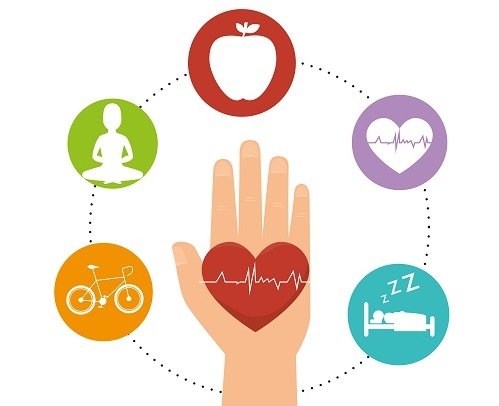
Exercise for Weight Loss: 15 Ways to Achieve Your Goals
Updated at: 2025-02-28 11:03:38 (1 year ago by Melkisedeck Leon Shine)
Achieving and maintaining a healthy weight involves a multifaceted approach, with exercise playing a pivotal role. Regular physical activity isn't merely about calorie burning; it's a cornerstone of overall well-being and contributes significantly to successful weight management. Let's delve into the numerous ways exercise supports your weight loss and health goals.
Metabolic Enhancement and Calorie Expenditure: Exercise significantly boosts your metabolism, the rate at which your body burns calories. This elevated metabolic rate persists even after your workout concludes, contributing to continuous calorie expenditure and aiding in weight loss. Furthermore, activities like running, swimming, or cycling directly burn calories, creating the calorie deficit necessary for shedding excess weight.
Muscle Building and Fat Reduction: Strength training, in particular, is crucial for building lean muscle mass. This is beneficial because muscle tissue burns more calories at rest than fat tissue. Consequently, increased muscle mass naturally increases your daily calorie expenditure, even when inactive. Simultaneously, aerobic exercises like jogging or dancing effectively target stored fat, leading to overall body fat reduction and improved body composition.
Metabolic Health and Appetite Regulation: Exercise profoundly improves metabolic health. It enhances insulin sensitivity, regulates blood sugar levels, and reduces the risk of developing metabolic disorders such as type 2 diabetesβall of which are crucial factors in successful weight management. Moreover, physical activity influences appetite regulation by reducing hunger hormones and increasing satiety hormones, leading to reduced cravings and easier calorie control.
Holistic Well-being and Long-Term Success: The benefits of exercise extend far beyond weight loss. Regular physical activity significantly improves mental health by releasing endorphins, mood-boosting chemicals that combat stress and anxiety. Improved sleep quality, a direct consequence of regular exercise, is also essential for effective weight management as it helps regulate hunger hormones and reduces impulsive food choices. Building strength and improving cardiovascular health through exercise enhances overall fitness levels, enabling more intense workouts and further contributing to weight loss.
Sustained Motivation and Lifestyle Integration: The positive impact of exercise extends to self-esteem and confidence. Achieving weight management goals through exercise fosters a sense of accomplishment and boosts self-image. Moreover, exercise can be a social activity, whether participating in group fitness classes or working out with a friend, providing valuable support and accountability. The flexibility of exercise options allows for easy integration into various lifestyles. Whether it's a brisk walk during your lunch break or a home yoga session, finding activities you enjoy ensures long-term adherence and sustained success.
Conclusion: A Sustainable Approach to Weight Management
Incorporating regular exercise into your lifestyle is not just beneficial; it's essential for effective and sustainable weight management. The combined effects of increased metabolism, calorie expenditure, muscle building, improved metabolic health, and enhanced mental well-being contribute to lasting results. Remember to find activities you genuinely enjoy to maintain motivation and create a sustainable exercise routine. Consistency is key to achieving your weight management goals and reaping the numerous holistic benefits of a physically active lifestyle. What are your favorite ways to incorporate exercise into your daily routine?
Updated at: 2025-07-17 11:06:11 (1 year ago by Melkisedeck Leon Shine)
Here is the rewritten article in HTML format: ```htmlIn contemporary society, conversations surrounding body image are pervasive, often laden with sensitivity and emotion. As such, it's crucial to approach these discussions with a framework of respect, empathy, and self-awareness. This article delves into the concept of **boundary setting**, a psychological strategy to delineate acceptable behaviors and interactions, particularly relevant in emotionally charged dialogues. By establishing and maintaining healthy boundaries, we cultivate safer, more productive spaces for open communication about body image.
Before exploring boundary-setting techniques, it's essential to understand the context of body image discussions. **Body image** refers to an individual's subjective perception and evaluation of their physical appearance. This perception is influenced by various factors, including personal experiences, social interactions, and media portrayals. The mediaβs impact may lead to the internalization of unrealistic ideals, potentially fostering body dissatisfaction and negative self-perception.
The following points offer actionable strategies for setting healthy boundaries in body image conversations, drawing upon principles of psychology, communication, and social awareness:
Identify and Acknowledge Personal Triggers: Self-awareness is the cornerstone of effective boundary setting. Take time for introspection, employing techniques such as journaling or mindfulness, to pinpoint specific topics, phrases, or behaviors that evoke negative emotions or insecurities related to body image. Understanding your triggers allows you to proactively establish and communicate your boundaries, preventing emotional distress. For example, if discussions about weight loss trends trigger anxiety, acknowledge this trigger and prepare a boundary statement.
Cultivate Mindful Communication: Language shapes perception. Engage in mindful communication by carefully selecting words that promote positivity, inclusivity, and respect. Avoid using language that perpetuates harmful stereotypes, reinforces unrealistic beauty standards, or objectifies individuals. Mindful communication promotes emotional support which can be a great asset in fostering a safe environment for open dialogue.
Value Diverse Perspectives: Recognize that body image is a deeply personal and subjective experience. Each individual holds unique perspectives shaped by their cultural background, personal history, and individual values. Embrace diverse viewpoints, even when they differ from your own, fostering an environment of mutual respect and understanding.
Practice Active Listening: Active listening is a fundamental communication skill that involves fully concentrating, understanding, responding, and remembering what is being said. Demonstrate active listening by giving your undivided attention to the speaker, maintaining eye contact, and providing verbal and nonverbal cues to show engagement. This validates the speaker's thoughts and feelings, fostering a sense of safety and trust.
Reject Social Comparison: Social Comparison Theory suggests that individuals have an innate drive to evaluate themselves by comparing themselves to others. In body image conversations, resist the urge to compare yourself or others to societal standards or idealized images presented in the media. Instead, focus on celebrating individuality and embracing the diversity of human beauty. You can also apply positive psychology, which can play a vital role to achieve this.
Establish and Communicate Personal Boundaries: Clearly define your personal limits and communicate them assertively and respectfully. For example, if a conversation veers into uncomfortable territory, politely state that you prefer to change the subject or disengage from the discussion. Use "I" statements to express your feelings and needs without placing blame on others.
Continuous Education and Awareness: Remain informed about body positivity, self-acceptance, and the impact of media on body image. Understanding these concepts facilitates constructive engagement in body image conversations and aids in challenging harmful societal norms. Further, learning about empathetic communication can greatly enhance your ability to navigate these sensitive discussions.
Promote Self-Love and Body Positivity: Actively promote self-love and body positivity in your conversations. Share empowering messages and stories that encourage individuals to embrace their unique qualities and challenge negative self-perceptions. Counteract the prevalence of negative body image by focusing on strengths and inner qualities.
Challenge Body Shaming Behavior: Body shaming, the act of criticizing or making negative comments about someone's body shape or size, is detrimental to self-esteem and mental well-being. Refrain from engaging in body shaming, either towards yourself or others. Instead, promote body acceptance and cultivate a culture of respect and appreciation for diverse body types. For instance, if someone makes a self-deprecating comment about their weight, gently redirect the conversation towards their positive qualities or accomplishments.
Challenge Societal Beauty Standards: Critically examine and challenge societal beauty standards that promote unrealistic expectations and perpetuate discrimination. Encourage conversations that deconstruct these norms and promote inclusivity, celebrating the diversity of human appearance. Discuss how media literacy and critical thinking skills can help individuals resist the pressure to conform to narrow beauty ideals.
Offer Support and Encouragement: Provide unwavering support and encouragement to individuals struggling with body image issues. Create a safe space where they can share their experiences without fear of judgment or ridicule. Offer a listening ear, validate their feelings, and remind them of their inherent worth and value.
Cultivate Empathy: Empathy, the ability to understand and share the feelings of another, is crucial for fostering meaningful connections and navigating sensitive conversations. Put yourself in the shoes of others and strive to understand their perspectives, even if you don't necessarily agree with them. Demonstrate empathy by validating their feelings and offering support and understanding.
Use Positive Reinforcement: Shift the focus away from physical appearance and highlight positive aspects of a person's personality, character, or accomplishments. Offer genuine compliments that boost self-esteem and create a more positive and affirming conversational environment.
Redirect Harmful Conversations: Be prepared to redirect conversations if they become negative, judgmental, or triggering. Gently steer the discussion towards more positive and inclusive topics, focusing on self-acceptance, body positivity, and overall well-being. If the conversation becomes too toxic, disengage respectfully and prioritize your own emotional well-being.
Model Positive Behaviors: Embody the values and behaviors you wish to see in others. Demonstrate kindness, respect, and self-acceptance in your own words and actions. By leading by example, you can inspire others to adopt healthier attitudes towards body image and engage in more constructive conversations. Furthermore, Unlock Joy with strategies to Cultivate Gratitude and Positivity in your daily living can be a great contribution for modeling positive behaviors.
Establishing healthy boundaries in body image conversations is crucial for fostering a supportive and inclusive environment. By applying the principles outlined above, grounded in psychological theories and communication strategies, we can transform potentially harmful dialogues into opportunities for growth, understanding, and self-acceptance. Empathy plays a vital role in building stronger relationships. These strategies, encompassing self-awareness, mindful communication, and proactive boundary setting, can be implemented in various settings, including personal relationships, social media interactions, and professional environments.
Further research could explore the efficacy of specific boundary-setting techniques in different cultural contexts, examining how cultural norms and values influence body image perceptions and communication styles. Additionally, longitudinal studies could investigate the long-term impact of consistent boundary setting on individuals' self-esteem, body satisfaction, and overall well-being. Furthermore, exploring the role of digital platforms in shaping body image conversations and developing strategies for promoting positive online interactions would be beneficial.
The principles discussed here have broad applicability, extending beyond body image conversations to encompass various interpersonal interactions. The ability to set healthy boundaries is a fundamental life skill that promotes self-respect, protects emotional well-being, and fosters healthier relationships. Also check out Building Stronger Friendships, to see how Trust, Authenticity, and Lasting Connections contribute to self-esteen
Ultimately, the goal is to create a society where individuals feel empowered to embrace their unique beauty, challenge unrealistic societal standards, and engage in respectful and supportive conversations about body image. Also, it is important to remember to constantly Unlock Your Potential: for Building Resilience to maintain healthy conversations with self and others
Moreover, as part of proven ways to improve communication, it's important to understand that healthy boundaries contribute significantly to a healthier relationship.
For those seeking guidance rooted in faith, Finding God's Peace can provide additional comfort and perspective when navigating sensitive topics.
Finally, for those that are looking for personal and relationship improvement, start with building Emotional Intimacy, as this will give a great advantage for better conversations and setting healty bounderies.
In what ways can educational institutions contribute to fostering healthier body image perceptions and promoting constructive conversations about body image among students?
Updated at: 2025-03-01 22:06:36 (1 year ago by Melkisedeck Leon Shine)
The digital age presents a unique challenge to maintaining a healthy body image. Constant exposure to idealized and often unrealistic portrayals of beauty on social media can significantly impact self-esteem and body perception. This article offers practical strategies to foster self-love and body positivity in the face of these pervasive pressures. Let's explore actionable steps towards a more positive and healthy relationship with your body.
Redefining Beauty: Embracing Diversity
The first step is recognizing that the narrow definition of beauty often presented online is inherently flawed. True beauty encompasses a vast spectrum of shapes, sizes, and ethnicities. Understanding and embracing this diversity is crucial. Celebrate the unique beauty of every body, including your own. Challenge the unrealistic standards perpetuated by media and instead focus on the inherent worth of every individual.
Curating Your Digital Environment
Consciously curate your online experience. Unfollow accounts that promote unrealistic body standards, focusing instead on those that champion body positivity, self-acceptance, and inclusivity. Surrounding yourself with positive and empowering content is vital to cultivating a healthier self-image. Remember, you have control over what you consume online.
Beyond Appearance: Recognizing Your Intrinsic Worth
Your worth transcends your physical appearance. Focus on your strengths, talents, accomplishments, and contributions to the world. Remind yourself regularly of your value as a person, independent of how you look. Cultivating a strong sense of self-worth based on internal qualities is crucial for navigating the pressures of the digital age.
Prioritizing Self-Care: Nurturing Your Well-being
Regular self-care practices are essential for building a healthy body image. Engage in activities that bring you joy and promote your well-beingβwhether it's exercise, pursuing hobbies, spending time in nature, or engaging in creative expression. These activities not only nurture your physical health but also contribute to a positive mental state.
Transforming Negative Self-Talk: The Power of Positive Affirmations
Challenge negative self-talk and replace self-criticism with positive affirmations. Instead of focusing on perceived flaws, appreciate your body's strengths and capabilities. Acknowledge the amazing things your body allows you to do, from walking and running to creating and expressing yourself. Practice self-compassion and treat yourself with the same kindness and understanding you would offer a friend.
Building a Supportive Community: Sharing Your Journey
Connect with a supportive community of like-minded individuals who share your journey towards body positivity. Sharing your experiences can provide validation, encouragement, and a sense of belonging. Online communities and in-person support groups can offer invaluable resources and shared experiences.
Understanding Image Manipulation: The Illusion of Perfection
Be aware that many images online are heavily edited and filtered, creating unrealistic expectations of beauty. Remember that these images often do not reflect reality. Understanding the pervasive use of photo editing and filters can help to mitigate the impact of unrealistic comparisons.
Practicing Gratitude: Appreciating Your Body's Capabilities
Take time each day to express gratitude for your body. Acknowledge its incredible capabilities and resilience. Appreciate the senses that allow you to experience the world, the mobility that enables you to move freely, and the strength that sustains you through daily life. Focusing on what your body *can* do, rather than what it *cannot*, is a powerful tool for cultivating appreciation.
Prioritizing Health: Nourishment over Appearance
Focus on nourishing your body with healthy foods, regular exercise, and sufficient rest. Shift your focus from achieving a specific look to overall well-being. A healthy lifestyle contributes not only to physical health but also to mental well-being, fostering a more positive body image.
Self-Expression Through Fashion and Style
Use fashion as a tool for self-expression and confidence. Experiment with different styles, clothing, and accessories that make you feel good about yourself. Embrace your individuality and express your unique personality through your clothing choices.
Mindful Language: Choosing Positive Self-Talk
Pay attention to the language you use when discussing your body. Avoid negative or derogatory terms. Instead, use positive and affirming language, reinforcing a healthy self-image. Remember, your words hold power, shape your thoughts, and influence your feelings.
Seeking Professional Support: Addressing Body Image Challenges
If you're struggling with body image issues, don't hesitate to seek professional help. A therapist or counselor can provide guidance, support, and strategies to cope with negative body image. There's no shame in seeking assistance; it's a sign of strength and self-awareness.
Leading by Example: Inspiring Others
By embracing body positivity and self-acceptance, you can inspire others to do the same. Your confidence and self-love can be contagious, creating a ripple effect of positive change. Be a role model for those around you, promoting inclusivity and healthy self-perception.
Embracing the Journey: Self-Compassion and Patience
Developing a positive body image is a journey, not a destination. There will be ups and downs. Practice self-compassion, allowing yourself to experience setbacks without judgment. Celebrate your progress, no matter how small, and remember that setbacks are an opportunity for growth.
You Are More Than Your Appearance
Ultimately, remember that your worth is intrinsic and independent of your physical appearance. You are valuable, deserving of love and respect, and perfectly imperfect. Embrace your unique beauty, love yourself unconditionally, and radiate your inner confidence. You are beautiful, just as you are.
Let's continue the conversation. Share your thoughts, experiences, and strategies for cultivating a positive body image in the comments below.
Updated at: 2025-02-23 06:06:54 (1 year ago by Melkisedeck Leon Shine)
The pervasive influence of societal beauty standards is undeniable. We're constantly bombarded with images and messages dictating what constitutes "perfect" skin, the ideal body shape, and overall attractiveness. But what if we dared to redefine beauty on our own terms? This article, guided by the principles of self-acceptance and celebrating individuality, offers a roadmap to break free from these restrictive norms and embrace your unique radiance.
This isn't about rejecting self-care or presentation; itβs about reclaiming control over your perception of beauty. Itβs about shifting from a paradigm of external validation to one of internal confidence and self-love. Let's explore practical steps to embark on this transformative journey:
Embrace Authentic Self-Acceptance: The foundational step is radical self-acceptance. Love yourself, flaws and all. Recognize your inherent worth transcends superficial appearances. Your unique qualities, quirks, and imperfections are what make you, you.
Celebrate the Kaleidoscope of Beauty: Beauty manifests in countless forms β diverse shapes, sizes, skin tones, and personal styles. Instead of striving for a singular, unattainable ideal, embrace the richness and variety of human beauty. Celebrate the uniqueness in every individual.
Challenge Unrealistic and Unhealthy Expectations: Societal beauty standards often present unrealistic and even unhealthy ideals. These standards are frequently unattainable and can lead to self-doubt and negativity. Actively challenge these expectations and remember that your worth is not determined by them.
Cultivate Inner Radiance: While physical attractiveness may initially draw attention, it's inner beauty that truly captivates and endures. Nurture qualities like kindness, empathy, confidence, and resilience. These inner strengths contribute far more significantly to your overall attractiveness.
Surround Yourself with Positive Influences: Your environment significantly impacts your self-perception. Seek out media and relationships that promote body positivity, self-love, and acceptance. Follow social media accounts that inspire and uplift rather than those that promote negativity or unrealistic standards.
Prioritize Holistic Self-Care: Nourishing your physical, mental, and emotional well-being is crucial for fostering inner beauty. Engage in activities that bring you joy, practice mindfulness, and prioritize activities that enhance your overall well-being.
Define Your Own Standards of Beauty: Rather than adhering to external dictates, define your own standards of beauty based on what makes you feel confident and comfortable. Your perception of beauty is unique and personal.
Deconstruct Beauty Stereotypes: Societal beauty standards often perpetuate limiting stereotypes linked to hair color, body type, and facial features. Actively challenge these stereotypes and recognize that true beauty transcends such arbitrary classifications.
Highlight Your Inner Strengths: True beauty encompasses much more than outward appearance. Identify and celebrate your strengths, talents, and skills. Confidence in your abilities radiates outward, enhancing your overall attractiveness.
Support and Participate in Body Positivity Movements: Become an active participant in the body positivity movement. Support brands, organizations, and individuals championing self-love and acceptance. Collective action fosters a more inclusive and diverse understanding of beauty.
Educate Yourself on the Evolution of Beauty Standards: Understanding the historical context of beauty standards helps to deconstruct their influence. Learning about their evolution allows for a more critical and informed perspective.
Become a Role Model for Authentic Beauty: By confidently embracing your unique beauty, you inspire others. Your journey becomes a beacon, encouraging others to break free from restrictive societal norms and embrace their individuality.
Spread Positivity and Encourage Others: Share your journey and encourage others to love themselves unconditionally. Offer genuine compliments focusing on individual strengths and unique qualities. Collective support creates a powerful ripple effect.
Harness the Power of Self-Affirmations: Positive self-affirmations are a powerful tool for reshaping your mindset and boosting self-esteem. Regularly repeat positive statements about your beauty and worth, counteracting negative self-talk.
Embrace the Subjectivity of Beauty: Beauty is inherently subjective. There's no universally accepted standard. Accept that perceptions of beauty vary, and embrace the uniqueness of your own perspective.
Liberating yourself from the constraints of societal beauty standards is a journey of self-discovery and empowerment. It's about embracing your authentic self, celebrating individuality, and cultivating inner confidence. By actively challenging unrealistic expectations, promoting self-love, and supporting a more inclusive understanding of beauty, you contribute to a more positive and empowering world. What steps will you take to embrace your own unique radiance?
Updated at: 2025-02-26 13:19:35 (1 year ago by Melkisedeck Leon Shine)
```htmlWelcome! This isn't just about the number on the scale; it's about a profound journey of self-discovery, leading to a healthier, happier you. Weight management is a holistic endeavor, encompassing physical, mental, and emotional well-being. It's about uncovering your true potential and achieving a sustainable balance.
This isn't a quick fix; it's a transformative process. We'll explore strategies to nurture your body, mind, and spirit, guiding you towards lasting wellness. Let's begin this exciting journey together!
1. Honest Self-Reflection: Before embarking on this path, take time for introspection. Understand your current habits, motivations, and aspirations. Ask yourself: "Why do I want to change?" "What truly brings me joy?" Honesty is paramount in this process of self-discovery.
2. Set Realistic, Achievable Goals: Success is built on small, consistent steps. Set manageable goals, celebrating each milestone along the way. This is a marathon, not a sprint; patience and self-compassion are crucial.
3. Identify Your Triggers: Recognize the emotional, situational, or behavioral patterns that lead to unhealthy choices. Is it stress, boredom, or emotional eating? Understanding these triggers empowers you to develop healthier coping mechanisms.
4. Embrace Mindful Eating: Practice mindful consumption. Savor each bite, paying attention to your body's hunger and fullness cues. This cultivates a healthier relationship with food, fostering sustainable weight management.
5. Find Joy in Movement: Exercise should be enjoyable, not a chore. Discover activities you genuinely love β dancing, hiking, team sports β anything that motivates you to move your body.
6. Cultivate a Supportive Network: Surround yourself with positive influences. Join a fitness group, find an accountability partner, or connect with like-minded individuals online. Shared support significantly enhances your journey.
7. Celebrate Non-Scale Victories: Weight management extends beyond the scale. Acknowledge and celebrate improvements in energy levels, sleep quality, or fitting into previously too-tight clothing. These victories affirm your progress.
8. Prioritize Self-Care: Make time for activities that rejuvenate your mind, body, and soul. This could involve relaxing baths, yoga, reading, or anything that helps you de-stress and recharge.
9. Learn from Setbacks: Setbacks are inevitable. Instead of self-criticism, view them as learning opportunities. Analyze what happened, adjust your approach, and keep moving forward. Progress, not perfection, is the goal.
10. Seek Professional Guidance: Don't hesitate to consult professionals. A registered dietitian or certified personal trainer can provide personalized support tailored to your individual needs and goals.
11. Practice Self-Compassion: Be kind to yourself. Acknowledge your efforts, be gentle with setbacks, and practice unwavering self-love. You deserve happiness and success.
12. Consistency is Key: Develop a sustainable routine and stick to it. Small, consistent actions over time yield significant results. Consistency is the cornerstone of lasting change.
13. Stay Hydrated: Adequate hydration is essential for weight management. Water regulates appetite, boosts metabolism, and supports overall health. Make water a regular part of your day.
14. Harness the Power of Affirmations: Positive affirmations can significantly shift your mindset. Repeat empowering statements like, "I am strong," "I am capable," and "I deserve a healthy body."
15. Embrace the Entire Journey: View this as a journey of self-discovery, growth, and transformation. It's about unlocking your potential and living your best life, extending far beyond a number on the scale.
Ready to begin this transformative journey? Share your thoughts and experiences in the comments below. Let's inspire and support each other on this path to a healthier, happier you!
```
Updated at: 2025-05-18 11:49:03 (1 year ago by Melkisedeck Leon Shine)
```htmlThis article explores the multifaceted role of nutrition education in achieving and maintaining a healthy weight. We will define key concepts such as macronutrients, micronutrients, mindful eating, and the importance of a holistic approach to weight management, and illustrate how these concepts apply in practical, real-world scenarios.
Effective weight management necessitates a comprehensive understanding of nutrition. This understanding begins with recognizing the profound impact of dietary choices on physiological processes. The application of this principle involves learning about the body's nutritional needs and how various nutrients influence metabolic function. This informed decision-making process, guided by nutritional knowledge, forms the cornerstone of sustainable weight management (Hill & Wyatt, 2005).
A crucial element of nutrition education is mastering the concept of macronutrients. Carbohydrates, proteins, and fats β the three primary energy-providing macronutrients β each play a distinct and vital role in weight regulation. For instance, complex carbohydrates, found in whole grains, fruits, and vegetables, offer sustained energy release and contribute to blood glucose stability, preventing the fluctuations that often lead to weight gain. Conversely, simple carbohydrates, prevalent in sugary processed foods, trigger rapid blood sugar spikes and crashes, often resulting in increased hunger and subsequent weight gain. The application of this understanding lies in consciously choosing complex carbohydrates over their less healthful counterparts.
Proteinβs role extends beyond energy provision. It is essential for tissue building, repair, and satiety. Lean protein sources such as poultry, fish, legumes, and tofu are vital for promoting sustained feelings of fullness, thereby reducing overall caloric intake. This aligns with the satiety theory, which highlights the role of specific nutrients in influencing hunger and fullness signals (Rolls et al., 2000).
Fats, often mistakenly vilified, are integral components of a healthy diet. Unsaturated fats, as found in avocados, nuts, and olive oil, are crucial for various bodily functions and can even support weight loss when consumed in moderation. The key here is discerning between healthy and unhealthy fats, emphasizing moderation and mindful selection, in accordance with dietary guidelines promoting the consumption of beneficial fats while limiting saturated and trans fats.
Beyond macronutrients, micronutrients, including vitamins and minerals, play a crucial role in metabolic processes and overall health. Deficiencies in certain micronutrients, such as Vitamin D, have been linked to increased weight gain and obesity. Therefore, ensuring adequate intake of these essential nutrients through a balanced diet, supplementation if necessary, or appropriate sunlight exposure is vital for achieving weight management goals. This aligns with the concept of nutritional adequacy, emphasizing the essential role of a wide spectrum of nutrients in maintaining optimal health and metabolic function.
Furthermore, adequate hydration is often overlooked but significantly impacts weight management. Water aids in digestion, helps regulate appetite, and differentiates between true hunger and thirst. Maintaining sufficient fluid intake is a simple yet highly effective strategy for supporting weight management efforts.
Portion control, a key aspect of nutrition education, necessitates mindful eating practices. This involves cultivating an awareness of hunger and fullness cues, avoiding emotional or mindless eating, and adopting measured portion sizes. The application of this principle involves practicing mindful eating techniques, such as eating slowly, paying attention to food textures and flavors, and eliminating distractions during meals. This improves satiety signals and reduces the likelihood of overeating (Wansink, 2014).
Nutrition education extends beyond personal eating habits; it empowers individuals to navigate food choices in diverse settings. Developing skills to interpret restaurant menus, understand portion sizes, and request modifications are valuable tools for maintaining a healthy diet while eating out.
Sustainable weight management requires viewing it as a long-term lifestyle shift, not a quick fix. Crash diets and extreme exercise regimens often yield temporary results but lack long-term sustainability. This approach aligns with the Transtheoretical Model of behavior change (Prochaska & DiClemente, 1983), emphasizing the gradual and sustained nature of behavior modification, recognizing individual stages of readiness for change.
Integrating nutrition education with regular physical activity, stress management, and holistic self-care fosters a comprehensive approach to weight management and overall well-being. This holistic perspective addresses the interconnectedness of various lifestyle factors influencing weight and overall health. It recognizes the psychological and emotional dimensions of weight management and advocates for a balanced approach that prioritizes physical and mental wellness (Ogden et al., 2006).
Seeking expert guidance from registered dietitians or certified nutritionists can significantly enhance weight management outcomes. These professionals offer personalized strategies, realistic goal setting, and continuous support, promoting adherence and maximizing success. This aligns with the principles of behavior therapy, where professional guidance and support contribute significantly to behavior modification and goal attainment.
Comprehensive nutrition education is a cornerstone of sustainable weight management. By applying the principles outlined in this article, individuals can cultivate informed dietary habits, make conscious food choices, and develop a holistic approach to wellness. The integration of professional guidance, mindful eating practices, and a focus on long-term lifestyle changes greatly enhances the likelihood of achieving and maintaining a healthy weight. Further research should focus on the long-term effectiveness of different nutrition education interventions and explore the role of personalized nutrition plans in optimizing outcomes. Tailoring interventions to address specific cultural backgrounds, socioeconomic factors, and individual needs will further enhance the impact of nutrition education initiatives in achieving sustainable weight management.
Reader Pool: What are your perspectives on the efficacy of incorporating behavioral interventions within comprehensive nutrition education programs for enhanced long-term weight management outcomes?
```
Updated at: 2025-02-28 11:28:00 (1 year ago by Melkisedeck Leon Shine)
```htmlNegative body image significantly impacts individuals, especially young people, making it crucial to foster supportive environments that promote self-acceptance and healthy self-perception. This guide offers actionable strategies to cultivate a culture of body positivity, empowering individuals to embrace their unique beauty.
Understanding the Roots of Body Image Concerns: A foundational step is educating ourselves on the pervasive influence of media portrayals and societal beauty standards on self-esteem. Researching these factors provides the knowledge base for effective support. By sharing insights and engaging in open conversations, we can collectively challenge unrealistic expectations.
Deconstructing Unrealistic Beauty Standards: Actively challenge and dismantle the pervasive, often unattainable, beauty standards propagated by society. Discussions emphasizing the diverse spectrum of beauty are crucial. We must highlight that true beauty transcends specific shapes and sizes, embracing individuality and subjectivity.
Embracing Uniqueness and Self-Acceptance: Encourage self-celebrationβthe act of embracing individual qualities and bodies without judgment. Reinforce that diversity is a strength, highlighting that differences are what make us beautiful. Focus on inner qualities and accomplishments, emphasizing that self-worth extends far beyond physical appearance.
Prioritizing Well-being Over Appearance: Shift the focus from appearance-driven goals to holistic well-being. Promote physical activity and healthy eating not as means to achieve a specific body type, but as pathways to enhance physical and mental health. Stress the importance of self-care and stress management in building positive self-image.
Meaningful Appreciation Beyond the Superficial: When offering compliments, move beyond superficial physical attributes. Acknowledge accomplishments, skills, personality traits, and acts of kindness. This underscores that a personβs value transcends their physical appearance, fostering self-esteem and confidence.
Nurturing Self-Care Practices: Encourage self-care activities that promote well-being, such as exercise, mindfulness, pursuing hobbies, spending time in nature, or engaging in creative expression. Emphasize self-compassion and the importance of prioritizing individual needs for sustained positive self-image.
Eliminating Body-Shaming Language: Be mindful of language; actively avoid body-shaming terminology and encourage others to do the same. Foster a culture of respect and empathy where negative comments about bodies are unacceptable. This creates a safe space for open communication and self-expression.
Celebrating the Tapestry of Human Diversity: Actively embrace and celebrate the diversity of body types, ethnicities, abilities, and backgrounds. Promote inclusivity and acceptance, cultivating an environment where everyone feels valued and respected regardless of physical attributes.
Leading by Example: Authentic Self-Acceptance: Demonstrate self-acceptance and self-love through actions and words. Sharing personal experiences and vulnerabilities creates a safe space for others to do the same. This inspires positive change and empowers others to embrace their unique qualities.
Creating Safe and Inclusive Spaces: Open Dialogue and Empathy: Foster environments where individuals comfortably express their feelings about their bodies without fear of judgment. Active listening and empathy are fundamental in building supportive and understanding communities.
Positive Self-Talk and Affirmations: Building Self-Esteem: Teach individuals to challenge negative self-talk and replace it with positive affirmations. Help them identify strengths and build self-esteem through self-compassion and positive reinforcement. This proactive approach is crucial for long-term positive body image.
Developing Media Literacy: Critical Consumption of Media: Encourage critical thinking when consuming media. Teach individuals to question media messages and images, recognizing that media often presents unrealistic beauty standards. This empowers individuals to navigate media's influence effectively.
Supporting Body-Positive Initiatives: Collective Action for Change: Get involved in body-positive initiatives within your community. Support organizations and events that promote body acceptance and inclusivity. Collaborate with others to amplify messages of self-love and body positivity. Collective action is essential for widespread change.
Fostering Open and Honest Communication: Breaking Down Stigma: Create opportunities for open dialogue about body image. Open and honest discussions break down stigma and build understanding and empathy, creating lasting positive change.
Seeking Professional Guidance: Addressing Severe Body Image Issues: Recognize that some individuals require professional support for severe body image issues. Encourage those struggling to seek help from qualified therapists or counselors. Professional support provides invaluable tools and strategies for overcoming body image challenges.
Conclusion: A Shared Commitment to Body Positivity: Building supportive environments for positive body image is a shared responsibility requiring education, empathy, a commitment to self-acceptance, and inclusive communities. Through consistent effort and proactive engagement with these strategies, we empower individuals to develop healthy relationships with their bodies and celebrate their unique beauty. Letβs work together to create a world where everyone feels accepted, loved, and celebrated for who they are.
```
Updated at: 2025-02-21 20:30:38 (1 year ago by Melkisedeck Leon Shine)
```htmlEmbarking on a weight management journey requires a strategic approach. Setting realistic goals is paramount for sustainable success. This comprehensive guide, crafted by weight loss expert AckySHINE, outlines 15 actionable tips to help you establish and maintain a healthy weight loss plan.
1. Assess Your Starting Point: Begin by honestly evaluating your current health status. Record your weight, body measurements, and overall fitness level. This baseline data provides a crucial benchmark for tracking progress and celebrating achievements.
2. Define Your "Why": Understanding your motivation is key to long-term commitment. Are you aiming for improved health, increased confidence, or enhanced fitness? A clearly defined purpose fuels determination and helps you navigate challenges.
3. Set Specific, Measurable Goals: Instead of vague aspirations, create concrete, quantifiable objectives. For example, aim to lose "one to two pounds per week" rather than simply "lose weight." This specificity enhances focus and accountability.
4. Break Down Your Goals: Large objectives can feel daunting. Divide your overall goal into smaller, achievable milestones. Celebrate each milestone reached to maintain momentum and motivation throughout your journey.
5. Establish a Realistic Timeline: Rapid weight loss is often unsustainable and potentially harmful. A gradual, healthy weight loss of one to two pounds per week is recommended. This approach allows your body to adapt comfortably and prevents feelings of deprivation.
6. Integrate Your Goals with Your Lifestyle: Your weight management plan should seamlessly integrate into your daily routine. Adjust your goals based on your schedule and available resources, making small, manageable changes rather than drastic overhauls.
7. Prioritize Holistic Well-being: Weight loss is only one facet of overall health. Focus on improving sleep quality, managing stress, and nourishing your body with nutrient-rich foods. A comprehensive approach promotes long-term well-being.
8. Develop a Balanced Nutrition Plan: Consult a registered dietitian to create a personalized, balanced meal plan. A professional can help determine your caloric needs and guide you towards nutritious food choices tailored to your specific needs and goals.
9. Diversify Your Fitness Routine: Avoid monotony by incorporating a variety of exercises into your routine. Experiment with swimming, yoga, dance, or other activities you enjoy to prevent boredom and maintain engagement.
10. Cultivate a Supportive Network: Surround yourself with encouraging individuals who support your goals. Join fitness classes, find a workout buddy, or connect with online communities for shared motivation and accountability.
11. Celebrate Non-Scale Victories: Acknowledge and celebrate achievements beyond the scale. Improved stamina, increased energy levels, fitting into smaller clothesβthese non-scale victories reinforce your progress and boost motivation.
12. Practice Patience and Self-Compassion: Sustainable weight loss requires time and consistent effort. Don't be discouraged by temporary plateaus. Maintain consistency, remain patient, and trust the process; the journey itself is a testament to your commitment.
13. Monitor Your Progress Regularly: Regularly track your weight, measurements, and fitness achievements. This ongoing monitoring helps maintain focus, identify areas for adjustment, and celebrate milestones effectively.
14. Learn from Setbacks: Setbacks are inevitable. View them as opportunities for learning and growth. Analyze what contributed to the setback, adjust your approach as needed, and recommit to your goals.
15. Acknowledge Your Successes: Celebrate every accomplishment, no matter how small. Acknowledge your hard work, dedication, and progress. Reward yourself appropriately; you've earned it!
Conclusion: Achieving sustainable weight management hinges on setting realistic, achievable goals. By prioritizing holistic well-being, fostering a supportive environment, and maintaining a positive mindset, you can successfully navigate your weight loss journey and achieve lasting results. Remember to be patient, celebrate your victories, and embrace the process. Your dedication to a healthier lifestyle is commendable.
Share your experiences and insights on setting realistic weight management goals in the comments below. What strategies have worked best for you? Let's learn from each other!
```
Updated at: 2023-08-05 22:26:35 (3 years ago by Melkisedeck Leon Shine)
Respecting Your Body's Signals: Intuitive Eating for Weight Management π
Hello, lovely readers! Welcome to another article by yours truly, AckySHINE. Today, I am here to shed some light on a topic that is near and dear to my heart: intuitive eating for weight management. π½οΈπͺ
Intuitive eating is all about listening to your body's signals and responding to them appropriately. It's about honoring your hunger and fullness cues, rather than following strict diets or external rules. π«π
As AckySHINE, I advise you to trust your body to guide you towards the foods that it truly needs. This means that when you're hungry, you should eat and when you're full, you should stop. It's as simple as that! ππ
Intuitive eating allows you to develop a healthy relationship with food, where no foods are off-limits or categorized as "good" or "bad". Instead, you can enjoy a wide variety of foods and savor every bite. ππ₯
By practicing intuitive eating, you can break free from the cycle of restriction and binge-eating. It helps you build a sustainable and balanced approach to nourishing your body, without feeling deprived. ππ
As AckySHINE, I recommend paying attention to how different foods make you feel. Notice how certain foods energize you, while others may leave you feeling sluggish or bloated. This awareness can guide your food choices. β‘π€
Another important aspect of intuitive eating is honoring your cravings. Yes, you heard that right! Cravings are your body's way of telling you what it needs. So go ahead and indulge in that piece of chocolate or slice of pizza every now and then. π«π
However, it's also crucial to be mindful of portion sizes and to eat in moderation. Intuitive eating is not about unrestricted eating, but rather about finding balance and nourishing your body in a way that feels good for you. π½οΈβοΈ
Intuitive eating can also help you better understand your emotional relationship with food. It encourages you to tune in to your emotions and find alternative ways to cope with stress or other feelings, rather than turning to food for comfort. π€π
By practicing intuitive eating, you can let go of the guilt and shame often associated with food and weight. Instead, you can focus on nourishing your body and embracing self-love and acceptance. πβ¨
It's important to remember that intuitive eating is not a quick fix or a magic solution for weight loss. It's a lifelong journey of self-discovery and self-care. Be patient with yourself and trust the process. πβ³
Keep in mind that intuitive eating is not about achieving a certain body shape or size. It's about nourishing your body, mind, and soul and finding joy in the process. Embrace your unique body and celebrate its strengths. ππΊ
As AckySHINE, I want to remind you that intuitive eating is not an excuse to disregard your health. It's important to prioritize nutrient-dense foods and engage in regular physical activity to support your overall well-being. π₯¦πͺ
Remember, your body is wise and knows what it needs. Trust in its signals and let it guide you towards a healthier and more balanced approach to eating. Embrace intuitive eating as a way to honor your body and live a happier, more fulfilling life. ππ
Now that you have learned about the concept of intuitive eating, I would love to hear your thoughts! Have you tried intuitive eating? What has been your experience? Share your opinions and experiences in the comments below. Let's start a conversation! π¬π
As always, thank you for joining me on this journey towards intuitive eating for weight management. Remember, your body deserves love, respect, and nourishment. So let's embrace intuitive eating and let our bodies shine from within! ππ
Updated at: 2023-08-05 22:26:40 (3 years ago by Melkisedeck Leon Shine)
Overcoming Body Image Triggers: Practicing Mindfulness
π Introduction π Body image issues can be a challenging hurdle to overcome, affecting individuals of all ages and genders. The constant pressure from society to conform to a certain standard of beauty often leads to negative self-perception and triggers that can be difficult to navigate. However, there is hope! As AckySHINE, I am here to provide you with practical advice on how to overcome body image triggers through the powerful practice of mindfulness.
1οΈβ£ What is mindfulness? π§ββοΈ Mindfulness is a state of active, non-judgmental awareness of the present moment. It involves paying attention to our thoughts, feelings, sensations, and surroundings without getting caught up in them. By cultivating mindfulness, we can develop a healthier relationship with our bodies and break free from the cycle of negative self-image.
2οΈβ£ Acknowledge your triggers π© The first step in overcoming body image triggers is to identify and acknowledge them. Take a moment to reflect on situations, environments, or even specific people that tend to trigger negative thoughts or emotions about your body. By recognizing these triggers, you can better prepare yourself to respond mindfully when they arise.
3οΈβ£ Practice self-compassion β€οΈ As AckySHINE, I recommend practicing self-compassion as a way to counteract negative body image triggers. Treat yourself with kindness, understanding that everyone has imperfections and that true beauty comes from within. Embrace your uniqueness and remind yourself that you are deserving of love and acceptance, regardless of your appearance.
4οΈβ£ Surround yourself with positive influences π In a society that bombards us with unrealistic beauty standards, it is essential to surround ourselves with positive influences. Curate your social media feed to include accounts that promote body positivity, self-love, and diversity. Seek out supportive friends and communities that value and celebrate individuality. Surrounding yourself with positivity will help combat negative triggers.
5οΈβ£ Challenge your thoughts π Our thoughts often dictate how we feel about our bodies. As AckySHINE, I recommend challenging negative thoughts by questioning their validity. Ask yourself if there is evidence to support these thoughts or if they are simply assumptions or societal pressures. By challenging and reframing negative thoughts, you can shift your perspective and cultivate a more positive body image.
6οΈβ£ Practice gratitude π Gratitude is a powerful tool in overcoming body image triggers. Take time each day to reflect on the things you appreciate about your body. Focus on its functionality, strength, and the amazing things it allows you to do. By shifting your focus to gratitude, you can foster a deeper sense of appreciation for your body, regardless of societal standards.
7οΈβ£ Engage in mindful movement πββοΈ Physical activity is not only beneficial for our overall well-being but can also be a mindful practice. Engage in activities that you enjoy and approach them with a sense of mindfulness. Pay attention to the sensations in your body, the rhythm of your breath, and the joy of movement. By shifting the focus from appearance to the experience, you can develop a healthier relationship with exercise.
8οΈβ£ Avoid comparison traps π« Comparison is the thief of joy, especially when it comes to body image. As AckySHINE, I advise against comparing yourself to others, as it only perpetuates negative triggers. Remember that everyone is on their own unique journey, and your worth is not determined by how you measure up to someone else. Embrace your individuality and focus on your own progress and growth.
9οΈβ£ Release expectations π Often, body image triggers stem from the expectations we place on ourselves or the pressure we feel from society. As AckySHINE, I recommend releasing these expectations and embracing the idea that beauty comes in all shapes and sizes. Embrace the concept of self-acceptance and let go of the need to conform to societal standards. Embrace your authentic self and celebrate your uniqueness.
π Seek professional help when needed π€ If you find that body image triggers are significantly impacting your mental health and well-being, it is essential to seek professional help. Therapists and counselors specializing in body image issues can provide valuable guidance and support. Remember, there is no shame in seeking help when needed. Your mental health matters, and you deserve to feel good about yourself.
In conclusion, overcoming body image triggers is a journey that requires patience, self-compassion, and the practice of mindfulness. By acknowledging your triggers, surrounding yourself with positivity, challenging negative thoughts, and practicing gratitude, you can cultivate a healthier body image. Remember to embrace your uniqueness, release expectations, and seek professional help when needed. You are deserving of love and acceptance, just as you are. π
What are your thoughts on practicing mindfulness to overcome body image triggers? Have you tried any of these techniques before? Share your experiences and opinions below! π¬